Halloween
"Pure evil doesn't need a motive."
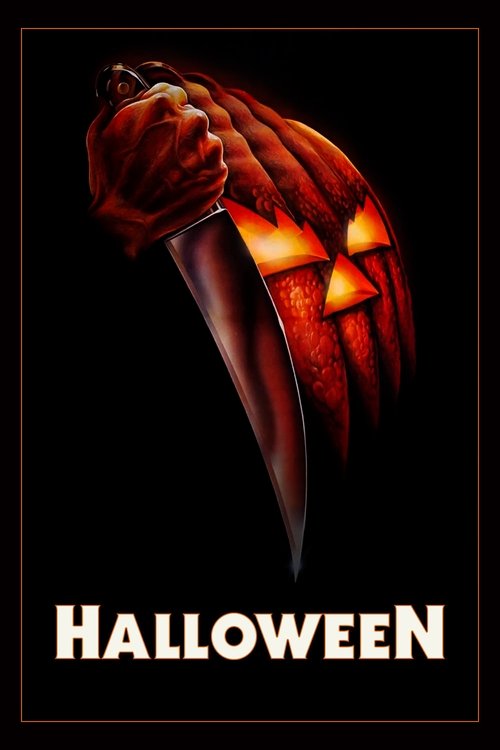
The first time I saw John Carpenter’s Halloween, I was sitting on a sagging beanbag chair in a basement that smelled faintly of damp laundry, eating a bowl of Captain Crunch. I remember the crunching sound in my ears felt dangerously loud, as if the noise would prevent me from hearing a masked killer creeping up the stairs behind me. That’s the specific magic of this film: it turns your own familiar surroundings into a predatory landscape. It’s not just a movie; it’s a manual for why you should always keep the porch light on.
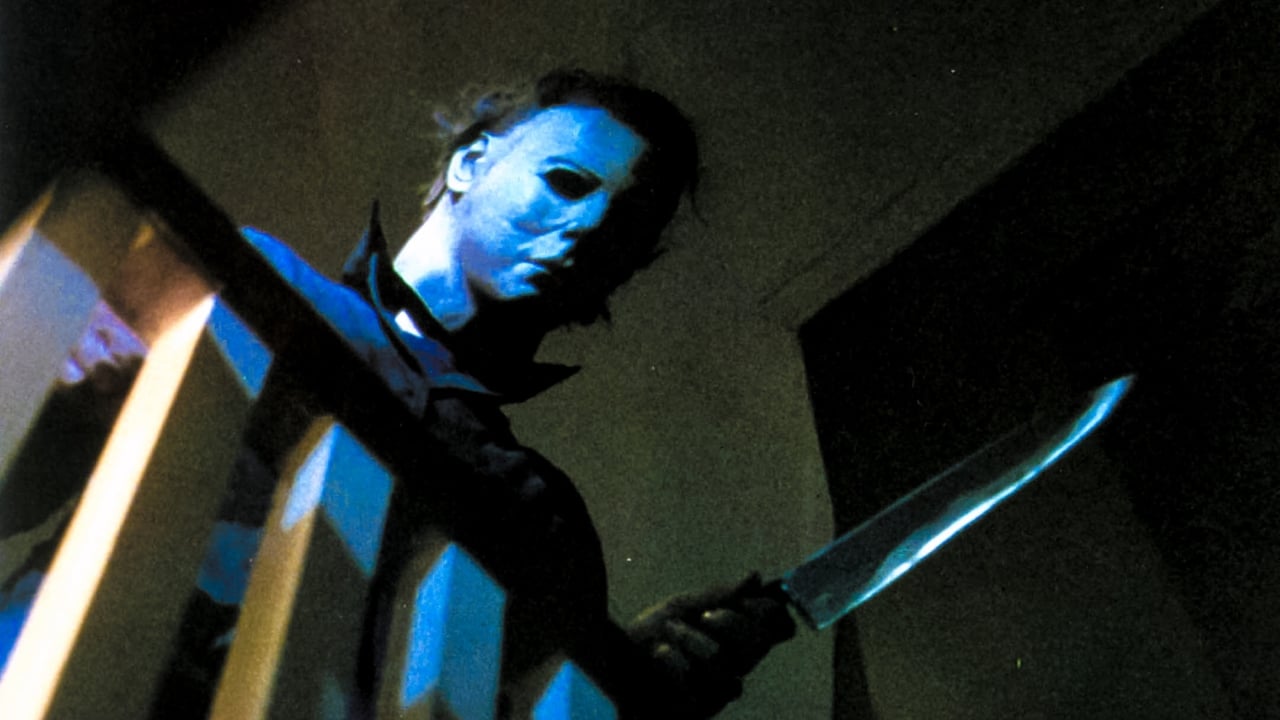
The Shape of things to Come
Released in 1978, Halloween arrived at a time when the "New Hollywood" era was shifting from the cynical political thrillers of the early 70s toward the high-concept blockbusters of the 80s. But Carpenter, working on a shoestring budget of roughly $325,000, didn't have the luxury of spectacle. Instead, he relied on "The Shape."
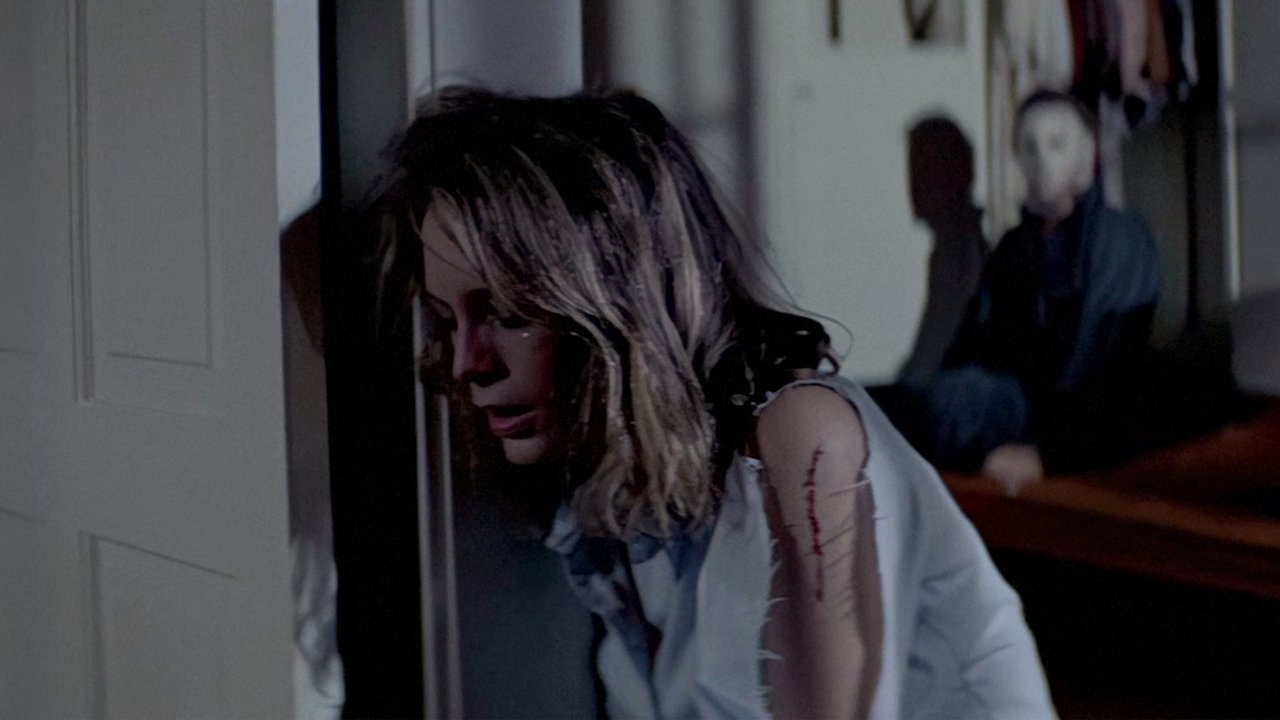
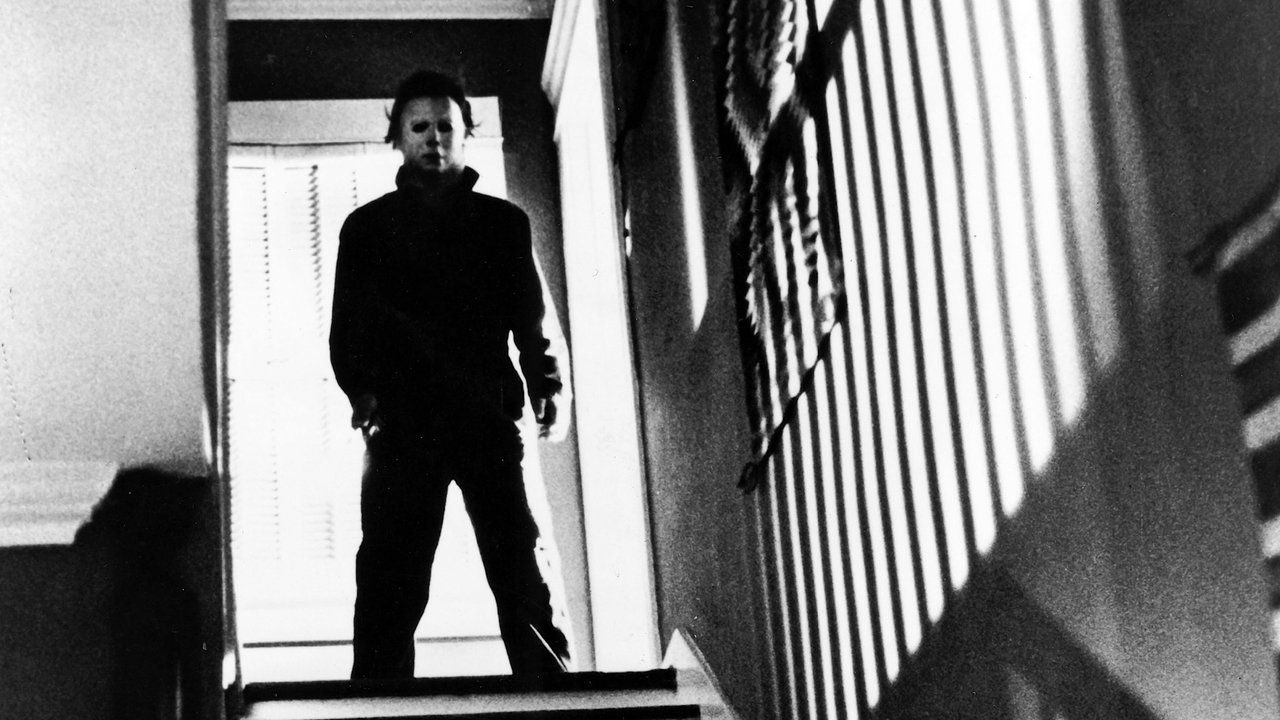
Michael Myers is a terrifying antagonist precisely because he lacks a personality. In an era where modern horror often feels the need to explain away every trauma with a twenty-minute prologue, Carpenter offers us a void. Michael Myers is basically the world’s most persistent, heavily-breathing mall walker, and his lack of a clear motive is exactly what makes the skin crawl. He isn’t a man; he’s a force of nature that just happens to be wearing a modified Captain Kirk mask painted fish-belly white.
The film’s cinematography, handled by Dean Cundey, utilized the then-revolutionary Panaglide (a competitor to the Steadicam). This allowed the camera to float through the suburban streets of Haddonfield, Illinois, like a predatory ghost. We don’t just watch the characters; we stalk them. The long, unbroken POV shot that opens the film—following a young Michael as he commits his first murder—set a bar for technical audacity that indie filmmakers are still trying to clear forty years later.
A Budget of Spray Paint and Dead Leaves
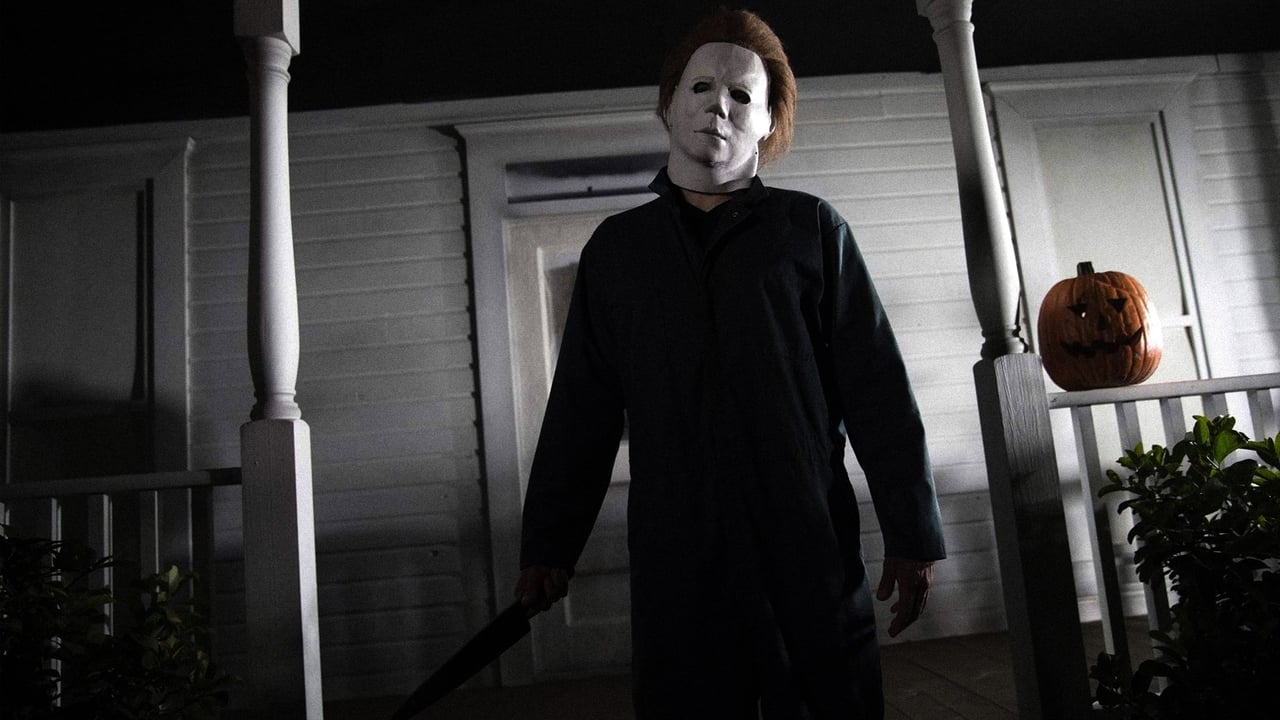
The "Indie Gem" status of Halloween is best illustrated by its production stories, which have since become the stuff of cinematic legend. Because they were filming in Southern California during the spring but needed to evoke a chilly Illinois October, the crew had to buy bags of autumn leaves, paint them brown, scatter them for a scene, and then—because they couldn't afford more—meticulously rake them up and bag them for the next shot. If you look closely at the background of some scenes, the trees are suspiciously lush and green, but the sheer tension of the narrative makes those "California palm trees" disappear into the shadows.
The casting was equally resourceful. Jamie Lee Curtis was cast as Laurie Strode partly because she was a talented newcomer, but also because her mother was Janet Leigh of Psycho fame—a bit of "scream queen" lineage that served as free marketing. Curtis anchors the film with a grounded, intelligent performance that avoids the "helpless girl" tropes that would later plague the slasher genre. Opposite her, Donald Pleasence brings a desperate, Shakespearean gravity to the role of Dr. Loomis. He treats Michael not as a patient, but as a literal demon, and his wide-eyed warnings provide the film with its soul-chilling philosophical weight.
The Sound of Sustained Dread
You cannot talk about Halloween without the music. Carpenter famously composed the score himself because it was cheaper than hiring a professional. Using a 5/4 time signature that feels like a jagged heartbeat, the main theme is perhaps the most effective piece of horror branding in history. It doesn't just accompany the film; it drives it.
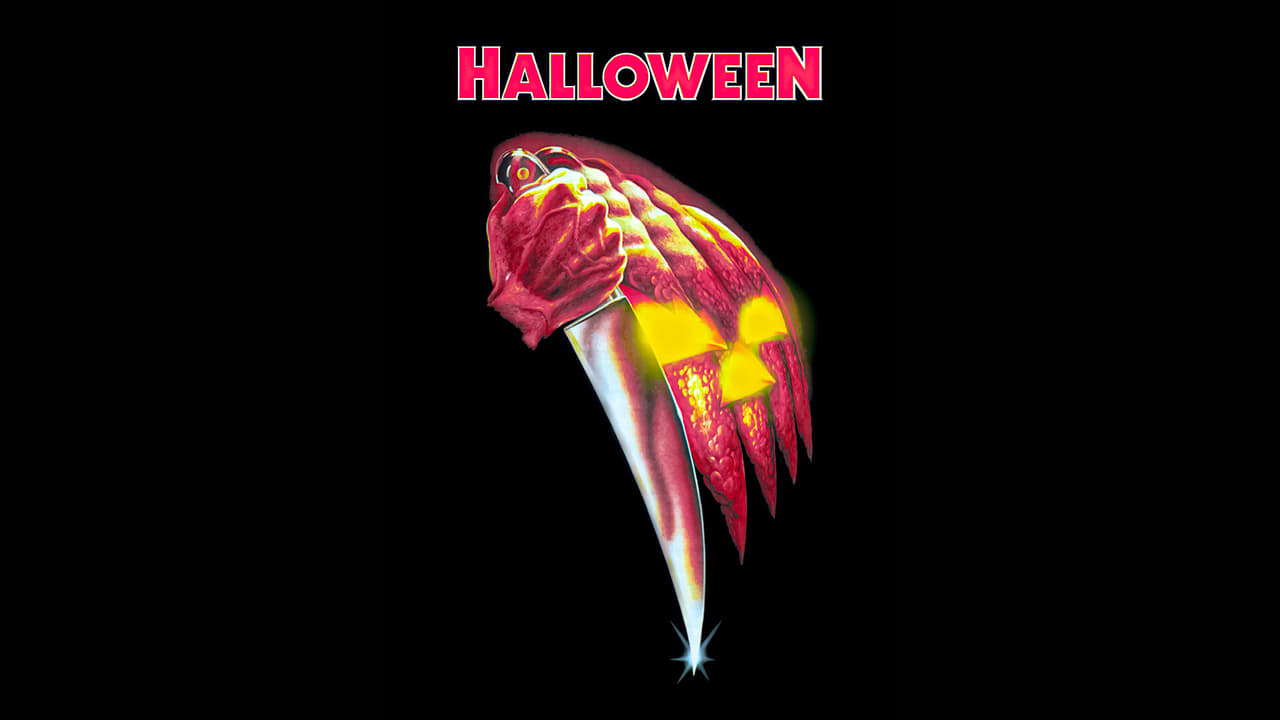
In the 1980s, the VHS revolution turned Halloween into a household staple. While the theatrical run was a massive success (earning over $70 million), the video store era is where its cult status solidified. I remember the Media Home Entertainment VHS box—the one with the flickering jack-o'-lantern and the knife—sitting on the bottom shelf of the "Horror" section like a cursed object. Rewatching it on tape, with the slight tracking fuzz and the muted colors of a CRT television, actually added to the grit. It felt like something you weren't supposed to be seeing.
What strikes me most upon a modern rewatch is how little blood there actually is. Carpenter understood that the anticipation of violence is infinitely more draining than the act itself. He uses the frame with surgical precision, often tucking Michael into the corner of a shot or behind a hedge, letting the audience spot the danger before the characters do. It’s an interactive form of terror.
Halloween remains the undisputed blueprint for the modern slasher, but it possesses a formal elegance that its imitators never quite grasped. It is a masterclass in using limitations—budgetary, technical, and spatial—to create a vacuum of pure, unadulterated dread. Even if you’ve seen it a dozen times, that final sequence of empty rooms accompanied by the sound of Michael’s heavy breathing is enough to make you check the locks on your front door twice. Or three times. Just in case.
Keep Exploring...
-
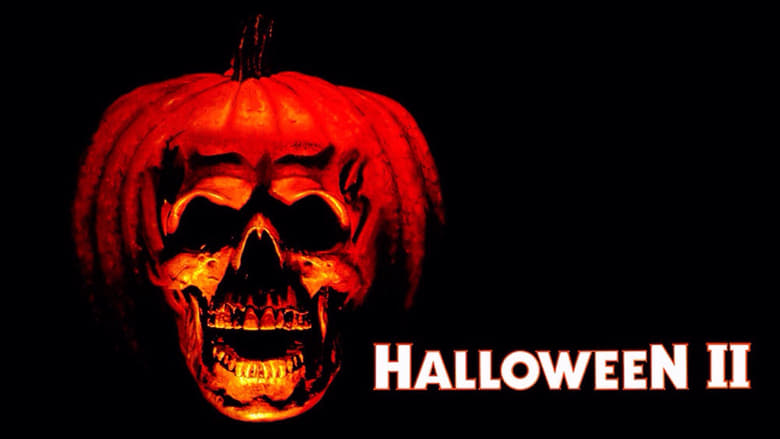
Halloween II
1981
-
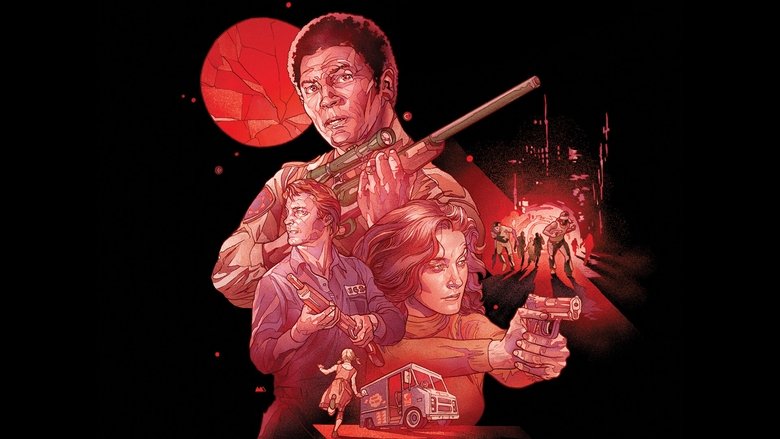
Assault on Precinct 13
1976
-
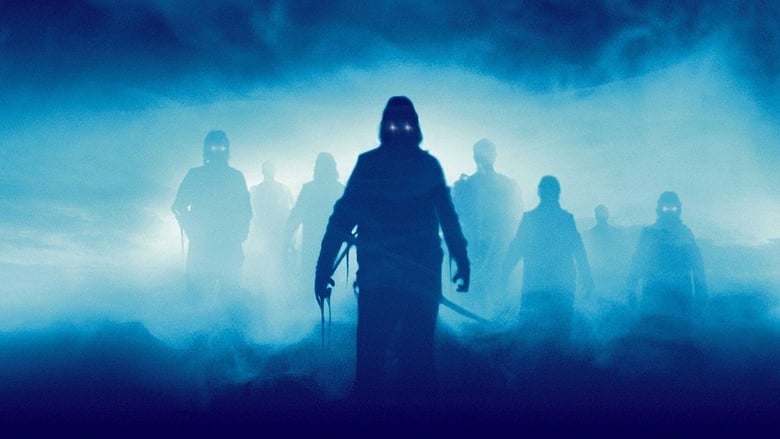
The Fog
1980
-
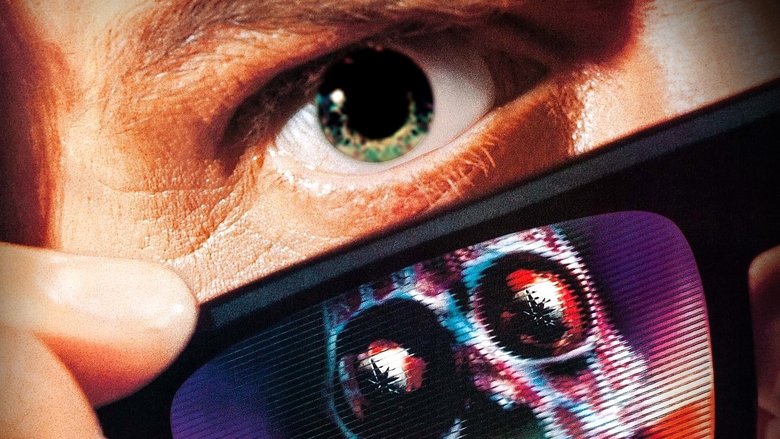
They Live
1988
-

Halloween 4: The Return of Michael Myers
1988
-
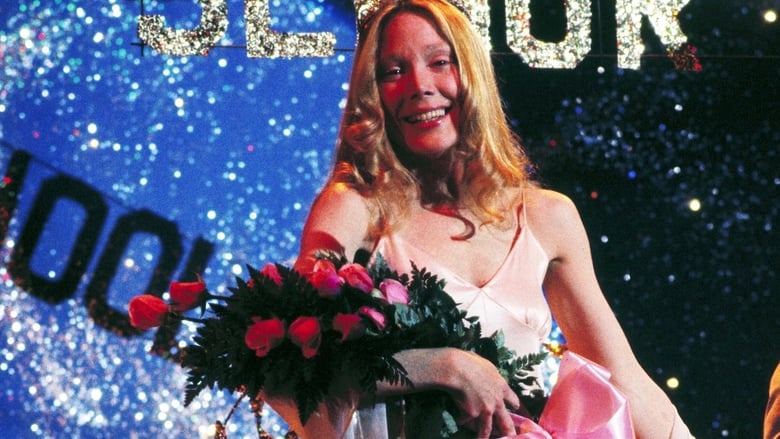
Carrie
1976
-
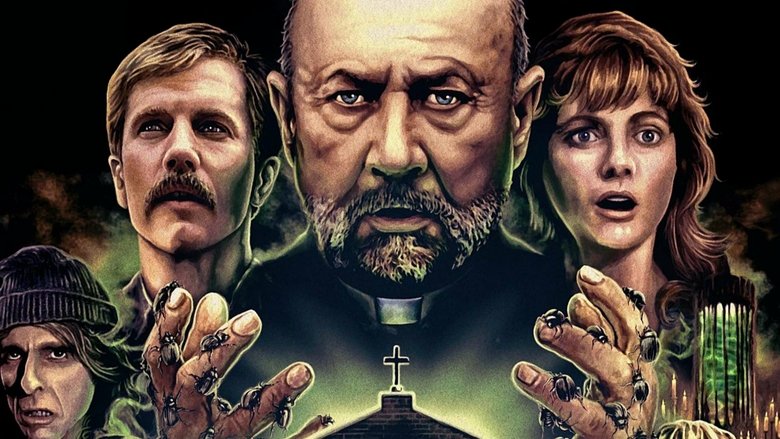
Prince of Darkness
1987
-

Halloween
2018
-

The Thing
1982
-
Psycho
1960
-
What Ever Happened to Baby Jane?
1962
-
The Birds
1963
-
Night of the Living Dead
1968
-
Peeping Tom
1960
-

Repulsion
1965
-
The Omen
1976
-
Jaws
1975
-
The Shining
1980
-
The Dead Zone
1983
-
The Texas Chain Saw Massacre
1974