Jaws 2
"Lightning strikes twice. This time, it has teeth."
Most sequels are born from a board room, but Jaws 2 was born from a panic attack. How do you follow the film that literally invented the summer blockbuster? How do you top Steven Spielberg, the wunderkind who’s already moved on to talk to aliens in Close Encounters of the Third Kind? You don't. You just try to survive the current.
I recently revisited this one on a rainy Tuesday while nursing a slightly-too-hot cup of Earl Grey that I’m convinced was trying to scald me, and it struck me just how much this movie feels like the bridge between the prestige thrillers of the early 70s and the "body count" slashers of the 80s. It’s a fascinating, flawed, and surprisingly sturdy piece of popcorn cinema that gets far more grief than it deserves.
Amity’s PTSD and the Gaslighting of Martin Brody
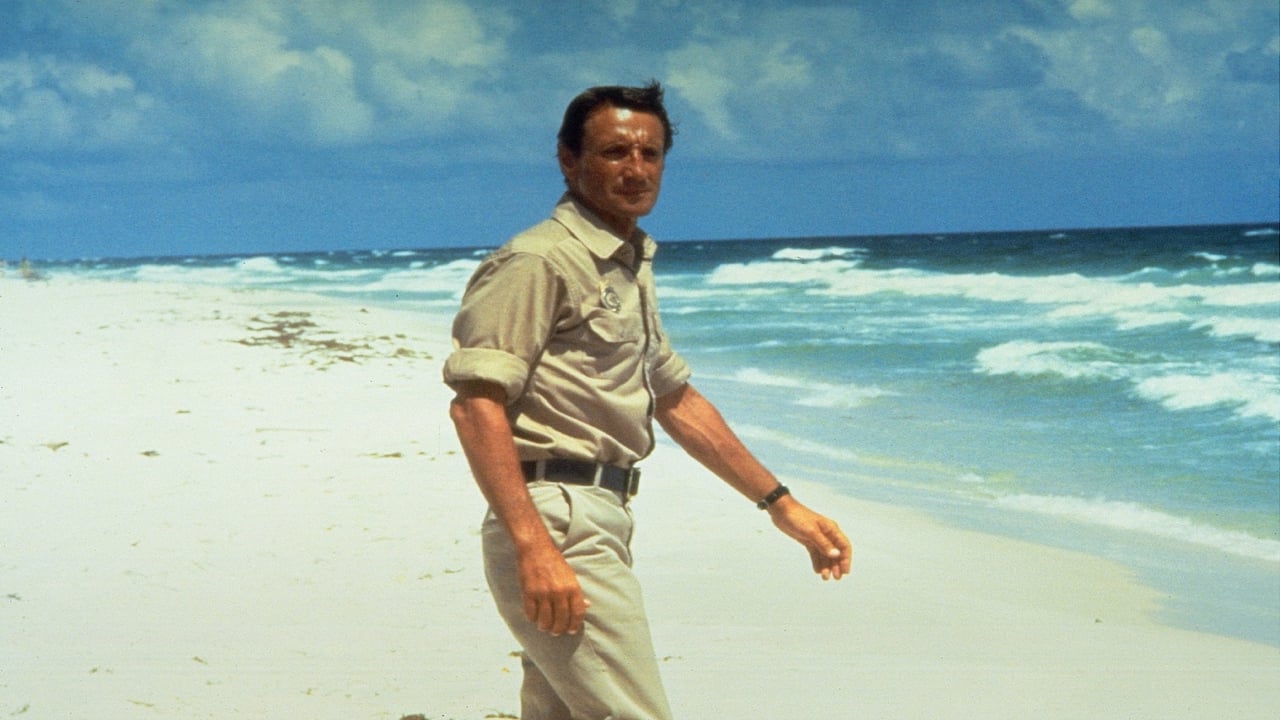
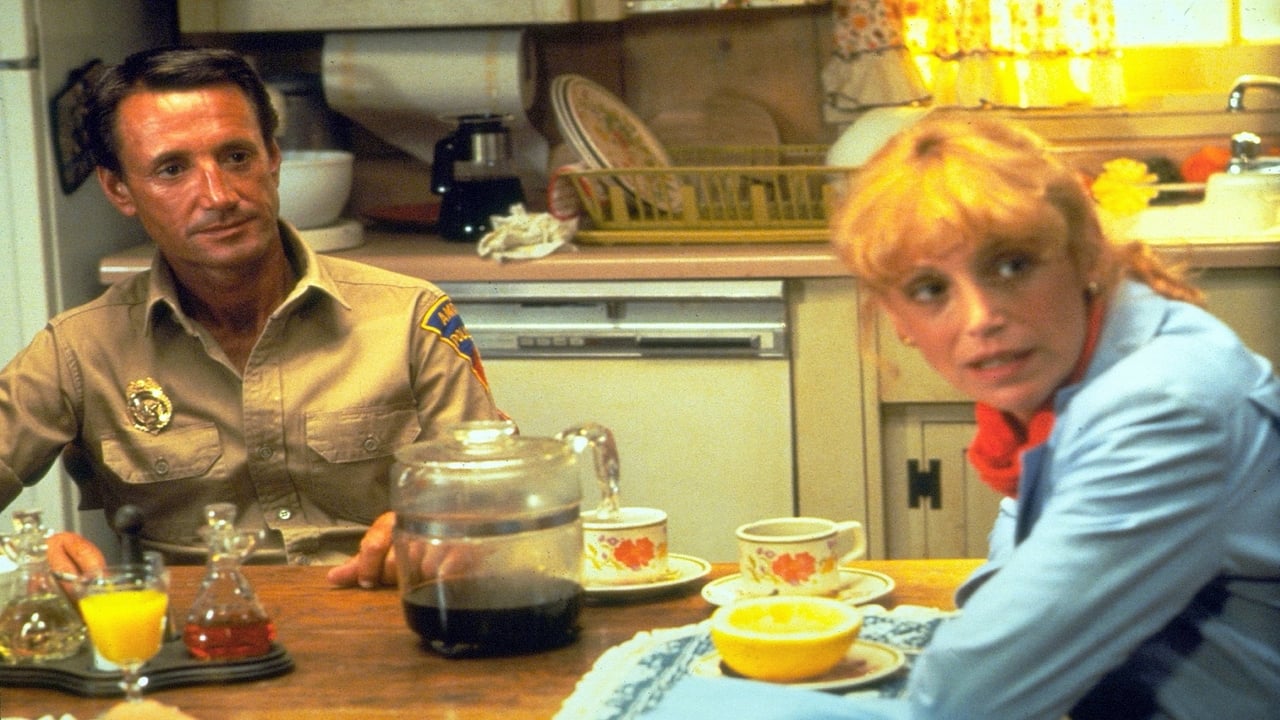
The best thing about Jaws 2 isn’t the shark; it’s Roy Scheider. He didn't even want to be there—he only took the role to get out of a contract dispute with Universal after he walked away from The Deer Hunter—and you can see that genuine, agitated friction in every frame. It works perfectly for Chief Brody. He’s a man suffering from profound PTSD, and the entire town of Amity is gaslighting him.
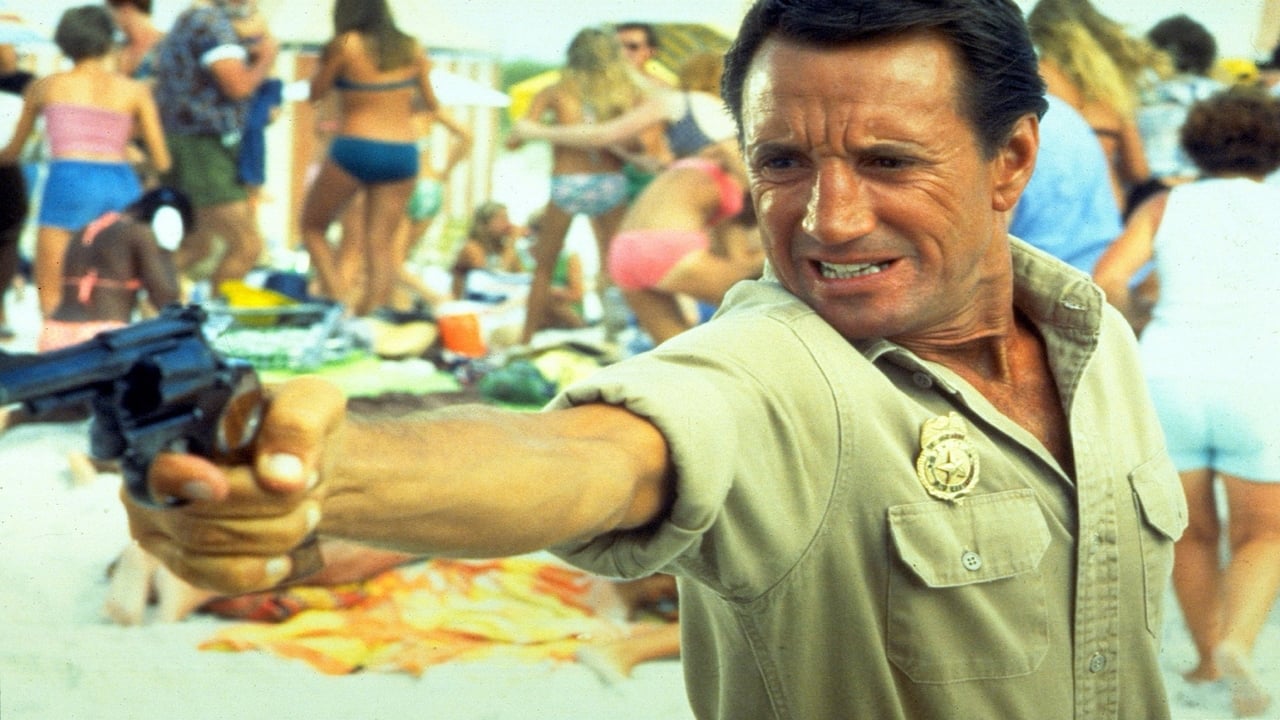
Murray Hamilton returns as Mayor Larry Vaughn, still wearing those atrocious anchor-print blazers, and he’s still putting property values over human lives. Watching Brody desperately trying to warn a town that views him as a paranoid loony provides a psychological weight that most horror sequels lack. When Brody fires his gun at a school of bluefish in front of a crowded beach, you don't just feel the tension; you feel the embarrassment. Roy Scheider sells the "broken hero" trope with such conviction that you almost forget you're watching a movie about a giant rubber fish.
The Original Slasher on Water
If the first Jaws was Duel on the ocean, Jaws 2 is essentially Friday the 13th with a dorsal fin. While the first film gave us the iconic trio of Brody, Quint, and Hooper, the sequel gives us... a bunch of teenagers on sailboats. This was a deliberate shift. The production actually fired the original director, John D. Hancock, because his vision was "too dark." They wanted something lighter, more "teen-friendly," and brought in Jeannot Szwarc (Somewhere in Time) to steady the ship.
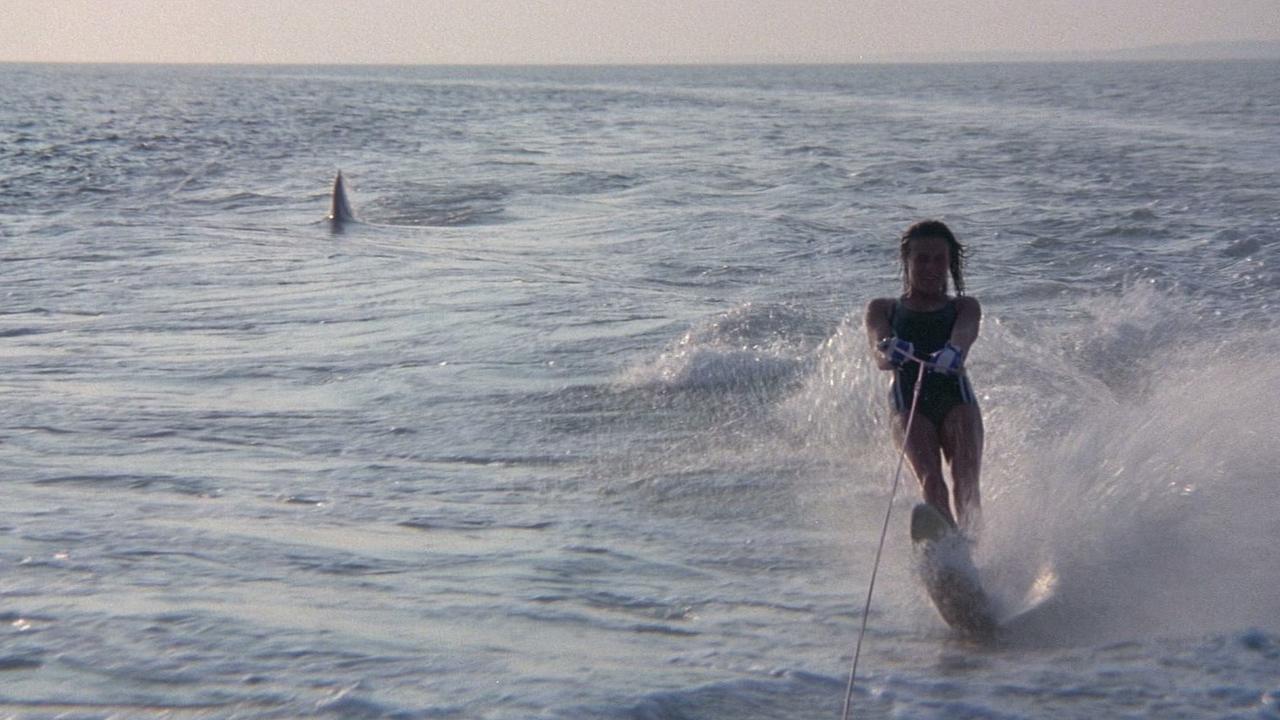
The result is a film that follows the blueprint of the emerging slasher genre. We have the "final girl" energy, the disposable teens, and a killer that is increasingly supernatural in its resilience. Jaws 2 is the greatest 'slasher' film that doesn't actually feature a guy in a mask. The shark even gets a "villain scar" halfway through when a boat explosion leaves one side of its face charred and melted—a brilliant practical effect by the crew that gives the predator a signature, vengeful look.
The climax, involving an electrical cable and a "shish-kebab" ending, is pure 1970s spectacle. It’s loud, it’s logically questionable, and it’s immensely satisfying. It lacks Spielberg's surgical precision, but it replaces it with a heavy-metal energy that was common in the era's high-budget sequels.
The Practical Grind and the VHS Legacy
From a production standpoint, this was a nightmare. The budget ballooned to $20 million—an astronomical sum in 1978—making it the most expensive movie Universal had ever produced up to that point. They built three different mechanical sharks, and just like "Bruce" in the first film, they all hated the salt water. I’ve always had a soft spot for the practical effects era; there’s a tactile weight to the shark hitting the boats that CGI simply cannot replicate. When that shark lunges, you know a ten-ton rig of steel and hydraulics is actually displacing water.
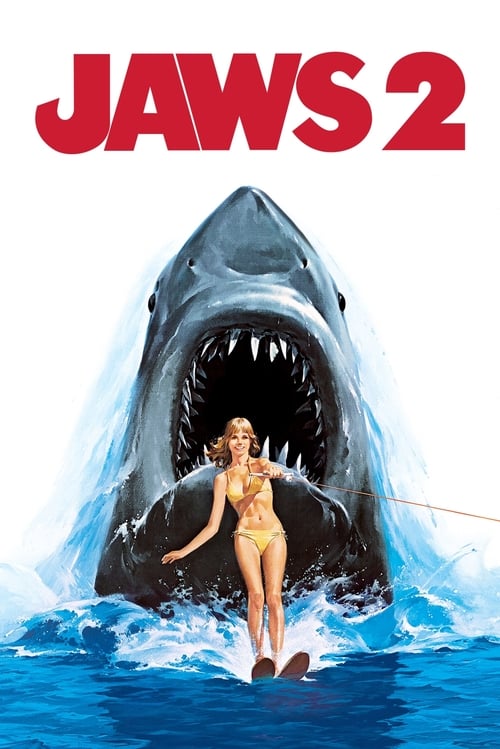
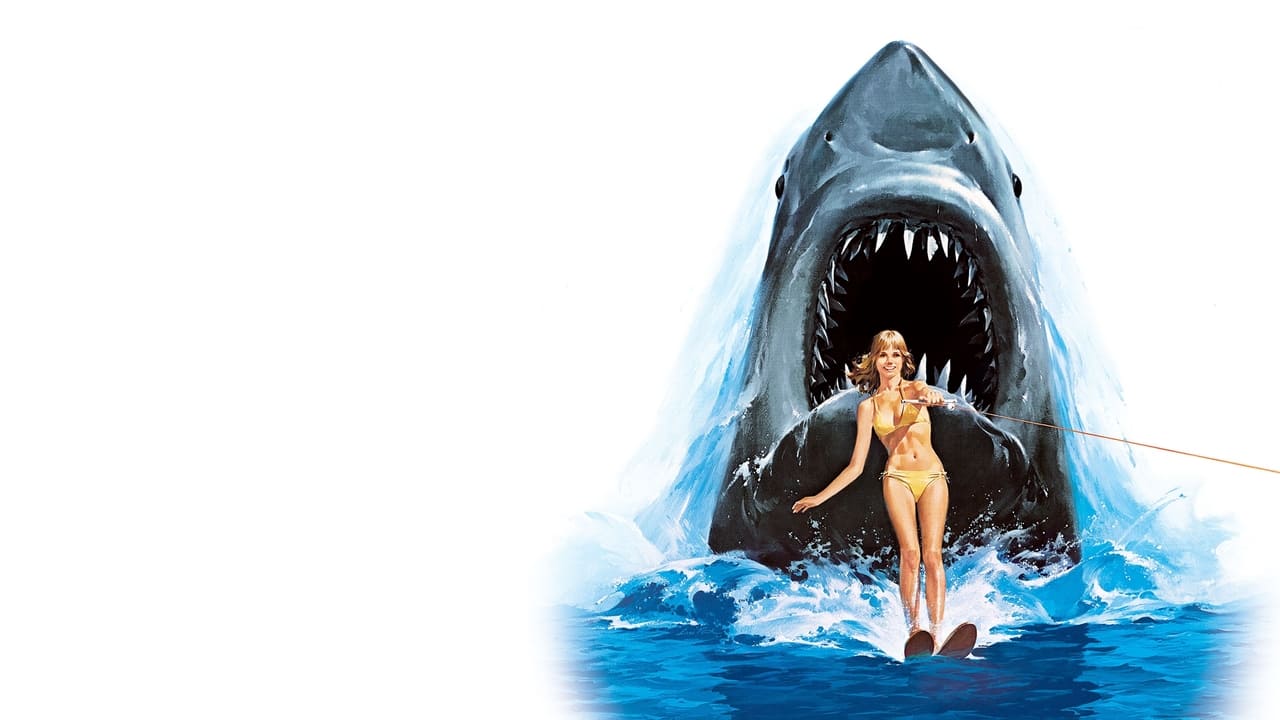
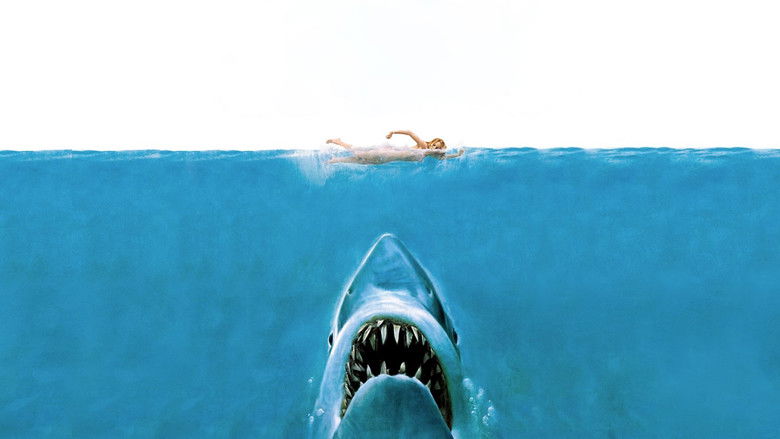
For a generation of us, Jaws 2 was a definitive VHS staple. If you frequented video rental stores in the 80s, you remember the iconic box art: the lone water-skier silhouetted against a deep orange sunset, with that massive maw rising from beneath. It was the kind of tape that was always slightly grainy during the helicopter attack scene because everyone had paused and rewound it so many times.
The score by John Williams also deserves a massive shout-out. He didn't just phone it in; he expanded the original theme with more "nautical adventure" flourishes, making the sailing sequences feel sweeping and grand before the horror kicks back in. It’s one of the few sequels where the music feels like a genuine evolution rather than a cover band's greatest hits.
Cool Details (The Stuff You Didn't Notice)
The Contractual Grump: Roy Scheider and director Jeannot Szwarc reportedly had a physical altercation on set because Scheider was so unhappy about being there. That "get out of my office" energy? Entirely real. The Lost Director: Before he was fired, John D. Hancock wanted the film to focus on the economic ruin of Amity, featuring a ghost-town vibe with shuttered shops. Universal balked, wanting a "fun summer movie" instead. The Tagline: "Just when you thought it was safe to go back in the water..." is arguably more famous than the movie itself. It was written by ad executive Andrew J. Kuehn and remains a gold standard for marketing. The Survivor: Lorraine Gary (Ellen Brody) is one of the few cast members to appear in Jaws, Jaws 2, and the disastrous Jaws: The Revenge. She brings a much-needed groundedness to the Brody family dynamic.
Jaws 2 is the definition of a "solid" sequel. It’s not a masterpiece, but it’s a masterclass in how to maintain a franchise’s dignity before the later sequels (looking at you, 3D and The Revenge) drove it into the seabed. It captures that specific late-70s vibe of practical effects and high-stakes tension, anchored by a lead performance that is far better than the material requires. It’s a quintessential rental classic that still manages to make the deep end of the pool look a little suspicious.
Keep Exploring...
-
Jaws
1975
-
Halloween II
1981
-
Dressed to Kill
1980
-

Cujo
1983
-
The Dead Zone
1983
-

The Hills Have Eyes
1977
-
Friday the 13th Part 2
1981
-
Friday the 13th Part III
1982
-

The Towering Inferno
1974
-
Sudden Impact
1983
-
The Hitcher
1986
-
A Nightmare on Elm Street 4: The Dream Master
1988
-

Halloween 4: The Return of Michael Myers
1988
-

The 'Burbs
1989
-
Live and Let Die
1973
-
The Spy Who Loved Me
1977
-
Moonraker
1979
-
For Your Eyes Only
1981
-
Never Say Never Again
1983
-
Octopussy
1983