Midnight Express
"The heartbeat of a man who forgot to breathe."
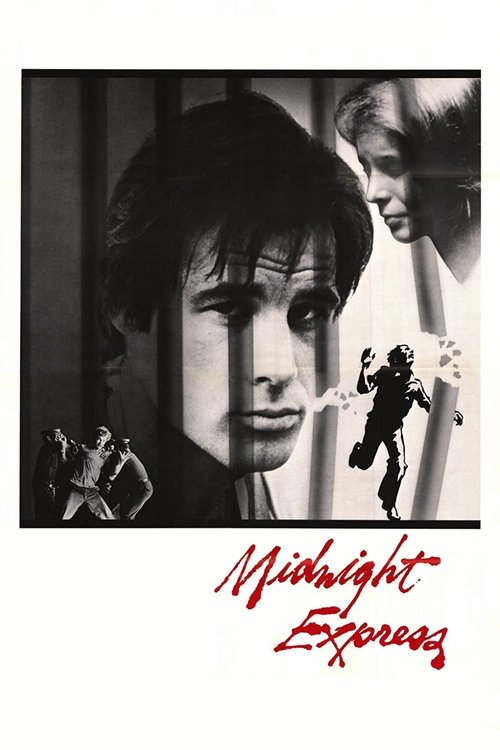
The rhythmic thumping of a heartbeat isn’t just a sound effect in the opening minutes of Midnight Express; it’s a death knell. We see Brad Davis as Billy Hayes, sweating through his shirt in an Istanbul airport, taping blocks of hashish to his chest with the trembling hands of a man who knows he’s about to lose his life. I watched this recently while sitting next to a half-finished bowl of lukewarm oatmeal, and the tension was so thick I actually forgot to eat. That’s the Alan Parker magic—he makes you feel the humidity, the claustrophobia, and the sheer, unadulterated terror of a system that doesn't care if you're "just a kid."
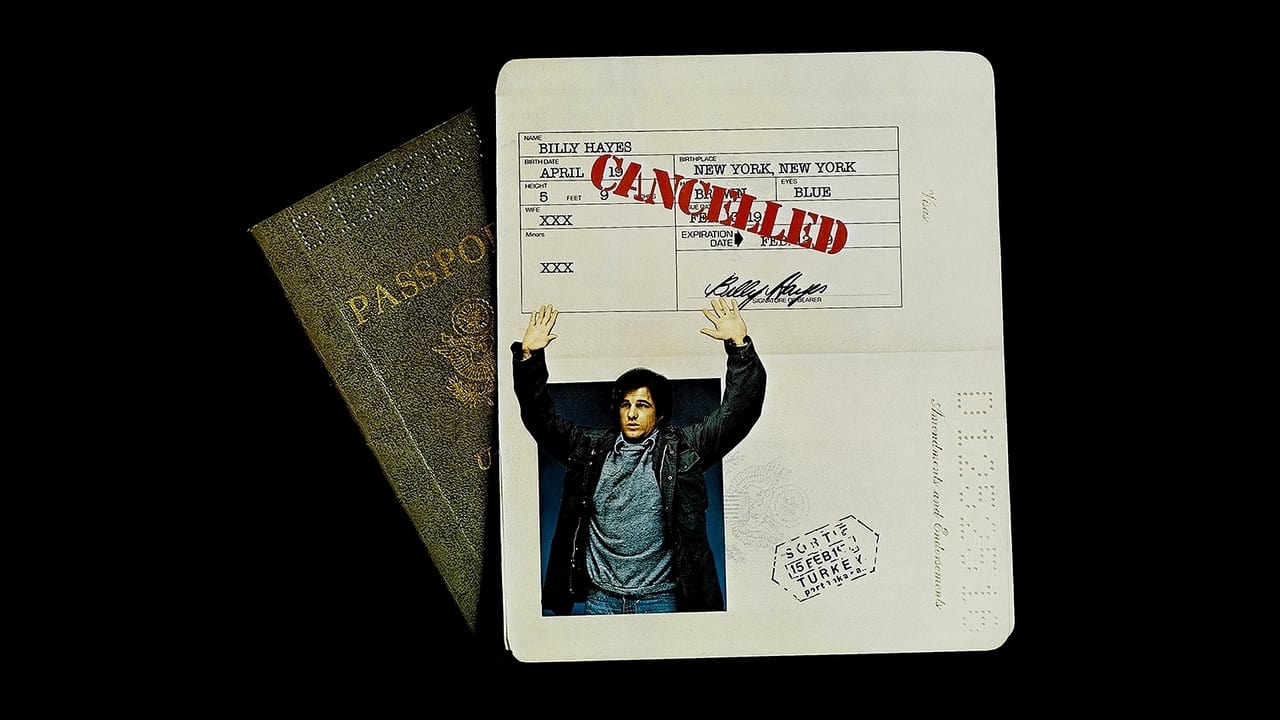
Released in 1978, Midnight Express arrived at the tail end of the New Hollywood era, where directors were finally allowed to show the grime under the fingernails of the American dream. It’s a film that leans into its own sweat. It doesn't ask for your sympathy so much as it demands your panic. Brad Davis gives a performance that feels less like acting and more like a documented nervous breakdown. When he’s eventually thrown into the Sağmalcılar Prison, the movie shifts from a thriller into a descent into a very specific kind of hell.
The Architect of Agony
The screenplay was handled by a young Oliver Stone (who had yet to direct Platoon), and you can see his fingerprints all over the jagged, aggressive dialogue. Stone famously took Billy Hayes’ real-life story and cranked the volume to eleven. While the real Hayes admitted he was a regular smuggler, Stone’s script paints him as a naive victim of a draconian landscape. The courtroom speech is basically Oliver Stone shouting at the audience for two minutes, and honestly, it’s one of the few times that kind of melodrama actually works because Brad Davis sells the desperation so completely.
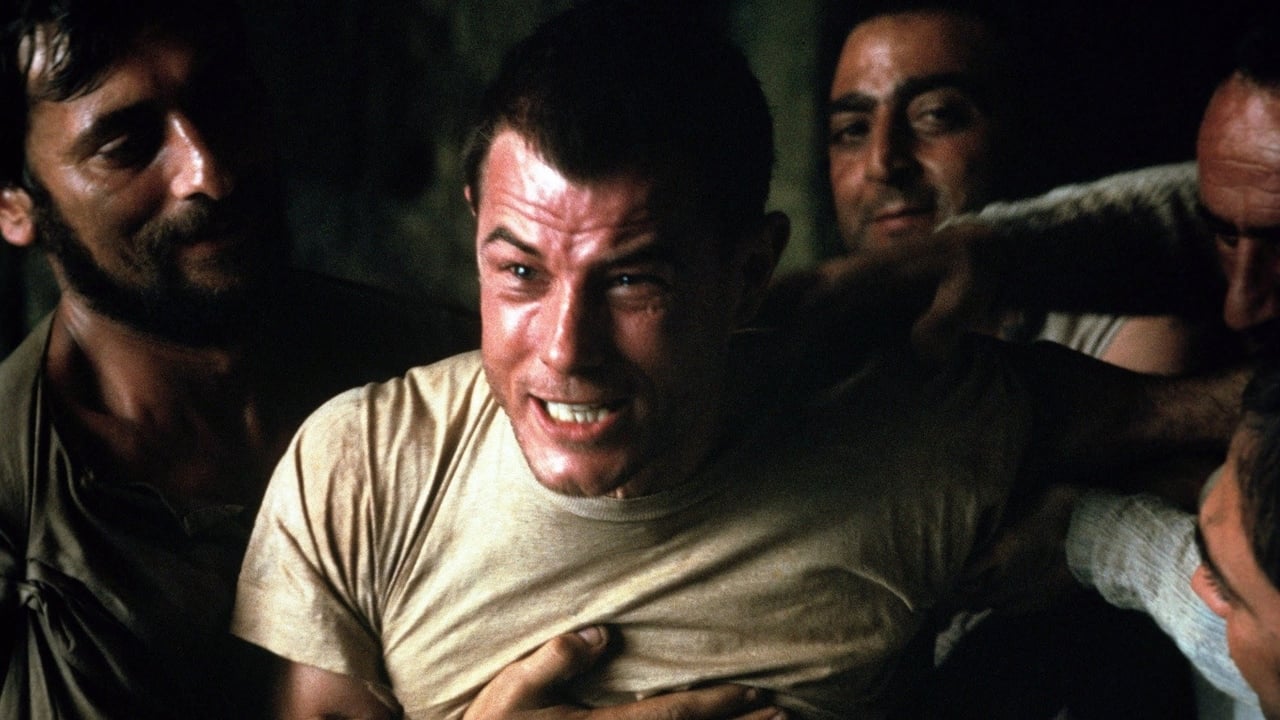
Then there’s the villain. Paul L. Smith as Hamidou, the head guard, is a mountain of a man who says almost nothing but radiates pure, sadistic malice. He doesn't need a back story; he’s just the physical manifestation of a wall you can’t climb. Opposite him is Randy Quaid as Jimmy Booth, a fellow prisoner whose frantic, wide-eyed energy provides a heartbreaking contrast to Billy’s eventual catatonia. Quaid is often remembered for his later comedic roles, but here he’s a raw nerve, showing the exact moment a human spirit snaps under pressure.
Synthesizers and Stone Walls
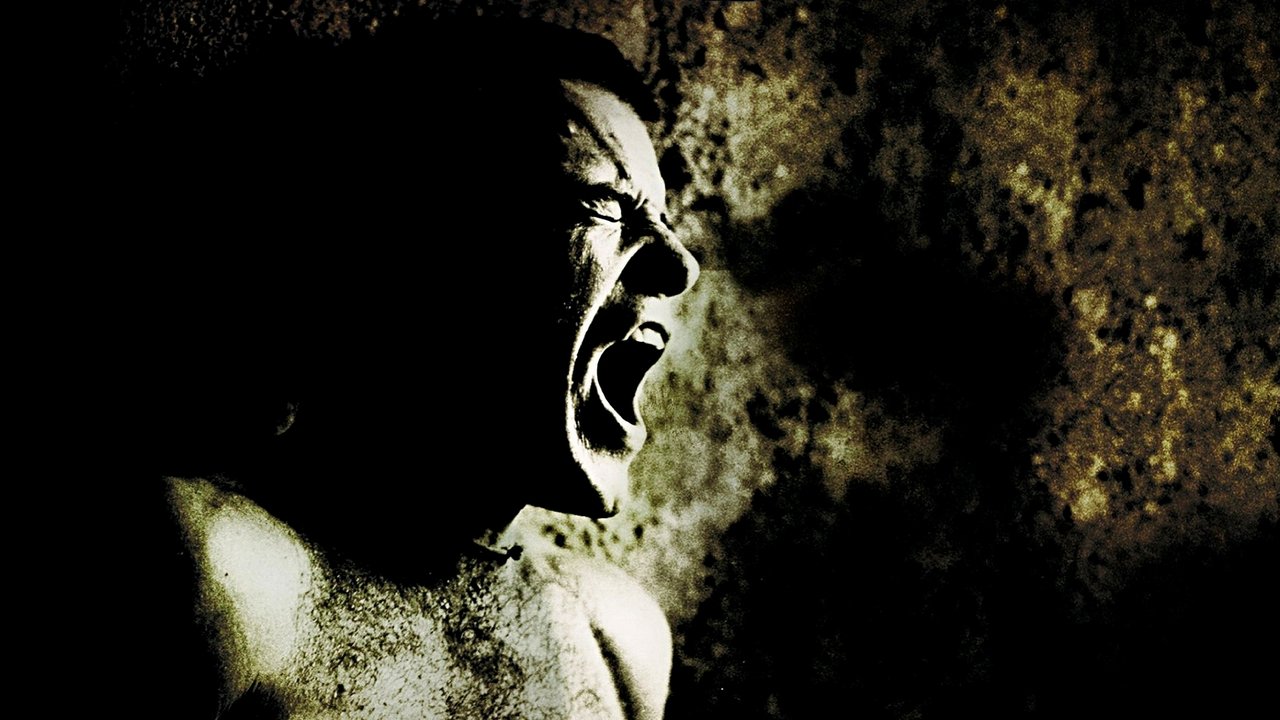
If you’re a fan of the 70s and 80s aesthetic, you have to talk about Giorgio Moroder. His score for Midnight Express was a revolution. At a time when most dramas were backed by sweeping orchestral arrangements, Moroder dropped a cold, pulsating electronic soundtrack that felt completely alien. It shouldn't work in a Turkish prison drama, yet the synth-heavy "The Chase" provides a mechanical, relentless pace that mirrors the bureaucratic machine crushing Billy. It’s the sound of the future crashing into a medieval dungeon.
From an independent standpoint, the production was a masterclass in resourcefulness. With a budget of only $2.3 million—pennies even by 1978 standards—Alan Parker couldn't actually film in Turkey due to the script's scathing portrayal of their legal system. Instead, the crew decamped to Fort Saint Elmo in Malta. The production design is so impeccable that you’d never know they weren't in Istanbul. They used the crumbling limestone and natural shadows of the fort to create a sense of eternal dusk. It’s a reminder of that pre-CGI era where if a room looked like it smelled of rot and damp stone, it’s because the crew was actually standing in rot and damp stone.
The Video Store "Dare" Movie
For those of us who grew up wandering the aisles of local video stores in the 80s, the Midnight Express VHS box was a staple of the "Intense Drama" section. The cover art, featuring a bearded, tearful Brad Davis behind bars, was iconic. It was the kind of tape parents would tell you not to rent until you were older, which of course made it a rite of passage. Watching it on a grainy CRT television only added to the film's oppressive atmosphere; the shadows became deeper, the film grain looked like the dust of the prison floor.

One of the most interesting "indie" trivia bits is that Oliver Stone wrote the script in a mere six weeks while he was essentially broke and struggling to make it in Hollywood. He was so frustrated with the industry that he channeled all that rage into Billy’s outbursts. That raw, unpolished anger is what makes the film transcend its "true story" trappings. It’s not just about a guy who got caught with drugs; it’s about the terrifying realization that your rights are a fragile illusion that vanishes the moment you cross the wrong border.
Midnight Express isn't a "fun" watch, but it is an essential one. It’s a brutal, beautifully shot nightmare that captures the transition from 70s realism to the high-concept intensity of the 80s. While some of the cultural depictions haven't aged gracefully, the core emotional truth of the film—the primal desire for freedom—remains unshakable. It’s a movie that stays with you long after the credits roll, making you double-check your pockets every time you walk through an airport. Just maybe skip the oatmeal while you watch it.

Keep Exploring...
-
Mississippi Burning
1988
-
Mean Streets
1973
-
Serpico
1973
-
Badlands
1974
-

The Conversation
1974
-
Straw Dogs
1971
-
Scarface
1983
-

Breathless
1960
-
High and Low
1963
-
Pierrot le Fou
1965
-
In the Heat of the Night
1967
-
Dog Day Afternoon
1975
-

Taxi Driver
1976
-

Wall Street
1987
-
Murder on the Orient Express
1974
-
Death Wish
1974
-
Pink Floyd: The Wall
1982
-

Magnum Force
1973
-
Papillon
1973
-
The Sting
1973