Superman
"The sky finally found its hero."
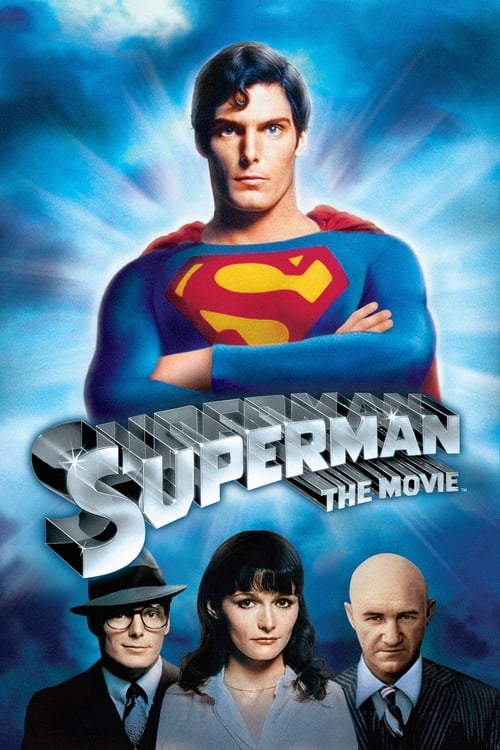
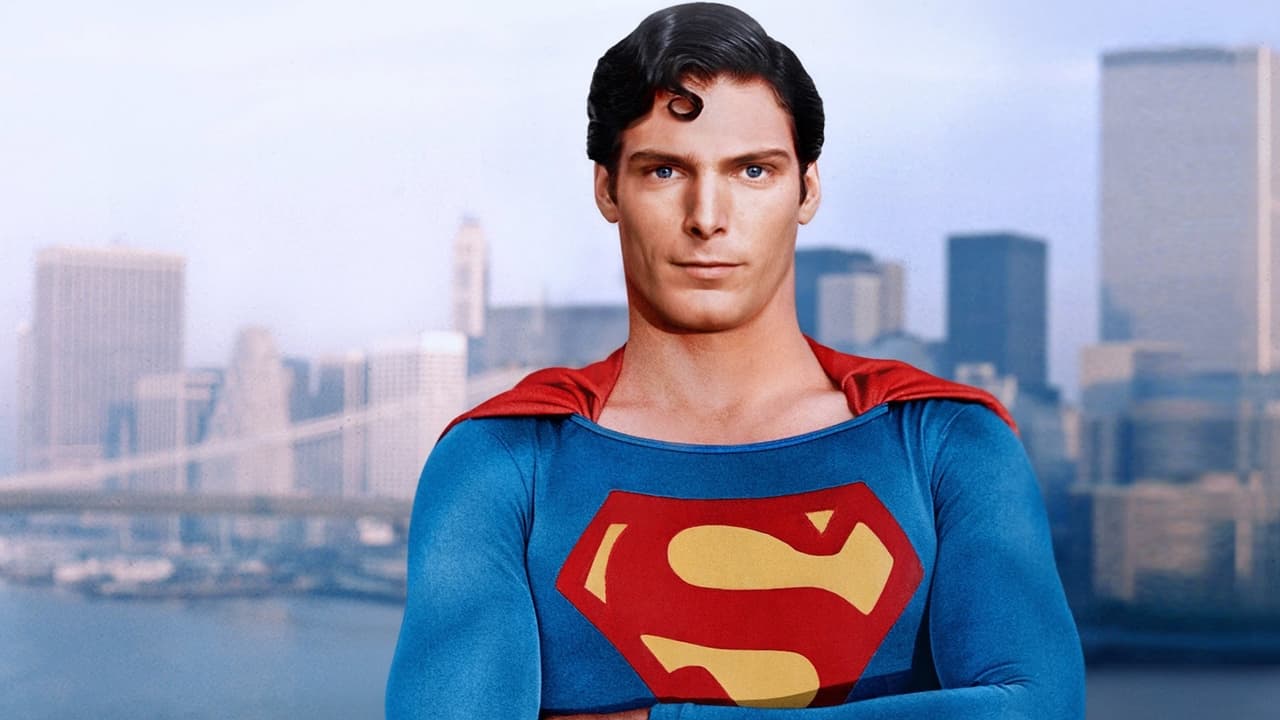
Before the multiverse became a tangled web of homework assignments and green-screen sludge, there was a blue-and-red blur that actually made our necks ache from looking up. In 1978, the world was a cynical, gritty place. We were coming off the back of Watergate and the hangover of the Vietnam War, and cinema reflected that with masterpieces of paranoia and urban decay. Then Richard Donner (who gave us The Omen and later Lethal Weapon) stepped in and decided that a guy in bright blue spandex shouldn't be a joke. He treated the myth of Krypton with the same reverence Cecil B. DeMille gave the Ten Commandments, and in doing so, he invented the modern blockbuster.
I actually watched this most recently while nursing a mild case of food poisoning from a questionable street taco, and honestly, the sheer sincerity of the film was the only thing keeping me upright. There’s something medicinal about the way John Williams (fresh off Star Wars and Jaws) blasts those opening credits across the screen. It’s not just a score; it’s a physical force that pins you to your seat.
The Man Who Made Gravity Optional
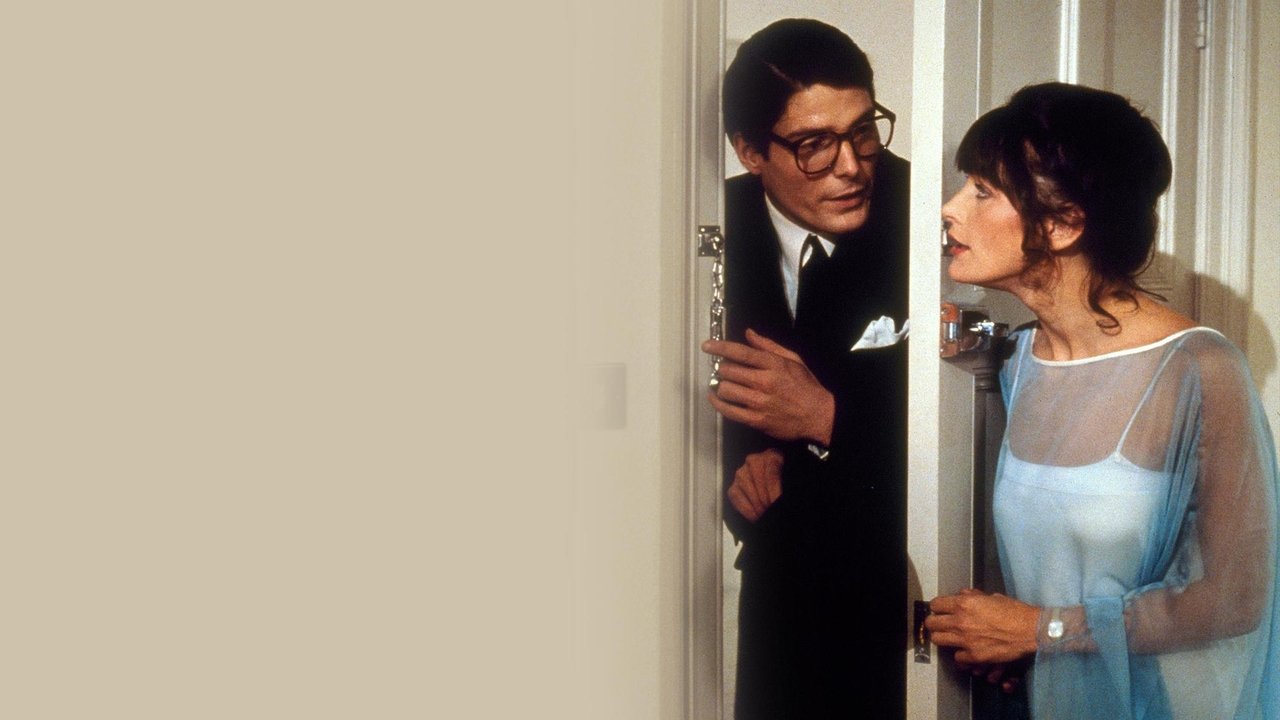
The real miracle of this movie isn't the special effects, but the casting of Christopher Reeve. Before this, he was a relatively unknown theater actor, and he famously trained with David Prowse (the man inside the Darth Vader suit) to bulk up his lanky frame. Reeve doesn’t just play two characters; he plays two different species. When he’s Clark Kent, his spine seems to curve, his voice thins out, and he radiates a clumsy, well-meaning anxiety. Then, he stands up straight, takes off the glasses, and you’d swear he grew six inches. It’s the greatest "hidden in plain sight" performance in history.
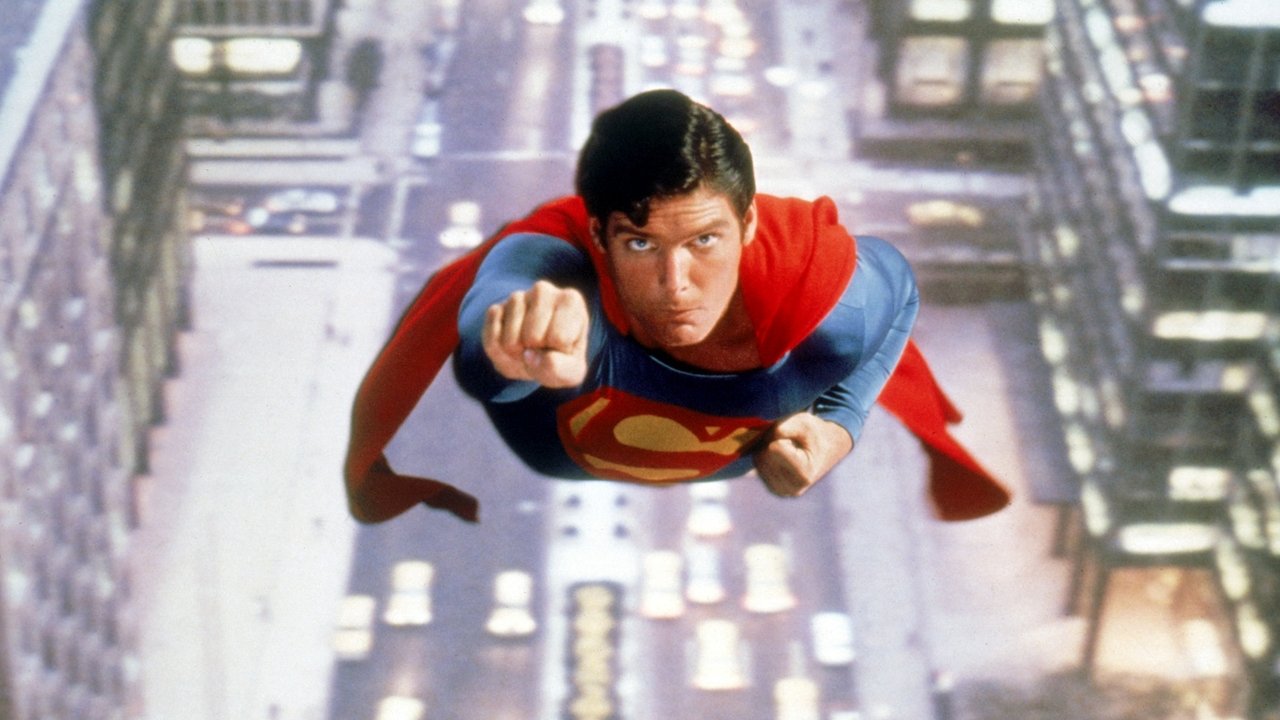
Opposite him, Margot Kidder is the perfect 1970s Lois Lane. She’s cynical, chain-smoking, and can’t spell "pittance" to save her life. Their chemistry during the flight over Metropolis is the emotional anchor of the film. Without that romantic spark, the technical wizardry would just be cold machinery. They make you believe in the impossible because they clearly believe in each other. Meanwhile, Marlon Brando cashed a then-unheard-of $3.7 million check for about twelve minutes of screen time as Jor-El. He famously refused to memorize his lines, reading them off Jackie Cooper’s chest or hidden cue cards, yet he still brings a Shakespearean gravity to the doomed planet Krypton that sets the stakes for everything that follows.
A Masterclass in Practical Pulleys
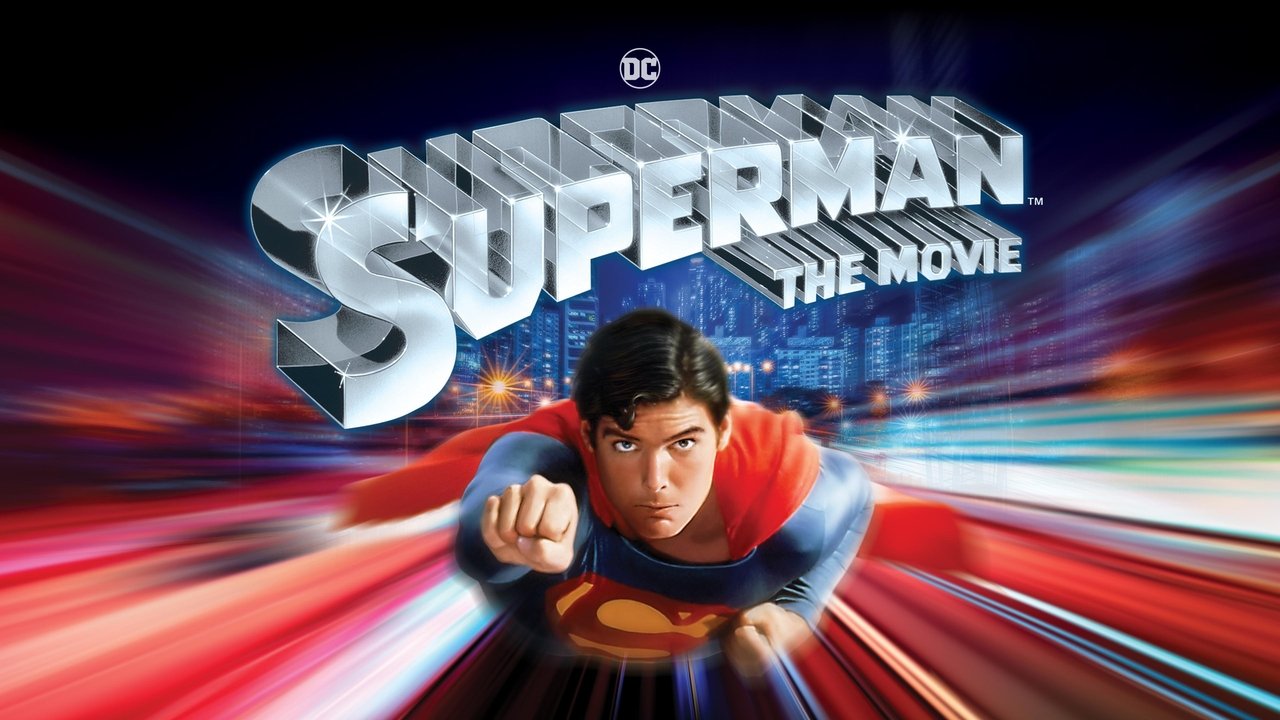
In an era where every superhero fight looks like a chaotic PlayStation 5 cutscene, the action in Superman feels remarkably physical. The "You’ll believe a man can fly" tagline wasn't just marketing hype; it was a promise kept through ingenious practical craft. They used a sophisticated front-projection system called "Zoptic" that allowed the camera to zoom in sync with the actor, creating the illusion of movement through 3D space. When Superman catches Lois and that falling helicopter, you feel the weight of the metal.
The helicopter sequence remains the gold standard for action pacing. It starts with a snapped cable and builds into a frantic, multi-level rescue that still gets my heart racing. There’s no "shakey cam" to hide mistakes here. Geoffrey Unsworth, the cinematographer who shot 2001: A Space Odyssey, gives the whole movie a soft, romantic glow that feels like a moving comic book.
On the villainous side, Gene Hackman (star of The French Connection and The Conversation) plays Lex Luthor with a delightful, ego-driven campiness. He’s not a world-ending god; he’s a disgruntled real estate mogul with a subterranean lair and a pair of bumbling henchmen in Ned Beatty and Valerie Perrine. While some modern viewers might find the "Otisburg" comedy a bit much, the wig Gene Hackman wears looks like it was stolen from a depressed ventriloquist's dummy, and that kind of theatricality is exactly what this era of filmmaking excelled at.
The Legacy of the Big White Box
For those of us who grew up in the 80s, Superman was a staple of the home video revolution. I can still see the iconic white Warner Home Video clamshell case sitting on the rental shelf. It was one of those movies that became a "vcr-killer" because we’d rewind the dam burst or the San Andreas Fault sequence so many times that the magnetic tape would start to flicker and snow.
The production was a legendary nightmare—Richard Donner was shooting this and the sequel, Superman II, simultaneously before being fired by producers Alexander and Ilya Salkind. Despite the behind-the-scenes chaos and a script that passed through the hands of Mario Puzo (of The Godfather fame) and Robert Benton, the final product is remarkably cohesive. It captures a sense of wonder that has largely evaporated from the genre. It’s a film that isn't afraid to be hopeful, even when it's dealing with the literal destruction of a planet or a massive earthquake.
Ultimately, Superman works because it has a soul. It’s a massive, $55 million spectacle—the most expensive movie ever made at the time—that still feels like a personal story about a guy from Kansas trying to do the right thing. Whether you’re watching it for the first time or the fiftieth, that final shot of Reeve smiling at the camera as he orbits the Earth remains one of the most comforting images in cinema history. They’ve remade it, rebooted it, and "darkened" it, but they’ve never topped it.
Keep Exploring...
-

Superman II
1980
-
Superman III
1983
-
Lethal Weapon 2
1989
-
Return of the Jedi
1983
-
Moonraker
1979
-
Live and Let Die
1973
-
Flash Gordon
1980
-

Star Trek II: The Wrath of Khan
1982
-
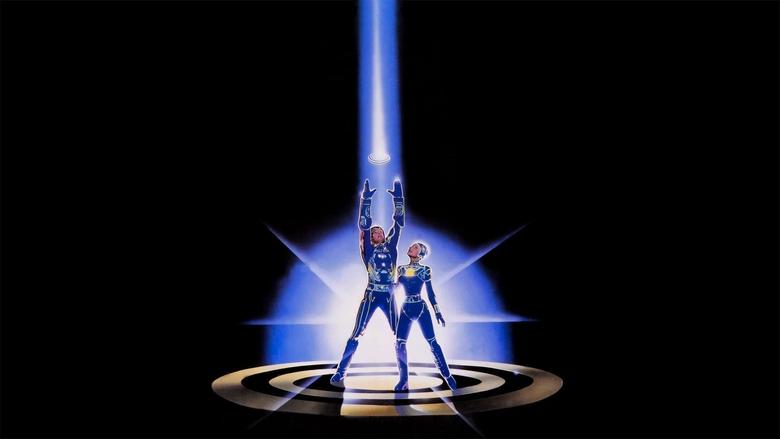
Tron
1982
-
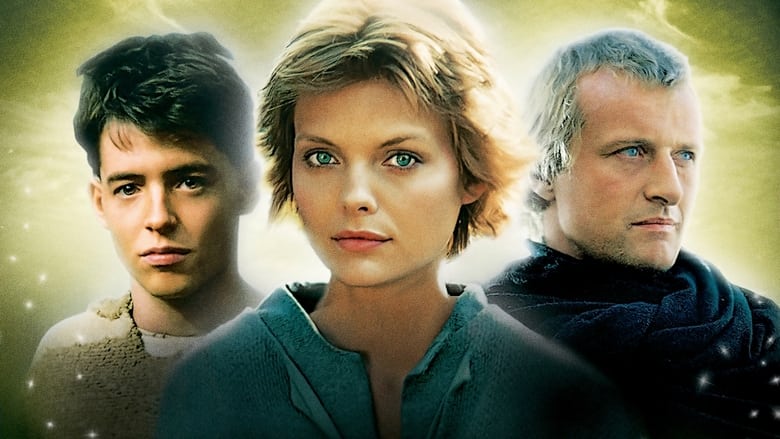
Ladyhawke
1985
-
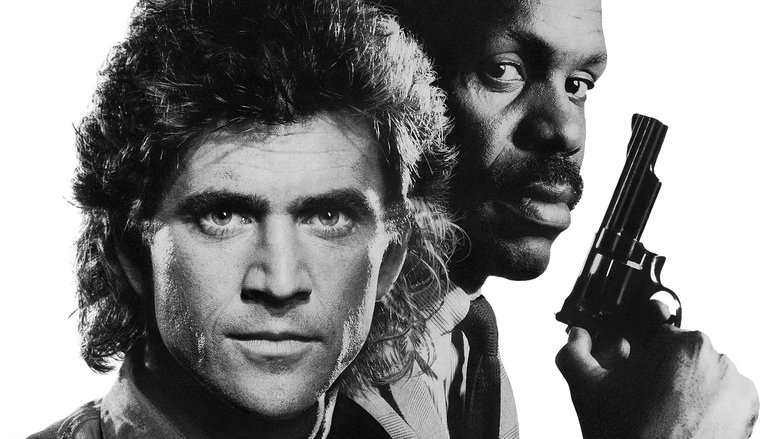
Lethal Weapon
1987
-
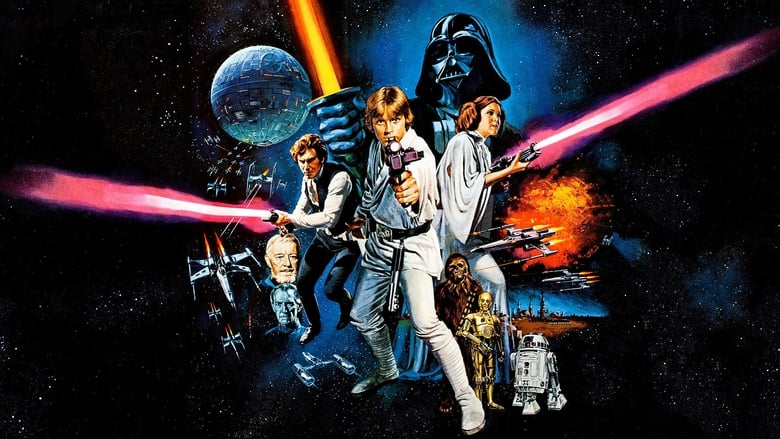
Star Wars
1977
-
The Empire Strikes Back
1980
-
Mad Max
1979
-
Mad Max 2
1981
-
Star Trek: The Motion Picture
1979
-
Raiders of the Lost Ark
1981
-
E.T. the Extra-Terrestrial
1982
-
First Blood
1982
-
Planet of the Apes
1968