The Deer Hunter
"One shot is all you get."
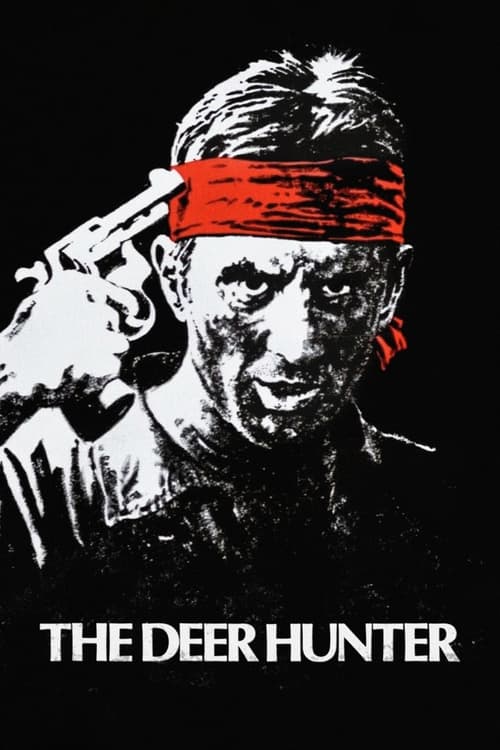
The first time I sat down to watch The Deer Hunter, I made the tactical error of thinking I could squeeze it in before a dinner date. Three hours later, I was still glued to my sofa, staring at the credits in a state of catatonic shock while my phone buzzed incessantly with "Where are you?" texts. I eventually showed up to the restaurant looking like I’d just crawled out of a spider hole in the jungle. This isn't a movie you "watch"; it’s a movie you survive.

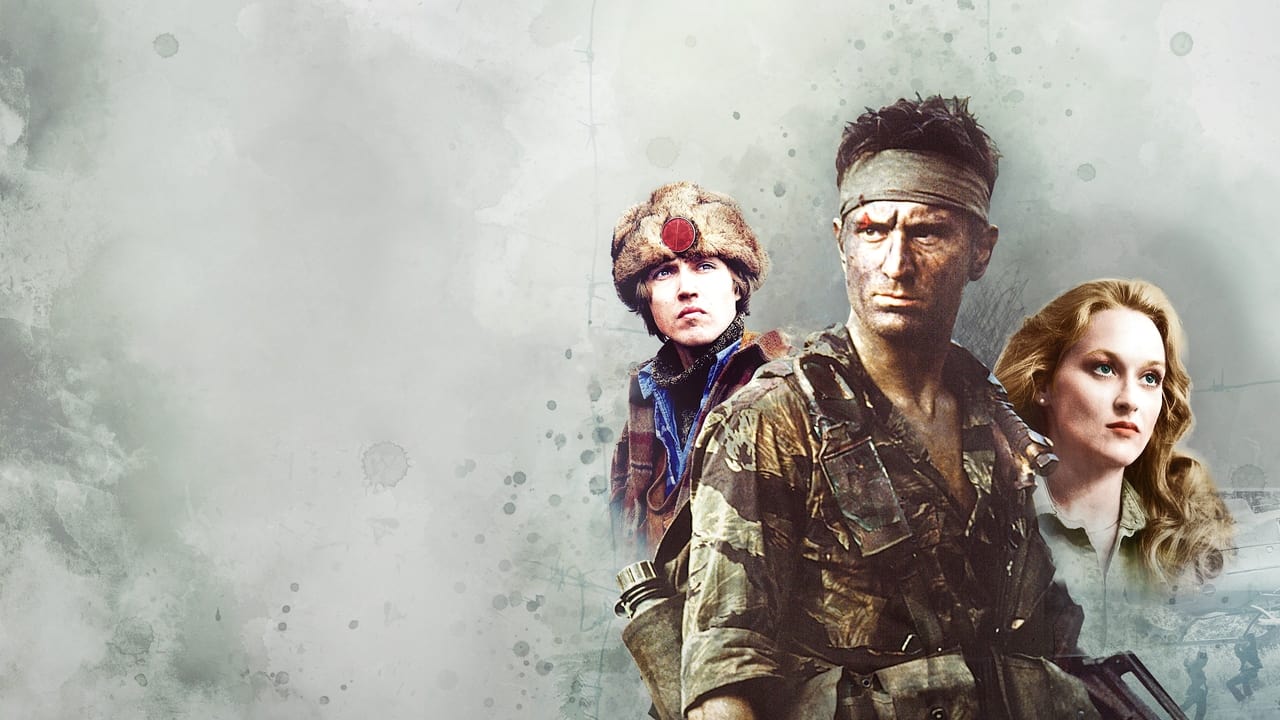
Michael Cimino’s 1978 masterpiece is the ultimate endurance test of New Hollywood cinema. It’s famous for being the "Russian Roulette movie," but that’s like calling Jaws a "boat movie." It is a sprawling, agonizing, and deeply intimate portrait of how a tight-knit community of Russian-American steelworkers in Pennsylvania is systematically dismantled by a war they don't understand.
The Longest Wedding in History
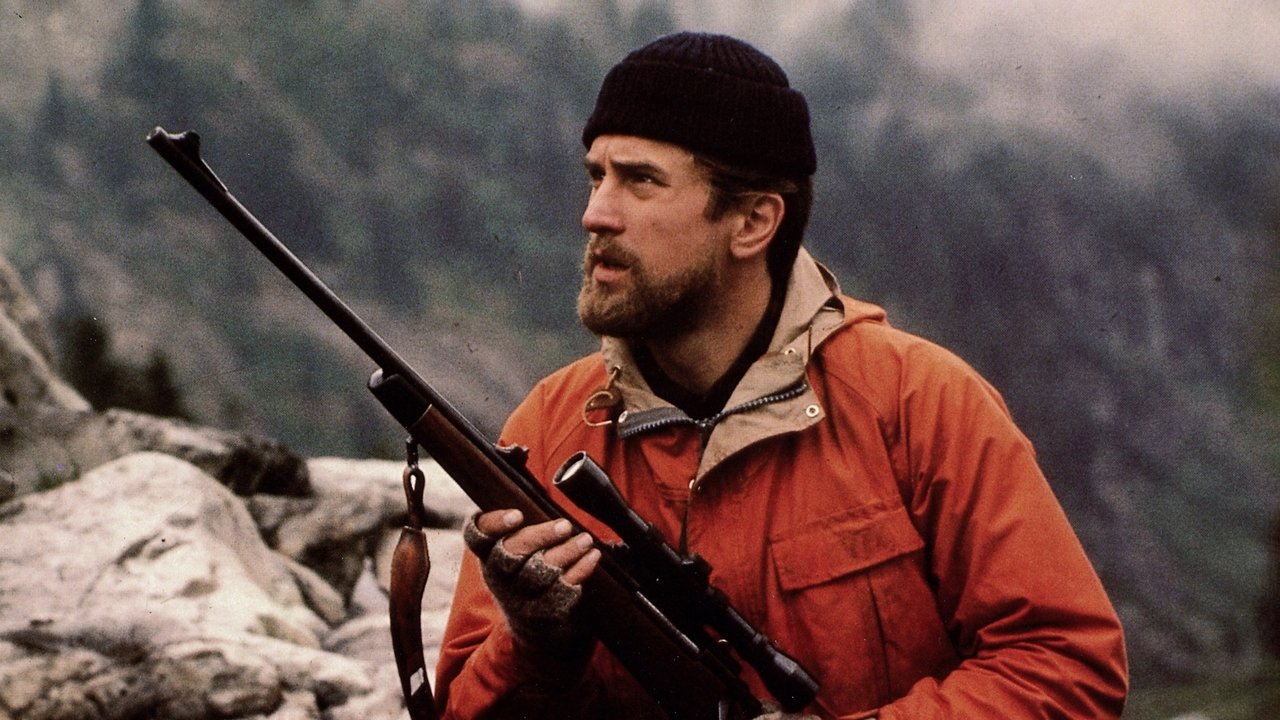
The film is famously divided into three acts, and the first hour is a masterclass in "hangout" cinema that probably wouldn't be allowed to exist today. We spend an eternity at a wedding and a final hunting trip in the mountains. We see Robert De Niro (Michael), Christopher Walken (Nick), and John Savage (Steven) drinking too much rolling rock, singing "Can't Take My Eyes Off You," and navigating the messy dynamics of their friend group.
John Cazale, in his final film role before passing away from cancer, plays Stan, the "weak link" of the group. Watching him here is heartbreaking; he’s frail but incredibly present, playing a man who tries to mask his insecurities with a cheap handgun and a loud mouth. This first hour is essential because it builds the "before." If we didn't spend sixty minutes watching George Dzundza tend bar or Meryl Streep dance with Christopher Walken, the subsequent violence wouldn't have any weight. Cimino forces us to love these guys so that when the floor drops out, we fall with them. The wedding sequence is basically a three-hour movie's way of daring you to look away.
The Randomness of the Grave
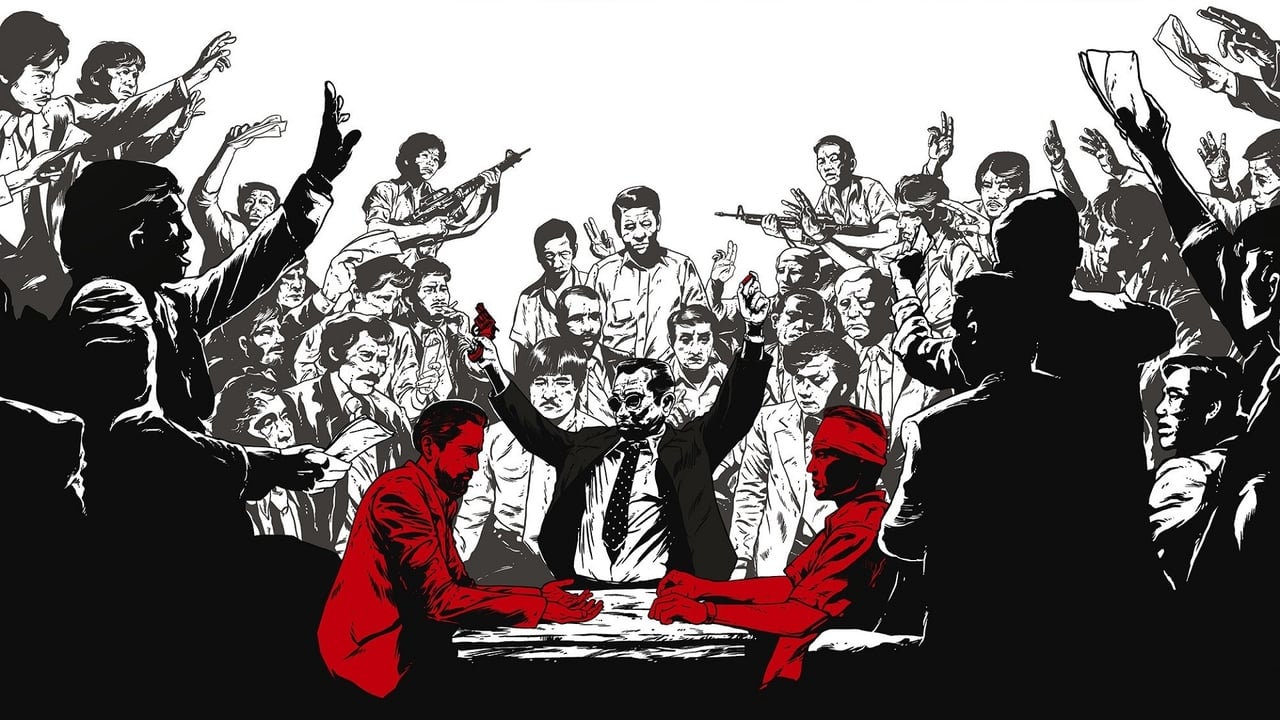
When the film shifts to Vietnam, the transition is a violent jolt. There’s no "boot camp" montage. One minute we’re in the misty Appalachian Mountains; the next, we’re in a literal hellscape. This is where the infamous Russian Roulette scenes come in.
Historically, there is no evidence that the Viet Cong used Russian Roulette as a form of torture, which led to massive protests and "historical inaccuracy" complaints at the time. But as a metaphor for the sheer, agonizing randomness of war, it’s unparalleled. The tension is unbearable. Cimino reportedly encouraged the Vietnamese actors to actually slap the leads to get genuine reactions. You can see the terror in John Savage’s eyes—that isn't acting; that’s a man who is genuinely losing his mind in a bamboo cage.
Robert De Niro is the anchor here, playing Michael with a terrifying, stoic intensity. He’s the "hunter" who believes in the "one shot" philosophy—a clean kill, a code of honor. But Vietnam doesn't care about his code. The war turns his "one shot" into a sick game of chance. It’s some of the most stressful filmmaking ever put to celluloid, and it earned Vilmos Zsigmond an Oscar nomination for cinematography that manages to make the jungle look both beautiful and like a pulsing, green grave.
The Two-Tape Trauma
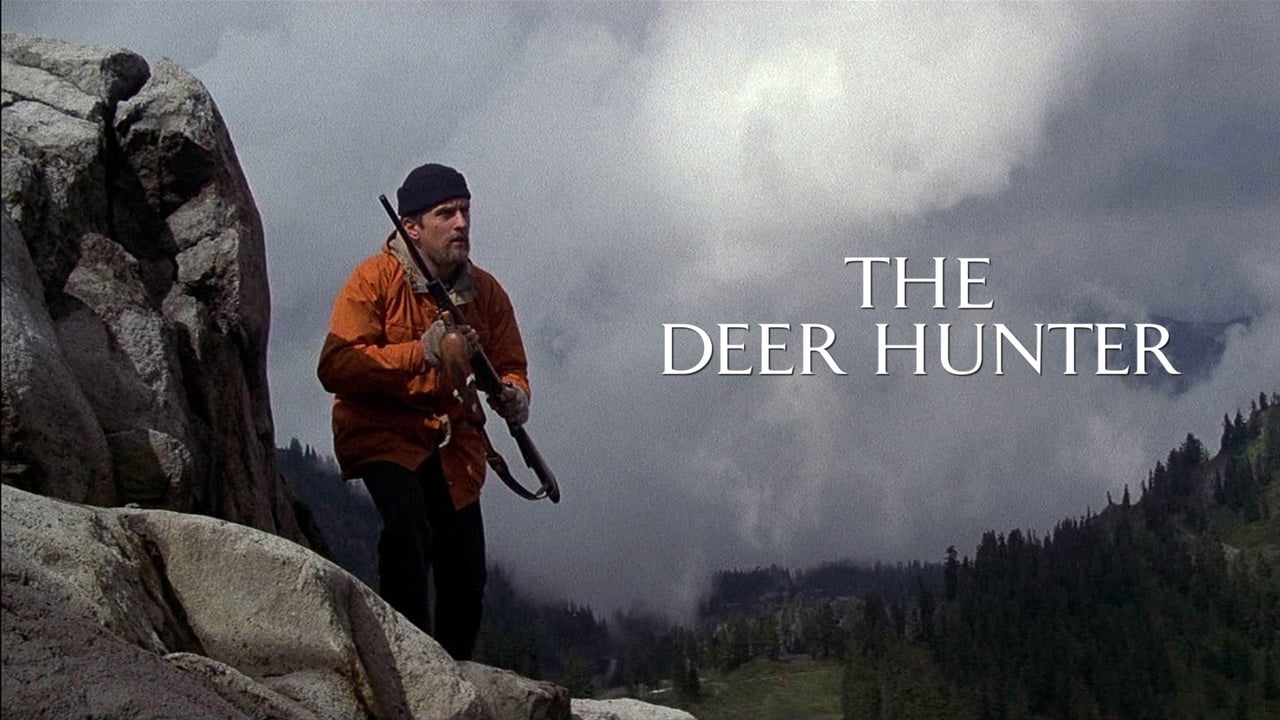
For those of us who discovered this during the home video era, The Deer Hunter was a logistical challenge. It was so long it required a double-VHS set. I remember the weight of that chunky plastic case—it felt like a tombstone. There was a specific ritual to the "mid-movie tape swap" that gave you five minutes to breathe, use the bathroom, and wonder if you really wanted to see how much worse things could get for Christopher Walken.
Walken, who won the Oscar for Best Supporting Actor, delivers a performance that shifts from a sweet, hollow-headed romantic to a hollow-eyed ghost. By the time the film reaches its final act in Saigon, he looks like a man who has already died but forgot to fall over. The "prestige" of this film isn't just in its five Oscar wins; it’s in its refusal to offer a traditional "war hero" narrative. There are no medals or stirring speeches at the end. Instead, we get a group of broken people sitting in a kitchen, trying to sing "God Bless America" through tears, and it’s one of the most uncomfortable, haunting endings in the history of the medium.
The Deer Hunter is a monumental achievement that captures the specific, cynical ache of the late 70s. It’s a film about the death of the American small-town dream, served with a side of trauma and steel-mill soot. It’s not an "easy" watch—it’s long, it’s punishing, and it will ruin your weekend. But if you want to understand why the 1970s is considered the golden age of the American auteur, you have to pull the trigger on this one. Just don't make any dinner plans afterward.
Keep Exploring...
-
Barry Lyndon
1975
-

Apocalypse Now
1979
-

Taxi Driver
1976
-
Full Metal Jacket
1987
-

Once Upon a Time in America
1984
-
The Godfather Part II
1974
-
A Bridge Too Far
1977
-
Sophie's Choice
1982
-
Dog Day Afternoon
1975
-
Das Boot
1981
-

Grave of the Fireflies
1988
-
Chinatown
1974
-
Raging Bull
1980
-
Blade Runner
1982
-
Scarface
1983
-
Spartacus
1960
-
The Longest Day
1962
-
Patton
1970
-
Mean Streets
1973
-

Platoon
1986