The Lord of the Rings
"Middle-earth as a psychedelic, rotoscoped fever dream."

Before Peter Jackson’s New Zealand vistas became the definitive visual shorthand for Middle-earth, there was a bearded animator named Ralph Bakshi trying to cram a literary mountain into a four-million-dollar molehill. Released in 1978, just as the Star Wars mania was proving that audiences were hungry for high-concept mythology, Bakshi’s The Lord of the Rings didn’t just walk into Mordor—it stumbled, tripped, and did a somersault through a kaleidoscope. It is a film that feels less like a polished blockbuster and more like a daring, ink-stained artifact rescued from the basement of a 1970s art commune.
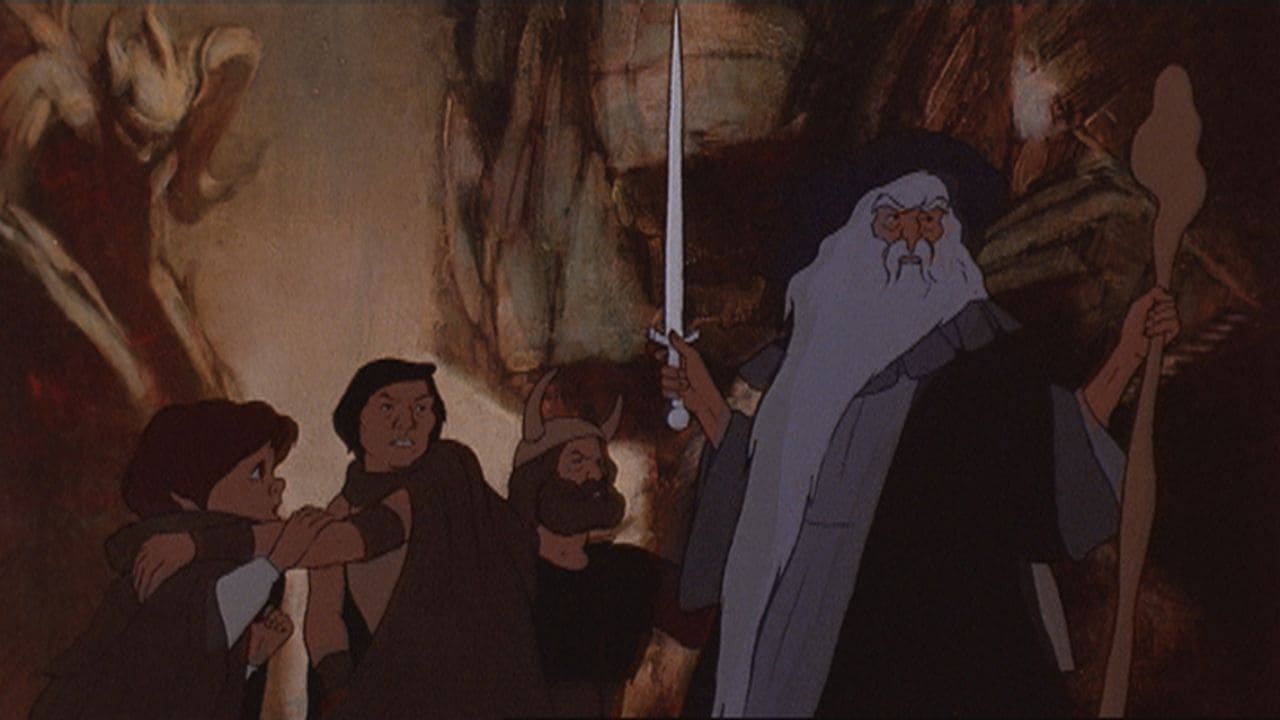
I recently revisited this on a grainy old monitor while snacking on some aggressively stale pretzels, and the sheer audacity of the production still hits like a mace to the helmet. It’s an "independent" film in spirit, even if it had studio backing, because it refuses to play by the rules of traditional Disney-style animation. Bakshi was coming off the counter-culture grit of Fritz the Cat and Wizards, and he brought that same "New Hollywood" defiance to Tolkien’s pipe-smoking hobbits.
The Rotoscoped Nightmare (Or Dream?)
The first thing that grabs you—and possibly refuses to let go—is the rotoscoping. For the uninitiated, this involved filming live actors in costume and then tracing over the frames to create animation. In the late 70s, this was a brilliant way to save money on complex battle scenes. In practice, it creates an eerie, uncanny valley effect where the Orcs look like shifting silhouettes of drunken nightmares.
There’s a specific sequence where the Nazgûl attack the hobbits’ room at the Prancing Pony, and I’ll be honest: these shadowy, stuttering wraiths are genuinely more unsettling than their CGI counterparts. They move with a weight and a jaggedness that feels "wrong" in a way that perfectly serves a horror-adjacent fantasy. However, the technique is inconsistent. Sometimes you’re looking at beautifully painted backgrounds that feel like a high-end watercolor gallery, and the next second, you’re watching what looks like a group of community theater actors wearing fuzzy pajamas and being filmed through a screen door. It’s jarring, weird, and I kind of love it for its refusal to be boring.
A Fellowship of Voices
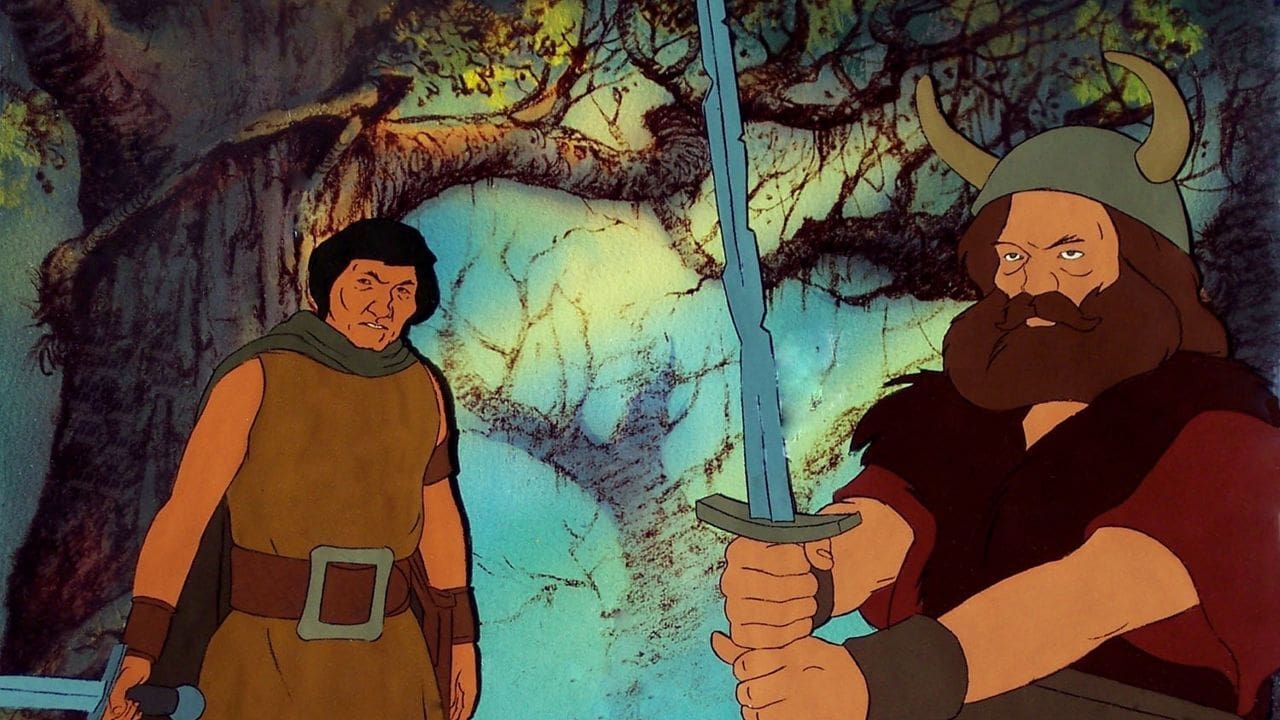
The casting is where the film finds its soul. Long before he was an Oscar-nominated legend, John Hurt provided the voice for Aragorn. He brings a weary, gravelly authority to the Ranger that feels lived-in and ancient. When he speaks, you believe this man hasn’t seen a bathtub in three years and has spent most of that time sleeping in ditches.
William Squire gives us a Gandalf that feels more like a frantic, slightly overwhelmed professor than a serene demigod, which adds a layer of tension to the journey. Meanwhile, Anthony Daniels (fresh off his turn as C-3PO) pops up as Legolas, sounding exactly like a refined elf who would probably find R2-D2 quite uncouth.
The screenplay, co-written by the legendary fantasy author Peter S. Beagle (The Last Unicorn), does a heroic job of condensing The Fellowship of the Ring and about half of The Two Towers into 132 minutes. The dialogue leans heavily on Tolkien’s original prose, which gives the whole affair a Shakespearian weight that balances out the more experimental visual choices.
The VHS Legacy and the Great "Part One" Betrayal

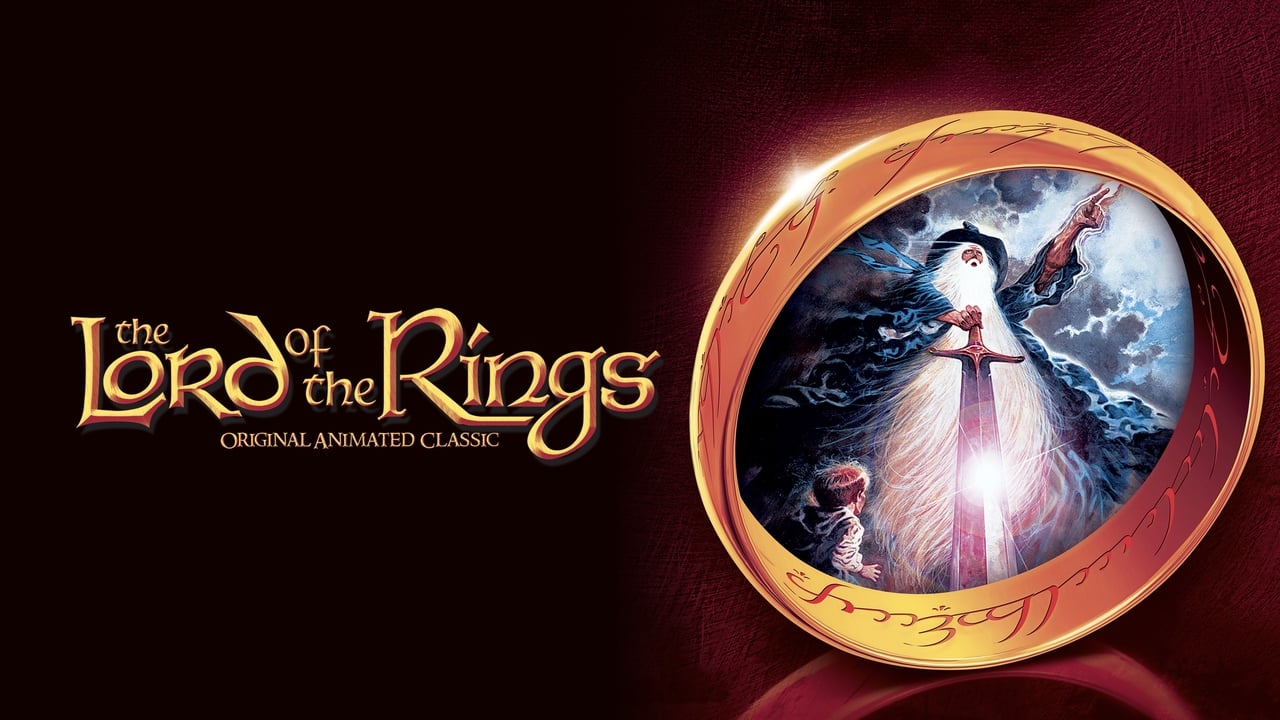
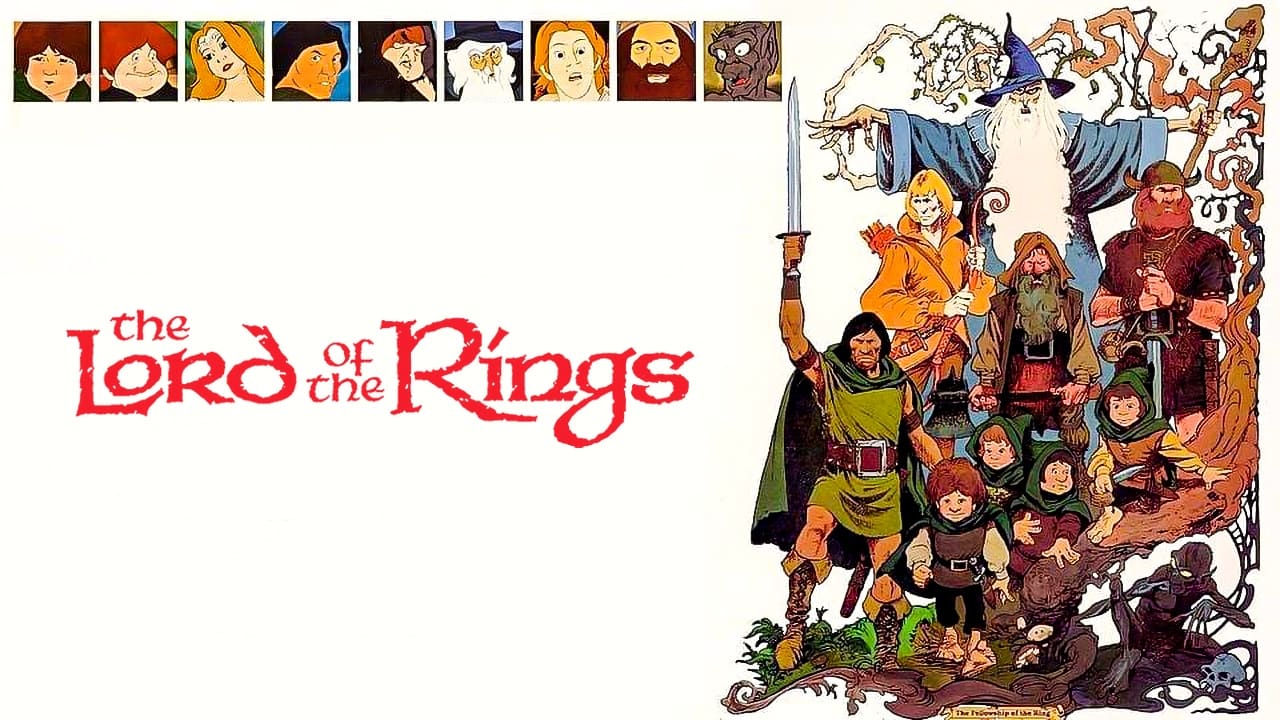
If you grew up in the 80s, you likely encountered this film as a thick, dual-tape set or a heavy clamshell VHS at the local rental shop. The box art usually promised a shimmering, epic adventure, but the movie itself was far moodier and stranger. It became a staple of "midnight movie" culture and basement screenings because it felt like a secret.
The biggest hurdle for any viewer, then or now, is the ending. United Artists made the disastrous decision to drop "Part One" from the title, leading audiences to believe they were getting the whole trilogy. Instead, the film stops dead after the Battle of Helm’s Deep. It’s the cinematic equivalent of a high-fructose sugar rush that ends with someone pulling the plug on your TV. Bakshi never got to finish his vision, leaving this film as a fascinating, half-carved totem of what could have been.
Turns out, the production was a logistical gauntlet. They filmed the live-action segments in Spain on a shoestring budget, with actors often wearing cardboard armor painted to look like metal. Ralph Bakshi was reportedly working 16-hour days, battling a studio that didn’t understand why an "adult" animator was making a movie about short people and jewelry. That friction is visible on the screen; it’s a movie that is constantly fighting its own limitations.
Ultimately, Bakshi’s The Lord of the Rings is a beautiful mess. It lacks the cohesive grandeur of the modern films, but it possesses a psychedelic, handmade charm that is entirely its own. It’s a testament to a time when "independent" spirit meant taking wild, structural risks and hoping the audience was high enough to follow along. If you can forgive the abrupt ending and the occasionally wonky animation, you’ll find a version of Middle-earth that feels like a fever dream you’d have after falling asleep in the "Classics" section of a library. It’s not perfect, but I’d take its weird, rotoscoped heart over a sterile, corporate blockbuster any day of the week.
Keep Exploring...
-
The Rescuers
1977
-
The Black Cauldron
1985
-

Bedknobs and Broomsticks
1971
-
The Time Machine
1960
-
The Secret of NIMH
1982
-
Excalibur
1981
-
Time Bandits
1981
-
Robin Hood
1973
-
King Kong
1976
-
The Twelve Tasks of Asterix
1976
-
The Fox and the Hound
1981
-
The Dark Crystal
1982
-
Nausicaä of the Valley of the Wind
1984
-
Castle in the Sky
1986
-

Westworld
1973
-
Mad Max
1979
-
The Blue Lagoon
1980
-
The Sword in the Stone
1963
-
The Aristocats
1970
-
Labyrinth
1986