Alien
"The silent vacuum where terror finds a home."
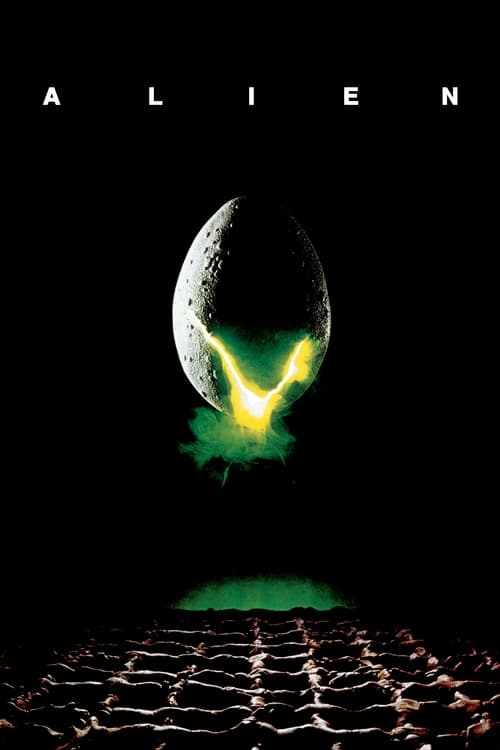
The first thing I always notice about the opening of Alien isn't the vastness of the stars, but the agonizingly slow crawl of the score. Jerry Goldsmith (who also composed the haunting sounds of The Omen) crafts a soundscape that feels less like music and more like the heavy, rhythmic breathing of a predator. By the time the title letters finally assemble themselves on the screen, a suffocating sense of isolation has already set in. I remember first watching this on a grainy VHS tape while sitting on a scratchy wool rug that smelled faintly of damp dog, and even through the tracking lines and the hum of the VCR, the dread was absolute.
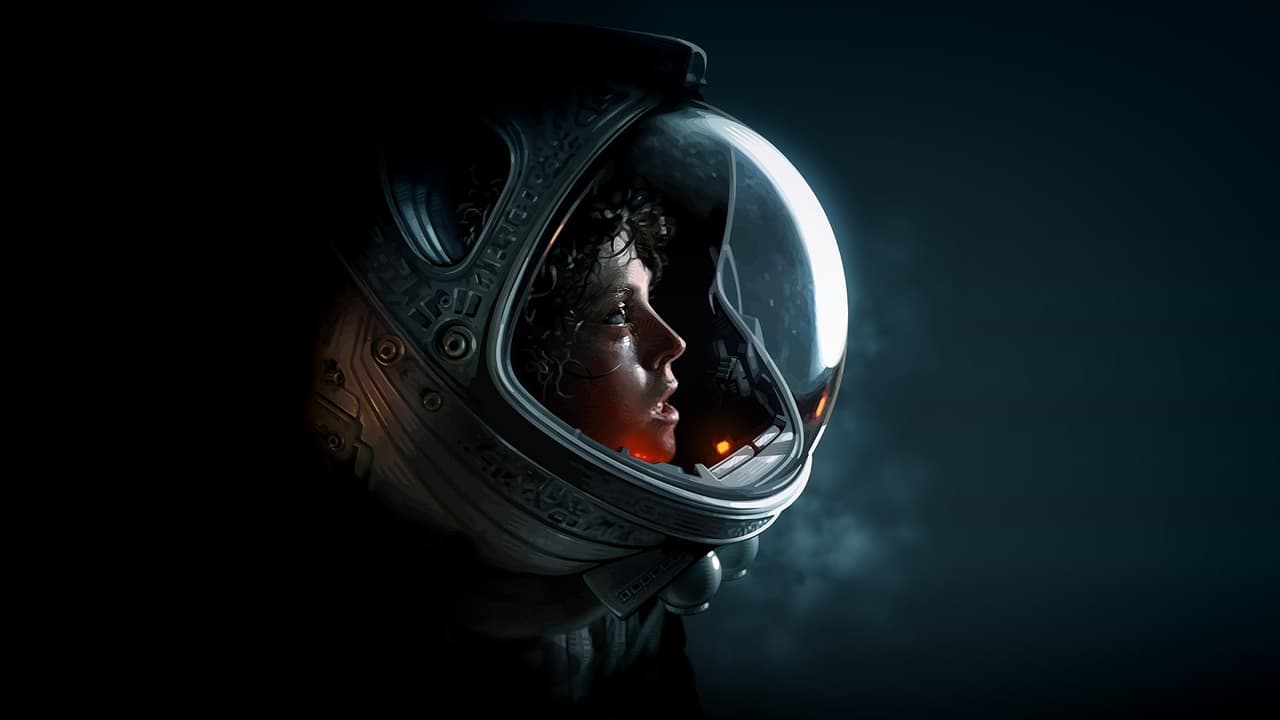
A Blue-Collar Nightmare
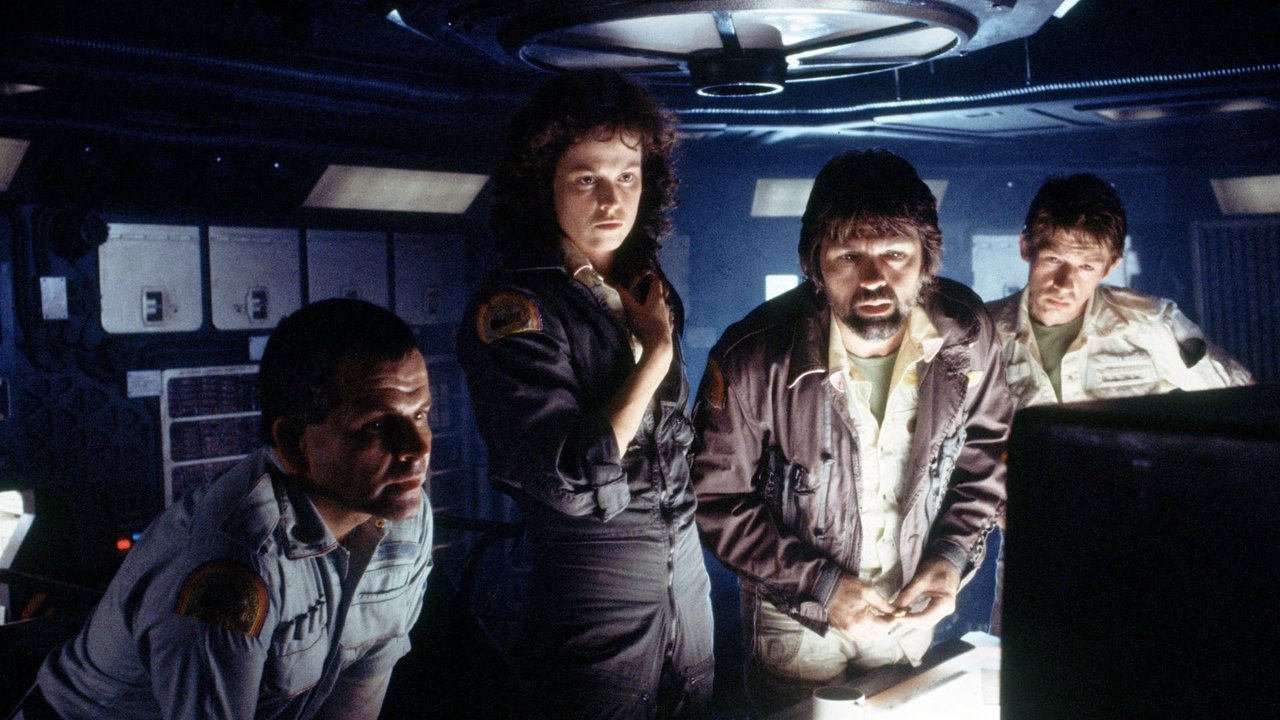
Unlike the shimmering, optimistic vistas of Star Wars or the sterile, philosophical odyssey of Kubrick’s 2001, the world Ridley Scott builds here is oily and exhausted. The crew of the Nostromo aren't explorers or heroes; they’re truckers in jumpsuits. I love how the film spends its first act establishing the mundane friction of workplace politics. Harry Dean Stanton and Yaphet Kotto spend half their time complaining about their shares and the "bonus situation," creating a grounded reality that makes the coming horror feel invasive and personal.
When they touch down on the derelict planet to investigate a distress signal, the film shifts from a workplace drama into a gothic nightmare. The production design—spearheaded by the legendary H.R. Giger—is genuinely disturbing. Giger’s "biomechanical" aesthetic, a fusion of bone, tube, and flesh, creates an environment that feels both ancient and obscene. The "used future" aesthetic is better than any shiny CGI utopia, because you can practically smell the stale air and the leaking hydraulic fluid.
The Birth of a Legend
The centerpiece of the film’s first half is, of course, the dinner scene. To keep the reactions authentic, Ridley Scott famously didn't tell the cast exactly how much fake blood would be involved. When the creature finally bursts from the chest of John Hurt, the shock on Veronica Cartwright’s face isn't just acting—she was actually sprayed with pressurized animal guts. It was a gamble that paid off, turning a practical effect into a cultural trauma that defined a generation.
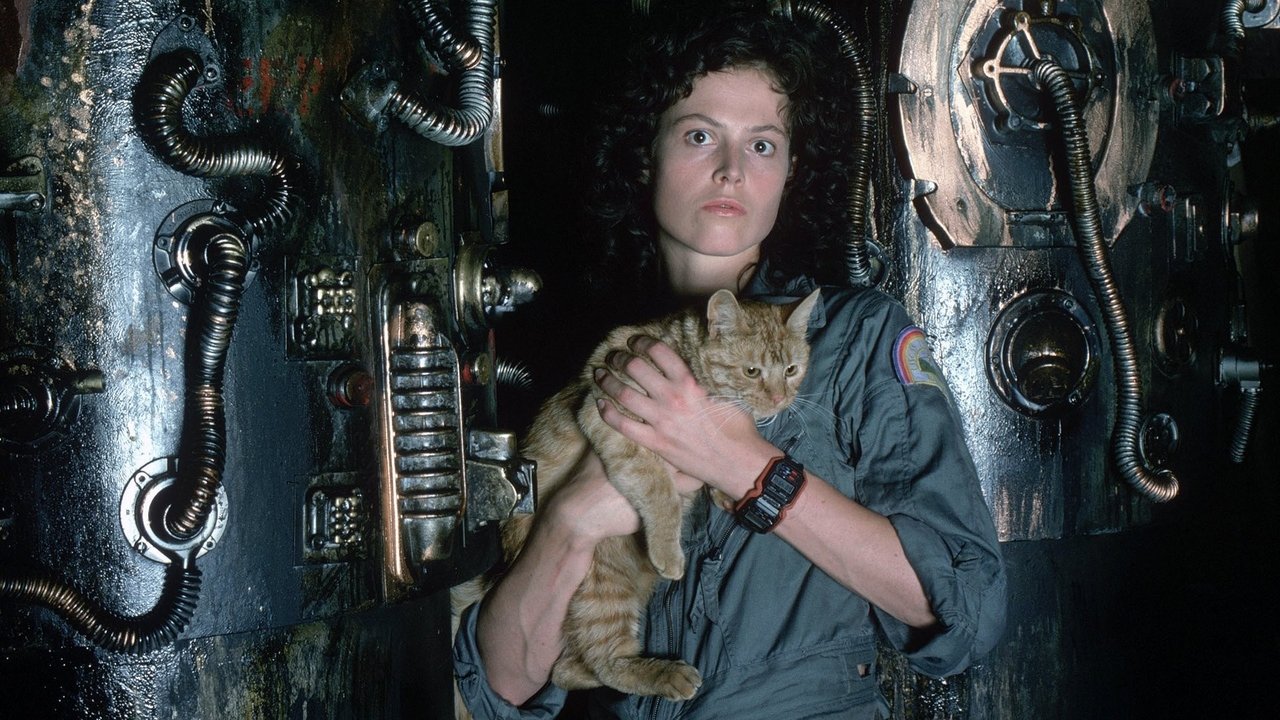
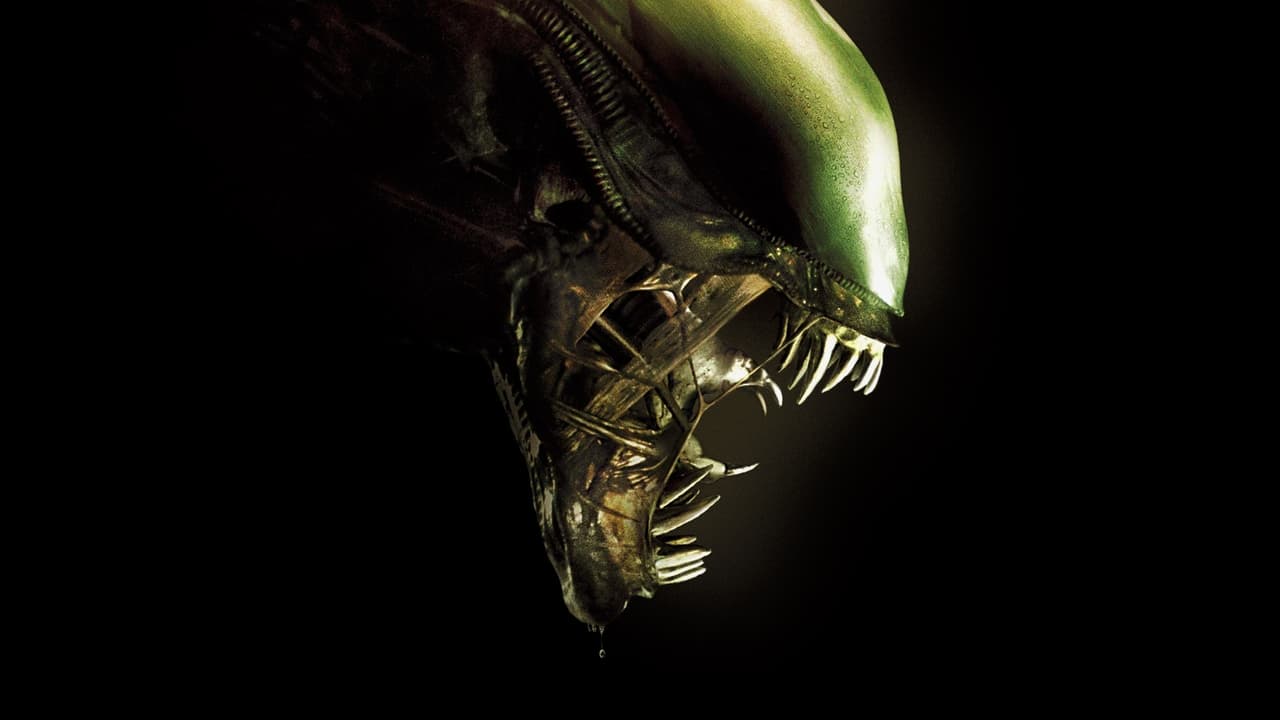
The creature itself, played by the seven-foot-two Bolaji Badejo, is rarely seen in full, and that is its greatest strength. Ridley Scott understands that the human imagination will always conjure something worse than what a rubber suit can provide. By keeping the "Xenomorph" in the shadows, draped in strobe lights or hidden behind hissing steam pipes, it remains an elemental force of nature rather than just a monster. It’s "the perfect organism," as Ian Holm’s treacherous Ash describes it with a chilling, detached admiration.
The Home Video Revolution
While Alien was a massive theatrical success—earning over $104 million on a modest $11 million budget—it found a second, perhaps more permanent life in the rental market. This was a "Big Box" staple of the early 1980s. The cover art, featuring that glowing green egg and the most famous tagline in cinema history—"In space no one can hear you scream"—became a rite of passage for kids browsing the horror section.
Watching it at home on a CRT television actually adds a layer of grime that suits the film. The deep blacks of the television screen swallow the edges of the Nostromo’s corridors, making the viewer feel as trapped as Sigourney Weaver. Speaking of Weaver, her performance as Ripley remains the gold standard for the "final girl" trope. She doesn't survive through luck; she survives because she’s the only one who actually follows protocol and keeps her head while everyone else is unraveling. She turned what was originally written as a male role into an icon of competence and resilience.
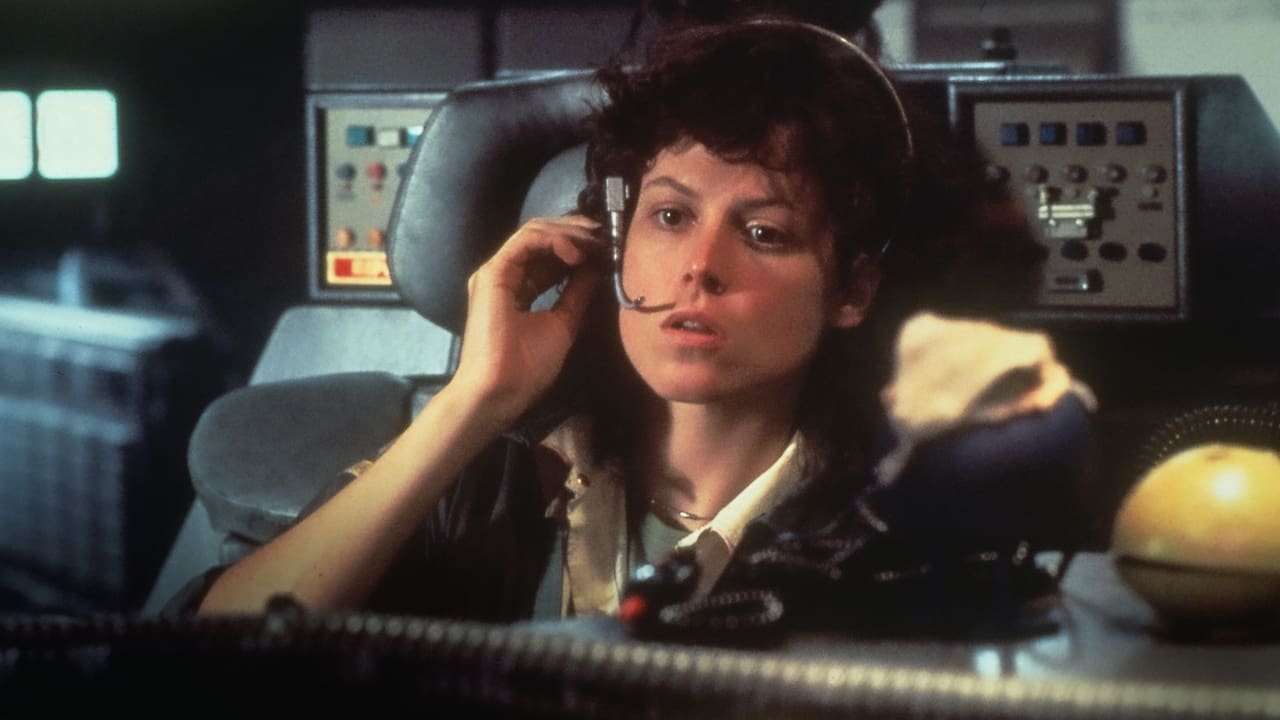
Practical Mastery
The technical achievement here is staggering when you realize there isn't a single pixel of CGI. The exterior of the Nostromo was a massive, highly detailed model, and the eerie blue light seen inside the alien egg chamber was actually borrowed from a laser show being set up by the rock band The Who in a neighboring soundstage. It’s that kind of low-budget ingenuity that gives the film its texture. The scale of the "Space Jockey"—the giant fossilized pilot the crew finds—was achieved by putting the director's own children in smaller spacesuits to make the set look twice as large.
Alien is a rare specimen: a blockbuster that refuses to compromise its bleak, intense vision. It captured the public imagination by tapping into our most primal fears of the dark and the unknown, then layered it with a cynical, late-70s distrust of corporate entities. The "Company" is just as much a monster as the creature, willing to sacrifice its employees for a "specimen." It’s a film that demands your full attention, rewarding you with a tension that never truly dissipates, even after the credits roll.
Forty-five years later, the film hasn't lost an ounce of its potency. It remains the definitive bridge between the artistic ambition of the 1970s and the high-concept spectacle of the 1980s. Whether you're watching it for the first time or the fiftieth, that final sequence in the escape shuttle still makes my heart hammer against my ribs. It’s a cold, calculated, and beautifully executed piece of cinema that proves that sometimes, the simplest stories—a monster in a dark room—are the ones that stay with us forever.
Keep Exploring...
-
Aliens
1986
-
Blade Runner
1982
-
The Rocky Horror Picture Show
1975
-

Invasion of the Body Snatchers
1978
-

The Thing
1982
-

Videodrome
1983
-
Alien³
1992
-
Jaws
1975
-
The Fly
1986
-
Dawn of the Dead
1978
-
The Exorcist
1973
-
The Dead Zone
1983
-
Alien Resurrection
1997
-
The Shining
1980
-

An American Werewolf in London
1981
-

Star Trek II: The Wrath of Khan
1982
-
The Terminator
1984
-

The Return of the Living Dead
1985
-
A Quiet Place
2018
-
Close Encounters of the Third Kind
1977