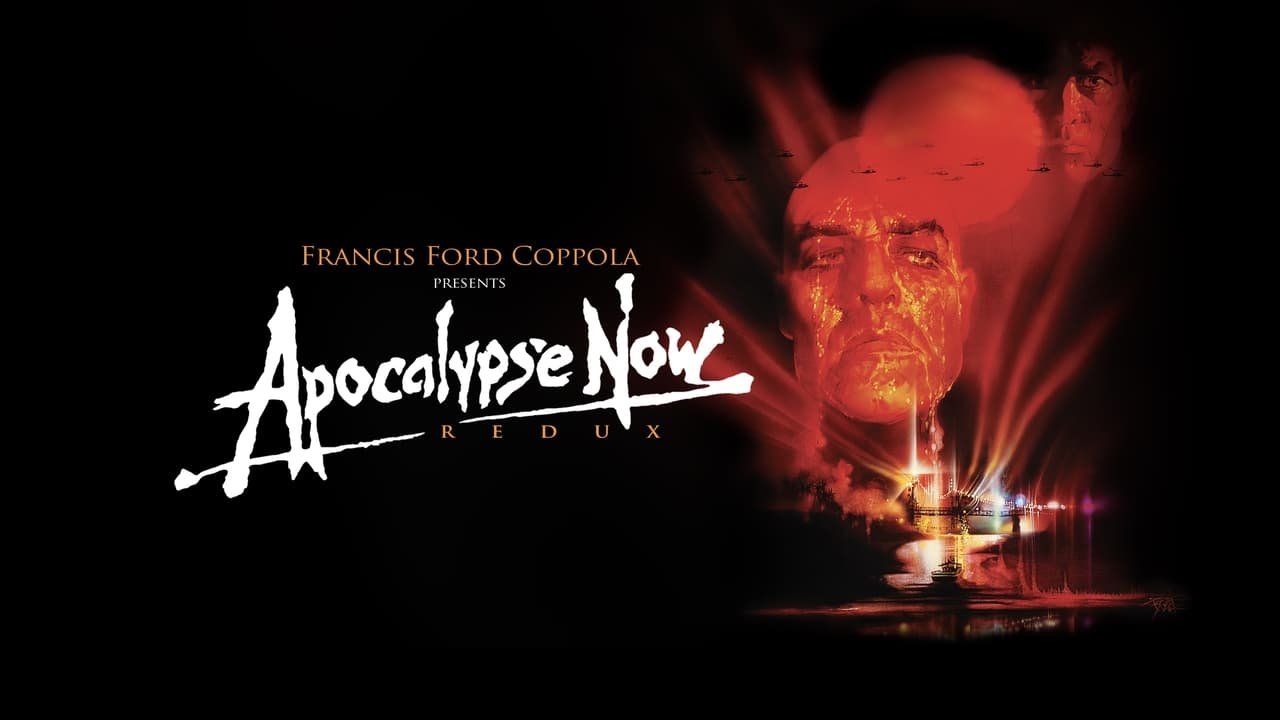
Apocalypse Now
"The jungle is waiting. God help you."
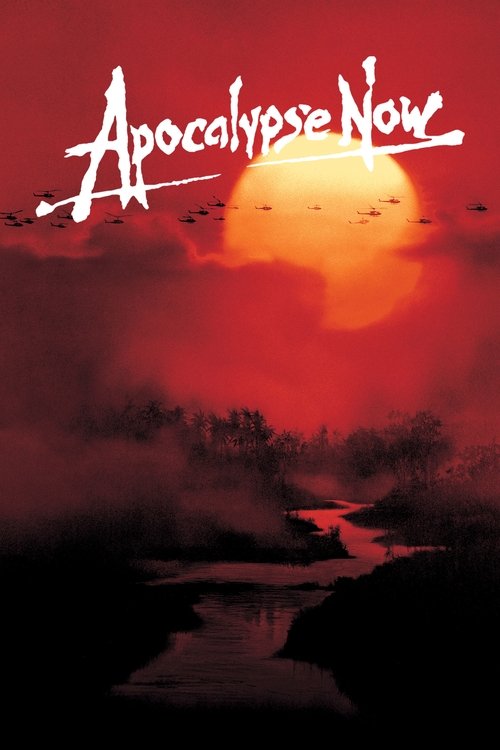
I was watching this again last night in my living room, and halfway through the first act, my overhead ceiling fan started making this rhythmic, metallic thwack-thwack-thwack sound. For a second, I didn't even think to fix it; I just assumed Francis Ford Coppola had somehow upgraded my sound system from beyond the grave to simulate a Huey helicopter. That’s the kind of movie Apocalypse Now is—it doesn't just sit on the screen; it colonizes your house and makes everything feel humid, dangerous, and slightly insane.
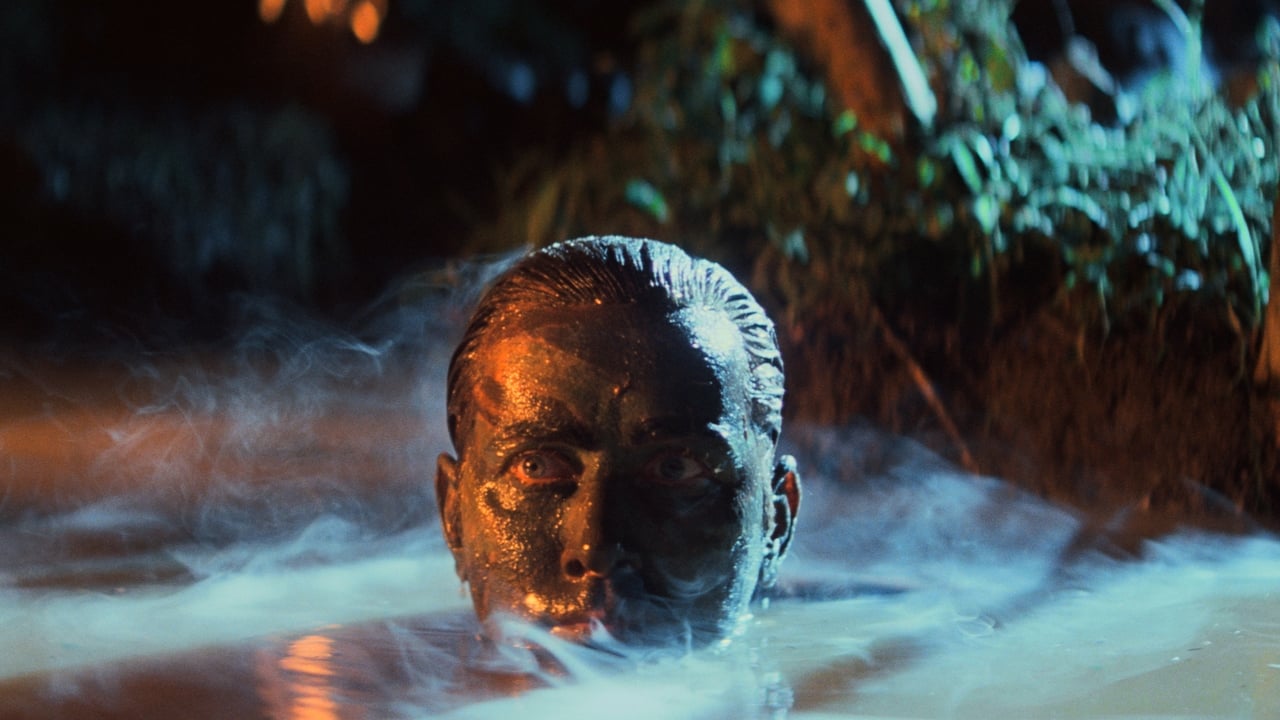
The Most Productive Disaster in History
If you want to talk about "Prestige," you have to talk about the fact that this movie almost didn't exist. It’s the ultimate "cursed" production. While modern blockbusters are made in air-conditioned suites with green screens, Coppola took a million-dollar budget (which ballooned to over $30 million), moved his entire life to the Philippines, and basically fought a private war against the jungle, the weather, and his own cast.
The trivia behind this film is the stuff of legend. Laurence Fishburne was only 14 years old when filming started—he lied about his age to get the part of Clean, and by the time they finished shooting years later, he was practically a grown man. Martin Sheen didn't just play a man having a breakdown; he actually suffered a near-fatal heart attack during production and had to crawl to a road to get help. Even the helicopters used in the film were borrowed from the Philippine military, and they’d occasionally have to leave mid-scene to go fight actual local insurgents. It’s a miracle anyone came back alive, let alone with a finished reel of film.
A River Trip into the Dark
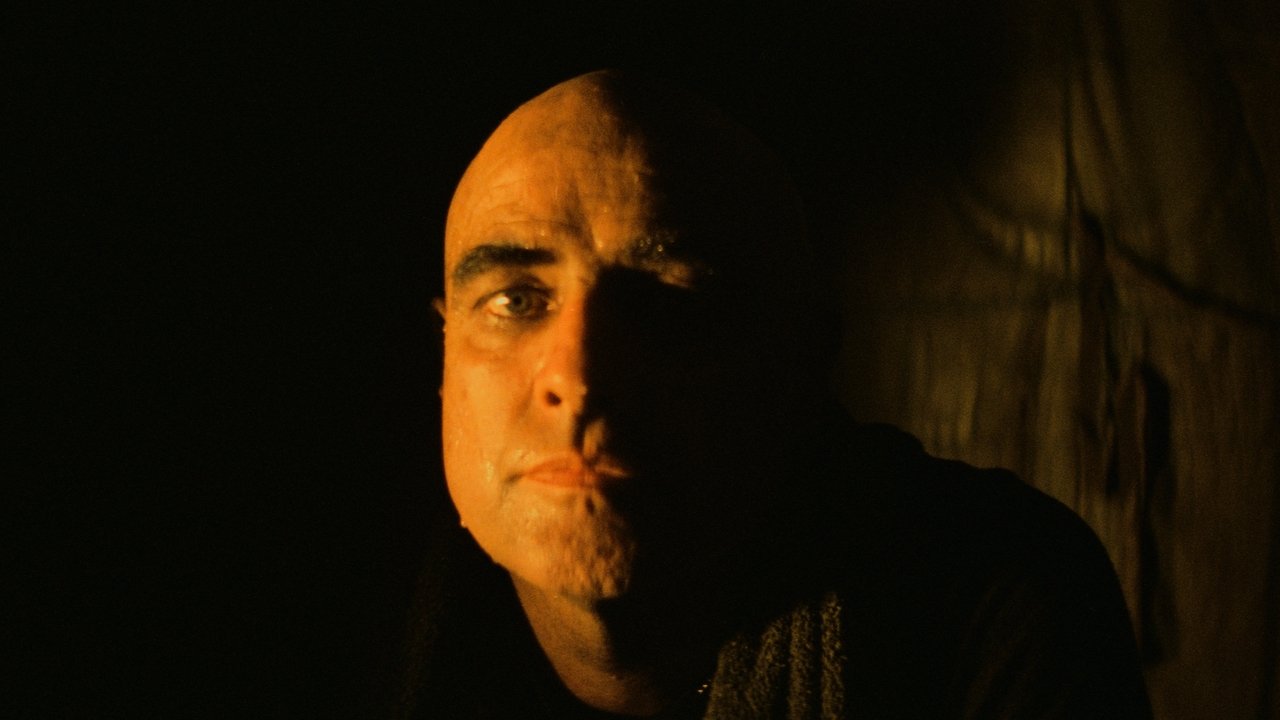
The story is a loose adaptation of Joseph Conrad’s Heart of Darkness, transposed to the Vietnam War, but calling it a "war movie" feels like calling Moby Dick a book about fishing. Martin Sheen plays Captain Willard, a man so broken by the war that he can’t stand the silence of a hotel room. He’s sent up-river to "terminate with extreme prejudice" Colonel Walter Kurtz, played by a heavily shadowed Marlon Brando.
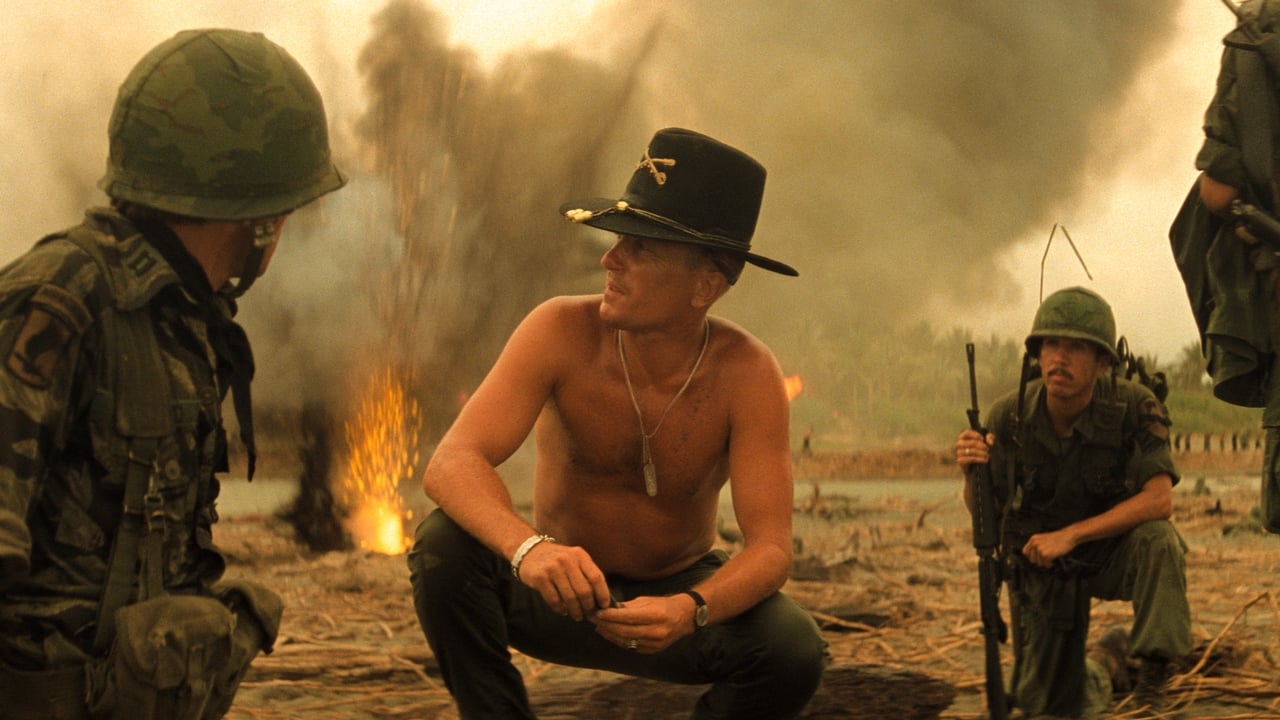
What makes the drama work is the pacing. It’s a slow-burn descent. As Willard’s boat moves further away from "civilization," the world gets weirder. You have the surfing-obsessed Colonel Kilgore, the psychedelic chaos of the Do Lung Bridge, and finally, the eerie, silent compound where Kurtz rules like a god. The chemistry between the crew—including a young, frantic Frederic Forrest as 'Chef' and Albert Hall as the stoic Chief—provides the human anchor that keeps the movie from drifting off into pure abstract philosophy. I’ll say it: the scenes of the crew just hanging out on the boat are more tension-filled than 90% of modern action movies.
The Art of the Impossible
Visually, this is arguably the peak of the New Hollywood era. Cinematographer Vittorio Storaro (who won an Oscar for this, naturally) uses light like a weapon. He captures the jungle in a way that makes it look beautiful and predatory at the same time. The way he hides Marlon Brando in the shadows wasn't just an artistic choice; it was a practical one because Brando arrived on set significantly overweight and hadn't read the script. Coppola and Storaro turned that "problem" into one of the most iconic reveals in cinema history.
The practical effects here are staggering. When you see a treeline erupt in napalm, that’s not a digital overlay; that’s real fire and real explosives. It creates a weight to the violence that you just don't feel in the CGI era. You can almost feel the heat radiating off the screen. Honestly, if you aren't watching this loud enough to annoy your neighbors, you aren't really watching it.
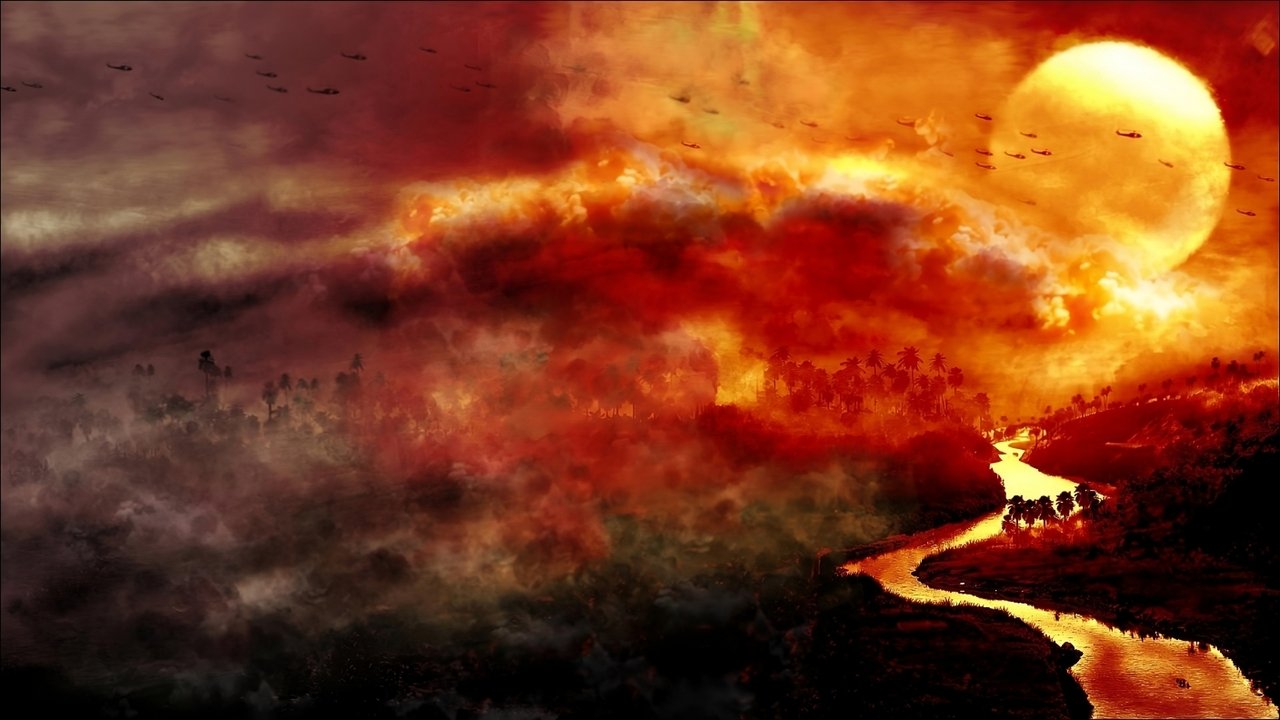
The Home Video Legacy
For those of us who grew up in the VHS era, Apocalypse Now was always the "big" one. I remember the double-tape sets because the movie was too long for a single T-120. There was something about the grainy, analog texture of a well-worn rental tape that actually suited the film’s grittiness. It felt like you were watching a bootleg transmission from the front lines.
Even today, it stands as a testament to what happens when a director is given total freedom and a massive budget to chase a singular, obsessive vision. It’s not an "easy" watch—it’s long, it’s heavy, and it refuses to give you a traditional heroic ending. But it’s a movie that demands to be experienced. It’s about the thin line between civilization and savagery, and it’s a trip that stays with you long after the credits roll and the "thwack-thwack-thwack" of the helicopters fades away.
This is the gold standard of the 1970s auteur movement. It’s a film that survived typhoons, heart attacks, and the madness of its own creator to become something immortal. It’s an essential piece of history that still feels as dangerous today as it did in 1979. Don't just watch it for the "Ride of the Valkyries" sequence; watch it for the quiet, terrifying moments in the dark.
Keep Exploring...
-
The Godfather Part II
1974
-
The Godfather
1972
-

The Conversation
1974
-
Full Metal Jacket
1987
-
Barry Lyndon
1975
-
The Deer Hunter
1978
-
Patton
1970
-
Sophie's Choice
1982
-
The Outsiders
1983
-
Das Boot
1981
-

Grave of the Fireflies
1988
-
Chinatown
1974
-
Blade Runner
1982
-
Scarface
1983
-

Once Upon a Time in America
1984
-
Spartacus
1960
-
The Longest Day
1962
-
Badlands
1974
-

Platoon
1986
-
Empire of the Sun
1987