Being There
"The world is a garden, and we’re all just watching."
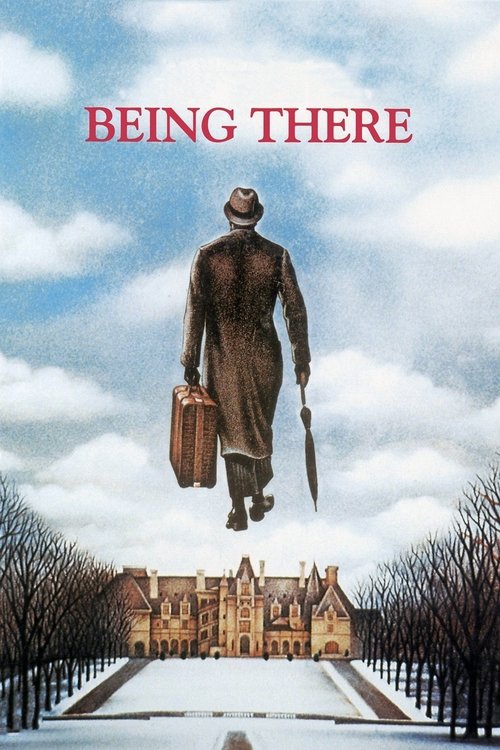
I first watched Being There on a grainy laptop screen while my cat was frantically trying to swat a housefly that had landed on the monitor. There was something accidentally perfect about it—my cat’s total, mindless absorption in a flickering screen mirrored the life of the film’s protagonist so closely it felt like a 4D experience. It’s a movie about the vacuum of celebrity, the emptiness of politics, and the strange power of simply "being," and forty-five years later, it’s still the sharpest thing in the shed.
The Man Who Only Liked to Watch
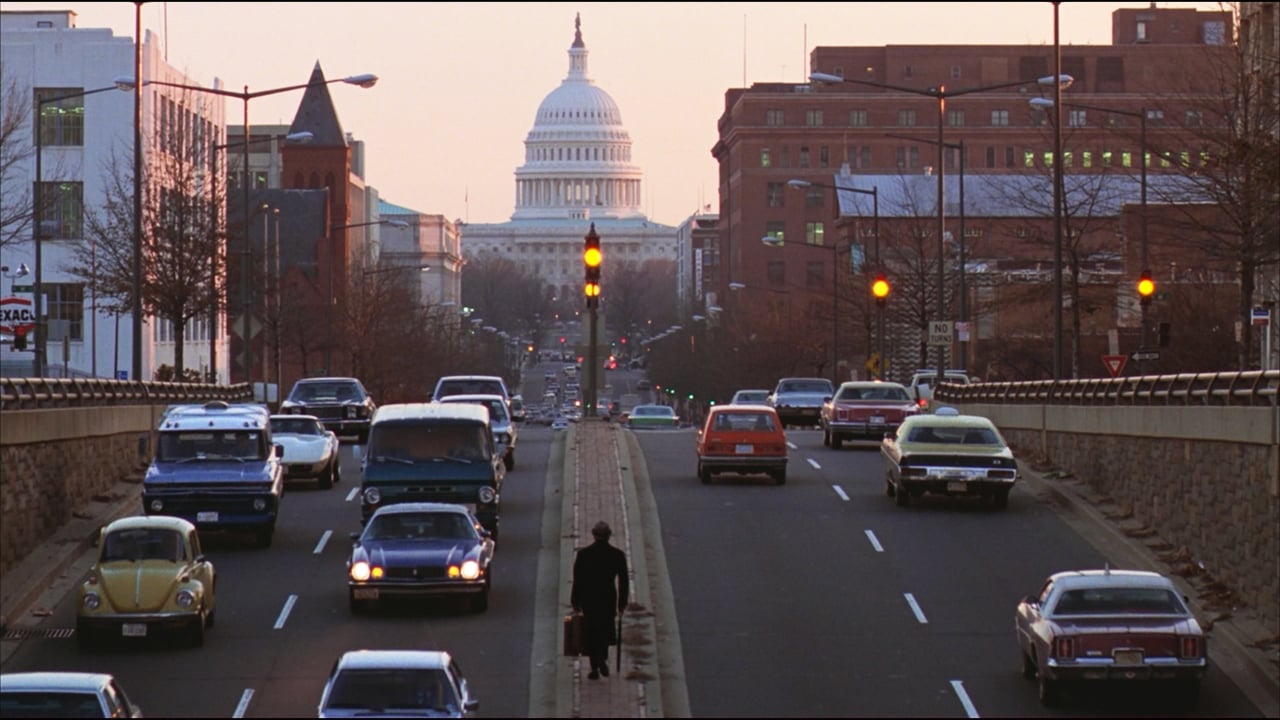
Peter Sellers spent nearly a decade trying to get this movie made, and you can feel that desperation in every frame. He plays Chance, a middle-aged gardener with the mental capacity of a polite child. He has lived his entire life inside a D.C. townhouse, tending to a private garden and learning everything he knows about human interaction from a television set. When his benefactor dies, Chance is tossed onto the cold, snowy streets of Washington with nothing but a remote control and a very expensive suit.
Most actors would play this for "simpleton" tropes—lots of blinking and stuttering. But Sellers does something far more daring: he does nothing. He is a blank slate. He doesn't act; he reflects. When he gets hit by a limousine belonging to Eve Rand (Shirley MacLaine), he doesn't panic. He just introduces himself as "Chance, the gardener," which the elite of D.C. immediately mishears as "Chauncey Gardiner."
From there, the film becomes a masterclass in projection. Because Chance is quiet and well-dressed, the wealthy and powerful assume his silence is "depth" and his simple gardening tips are "brilliant economic metaphors." It turns out that Washington’s elite are basically goldfish with expensive haircuts, desperate to find meaning in a man who is literally just thinking about what’s for lunch.
A Masterpiece of the "Slow Burn" Rental
While the late 70s were pivoting toward the high-octane spectacle of Star Wars, director Hal Ashby was doing the opposite. Being There is a quiet, deliberate film that found its real legs during the home video revolution. It’s the kind of movie that people would rent from a local shop, watch in a hushed living room, and then immediately rewind to see if they’d missed the joke.
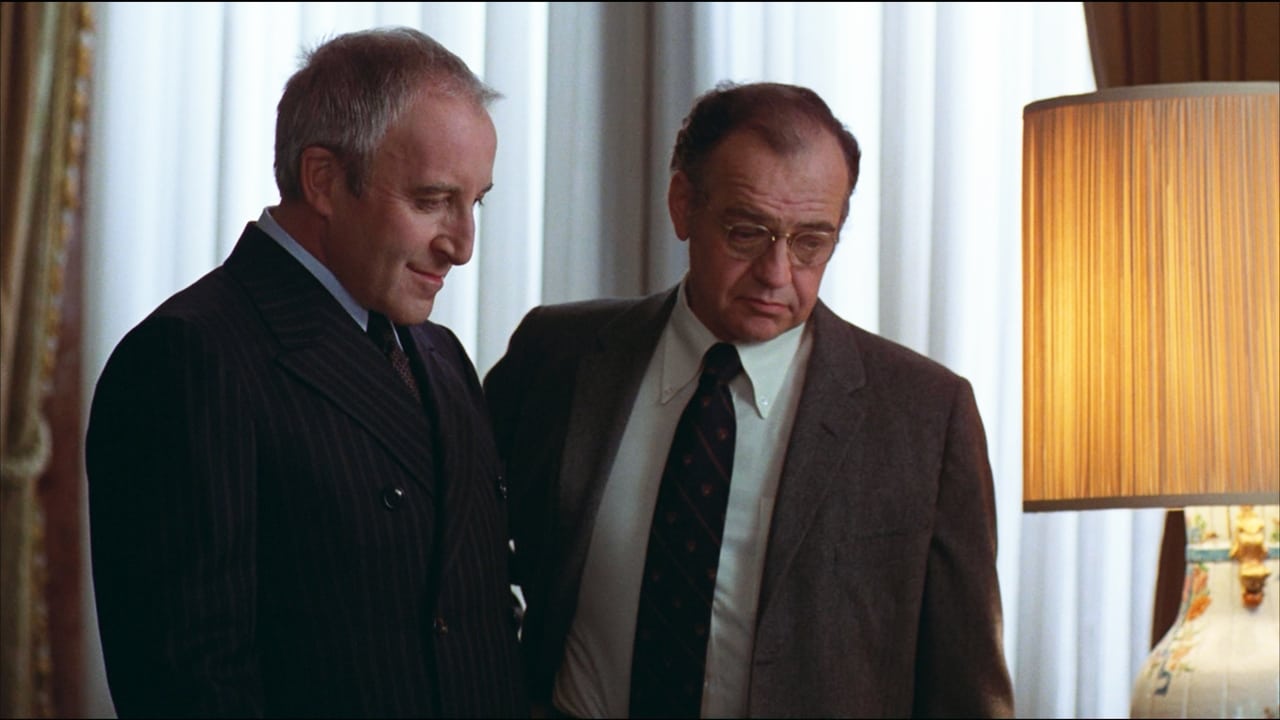
Actually, the joke is on us. We watch Melvyn Douglas (who won a well-deserved Oscar here) and Jack Warden as the President treat Chance like a prophet. The comedy isn't in punchlines; it’s in the agonizing pauses. There’s a scene where Shirley MacLaine tries to seduce Chance while he’s distracted by a yoga program on TV, and it’s the most uncomfortable five minutes of "will-they-won’t-they" in cinema history.
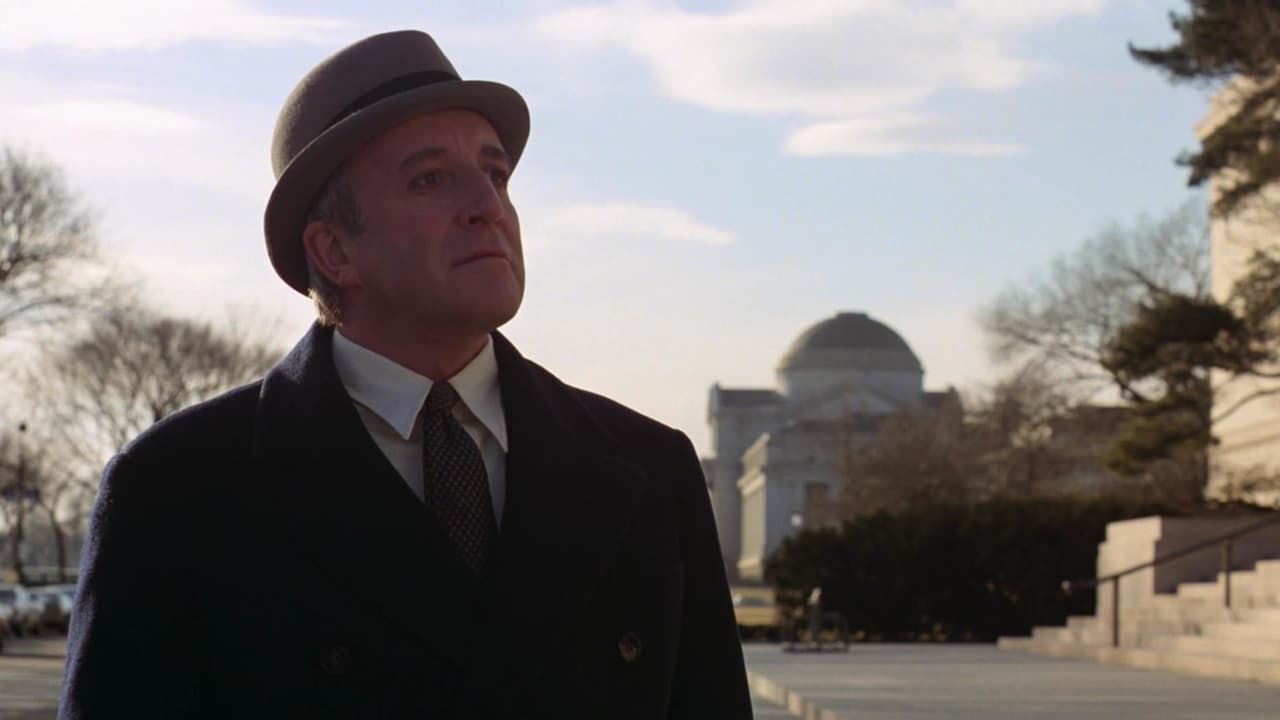
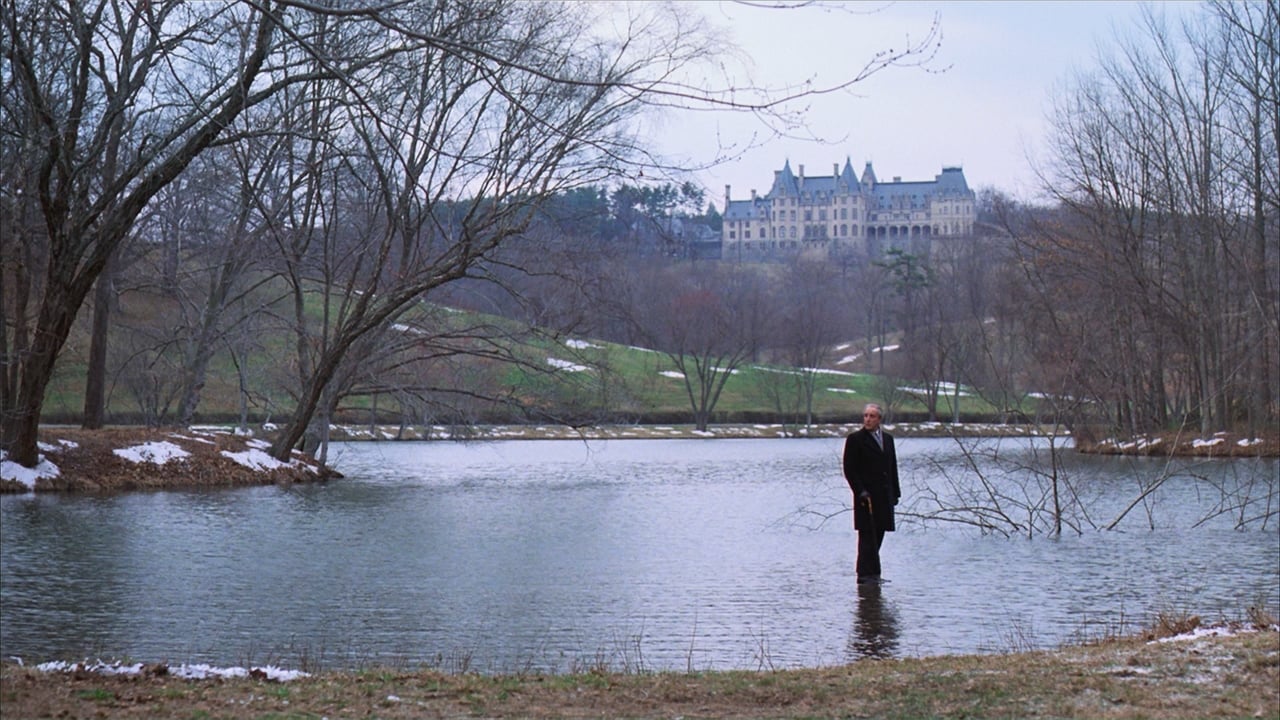
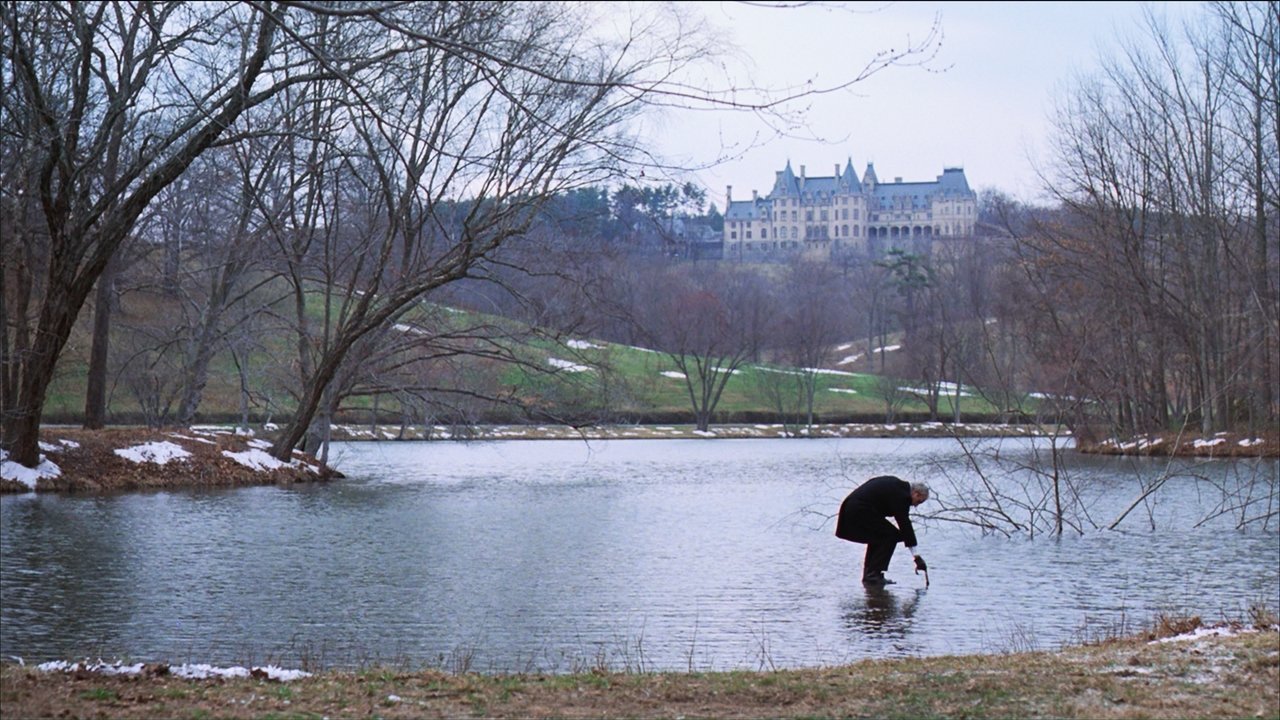
Behind the scenes, the production was famously meticulous. Caleb Deschanel’s cinematography gives D.C. a cold, wintry elegance that makes Chance’s tan overcoat pop like a beacon of weirdness. And speaking of weirdness, the film’s ending is one of the most debated "What did I just see?" moments ever captured on celluloid. Without spoiling it, I’ll just say that it involved a submerged platform built just below the surface of a lake, allowing Sellers to perform a feat that defies logic. It was a practical effect that felt like a miracle, cementing the film's status as a philosophical puzzle.
The Original Influencer
There is a terrifying prescience to this movie. We live in an era where people become famous for being famous, where "vibes" matter more than policy, and where a well-tailored suit can mask a complete lack of substance. Chance is the ultimate influencer: he has no original thoughts, he only repeats what he’s seen on a screen, and everyone loves him for it.
Peter Sellers famously hated the blooper reel that plays over the end credits—it shows him cracking up while trying to deliver a line—because he felt it "broke the spell" of Chance’s character. I tend to agree. The film is so immersive and so strangely spiritual that seeing the mask slip feels like a betrayal. But perhaps that was Ashby’s final point: in a world of artifice, even the "truth" is just another take.
If you’ve never seen Being There, or if you only know Sellers from his slapstick work in The Pink Panther, you owe it to yourself to find this one. It’s a movie that doesn’t shout to get your attention; it just stands there, perfectly still, until you realize it’s the most interesting thing in the room.
Being There is a haunting, hilarious, and deeply weird swan song for one of comedy’s greatest legends. It’s a film that manages to be both a biting political satire and a gentle Zen koan at the same time. Whether you see it as a tragedy about a man lost in the world or a comedy about a world lost in a man, you won't be able to stop thinking about it. Just make sure you turn off your own TV once the credits roll—otherwise, you might start thinking you're the next President.
Keep Exploring...
-
Harold and Maude
1971
-
La Dolce Vita
1960
-
Amarcord
1973
-
Annie Hall
1977
-
Manhattan
1979
-
The Apartment
1960
-

Risky Business
1983
-
Breakfast at Tiffany's
1961
-
The Party
1980
-

The Breakfast Club
1985
-
M*A*S*H
1970
-
Fantozzi: White Collar Blues
1975
-
Pink Floyd: The Wall
1982
-
Nothing Left to Do But Cry
1984
-
Cocoon
1985
-

An American Tail
1986
-
Hannah and Her Sisters
1986
-

Scrooged
1988
-

All Dogs Go to Heaven
1989
-
Crimes and Misdemeanors
1989