Caligula
"High art, low morals, and zero restraint."
I once spent an entire Saturday afternoon watching Caligula on a laptop with a flickering, half-broken screen while nursing a lukewarm ginger ale. Honestly? The digital glitches and the nausea from my stomach flu actually improved the experience. It felt like the movie was finally being presented in its intended format: a fractured, sickly fever dream that refuses to let you look away, no matter how much you might want to.
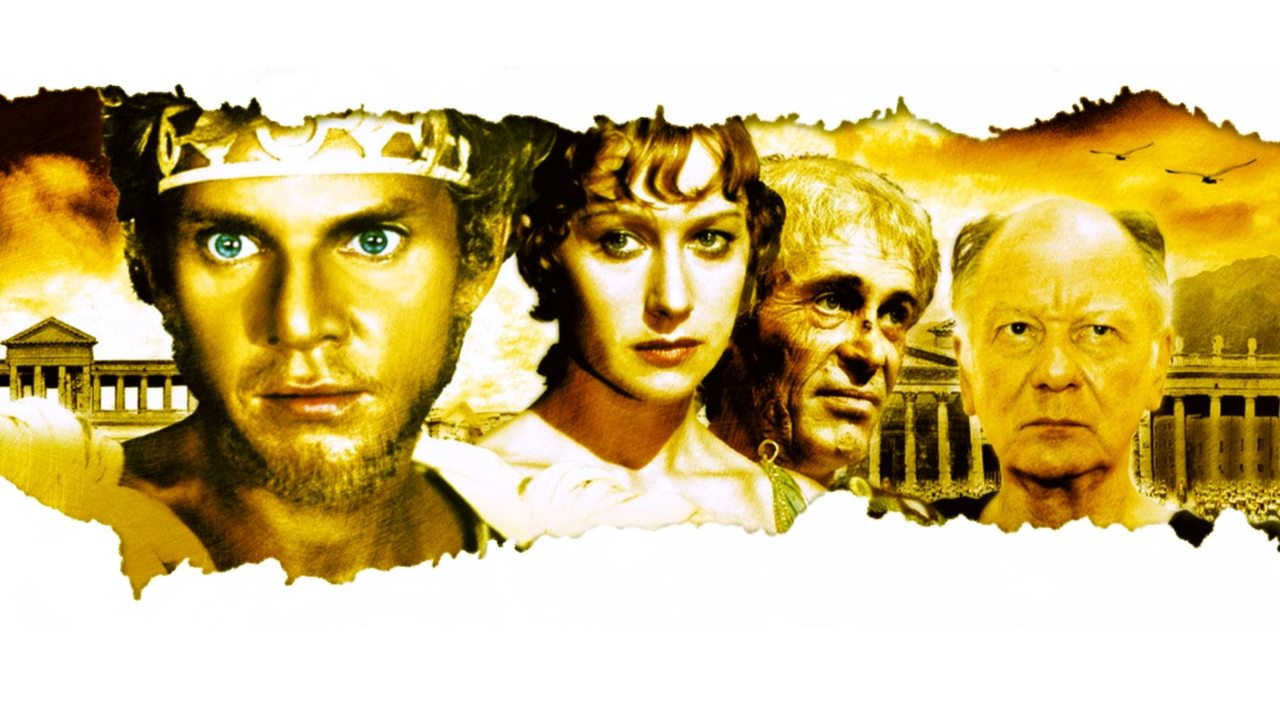
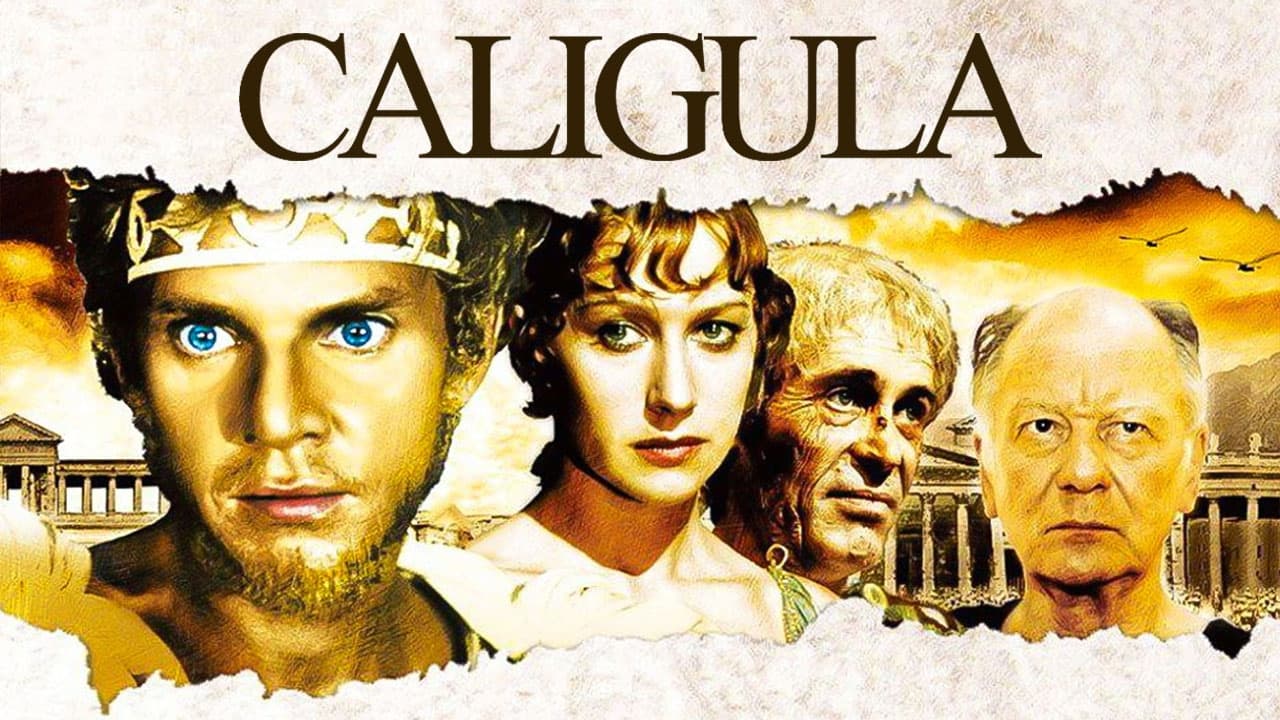
Caligula is the ultimate "forbidden fruit" of the 1970s. It is a film that sits at the bizarre crossroads of a New Hollywood Shakespearean epic and a high-budget adult film, largely because that’s exactly what it was. Produced by Bob Guccione, the founder of Penthouse, and directed (mostly) by the legendary Italian provocateur Tinto Brass, the movie is a legendary disaster that somehow boasts one of the most overqualified casts in the history of cinema. It is a mess, a marvel, and a genuine historical curiosity that shouldn't exist, yet here it is, dripping in gold and gore.
The VHS Shelf of Shame
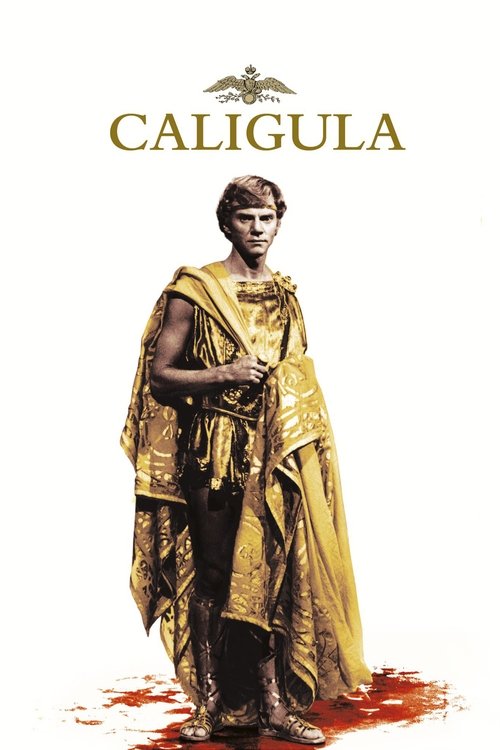
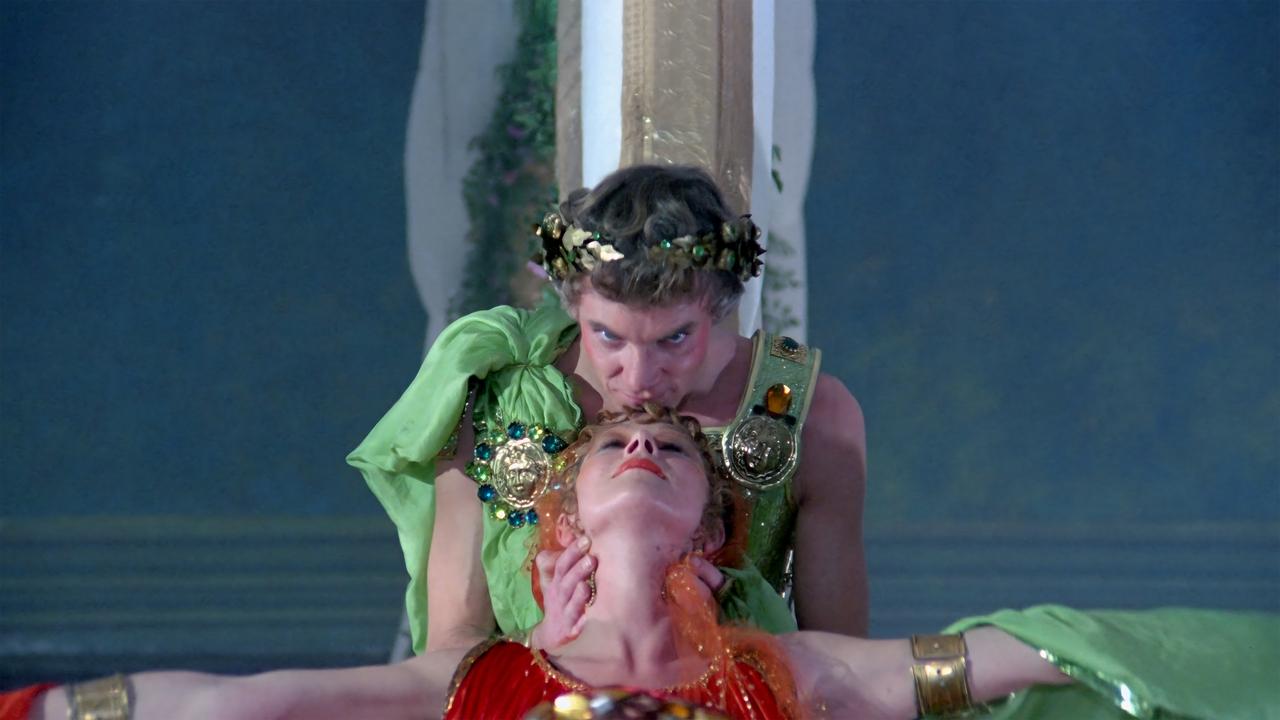
For those of us who grew up prowling the aisles of local video stores in the 80s and 90s, Caligula held a mythic status. It was the tape that usually lived behind the counter or in a specific "Unrated" section that felt like it was guarded by a troll. The box art, usually featuring Malcolm McDowell in his shimmering gold laurel wreath looking absolutely unhinged, promised a historical spectacle that Ben-Hur wouldn't dare touch.
Renting it felt like a rite of passage, or at the very least, a daring heist. The home video revolution was the only reason this film survived its own notoriety. While critics in 1979 were busy clutching their pearls and burning their press passes, the VHS era turned Caligula into a cult staple. It was the movie you watched at a sleepover when someone’s parents went out of town, primarily because the film plays like a $17 million dare. You didn't watch it for a history lesson; you watched it because you couldn't believe Helen Mirren and Peter O'Toole were actually in it.
Shakespearian Actors in a Funhouse
The weirdest part about Caligula is that, buried beneath the gratuitous nudity and the "Human Lawn Mower" (a practical effect that is as ridiculous as it sounds), there are some genuinely staggering performances. Malcolm McDowell, fresh off his success in A Clockwork Orange, plays the titular emperor with an intensity that suggests he was fueled entirely by cocaine and a deep desire to never be invited to a garden party again. He is magnetic, terrifying, and pathetic all at once.
Then you have Peter O'Toole (Lawrence of Arabia) as the aging, leprous Tiberius. O’Toole plays the role with a grotesque relish, looking like a man who has seen too much and decided that the only response to life is a permanent sneer. Seeing him share scenes with a young, remarkably dignified Helen Mirren (playing Caesonia) is a form of cinematic whiplash. Mirren, who would later win an Oscar for The Queen, brings a surprising amount of soul to a movie that is otherwise heartless.
The chemistry between these heavyweights is palpable, but it’s always interrupted by the film’s split personality. One minute you’re watching a dense, politically charged script by Gore Vidal (who eventually took his name off the project), and the next, the screen is filled with Bob Guccione’s "hardcore" inserts that Tinto Brass didn't even film. It’s like watching I, Claudius but someone keeps changing the channel to a late-night cable adult movie every five minutes.
A Masterclass in Practical Excess
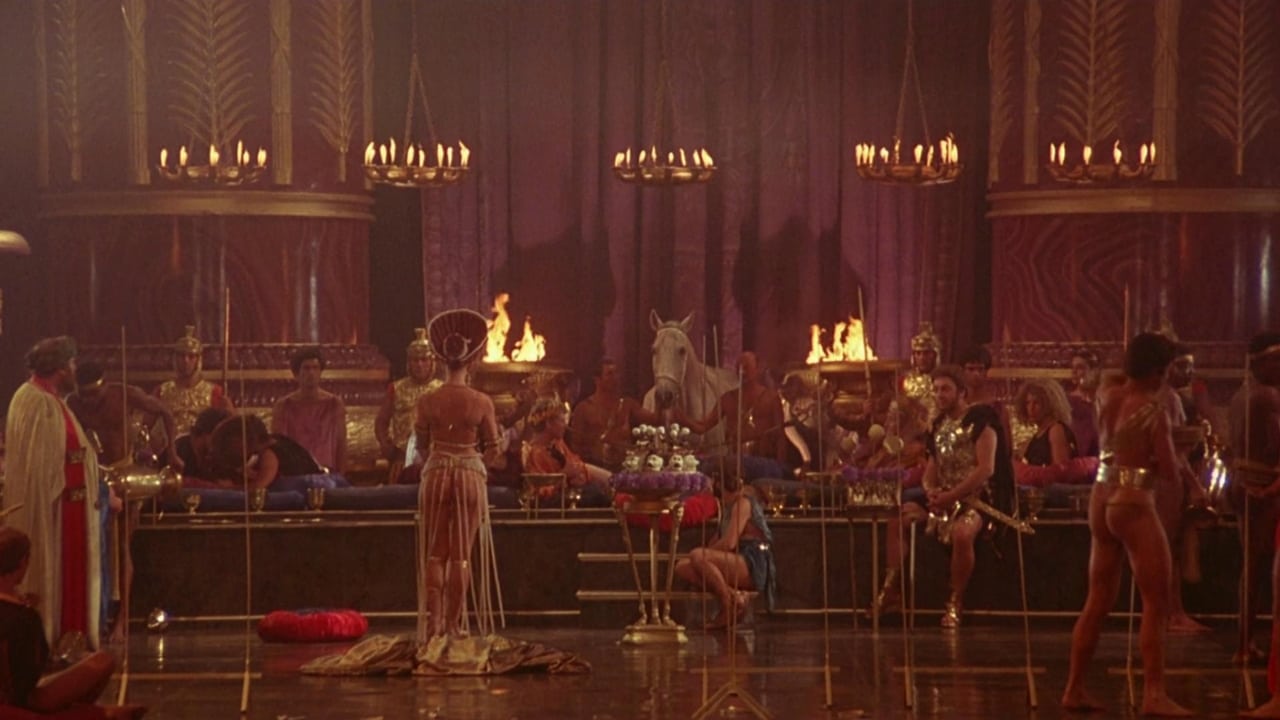
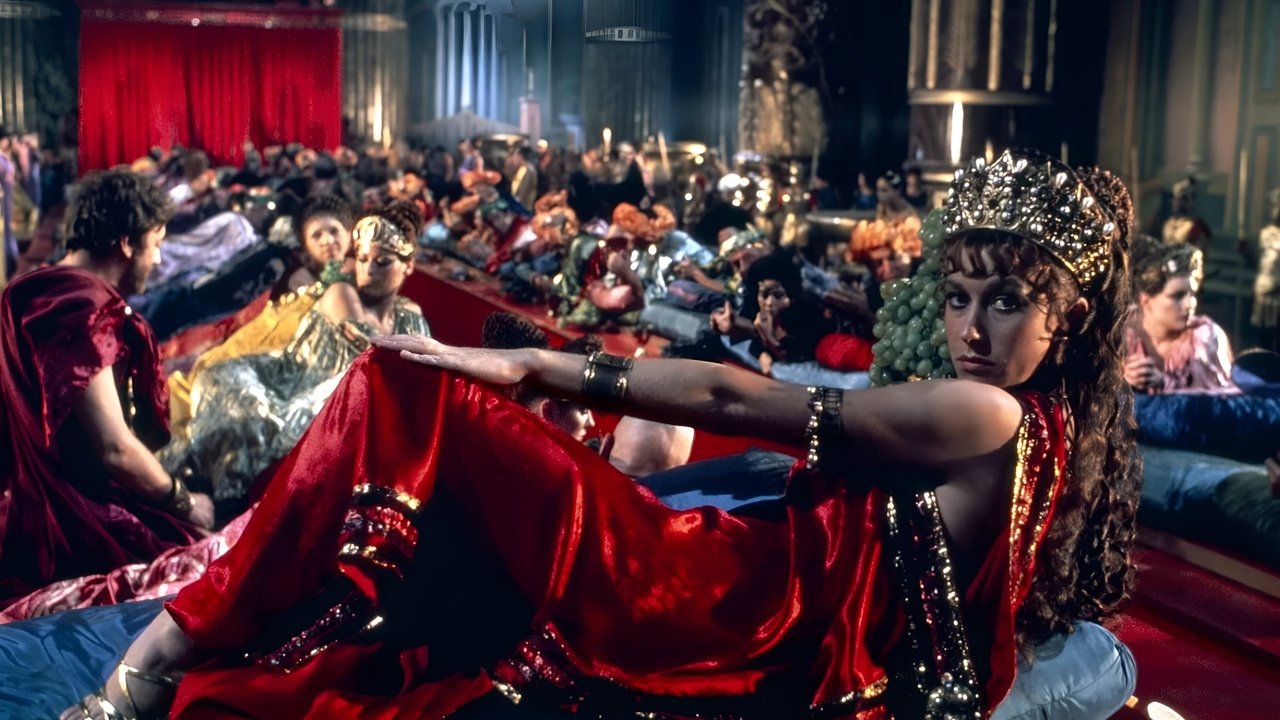
If there is one reason to seek out Caligula today, it’s the sheer, unadulterated scale of the production. This was the peak of the practical effects golden age, and despite the film's questionable taste, the craft on display is undeniable. The sets, designed by Danilo Donati (a frequent collaborator of Federico Fellini), are massive, opulent, and genuinely breathtaking. They didn't have CGI to fill in the gaps; those are real, towering marble halls and gold-leafed corridors.
The costumes are equally insane—an explosion of silk, feathers, and Roman excess that makes most modern historical dramas look like they were filmed in a parking lot. The "Human Lawn Mower" scene, featuring a giant rotating blade designed to decapitate prisoners buried in the sand, is a triumph of practical engineering, even if it’s the most tasteless thing ever captured on 35mm film. It’s that tension between high-art craftsmanship and low-brow exploitation that makes the movie so fascinatingly ugly.
Ultimately, Caligula is a fascinating failure. It’s too well-acted to be dismissed as mere smut, yet too chaotic and self-indulgent to be called a good movie. It exists in its own weird pocket of film history, a relic of an era when a pornographer could hire the best actors in the world and build a Roman Empire in an Italian studio just to see if he could. I can't say it's "good," but I can say I've never forgotten a single frame of it. If you have an afternoon to kill and a high tolerance for the absurd, it’s a journey worth taking—just maybe skip the cold pizza.
Keep Exploring...
-

Chariots of Fire
1981
-
The Last Emperor
1987
-
Nine 1/2 Weeks
1986
-
Over the Top
1987
-
Lock Up
1989
-
The Karate Kid Part III
1989
-
A Bridge Too Far
1977
-

The Right Stuff
1983
-
Escape to Victory
1981
-

Flashdance
1983
-

Risky Business
1983
-
Nineteen Eighty-Four
1984
-
Red Dawn
1984
-
Starman
1984
-

1492: Conquest of Paradise
1992
-
The 33
2015
-
Risen
2016
-
All Eyez on Me
2017
-
Victoria & Abdul
2017
-
The Current War
2018