Life of Brian
"The most expensive cinema ticket George Harrison ever bought."
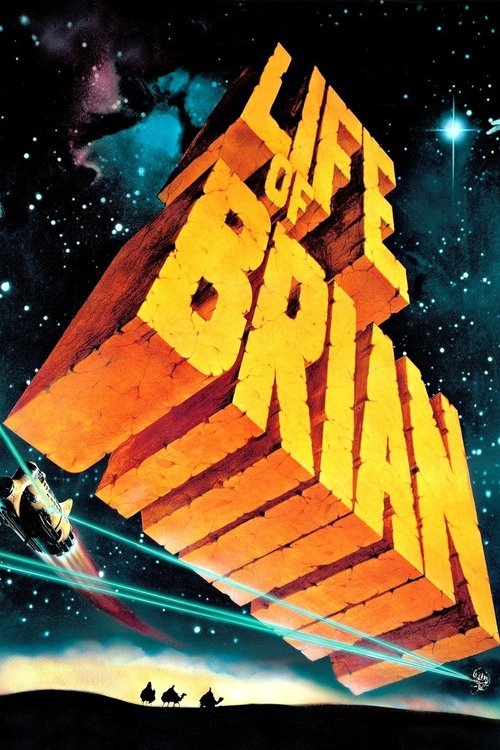
I remember finding my uncle’s VHS copy of Life of Brian tucked behind a stack of National Geographics. It had a crinkled, slightly sun-bleached cover and a sticker that proudly boasted it had been "Banned in Norway!" For a kid in the suburbs, that was more alluring than any blockbuster trailer. I popped it into the top-loader, sat through the tracking lines, and realized within twenty minutes that I wasn't just watching a "naughty" movie—I was watching a masterpiece of institutional deconstruction.
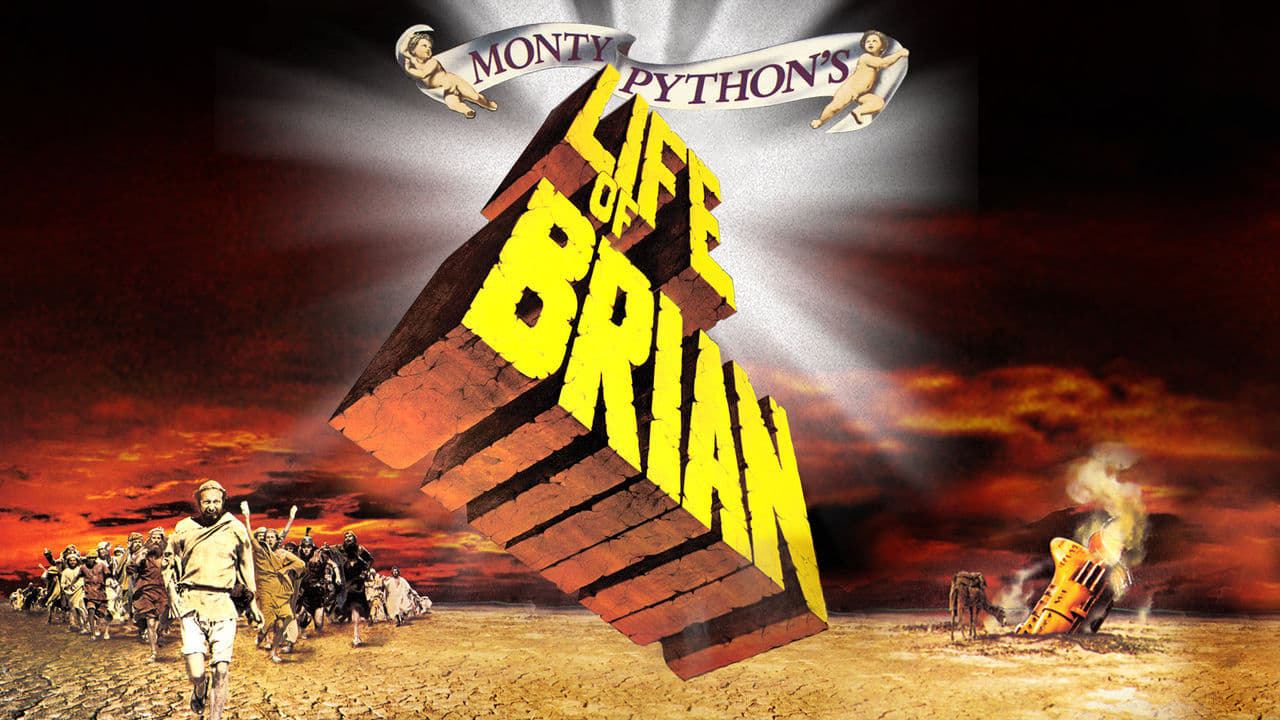
It’s easy to forget, forty-odd years later, how close this movie came to non-existence. Just days before production was set to begin in Tunisia, EMI Films got cold feet over the "blasphemous" script and yanked the funding. Enter George Harrison. The quiet Beatle literally mortgaged his house and office to provide the £2 million needed because, quite simply, he "wanted to see the movie." It remains the greatest act of cinematic patronage in history, birthing Handmade Films and saving a comedy that is as philosophically dense as it is riotously funny.
The Gospel of Individualism
While Monty Python and the Holy Grail (1975) was a series of brilliant sketches held together by chainmail and coconuts, Life of Brian is a proper film. Terry Jones stepped into the director’s chair solo this time, and you can feel the difference. He utilizes the leftover sets from Franco Zeffirelli's Jesus of Nazareth to give the film a dusty, authentic scale that makes the absurdity pop.
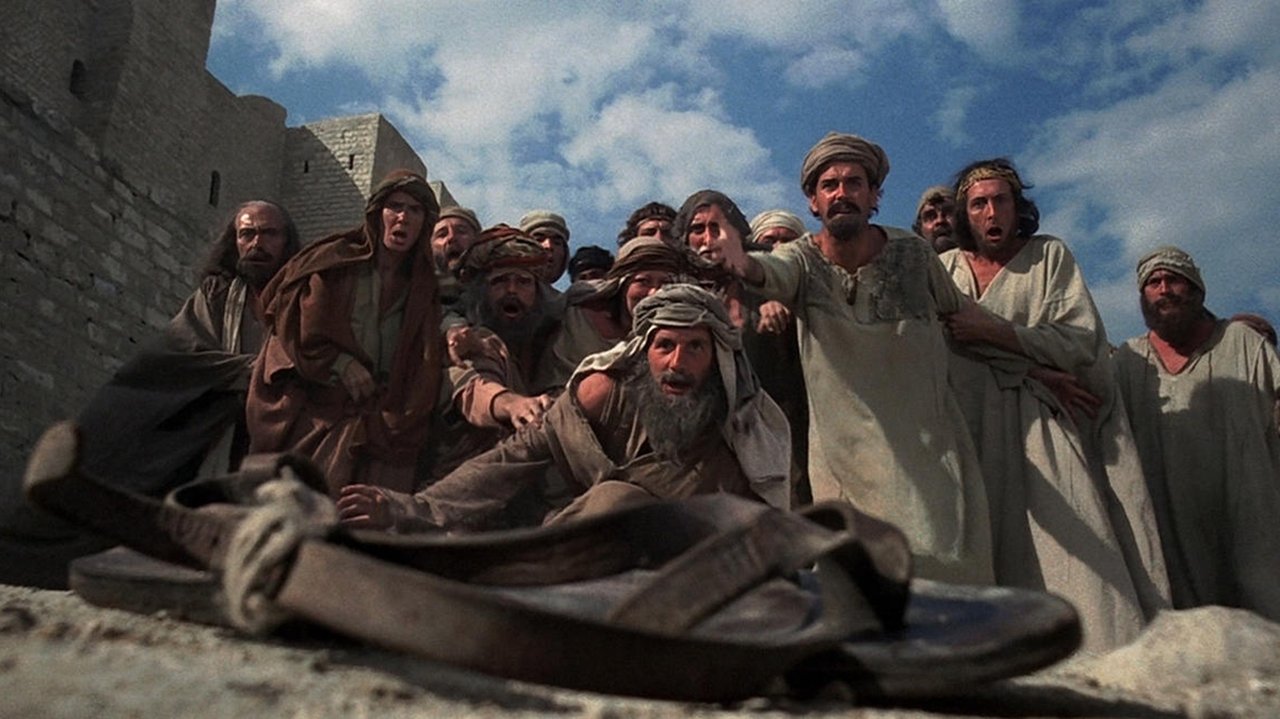
The genius of the screenplay by John Cleese, Michael Palin, and the rest of the troupe is that it doesn’t actually mock Jesus. Instead, it aims its bayonet at the followers—the people who crave a leader so badly they’ll turn a discarded sandal into a holy relic. When Graham Chapman’s Brian yells, "You’ve all got to think for yourselves!" and the crowd choruses back in perfect unison, "Yes! We’ve all got to think for ourselves!", it captures the terrifying hilarity of groupthink better than any political textbook. Chapman is the perfect anchor here; he plays Brian with a weary, relatable exasperation that makes him the ultimate straight man in a world gone mad.
Pacing, Pillory, and Pontius

Mechanically, the comedy in Life of Brian is a Swiss watch of timing. Take the legendary "Biggus Dickus" scene. Michael Palin, playing Pontius Pilate with a speech impediment that would make a saint weep, dares the Roman guards to laugh. Palin reportedly told the extras playing the guards that if they laughed, they wouldn't get paid, which resulted in those incredible, vein-bulging expressions of suppressed hysteria. I once tried to explain this scene to my grandmother while eating a ginger snap and nearly required the Heimlich maneuver.
The film also gift-wraps us the most accurate depiction of political bureaucracy ever filmed: The People's Front of Judea (not to be confused with the Judean People's Front). Their endless circular arguments about "the right to have babies" and their hatred for "splitters" is the most biting political satire ever committed to celluloid. Whether you’re looking at 1st-century Jerusalem or a 21st-century Twitter thread, the "committee" energy remains exactly the same.
The Texture of a Cult Classic
On a technical level, Peter Biziou’s cinematography captures a warmth that many comedies of the era lacked. The lighting feels scorched and Mediterranean, which makes the sudden, jarring detour into a literal sci-fi spaceship sequence feel even more delightfully insane. It’s that New Hollywood-era willingness to break the fourth wall and the rules of reality that gives the movie its lasting "midnight movie" energy.

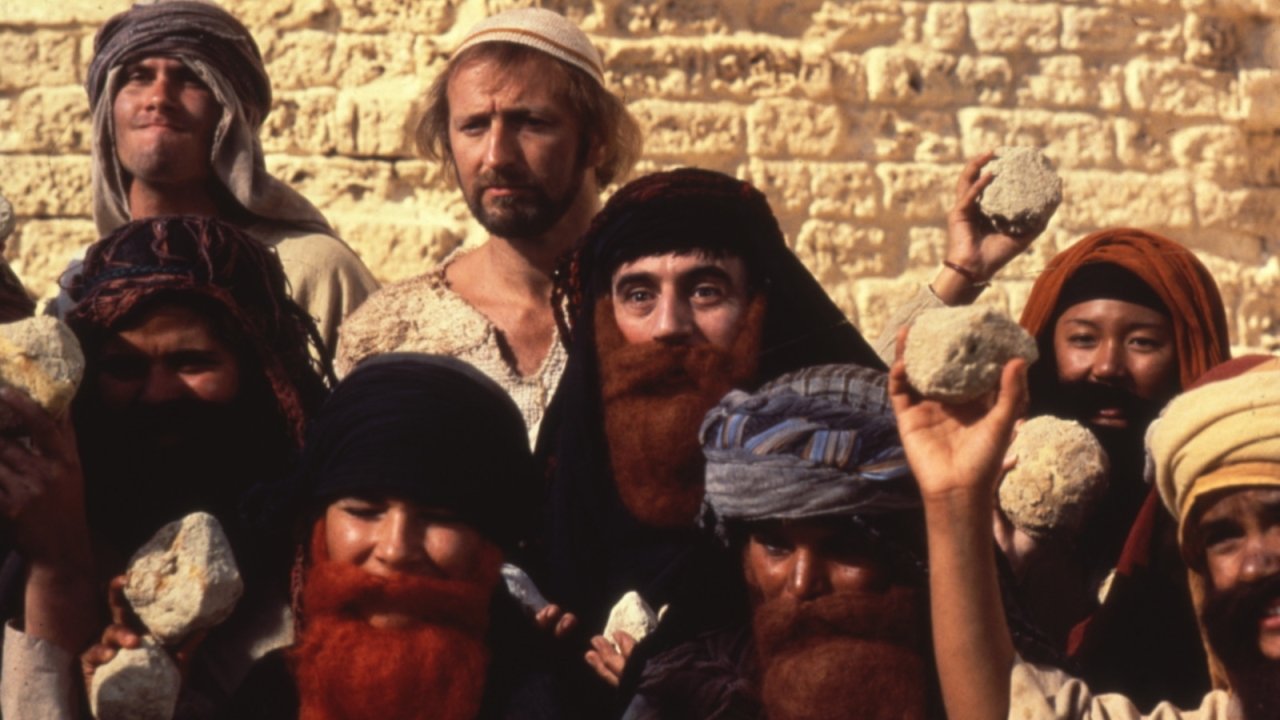
The VHS era was particularly kind to the Pythons. Because the jokes are so rapid-fire—and often buried in the background chatter of the crowds—the "pause" and "rewind" buttons became essential tools for fans. You’d spend hours trying to catch what the "ex-leper" (Michael Palin) was muttering or identifying which of the six roles Eric Idle or John Cleese was playing in a specific scene. It’s a movie that rewards the obsessive viewer, which is why it hasn't aged a day since 1979.
Ultimately, Life of Brian is the rare comedy that asks you to think as hard as you laugh. It ends with a literal crucifixion that somehow manages to be uplifting, thanks to Eric Idle’s "Always Look on the Bright Side of Life." It’s a song about the absolute absurdity of existence, a cheery shrug in the face of the inevitable. If you can watch a man singing on a cross and feel a genuine sense of joy, you’ve understood the Python philosophy. It’s brave, it’s intellectual, and it’s arguably the funniest movie ever made.
Keep Exploring...
-
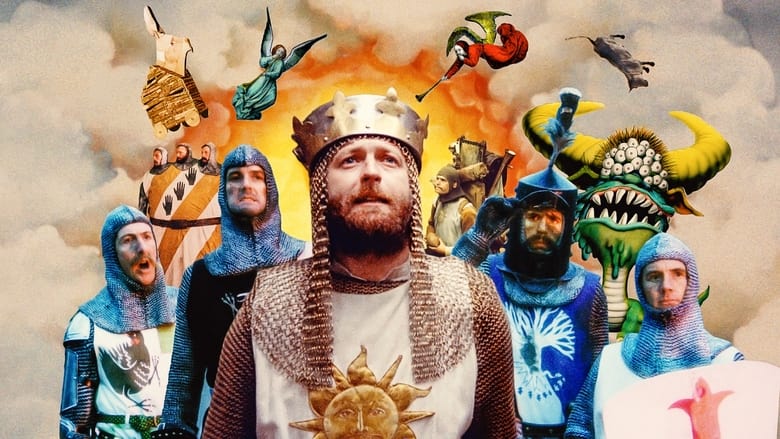
Monty Python and the Holy Grail
1975
-
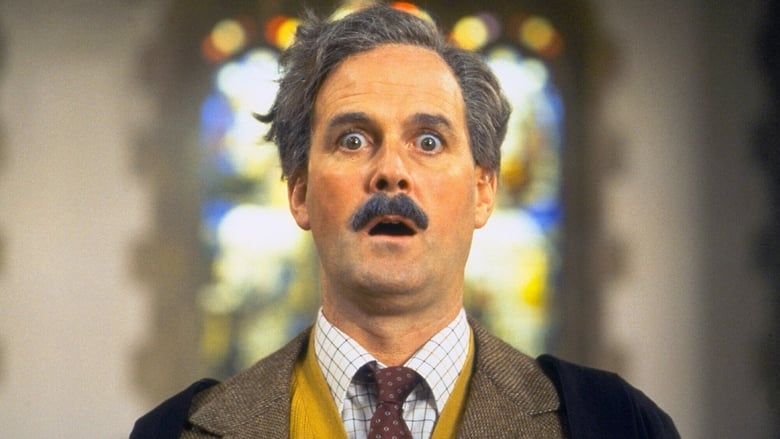
Monty Python's The Meaning of Life
1983
-
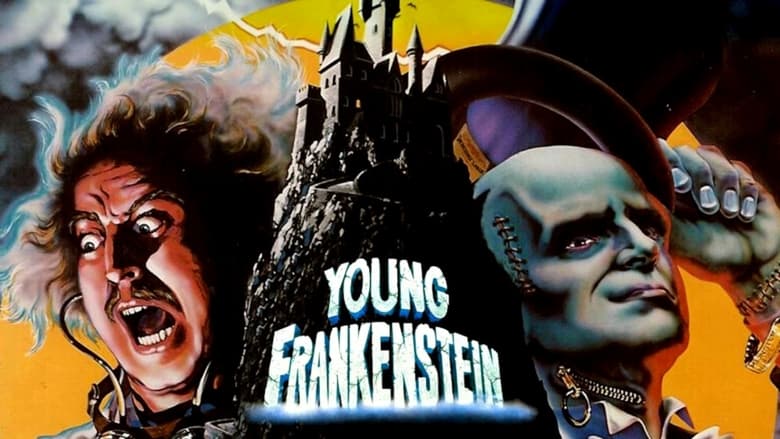
Young Frankenstein
1974
-
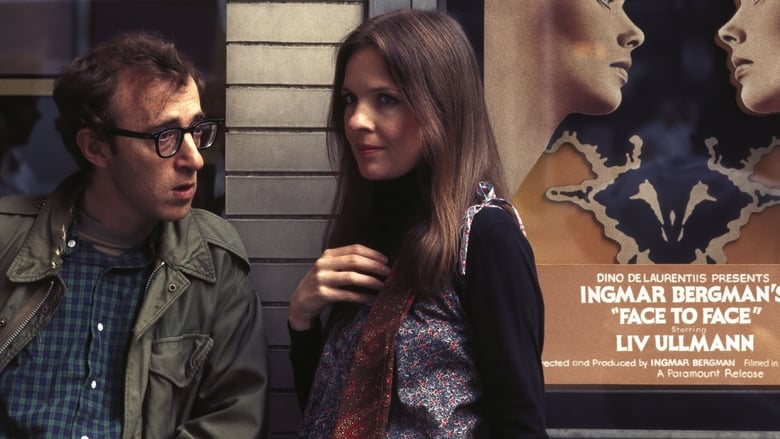
Annie Hall
1977
-
Brazil
1985
-
The Apartment
1960
-
A Fish Called Wanda
1988
-
Love and Death
1975
-

A Christmas Story
1983
-

This Is Spinal Tap
1984
-
Fantozzi: White Collar Blues
1975
-
Being There
1979
-
Manhattan
1979
-
Nothing Left to Do But Cry
1984
-
Dr. Strangelove or: How I Learned to Stop Worrying and Love the Bomb
1964
-
Mirror
1975
-
Network
1976
-
Stalker
1979
-
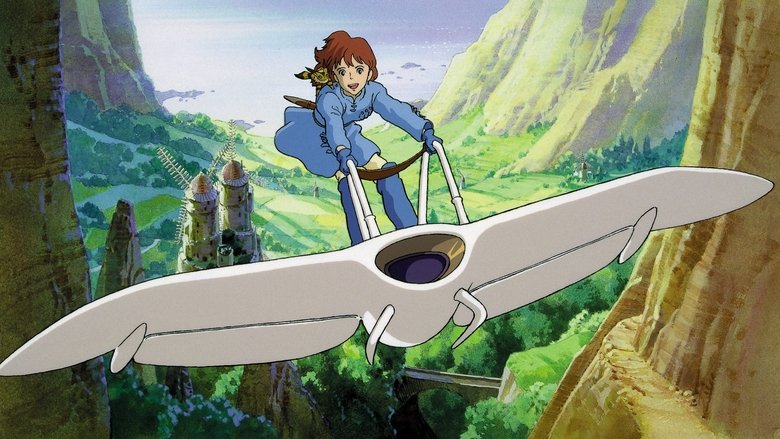
Nausicaä of the Valley of the Wind
1984
-
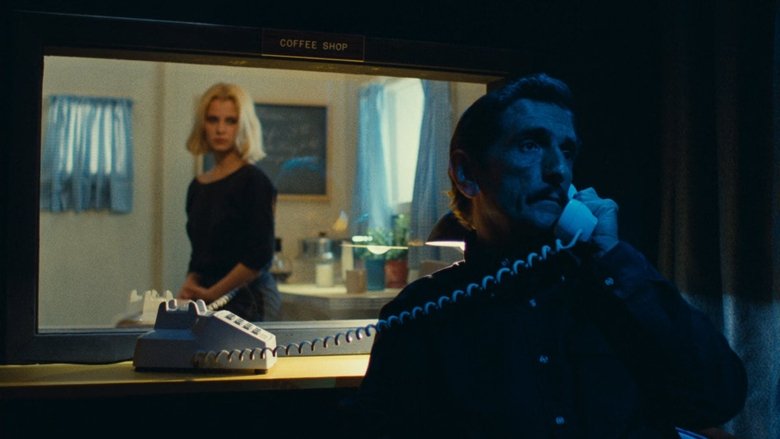
Paris, Texas
1984