Mad Max
"High-octane vengeance fueled by grit, grease, and desperation."

Before he was the face of Hollywood blockbusters, George Miller was an ER doctor in Sydney, stitching together victims of horrific car accidents. It was that firsthand exposure to the bloody wreckage of the Australian highways that fueled the nightmare logic of Mad Max. He didn't just want to make an action movie; he wanted to capture the terrifying momentum of metal meeting bone. The result is a film that feels less like a polished studio product and more like a fever dream captured on 35mm by a crew of lunatics who didn't know they were making history.
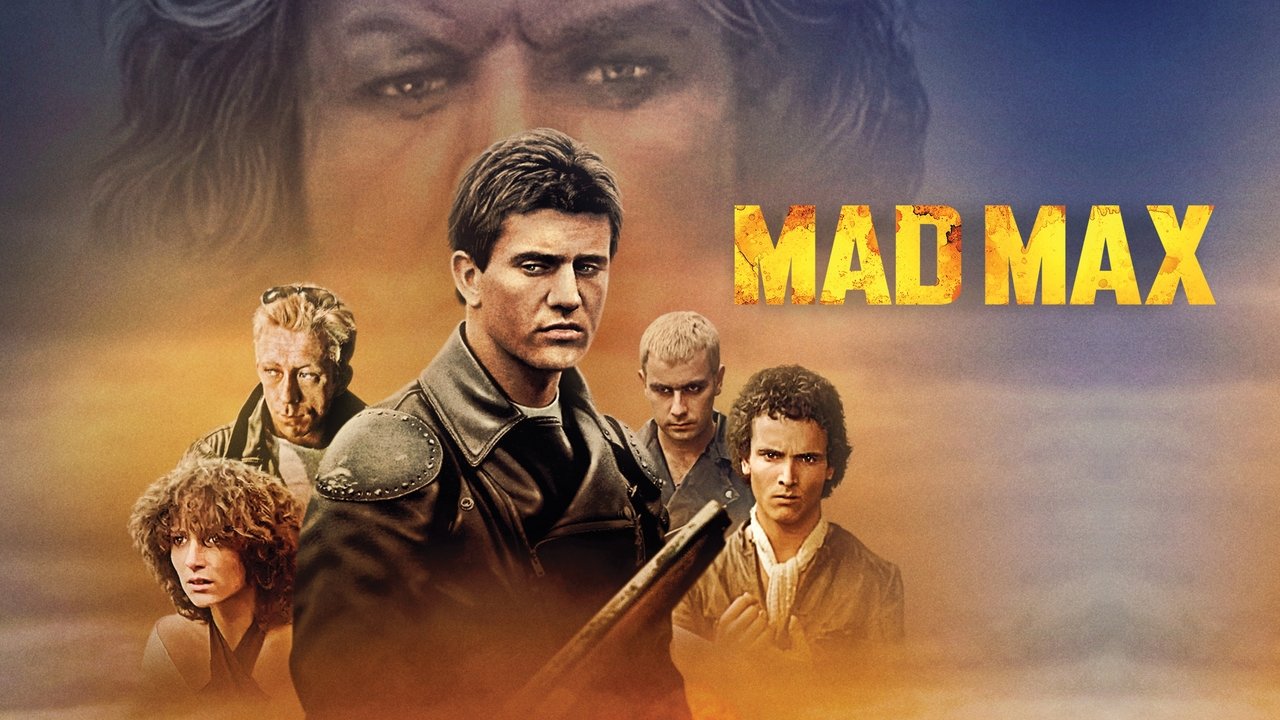
I once tried to recreate the sound of the Pursuit Special engine using a vacuum cleaner and my dad’s leaf blower; the resulting smell of ozone and melted plastic still haunts my parents' garage to this day. That’s the kind of obsessive, gear-head energy this movie radiates. It’s a film you don't just watch; you smell the burnt rubber and taste the grit in your teeth.
The ER Doctor’s Shoestring Nightmare
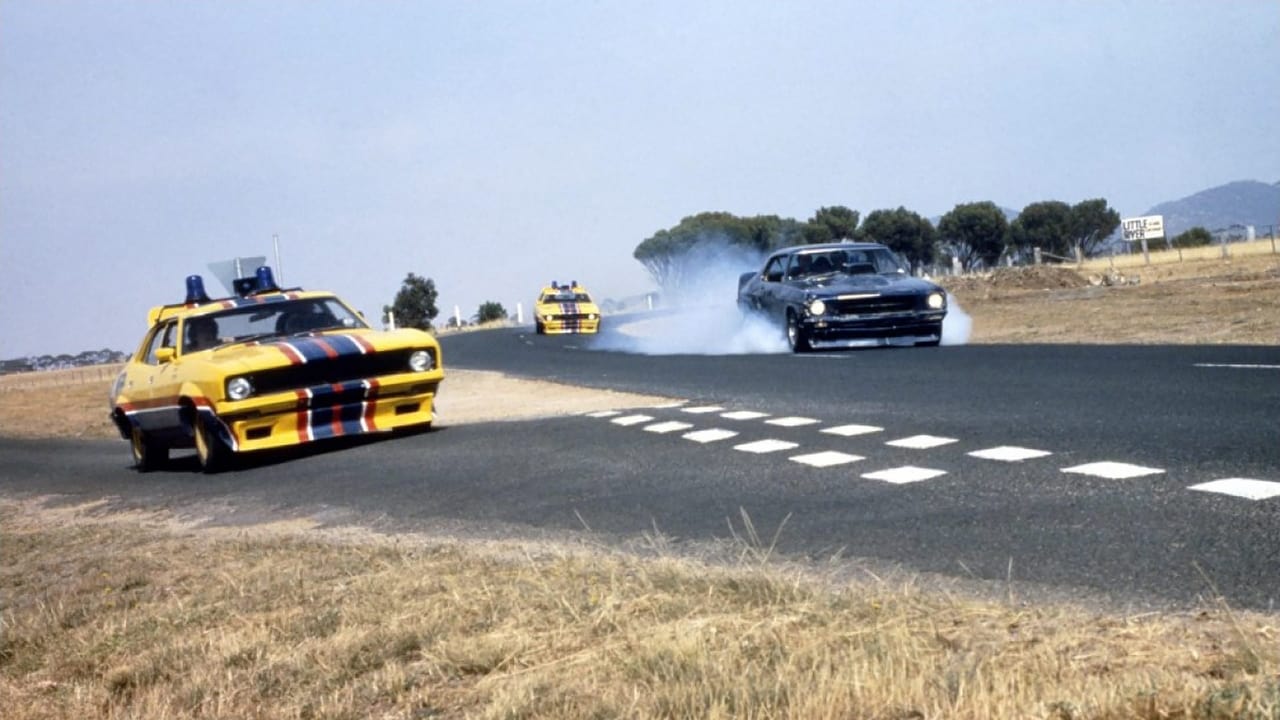
What’s truly wild about Mad Max isn't just the car chases; it’s the sheer budgetary desperation that birthed it. Armed with only $350,000—a sum that wouldn't cover the coffee budget on a modern Marvel set—Miller and producer Byron Kennedy had to beg, borrow, and steal to get this onto the screen. They used real police cars that the department was retiring, and when they ran out of money for extras, they hired a local motorcycle club called the Vigilantes. These weren't actors playing tough; they were actual bikers who rode their own machines to the set every day, often in full costume.
Then there’s the casting of Mel Gibson. The legend goes that Gibson showed up to the audition the day after a massive bar fight, looking like a "black and blue pumpkin." Miller loved the look, told him to come back in two weeks when he’d healed, and suddenly a star was born. Gibson’s Max Rockatansky is a fascinating study in 1970s stoicism. For much of the runtime, Max is basically a supporting character in a movie titled after him until the script decides to break his heart. He’s a man trying to maintain a domestic life with his wife, Jessie Rockatansky (played with genuine warmth by Joanne Samuel), while the world outside is slowly dissolving into a Darwinian chaos.
Stunts That Defied Logic (and Life Insurance)
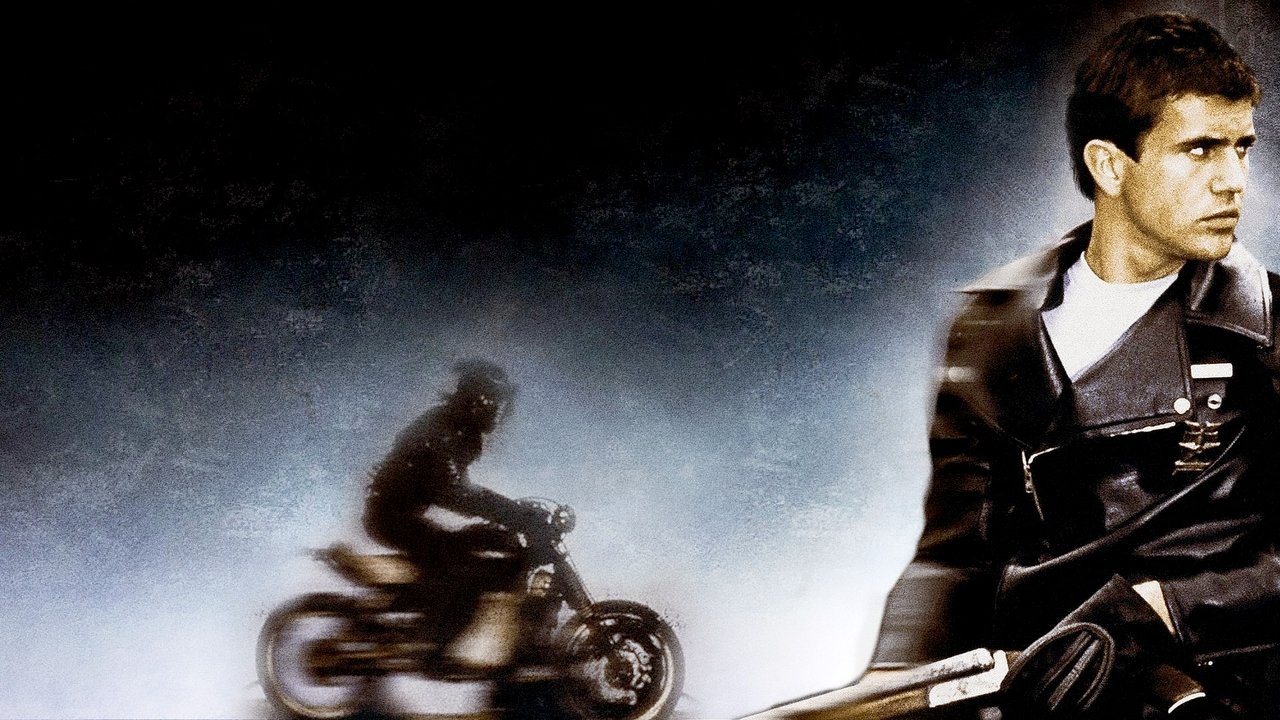
If you’re looking for the birth of the "practical effects" cult, look no further. In 1979, there was no CGI to hide behind. When you see a car flip or a motorcycle skid at 80 mph, you are watching a human being risk their life for a cool shot. The cinematography by David Eggby is legendary for its "suicide shots," where the camera was mounted mere inches from the pavement to emphasize the blistering speed.
One particular stunt involving a bridge and a crashing motorcycle actually features a rider taking a bike to the back of the head. It looks lethal because it nearly was. The lack of safety regulations in the Australian outback during the late 70s allowed Miller to capture a level of raw, unpolished danger that feels increasingly rare in our era of digital safety nets. You can feel the weight of the vehicles, the tension in the suspensions, and the very real possibility that someone might not get up after the director yells "Cut!"
The villains are equally visceral. Hugh Keays-Byrne (who would later return as Immortan Joe in Fury Road) delivers a theatrical, terrifying performance as Toecutter. Alongside Tim Burns as the twitchy Johnny the Boy, they represent a new kind of cinematic threat—not just criminals, but agents of pure entropy who laugh while they burn the world down.
The Grainy Legacy of the Video Store Interceptor
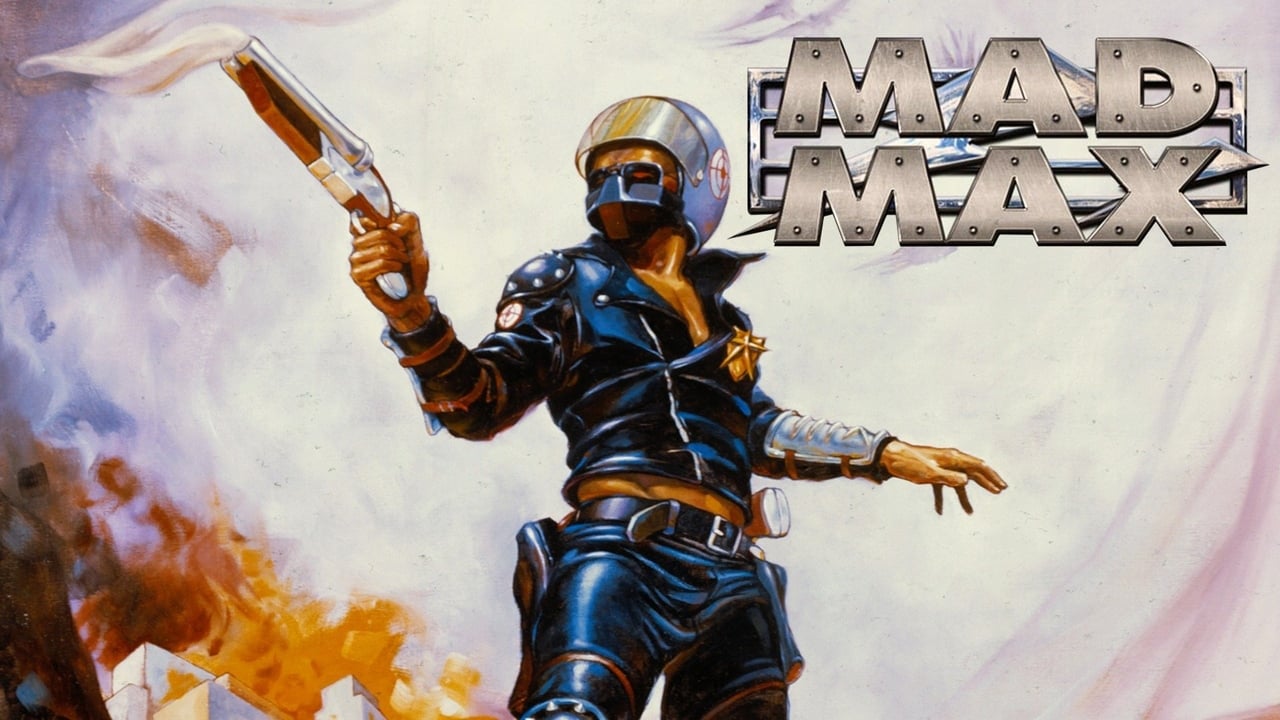
For many of us, Mad Max wasn't a theatrical experience; it was a rite of passage discovered in the "Action/Cult" section of a local video store. The box art, usually featuring the iconic V8 Interceptor, promised a level of mayhem that the film actually delivered. Interestingly, because American distributors were convinced that US audiences wouldn't be able to understand the thick Australian accents, the original US release was dubbed with American voices. Watching that version now is a surreal experience, like watching an old Godzilla movie set in the outback.
The film's journey from a low-budget "Ozploitation" flick to a global phenomenon is the ultimate indie success story. It held the Guinness World Record for the most profitable film (budget-to-box-office ratio) for decades, only being unseated by The Blair Witch Project. But beyond the numbers, it’s the atmosphere that sticks with me. The score by Brian May (not the Queen guitarist, though that would have been awesome) is operatic and jagged, perfectly matching the descent from a crumbling civilization into the wasteland we’d see in the sequels.
While the later sequels would embrace the full-blown post-apocalyptic aesthetic, the original Mad Max exists in a haunting "near-future" that feels uncomfortably close to home. It’s a lean, mean, and occasionally cruel piece of filmmaking that proves you don't need a hundred million dollars to change cinema forever. It remains a testament to what can happen when a director with a clear vision and zero fear of the highway patrol decides to let it all hang out on the asphalt. If you haven't seen where the road began, grab a cold drink, turn up the speakers, and prepare for a crash course in high-velocity filmmaking.
Keep Exploring...
-
Mad Max 2
1981
-
Mad Max Beyond Thunderdome
1985
-
Mad Max: Fury Road
2015
-

Furiosa: A Mad Max Saga
2024
-
Moonraker
1979
-

Star Trek II: The Wrath of Khan
1982
-
Star Trek III: The Search for Spock
1984
-

Masters of the Universe
1987
-

Predator
1987
-
The Time Machine
1960
-
Dr. No
1962
-
From Russia with Love
1963
-
They Live
1988
-
Lethal Weapon 2
1989
-
The Man with the Golden Gun
1974
-
The Spy Who Loved Me
1977
-

Superman
1978
-
Flash Gordon
1980
-

Superman II
1980
-
For Your Eyes Only
1981