Manhattan
"A skyline of Gershwin and gorgeous, messy mistakes."
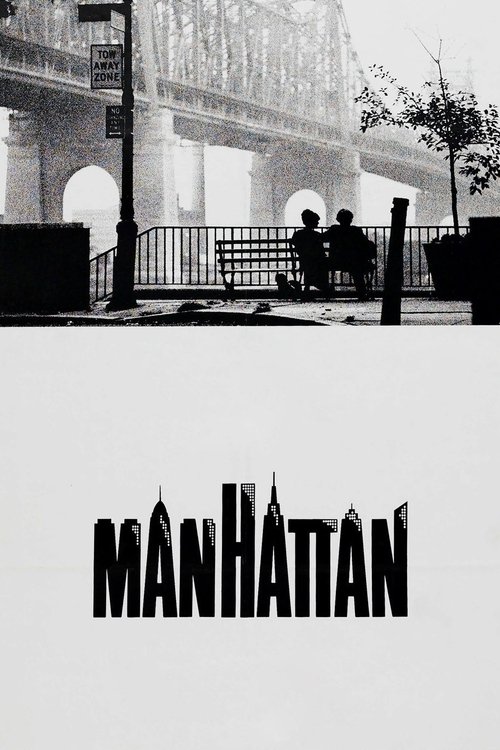
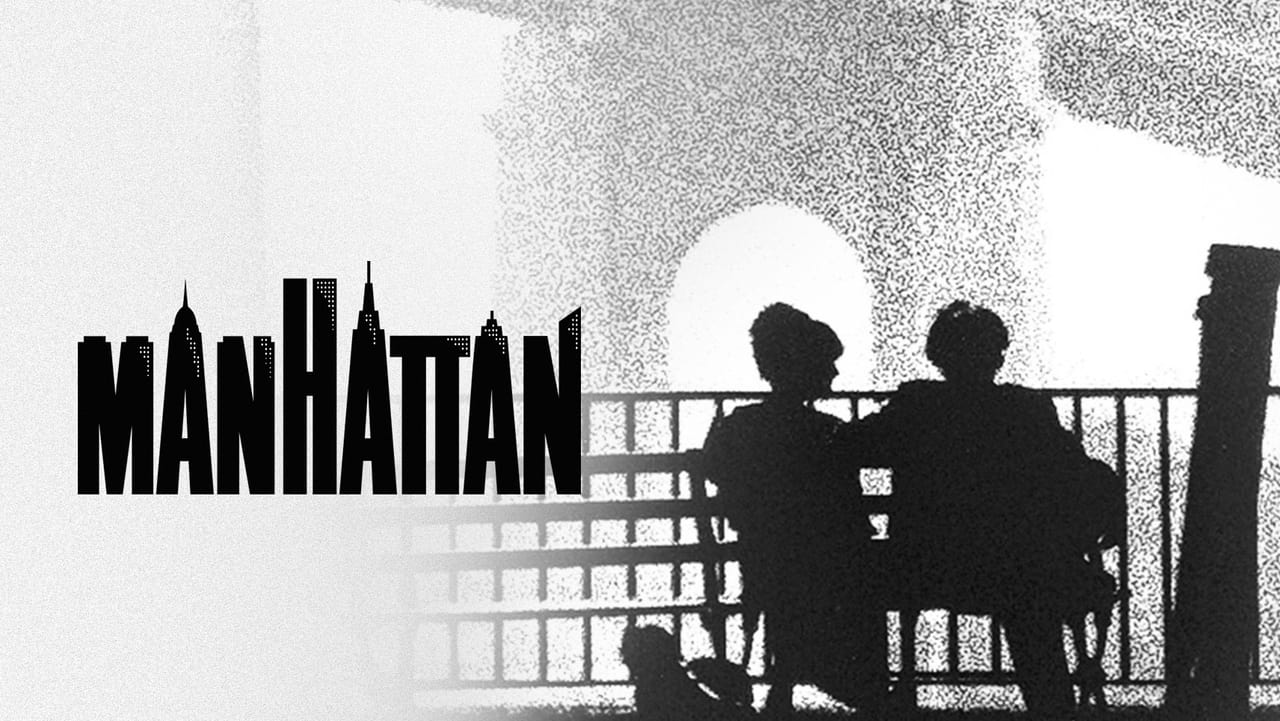
The silhouette of the Queensboro Bridge at dawn, two silhouettes on a bench, and George Gershwin’s "Rhapsody in Blue" swelling until it feels like your heart might actually burst—it’s the most seductive opening in cinema history. If you’ve never seen Manhattan, you’ve at least seen its ghost. It has been parodied, homaged, and plastered on dorm room posters for forty-five years. But beneath that impossibly chic black-and-white surface lies a film that is far more uncomfortable and prickly than its "romantic comedy" label suggests.

I watched this recently on a rainy Tuesday while nursing a lukewarm cup of peppermint tea that had a single, stubborn floating leaf in it, and that tiny bit of debris felt weirdly appropriate. Manhattan is a movie about people who have everything—intelligence, culture, career—but still manage to get debris in their own eyes.
The Prince of Darkness in Light and Gray
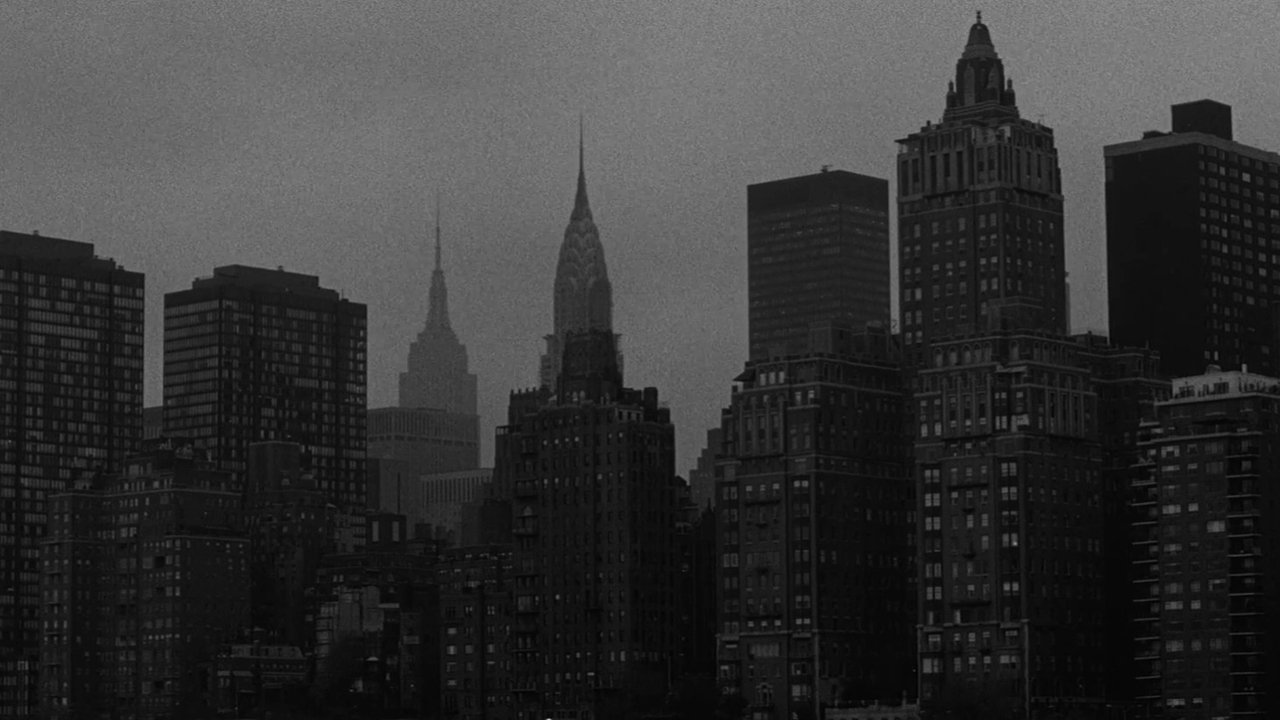
The first thing that hits you isn't the jokes; it’s the sheer, staggering beauty of the frame. Woody Allen made the inspired choice to hire Gordon Willis—the cinematographer nicknamed the "Prince of Darkness" for his work on The Godfather—and shoot in anamorphic widescreen. Usually, directors use that wide frame for desert epics or space battles. Allen used it for two people arguing in a kitchen or walking through the Museum of Natural History.
There is a specific texture to Manhattan that defined the "prestige" film era for decades. If you grew up in the 80s and 90s, this was the tape in the video store that sat in the "Auteur" or "Classic" section, its box art promising a level of intellectual sophistication that felt like a rite of passage. On a grainy CRT television, Willis’s deep blacks and shimmering greys gave the city a mythic quality. It didn't look like the New York of Taxi Driver or The Warriors; it looked like the New York of a dream, or perhaps a memory filtered through a very expensive lens.
The Trouble with Tracy
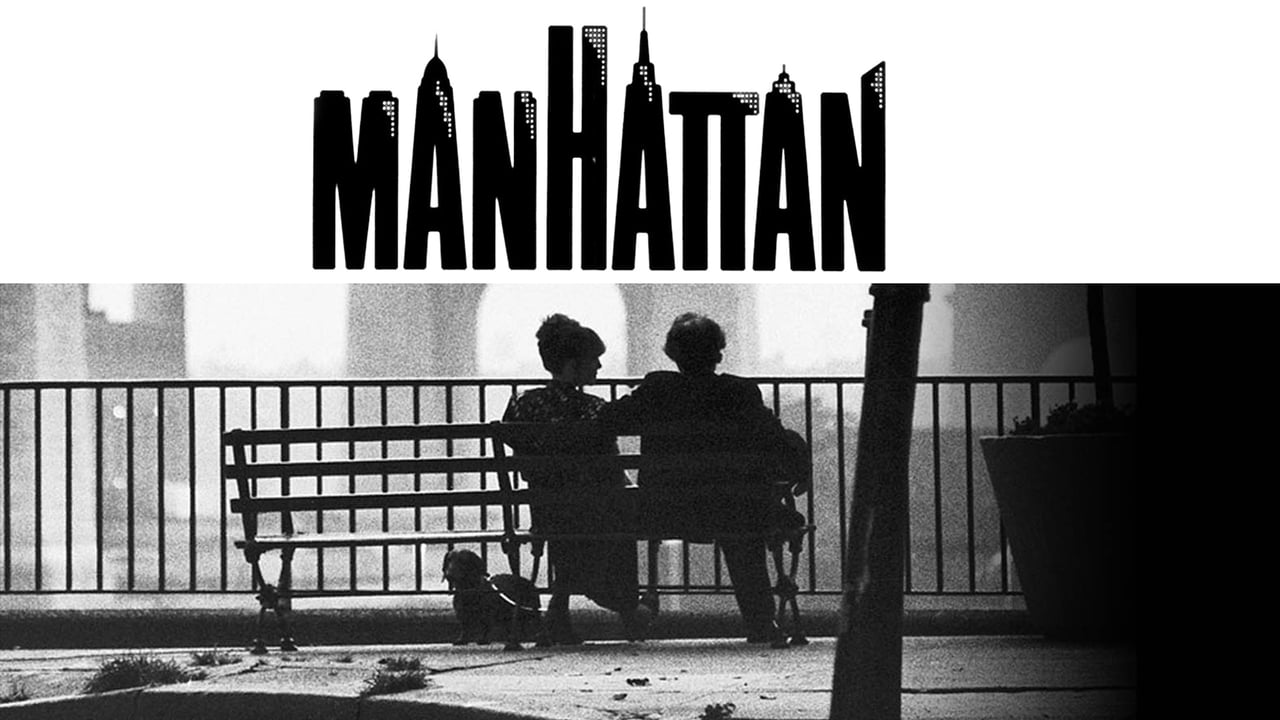
We have to talk about the elephant in the room, and it’s a 17-year-old elephant named Tracy. Mariel Hemingway gives a performance of startling maturity as the high school student Isaac (Woody Allen) is dating. In 1979, audiences largely accepted this as a quirky "New York" dynamic. Viewed today, it’s the part of the film that creates the most friction. Isaac spends half the movie telling Tracy she’s too young for him while the other half of him clings to her because she’s the only person in the film with a functional moral compass.
Isaac is a 42-year-old man who is essentially a walking, talking panic attack in a corduroy jacket. He quits his stable TV writing job out of a sense of "artistic integrity" but spends his nights chasing after Mary (Diane Keaton), the pretentious, fast-talking mistress of his best friend Yale (Michael Murphy). Isaac and Mary are perfect for each other in the worst way possible; they are both experts at using language to avoid actually feeling anything. Keaton is spectacular here, weaponizing her nervous energy to create a character who is simultaneously brilliant and utterly exhausting.
The Cult of the Neurotic
While Annie Hall won the Oscars, Manhattan is the film that truly codified the Allen persona. It’s the one that people obsessed over, dissecting the dialogue for hidden meanings and trying to mimic that specific brand of intellectual sarcasm. The film’s cult status grew through the VHS era because it felt like a secret club. If you understood the jokes about Strindberg or the Guggenheim, you were "in."
But the secret of the film isn’t the high-brow references. It’s the vulnerability. There’s a scene late in the movie where Isaac lies on his sofa with a tape recorder, listing the things that make life worth living: Groucho Marx, Willie Mays, the second movement of the Jupiter Symphony, Louis Armstrong’s "Potato Head Blues," Swedish movies, Flaubert, those incredible pears and apples by Cézanne, and... Tracy’s face. It’s a moment of raw, philosophical honesty that cuts through all the previous cynicism.
Interestingly, Woody Allen famously hated the finished product. He was so disappointed with it that he offered to direct a movie for United Artists for free if they promised never to release Manhattan. Thankfully, they ignored him. The production was a masterclass in detail; they waited hours for the perfect lighting on the bridge and meticulously timed the fireworks in the park. Even Meryl Streep shows up as Isaac's ex-wife, Jill, delivering a performance of icy, focused resentment that hints at the powerhouse career she was about to launch.
Ultimately, the film functions as a time capsule of a very specific, intellectual New York that probably never existed exactly like this, except in the minds of people who read The New Yorker religiously. It’s a drama that asks if it’s possible to be a person of "integrity" in a world where everyone is compromising.
The ending is one of the greats—ambiguous, bittersweet, and deeply human. It leaves you wondering if Isaac has actually learned anything or if he’s just waiting for the next Gershwin track to start so he can romanticize his next disaster. It isn't always comfortable to watch, but like that bridge at dawn, you can't look away.

Keep Exploring...
-
Annie Hall
1977
-
Crimes and Misdemeanors
1989
-
Love and Death
1975
-
Zelig
1983
-
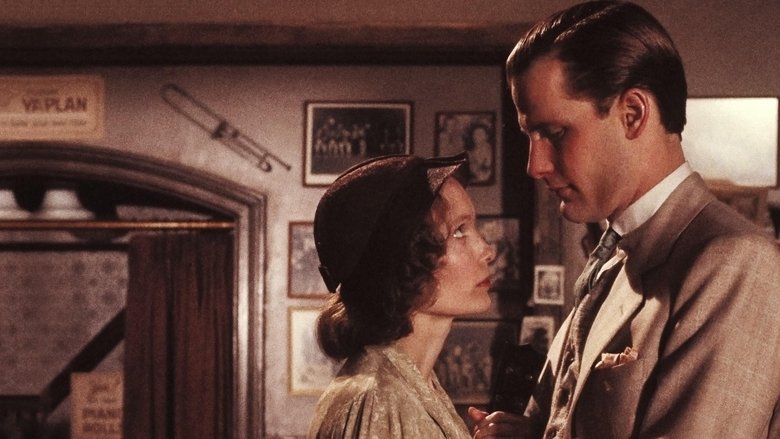
The Purple Rose of Cairo
1985
-
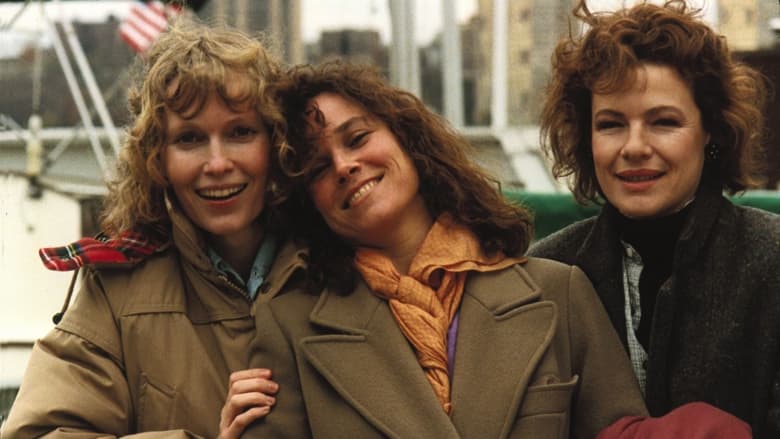
Hannah and Her Sisters
1986
-
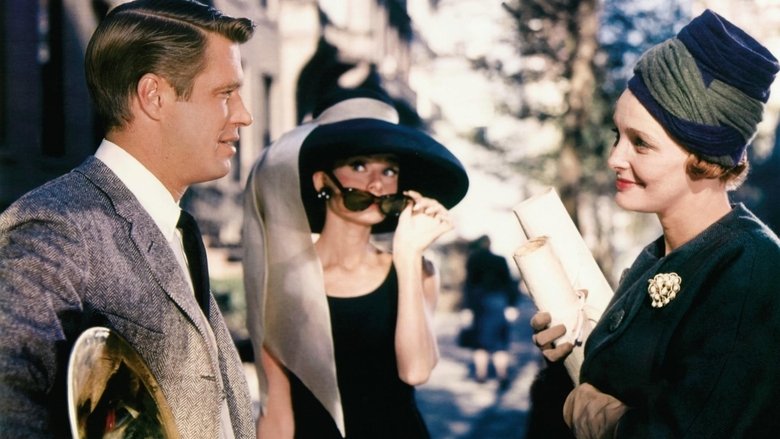
Breakfast at Tiffany's
1961
-
Deconstructing Harry
1997
-
Café Society
2016
-

Match Point
2005
-

Vicky Cristina Barcelona
2008
-
The Lost Boys
1987
-
When Harry Met Sally...
1989
-
The Apartment
1960
-
Harold and Maude
1971
-

The Breakfast Club
1985
-
Manhattan Murder Mystery
1993
-
10 Things I Hate About You
1999
-
Moonrise Kingdom
2012
-
Magic in the Moonlight
2014