Moonraker
"The sky is no longer the limit."
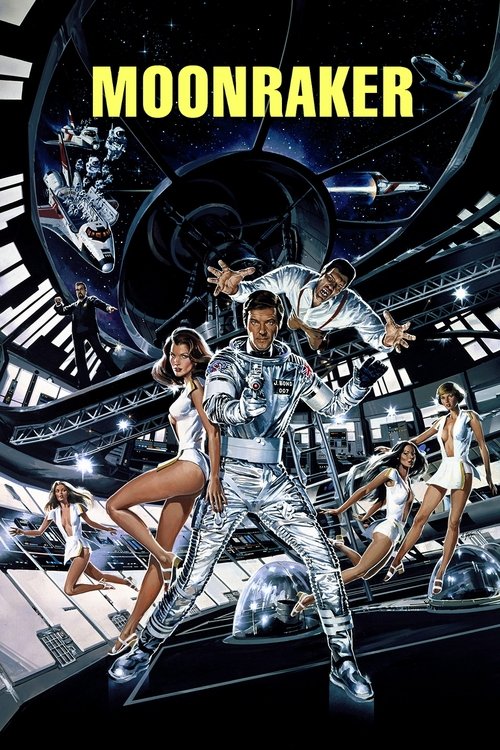
By 1979, the James Bond franchise wasn't just competing with rival spy thrillers; it was competing with the entire galaxy. After the seismic impact of Star Wars in 1977, Albert R. Broccoli and the EON team realized that the planned adaptation of For Your Eyes Only felt a bit too grounded for a public currently obsessed with the stars. They pivoted hard, reaching for Ian Fleming’s most industrial novel and inflating it into a $34 million space-operatic extravaganza. It was a budget larger than the first six Bond films combined, and every single cent of that 1970s excess is visible on the screen.
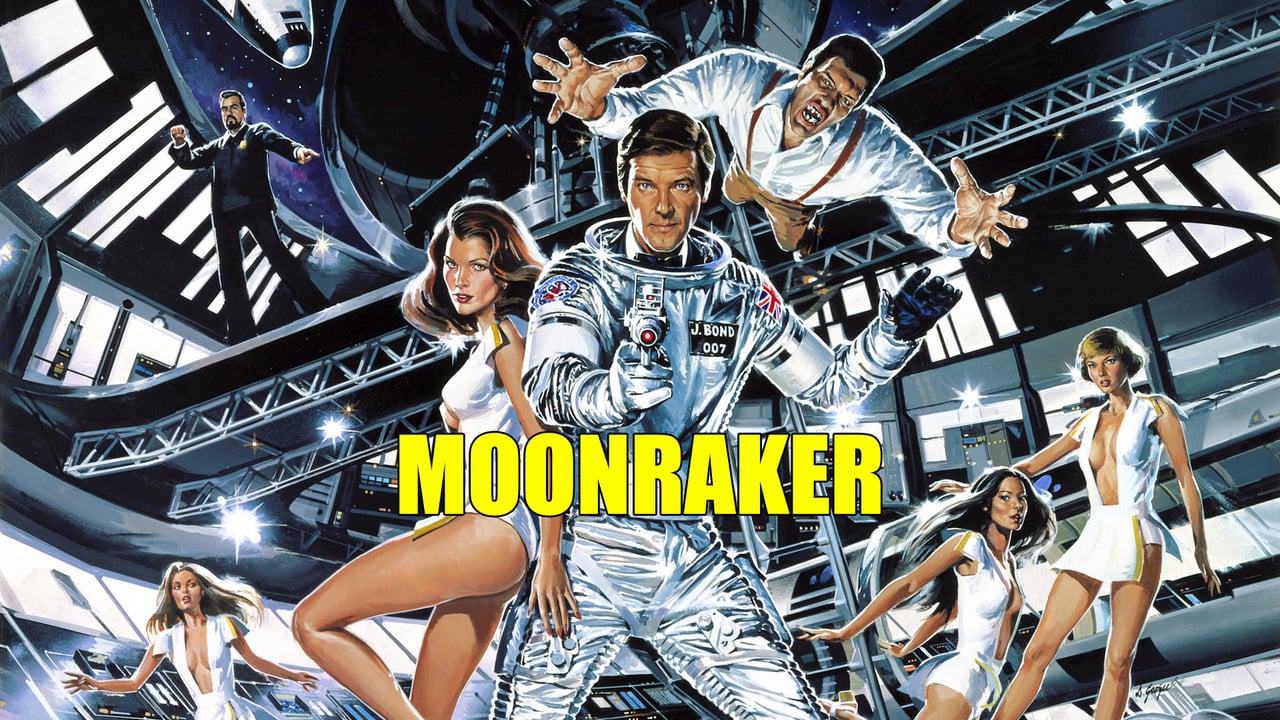
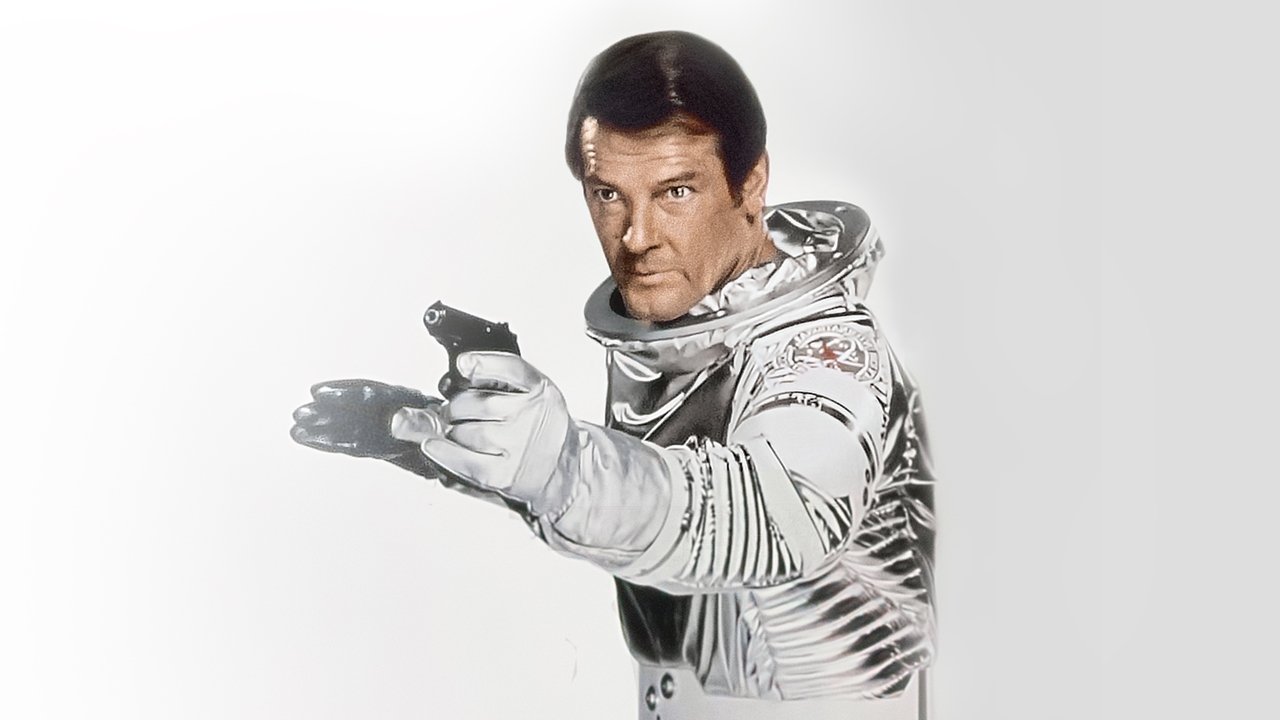
I’m currently writing this while wearing one thick wool sock because I lost the other under the sofa, and the drafty cold on my left foot is making the lush, humid Brazilian jungle scenes in this film look significantly more inviting than my living room. There is something deeply cozy about Roger Moore’s particular brand of 007. While Sean Connery felt like he might punch you in a bar, Roger Moore always felt like he was about to offer you a very dry martini and a clever quip about your tie. In Moonraker, that urbanity is pushed to its absolute breaking point as he goes from a death-defying mid-air brawl to piloting a laser-equipped space shuttle.
The Peak of Practical Madness
If you want to understand why we cinephiles obsess over the pre-CGI era, look no further than the opening sequence of Moonraker. Bond is pushed out of an airplane without a parachute. What follows is a multi-minute freefall fight that remains one of the most staggering pieces of stunt work ever captured on celluloid. Stuntmen B.J. Worth and Jake Lombard performed 88 jumps to get that footage, wearing hidden, ultra-thin parachutes under their suits. There’s no green screen, no "weightless" digital rigging—just real humans falling through the sky at terminal velocity.
Director Lewis Gilbert, returning after the massive success of The Spy Who Loved Me, essentially decided to double down on everything that worked in his previous outing. We get a globe-trotting itinerary that hits Venice, Rio de Janeiro, and the Amazon, all captured with the lush, saturated cinematography of Jean Tournier. The Venice sequence features the infamous "Bondola"—a gondola that transforms into a hovercraft—which is arguably the moment the franchise fully embraced its identity as a live-action cartoon. It’s ridiculous, yes, but the technical execution of these practical gags is so earnest that you can’t help but grin.
Villains, Gadgets, and Laser Beams
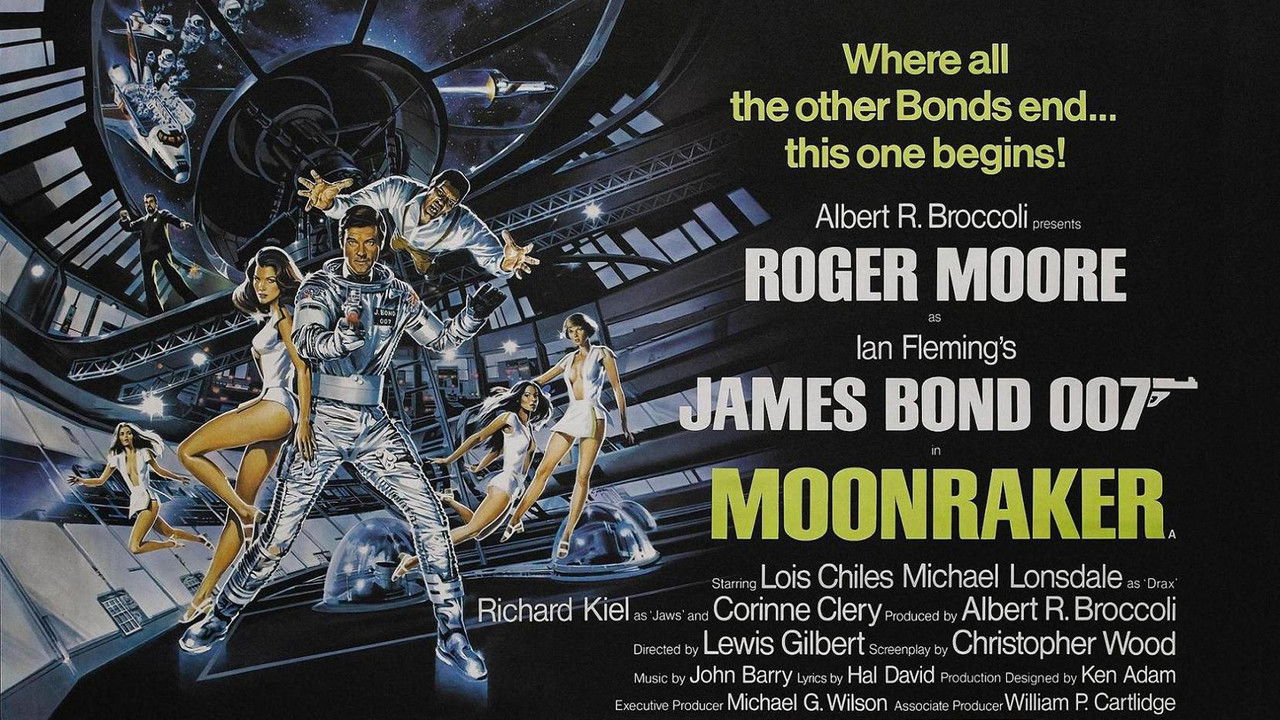
Michael Lonsdale delivers what might be the most underrated villain performance in the entire series as Hugo Drax. While other Bond villains scream and chew the scenery, Lonsdale plays Drax with a bored, aristocratic detachment that is genuinely chilling. His dialogue is razor-sharp, particularly his instruction to "look after Mr. Bond—see that some harm comes to him." He’s the perfect foil for Moore’s charm; one is a man who enjoys life too much, the other is a man who wants to reset humanity because he finds it messy and imperfect.
Then, of course, there is Richard Kiel as Jaws. By 1979, Jaws had become such a playground icon that the production turned him from a terrifying assassin into a misunderstood comedic giant. His sub-plot involves falling in love with a diminutive blonde woman, and while it’s the definition of "camp," it’s also oddly sweet. It’s the kind of tonal shift that could only happen in the late 70s. Lois Chiles joins the fray as Dr. Holly Goodhead (a name that would make a modern script doctor faint), and she holds her own as a CIA operative who is frequently more competent than Bond himself.
A Model of Excellence
The third act, where the film finally heads into orbit, is a showcase for the genius of Derek Meddings. In an era before digital compositing, Meddings used miniatures and high-speed photography to create a space battle that still looks remarkably tactile. The space station is a marvel of production design, echoing the legendary work of Ken Adam (who was busy with Barry Lyndon and The Spy Who Loved Me around this time). The way the light hits the models gives them a physical weight that modern digital effects often struggle to replicate.
The score by John Barry is the secret sauce that holds this disparate madness together. Barry moved away from the brassy, aggressive sounds of the 60s into a more lush, symphonic, and almost melancholic space-age sound. The title track, sung by Shirley Bassey (her third and final Bond outing), provides a sense of class that the movie—which features a scene of Bond dressed as a gaucho—probably doesn't deserve.
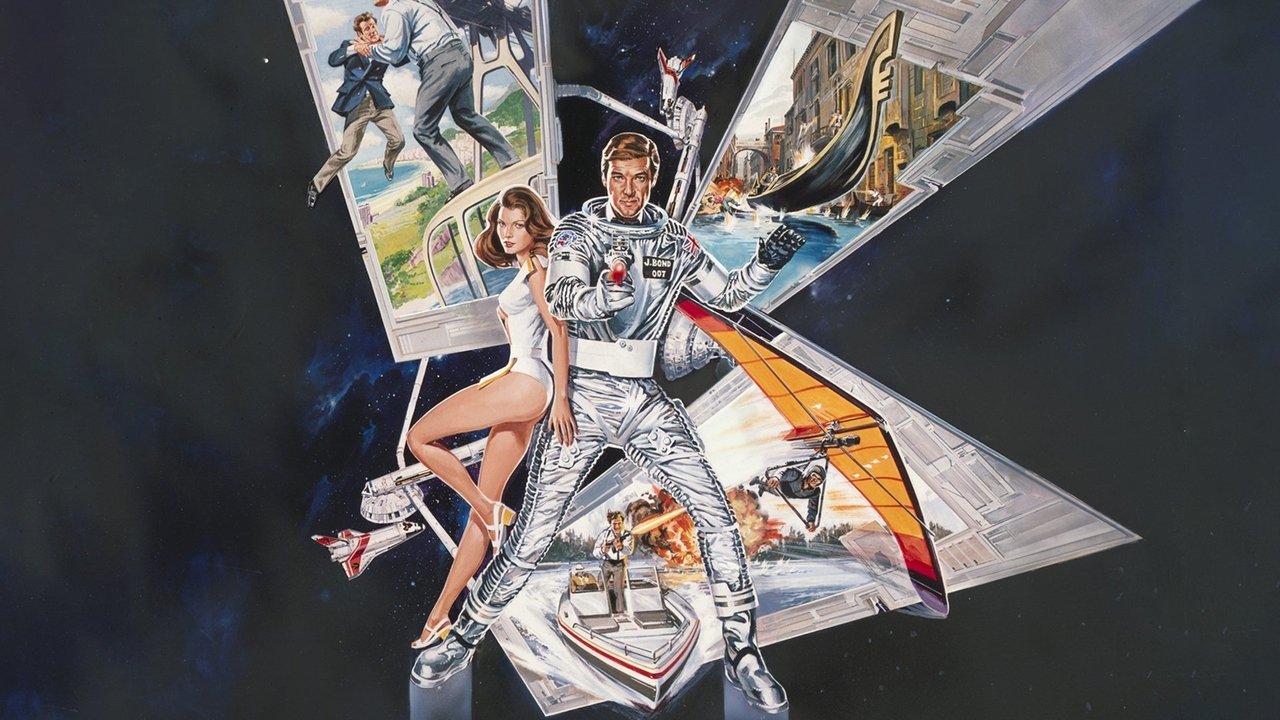
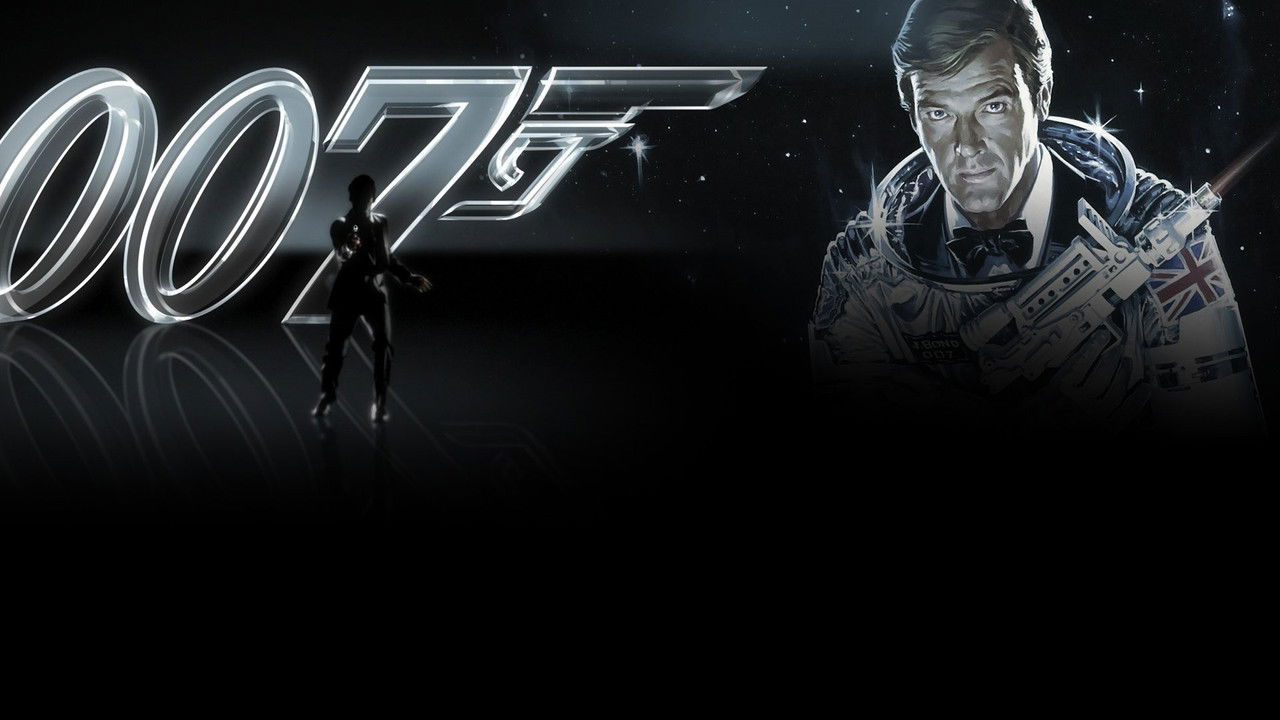
When this hit the home video market in the early 80s, the big, bold cover art promised a sci-fi epic, and for kids of that era, it delivered. Moonraker is basically a $34 million remake of The Spy Who Loved Me with more gravity-defying hair and fewer sharks. It’s the ultimate "guilty pleasure" Bond, a film that captures the exact moment the franchise decided to stop being a spy series and start being a global brand.
Ultimately, Moonraker is a spectacular mess, but it’s a spectacular one. It represents the pinnacle of the "Big Bond" formula before the series tried to get serious again with the 1980s entries. It’s loud, it’s expensive, and it features a laser battle in zero-G, but it also has a heart of gold and some of the best stunt work ever filmed. If you can leave your cynicism at the door (and maybe find both of your socks), it’s a wild ride through the final frontier of 70s blockbuster cinema.
Keep Exploring...
-
The Spy Who Loved Me
1977
-
You Only Live Twice
1967
-
Octopussy
1983
-
Live and Let Die
1973
-
For Your Eyes Only
1981
-
A View to a Kill
1985
-
Thunderball
1965
-
The Man with the Golden Gun
1974
-
Never Say Never Again
1983
-
On Her Majesty's Secret Service
1969
-
The Living Daylights
1987
-
Licence to Kill
1989
-
Dr. No
1962
-
From Russia with Love
1963
-

Goldfinger
1964
-
Diamonds Are Forever
1971
-
Tomorrow Never Dies
1997
-
GoldenEye
1995
-
Die Another Day
2002
-
Spectre
2015