Rocky II
"Winning is the only thing that hurts more."

I’m staring at my television screen, watching a man with a face like a bruised plum try to read a teleprompter, and I’m realizing that the real tragedy of the Rocky franchise isn't the punches—it’s the taxes. Most sequels are born from greed, but Rocky II feels like it was born from the specific, suffocating anxiety of a guy who just realized he’s not qualified to do anything except get hit in the head. It’s a sequel that shouldn't exist because the first film ended so perfectly, yet I find myself reaching for this tape more often than the original.
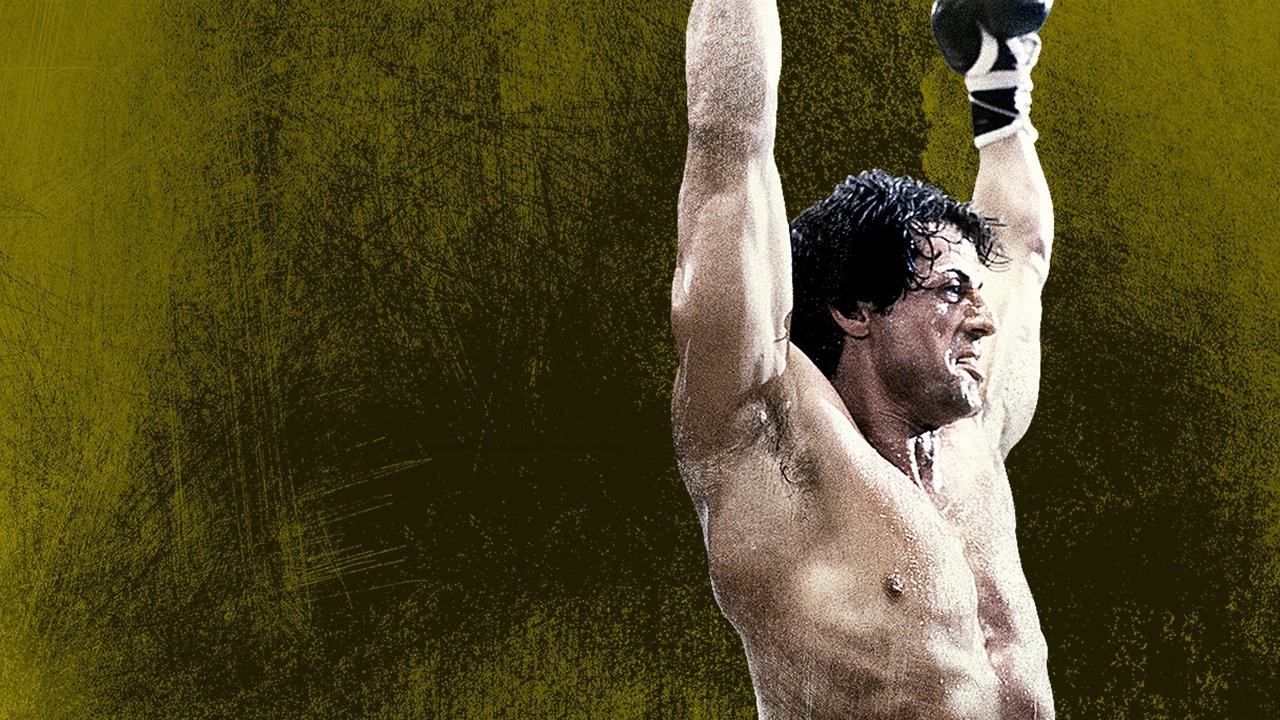
There’s a specific texture to late-70s film stock that feels like a warm blanket, and Sylvester Stallone, taking over the director’s chair from John G. Avildsen, leans into it hard. I watched this most recently on a rainy Tuesday while trying to fix a leaky kitchen faucet with a pair of pliers and a YouTube tutorial, and failing miserably. That feeling of being utterly out of your depth in the "real world" is exactly why Rocky II resonates. It’s the ultimate "What Now?" movie.
The Glamour of the Grind
We often remember the Rocky series as a neon-soaked 80s montage of muscles and patriotism, but in 1979, the grit of the New Hollywood era hadn't quite washed off. The first hour of this film is a heartbreakingly slow burn. We see Rocky buy a Trans Am he can't drive, a house he can't afford, and a gold watch that looks ridiculous on his wrist. It’s painful to watch. Rocky’s attempt to read a teleprompter for a cold medicine commercial is more agonizing than a punch to the liver. You can see the gears grinding in his head, the realization that the world has no place for a hero who can’t pronounce "bronchial tubes."
Sylvester Stallone proves here that he actually understands the character better than anyone. He doesn't rush to the gym. He lets us sit in the discomfort of Rocky working at a meatpacking plant, losing his job, and eventually sweeping floors at Mickey’s gym. The chemistry between him and Talia Shire remains the soul of the film. Shire’s Adrian isn't just "the wife" here; she’s the moral compass. When she falls into a coma following a premature birth, the movie stops being a sports flick and becomes a heavy-duty domestic drama. It’s manipulative, sure, but God help me, it works every single time.
The Master of Disaster Returns
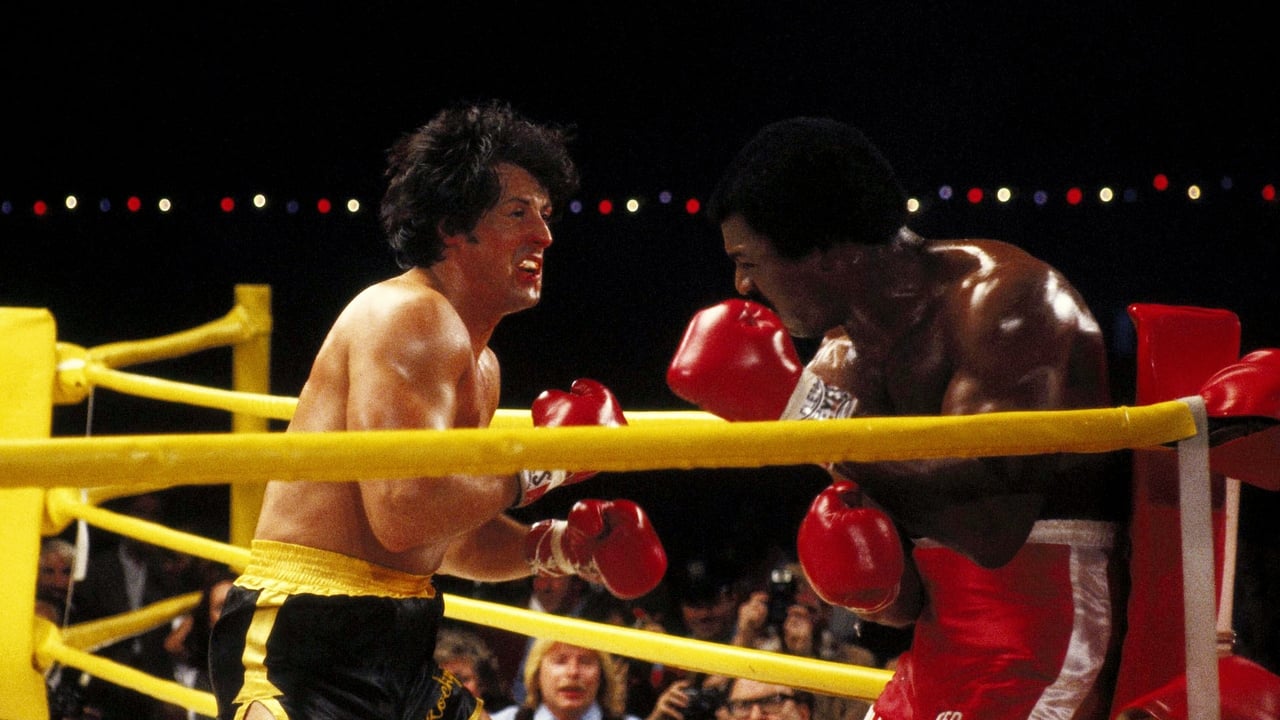
While Rocky is struggling with adulthood, Carl Weathers is turning in a performance as Apollo Creed that is criminally underrated. In the first film, Apollo was a businessman. In the second, he’s a man possessed. He’s reading hate mail that claims he "staged" the first fight, and his ego is hemorrhaging. Carl Weathers plays that insecurity with a sharp, frantic edge. He’s not a villain; he’s a man who needs to prove he’s the best to justify his own existence.
The transition from the 70s "loser-as-winner" trope to the 80s "winner-takes-all" mentality happens right here. When Burgess Meredith finally screams at Rocky to get up and "chase the chicken," the movie shifts gears. That training montage, backed by Bill Conti’s legendary score, is pure cinematic adrenaline. I remember finding an old VHS copy of this in a bargain bin at a Suncoast Video years ago, and the tape was so worn out during the final round that the tracking lines made it look like it was snowing in the ring. Honestly? It added to the drama.
Behind the Blood and Bruises
The production of Rocky II was almost as punishing as the fight itself. Here are a few bits of lore that make the final product even more impressive:
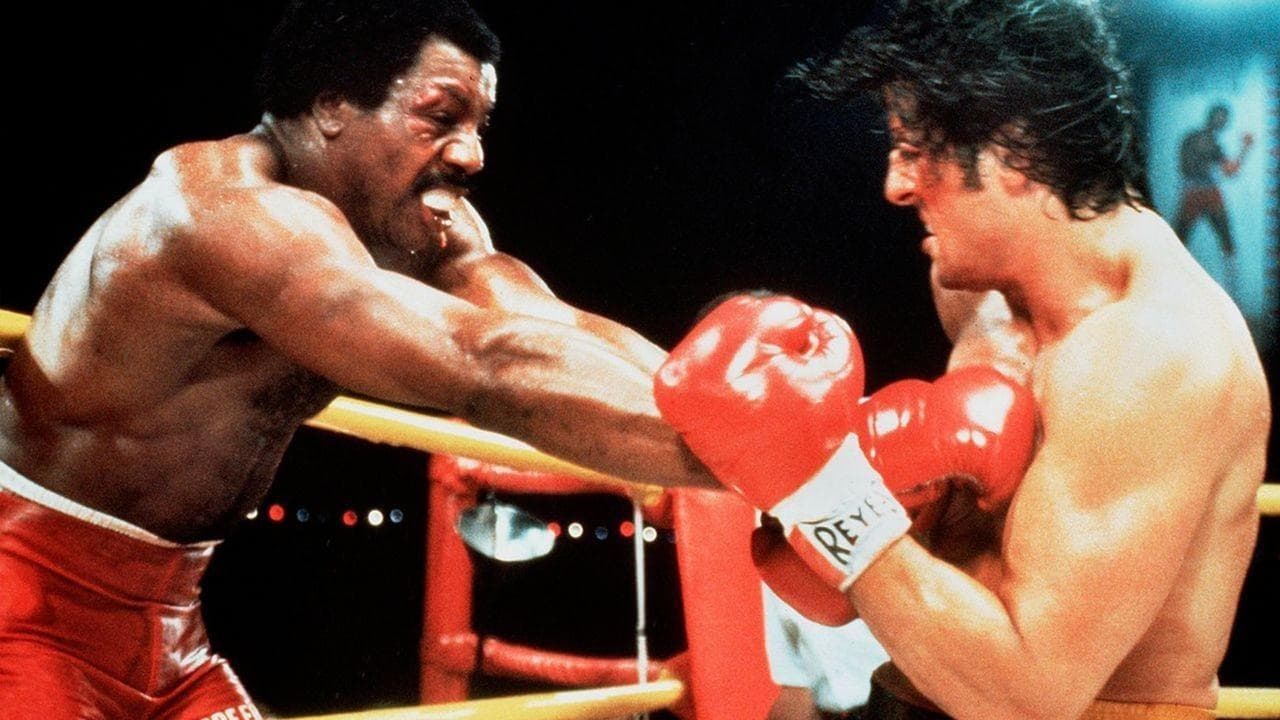
Stallone actually tore his right pectoral muscle while training for the film, bench-pressing 220 pounds. He had to have surgery, which is why you’ll notice he looks a bit different in certain scenes—and why the final fight was choreographed for him to box mostly right-handed. The "run through Philadelphia" scene involved over 800 local school kids. Stallone didn't tell them exactly what to do; he just ran, and they followed him for miles. Stallone wrote the screenplay for a third Rocky film before he even finished shooting the second one, showing a level of confidence that would make Apollo Creed blush. To keep the fight realistic, Stallone and Weathers actually landed several real blows. Stallone later claimed that the physical toll of this film was significantly worse than the first one because he was also obsessing over the camera angles as a director. * The "chicken chasing" scene was a real training technique suggested to Stallone, though Burgess Meredith reportedly found the whole thing hilarious to film.
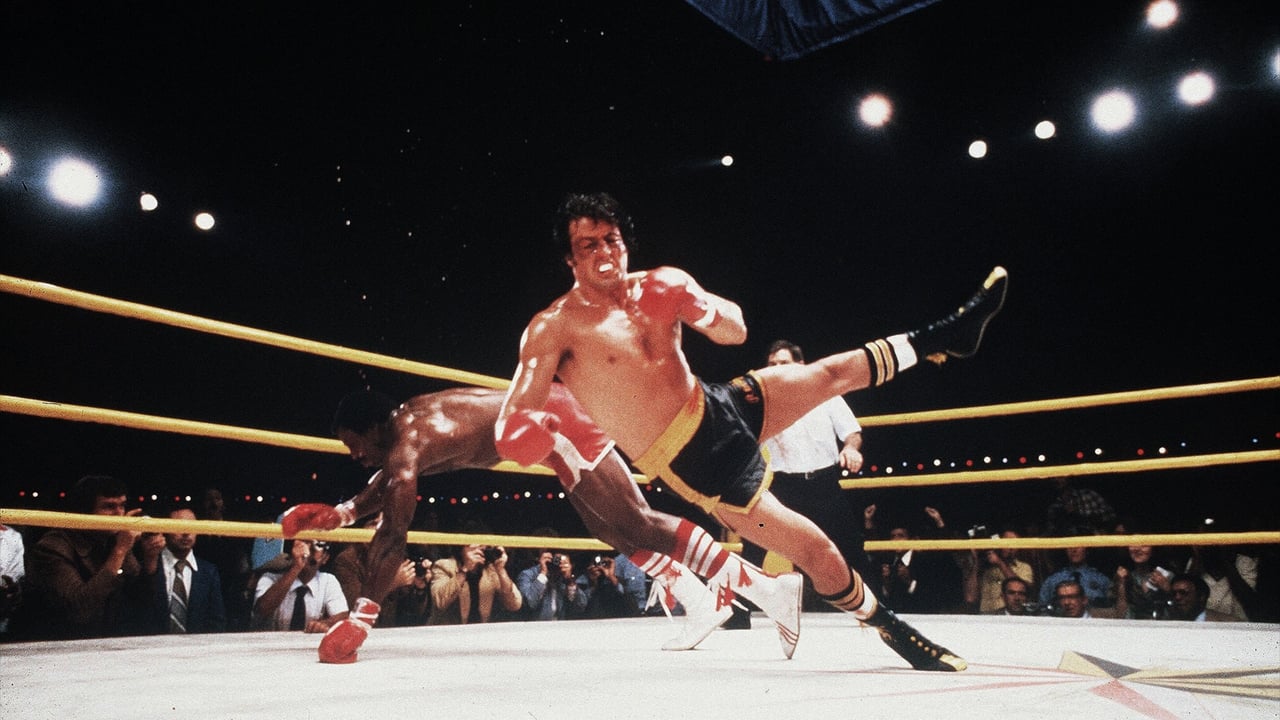
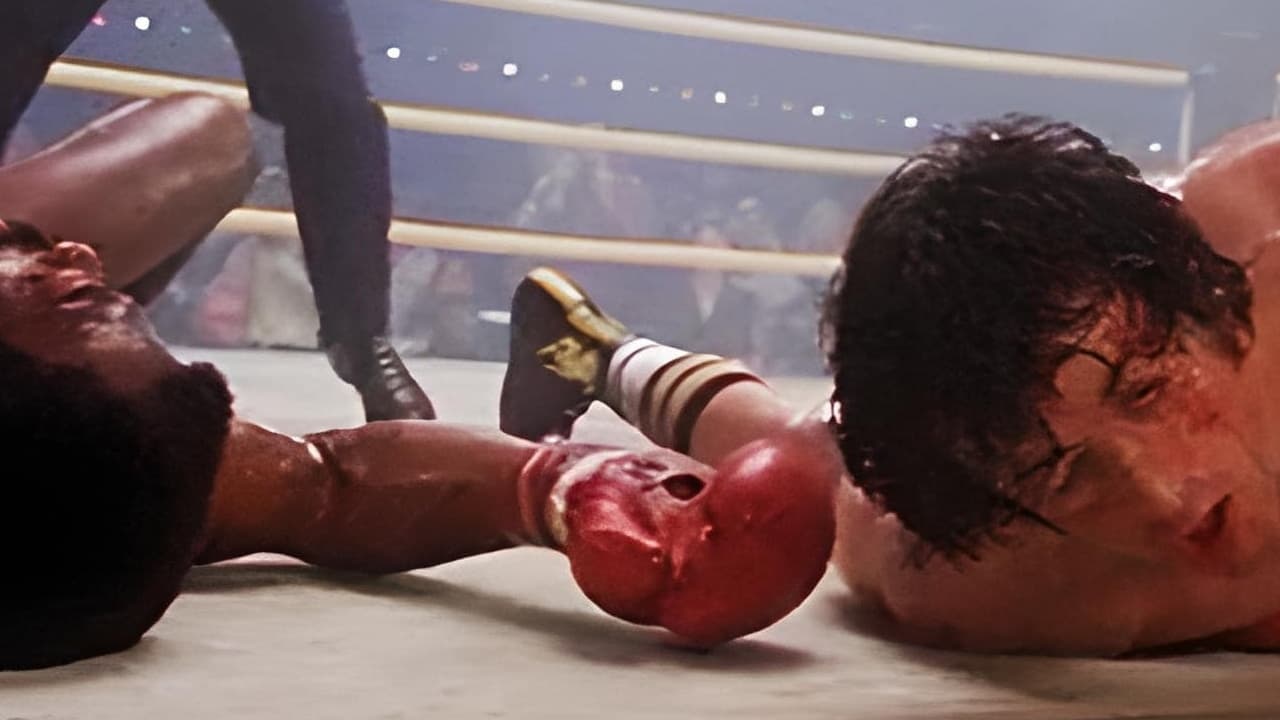
The climactic 15th round is a masterpiece of editing and sound design. It’s not a boxing match; it’s a car crash in slow motion. When both men fall simultaneously, the silence in the arena (and in my living room) is deafening. It’s the rare sequel that validates its predecessor's ending by showing that winning isn't the end of the story—it’s just the beginning of a different set of problems.
Rocky II is the bridge between the artistic vulnerability of 1970s cinema and the high-octane spectacle of the 1980s. It lacks the raw, low-budget lightning-in-a-bottle feel of the original, but it compensates with a massive heart and a genuine interest in what happens to a man when the cheering stops. It’s a movie for anyone who has ever felt like they were failing at the "simple" parts of life. Whether you’re watching it on a pristine 4K disc or a fuzzy old tape you found in your uncle's basement, the emotional payoff of that final countdown remains one of the greatest highs in movie history.
Keep Exploring...
-
Rocky III
1982
-
Rocky IV
1985
-
Rocky
1976
-
Rocky Balboa
2006
-
Rocky V
1990
-
Over the Top
1987
-
Rambo
2008
-
Escape to Victory
1981
-
Tango & Cash
1989
-
Lock Up
1989
-
Escape from Alcatraz
1979
-
Manhattan
1979
-
The Fox and the Hound
1981
-
Gandhi
1982
-
The King of Comedy
1982
-
Footloose
1984
-
First Blood
1982
-
Das Boot
1981
-
The NeverEnding Story
1984
-
Spartacus
1960