Stalker
"The longest walk you’ll ever take home."
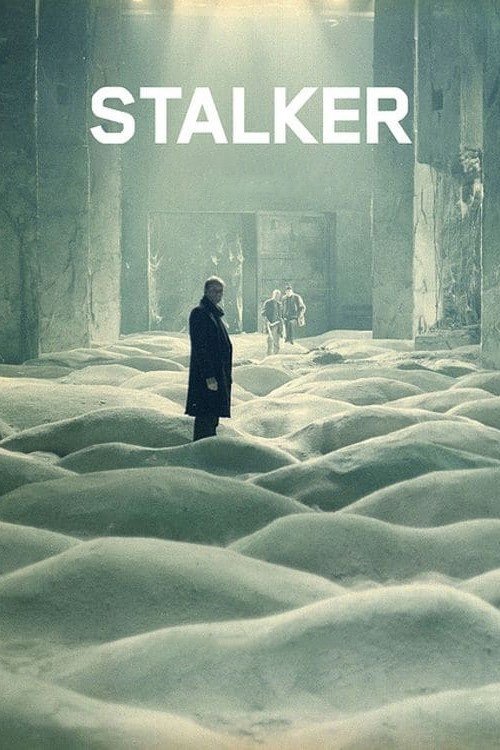
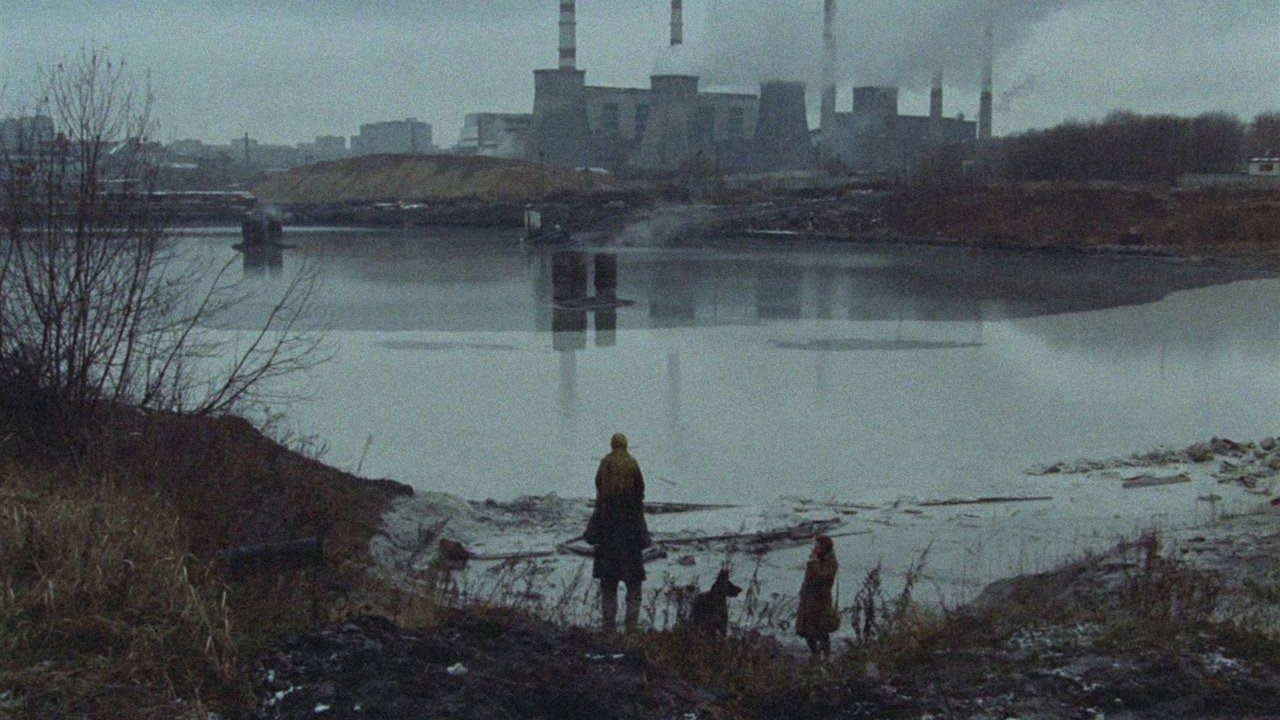
The industrial groan of a train crossing a desolate track is the kind of sound that gets under your skin and stays there. In the opening moments of Andrei Tarkovsky’s 1979 masterpiece, Stalker, the world is a sepia-toned nightmare of damp sheets and crumbling plaster. It’s heavy, it’s oppressive, and it’s one of the most inviting things I’ve ever seen. I watched this most recently while my neighbor was leaf-blowing at 8:00 AM, and somehow the aggressive, buzzing monotony of his yard work felt like a perfect, diegetic extension of the film’s grinding industrial score.
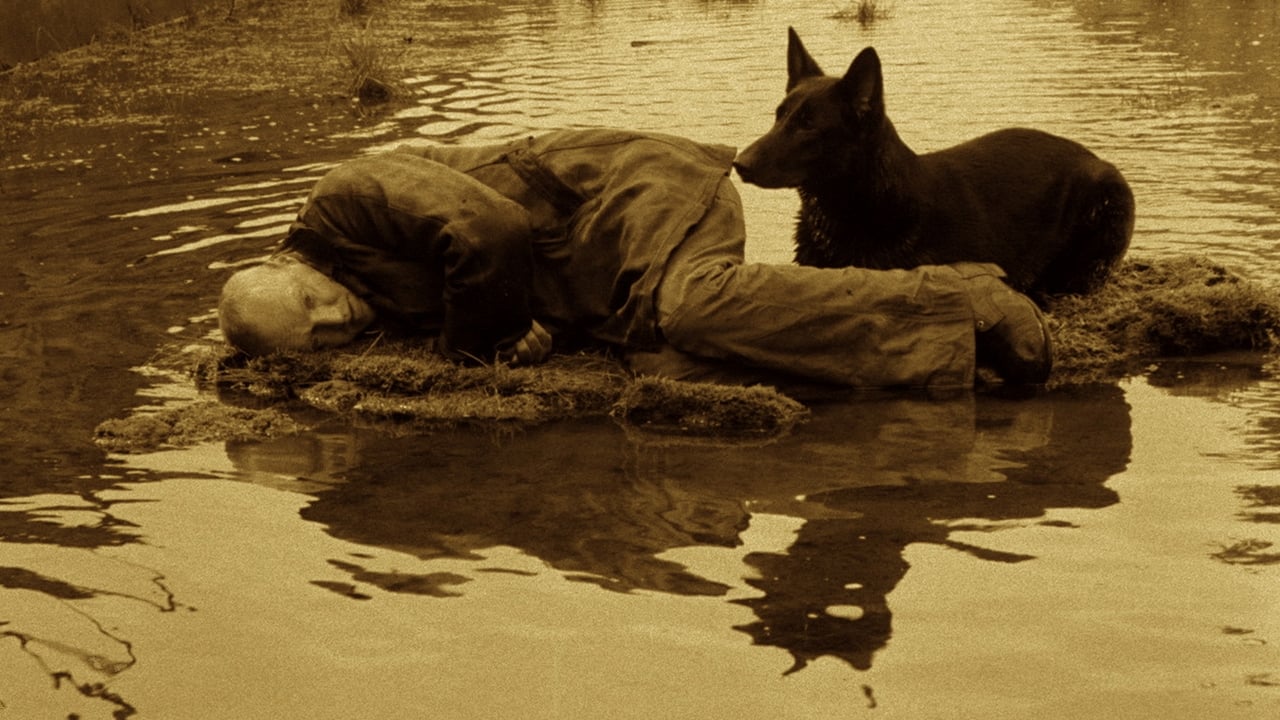
The Sepia Slog to the Emerald Dream
We’re introduced to a man known only as the Stalker (Aleksandr Kaydanovskiy). He’s a weary, desperate guide who leads people into "the Zone"—a restricted, alien territory where the rules of physics have supposedly checked out. He’s hired by two men: the Writer (Anatoliy Solonitsyn), a cynical alcoholic looking for inspiration, and the Professor (Mykola Hrynko), a man of science who seems to have a hidden agenda. They are heading for "the Room," a place where your deepest, most subconscious wish is granted.
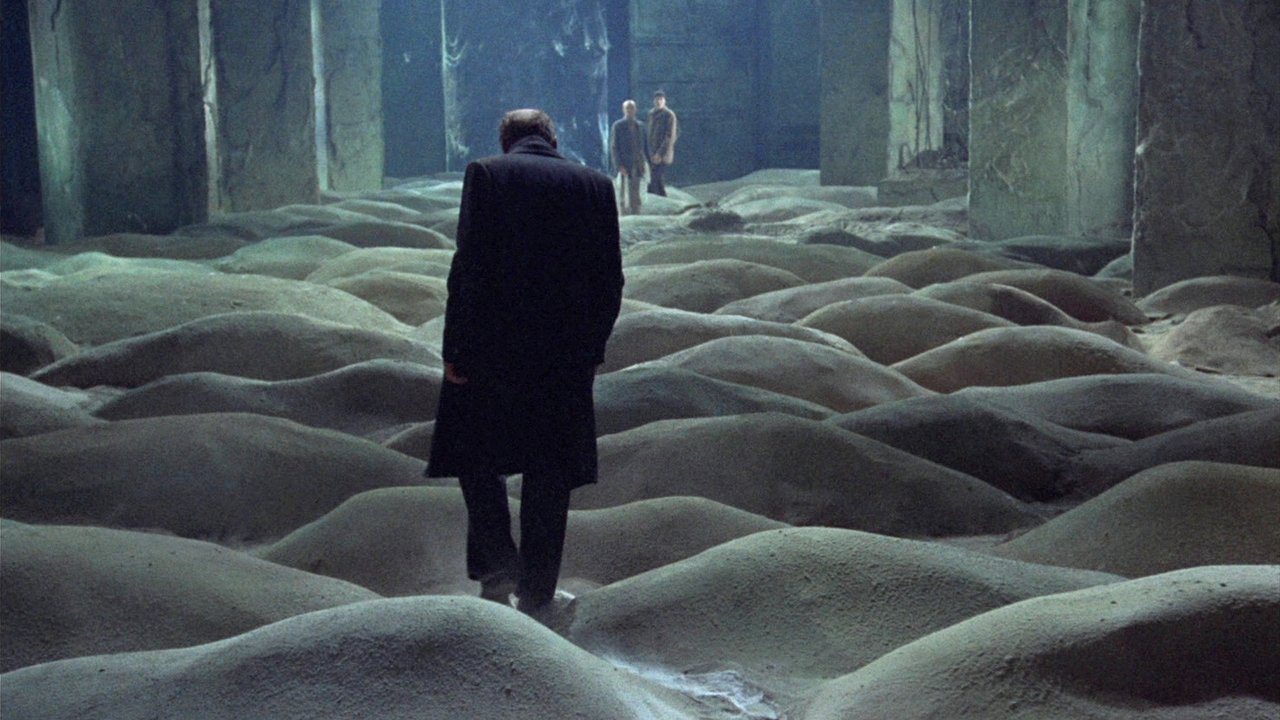
The first thirty minutes are a masterclass in atmospheric dread. Tarkovsky (who also directed Solaris and The Mirror) shoots the "real world" in a muddy, monochromatic brown that makes you want to wash your hands. But then, they cross the threshold into the Zone on a motorized railcar. The camera lingers on their faces for an eternity as the click-clack of the tracks turns into a hypnotic, electronic pulse. Suddenly, the film blooms into color. It’s not the bright, Technicolor pop of a Hollywood musical; it’s a wet, verdant, mossy green that feels like the Earth is slowly reclaiming a graveyard. It’s pacing that makes a snail look like a Ferrari, yet I found myself leaning closer to the screen with every passing minute.
Sci-Fi Without the Science
If you’re coming to Stalker expecting laser beams or shimmering portals, you’re in the wrong time zone. This is science fiction stripped of all its toys. The "anomalies" in the Zone are invisible. The Stalker navigates by throwing a metal nut tied to a strip of cloth, testing the air for "gravity traps" that we never actually see. It’s a brilliant move of independent-minded filmmaking born from necessity and a deep trust in the audience’s imagination. By refusing to show us the monsters, Tarkovsky makes the tall grass and the stagnant puddles feel infinitely more threatening.
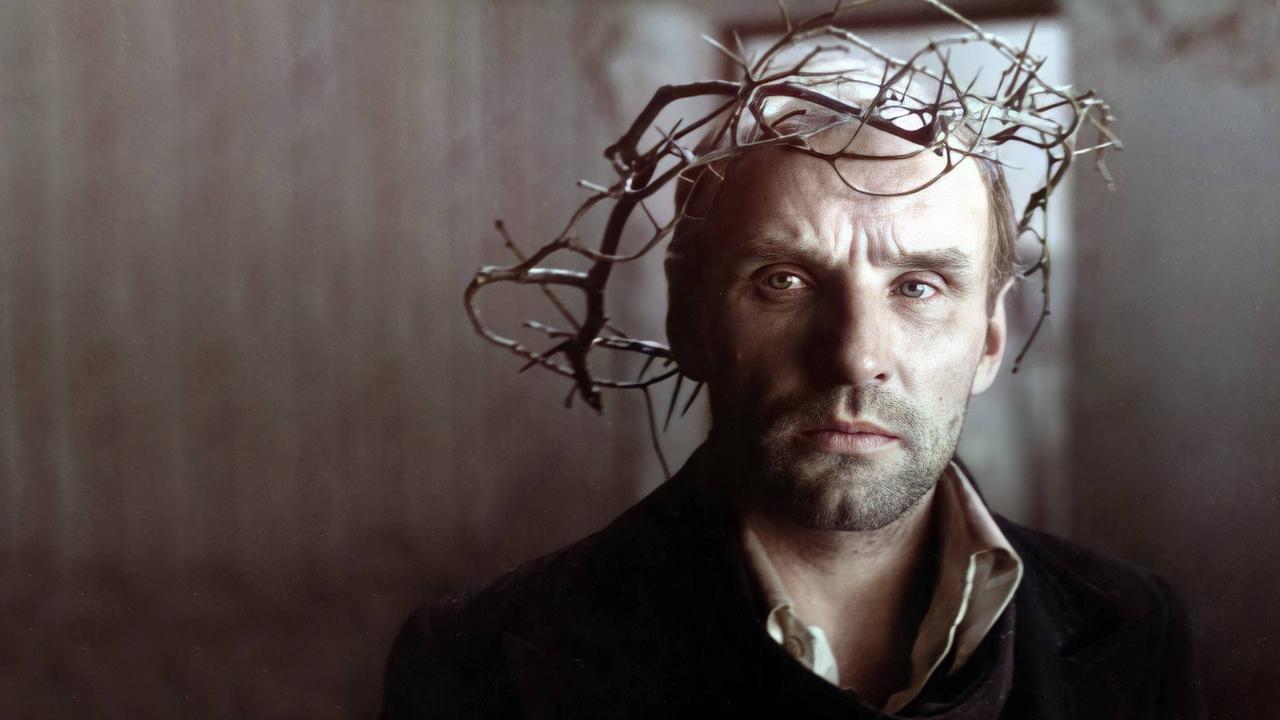
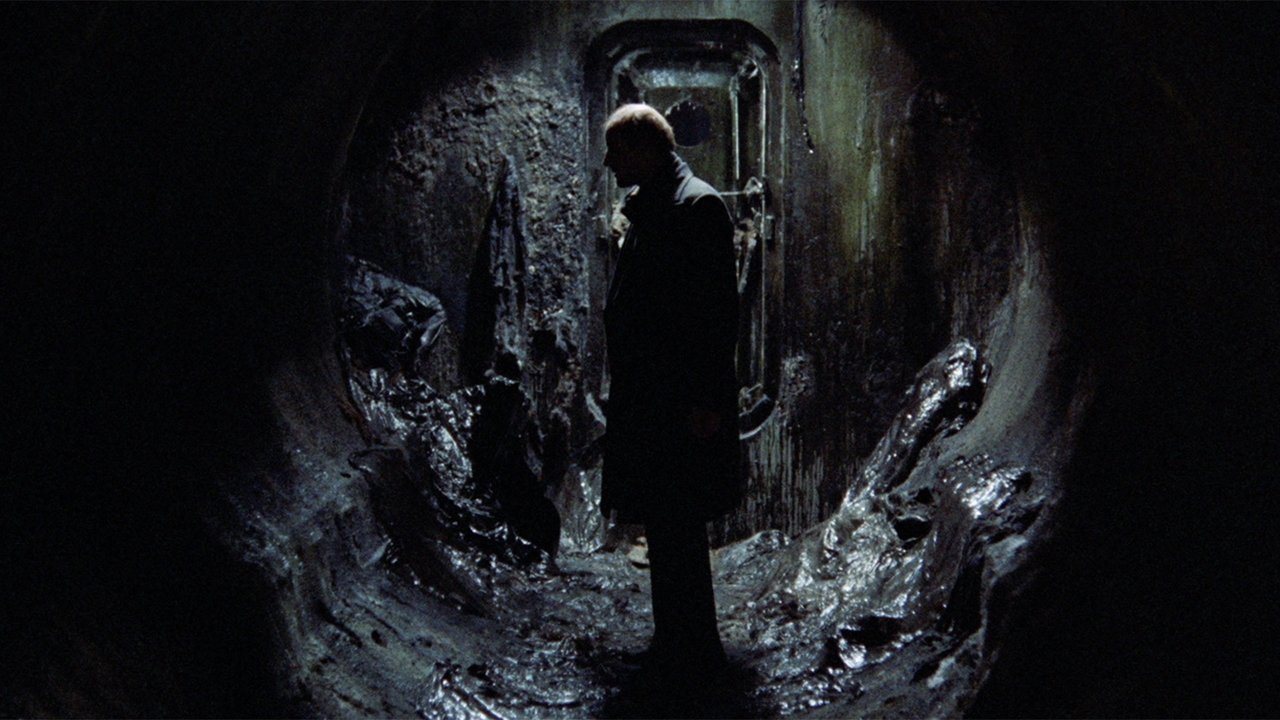
The chemistry between the three leads is where the drama really breathes. Aleksandr Kaydanovskiy plays the Stalker with a twitchy, holy-fool energy that is magnetic. He’s a man who has found a religion in a wasteland. Opposite him, Anatoliy Solonitsyn (a Tarkovsky regular) provides the biting wit, representing the vanity of the artist. Watching them argue about the meaning of life while sitting in a damp tunnel is more gripping than any space battle I've seen in a decade. They aren't just characters; they're walking philosophies having a slow-motion collision.
The Grime and the Glory
The production of Stalker is legendary for all the wrong reasons. It was a "passion project" in the most literal, agonizing sense. After shooting for a year, a laboratory error destroyed the original film stock. Tarkovsky was devastated but used the opportunity to rewrite the script entirely with the Strugatskiy brothers, leaning away from the pulpier sci-fi elements of their novel, Roadside Picnic, and toward something more spiritual.
The film was shot near a toxic chemical plant in Estonia, and many believe the polluted water and air at the location eventually led to the premature deaths of several crew members, including the director himself. Knowing that the world's most depressing theme park ride was filmed in a place that was actually killing the cast adds a layer of haunted authenticity you just can’t replicate with CGI. Every cough and every bead of sweat on Mykola Hrynko’s brow feels terrifyingly real.
This movie became a staple of the "difficult" art-house rental section during the VHS boom of the 80s. I remember seeing those box covers with the stark, weathered faces and feeling intimidated. But once you give in to its rhythm, Stalker becomes a deeply personal experience. It asks you: If you could have your heart’s desire, would you even want it? Or is it the desire itself that keeps us human?
The final act of Stalker doesn’t provide easy answers, and that’s why it lingers. It’s a film about faith, not in a traditional sense, but in the belief that there is something meaningful hidden in the decay of our world. It’s a demanding watch that rewards you with images that will stay burned into your retinas long after the credits roll. If you have the patience to sit through its silence, you’ll find it’s one of the loudest movies ever made.
Keep Exploring...
-
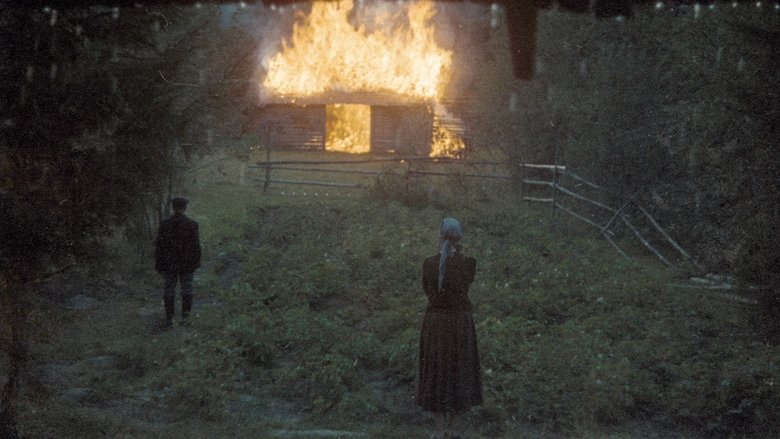
Mirror
1975
-

Solaris
1972
-

Andrei Rublev
1966
-
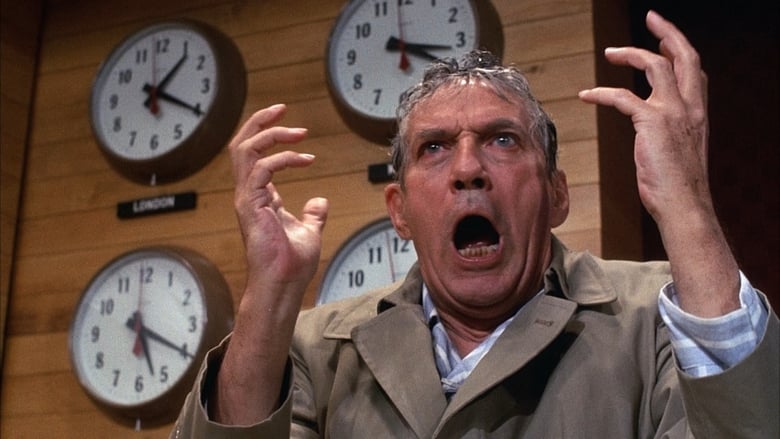
Network
1976
-
Annie Hall
1977
-
Paris, Texas
1984
-

Fahrenheit 451
1966
-
La Jetée
1962
-
Planet of the Apes
1968
-
The Apartment
1960
-
Judgment at Nuremberg
1961
-
Guess Who's Coming to Dinner
1967
-

Midnight Cowboy
1969
-
The Holy Mountain
1973
-
Wings of Desire
1987
-

My Left Foot: The Story of Christy Brown
1989
-

Rocky
1976
-
The Man from Earth
2007
-

I Origins
2014
-
Close Encounters of the Third Kind
1977