Star Trek: The Motion Picture
"Vast, cold, and unexpectedly human."
I once spent an entire Tuesday evening sitting on my kitchen floor with a heavy pipe wrench in my hand, staring at a leaky faucet I was supposed to fix, but I never got around to it because I’d turned on Star Trek: The Motion Picture in the background. Three hours later, the floor was still dry, the sink was still dripping, and I was deeply mesmerized by the interior of a giant, sentient space-cloud. That is the power—and the peril—of this movie. It doesn’t just ask for your attention; it hypnotizes you into a trance.
When Robert Wise (the man who gave us The Sound of Music and The Day the Earth Stood Still) took the helm for Trek's big-screen debut in 1979, the world was still vibrating from the high-octane dogfights of Star Wars. Paramount wanted their own space-fantasy hit, but what they delivered was something far closer to Stanley Kubrick’s 2001: A Space Odyssey. It is slow, it is sterile, and it is absolutely massive.
The World’s Most Beautiful Lava Lamp
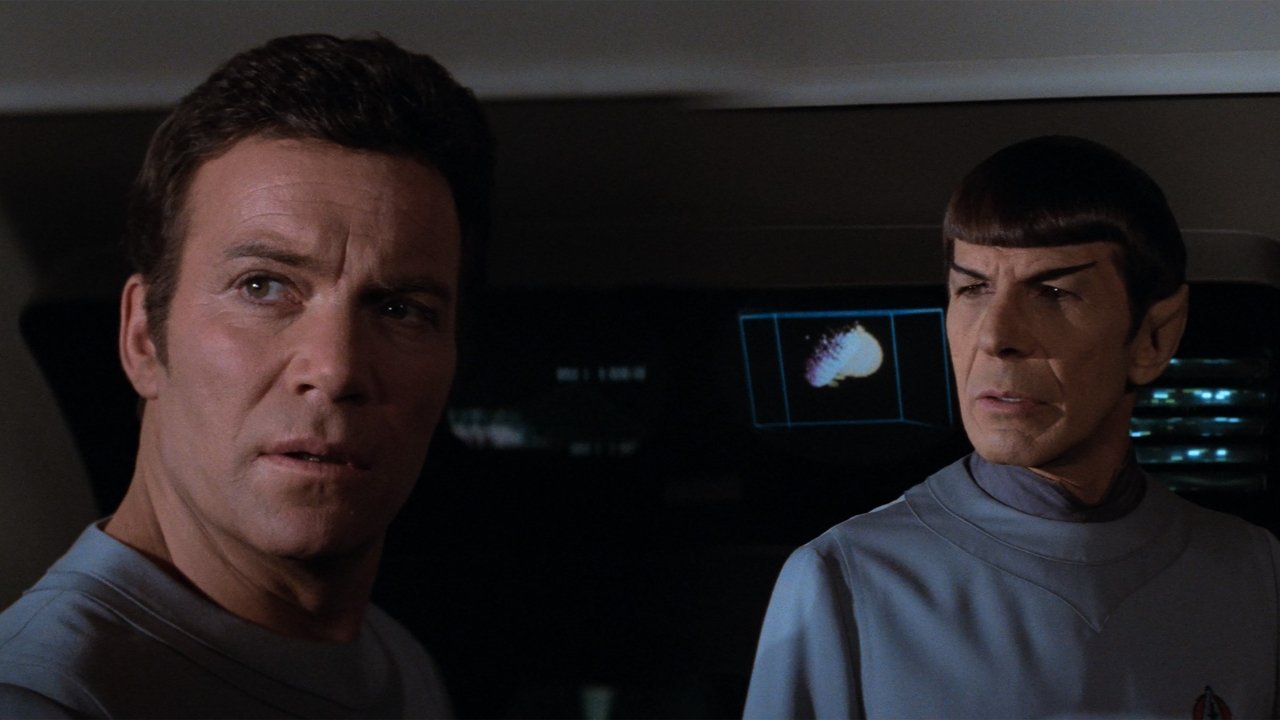
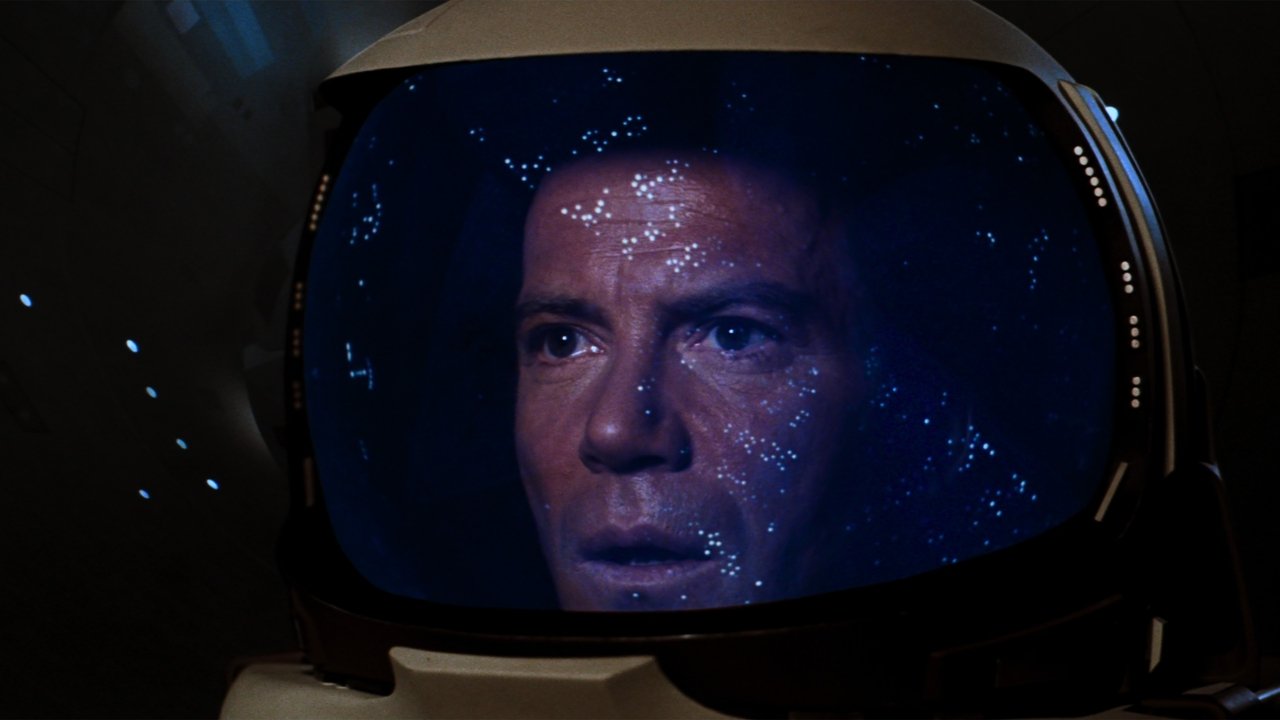
There is a long-standing joke that this film should have been titled The Motionless Picture. I get it. There are sequences—like the legendary five-minute slow-motion fly-by of the newly refit Enterprise—that feel like they were filmed in real-time. But honestly? I love it. William Shatner, playing a noticeably grayer and more desperate Admiral James T. Kirk, looks at that ship with more romantic longing than he ever showed any of his alien love interests.
The visual effects, handled by legends Douglas Trumbull (Blade Runner) and John Dykstra, are a masterclass in the Practical Effects Golden Age. There is no CGI "weightlessness" here; you can feel the physical scale of the miniatures. V'Ger, the massive entity threatening Earth, isn't just a ship; it’s an environment. Watching it today, I’m struck by how much better these 45-year-old physical models look than the blurry digital soup we get in modern blockbusters. The Enterprise is the real lead actor here, and the camera treats her like a goddess.
A Cold Reunion in Space
The transition from the colorful, campy TV show to this high-concept epic was a shock to the system. The crew is dressed in "pajama-chic" pastel uniforms that look like they belong in a futuristic dental office. William Shatner gives us a Kirk who has spent too much time behind a desk; he’s a bit of a jerk, pulling rank to steal the ship back from Captain Decker (Stephen Collins).
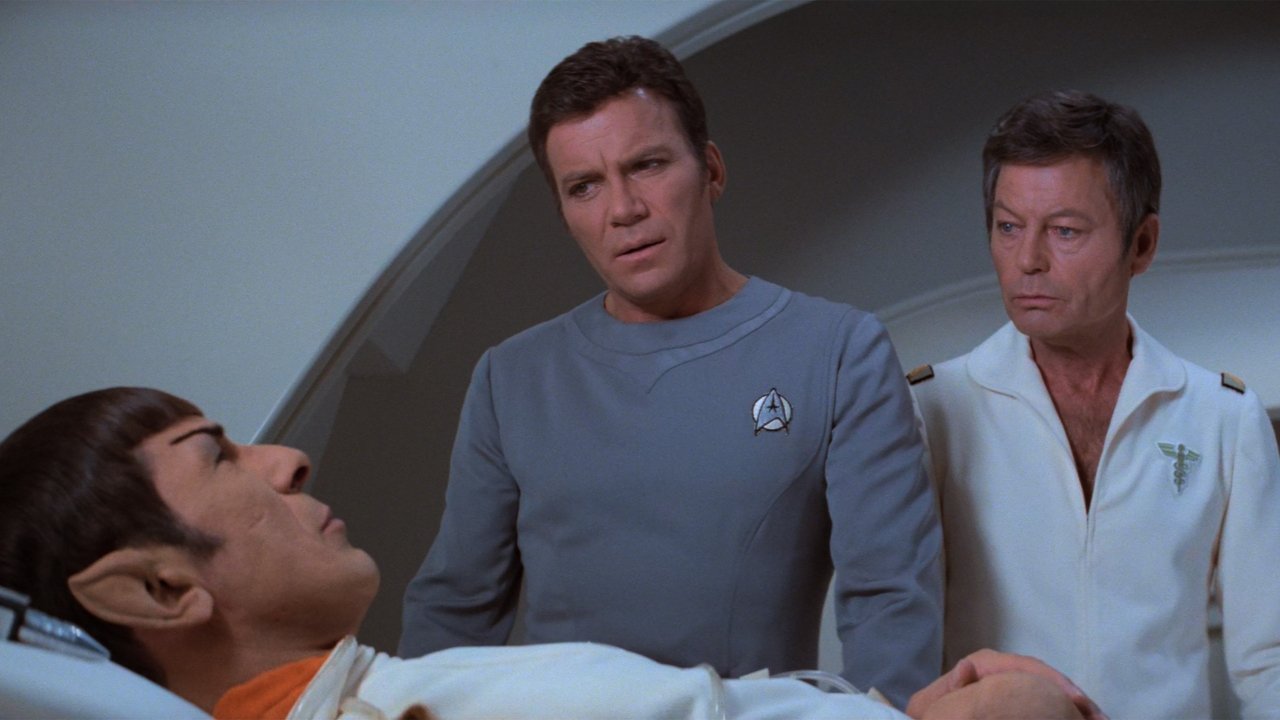
Then there’s Leonard Nimoy as Spock. When he finally arrives, he’s colder than ever, having failed the Kolinahr ritual to purge all emotion. The chemistry between Kirk, Spock, and DeForest Kelley’s grumpy-as-ever "Bones" McCoy is what saves the film from becoming too robotic. Even through the heavy layers of "serious sci-fi," that central triad remains the beating heart of the franchise. I’ve always felt that the movie's biggest mistake was hiding Leonard Nimoy for the first 45 minutes, but his entrance is undeniably cool.
The $44 Million Gamble
By 1979 standards, the budget for this film was astronomical. It ballooned from a modest $15 million (originally intended for a new TV series called Star Trek: Phase II) to a staggering $44 million. To put that in perspective, that’s about $180 million in today’s money. Much of that cash was burned when the original effects house failed to deliver, forcing the studio to bring in Douglas Trumbull for a mad dash to the finish line.
Despite the production "hell," it was a massive hit, raking in over $139 million worldwide. It proved that Star Trek wasn’t just a cult TV show; it was a cultural titan. It also gave us the debut of the ridged-forehead Klingons. Before this, they just looked like guys in bronzer with aggressive eyebrows; here, they became the alien warriors we know today.
The Home Video Slow-Burn
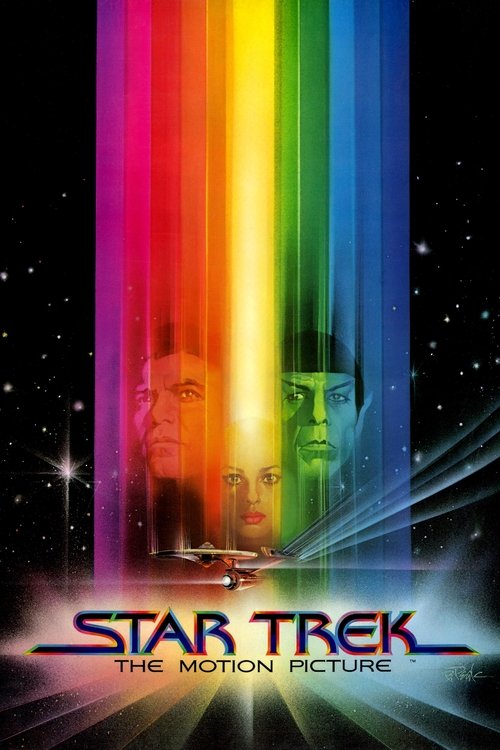
I remember the first time I saw this on a Paramount "Home Video" VHS—the one in the iconic white box with the rainbow spectrum on the front. On a small CRT television, the V'Ger sequences felt interminable. You could literally go make a sandwich during the "Cloud Sequence" and not miss a single plot point.
However, this is a film that was made for the home video revolution. It’s a movie that invites you to lean back and soak in the atmosphere. The score by Jerry Goldsmith is arguably the greatest in sci-fi history—so good that they reused the main theme for The Next Generation a decade later. Every time that horn section kicks in, I feel like I’m ten years old again, staring at the stars.
While later sequels like The Wrath of Khan (1982) brought the phaser fire and the drama, The Motion Picture is the only one that truly captures the "mystery" of deep space. It’s an intellectual journey about a lonely machine looking for its father, and if you can get past the slow pacing, it’s a genuinely profound experience.
It isn't the most exciting Star Trek movie, and it certainly isn't the funniest, but it is the most majestic. It’s a film that dares to be quiet in a genre that usually loves to scream. It’s flawed, overblown, and occasionally pretentious, but it treats the "Human Adventure" with a reverence that we rarely see in cinema anymore. Put it on a big screen, turn the lights down, and let the V'Ger cloud swallow you whole. Just maybe fix your sink before you start.
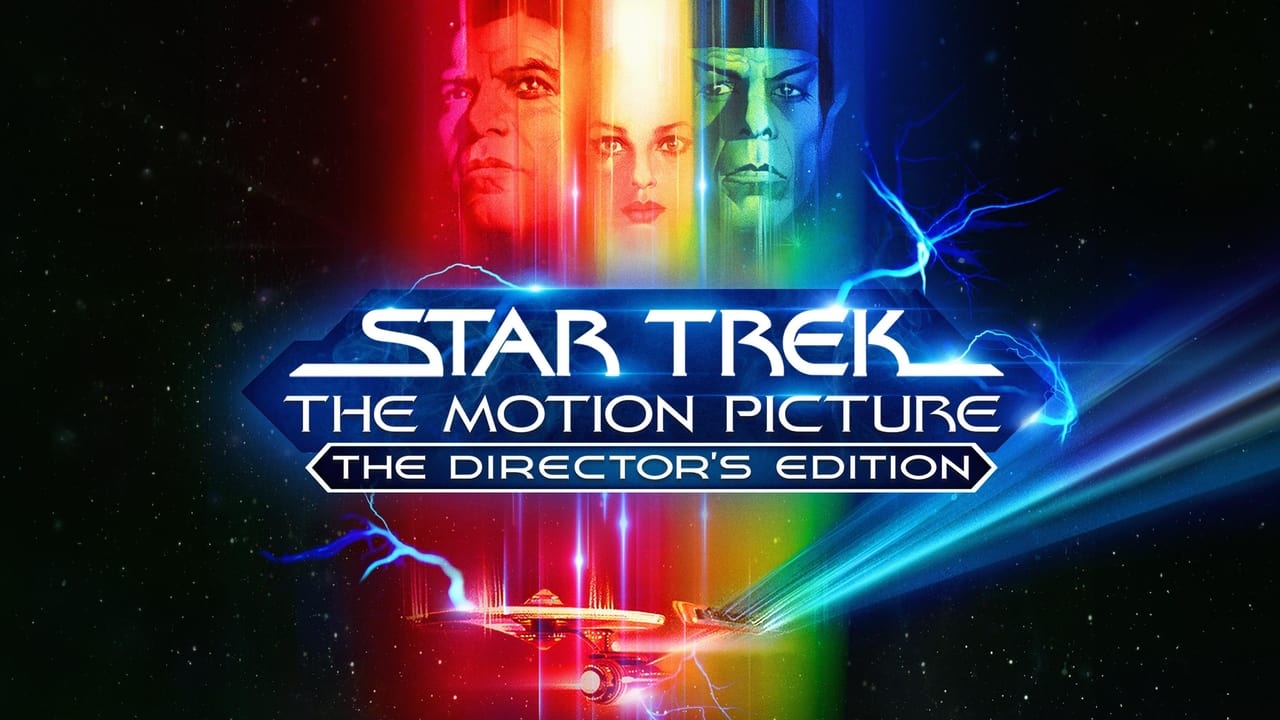

Keep Exploring...
-
Star Trek IV: The Voyage Home
1986
-
Star Trek III: The Search for Spock
1984
-
Star Trek V: The Final Frontier
1989
-

Star Trek II: The Wrath of Khan
1982
-

Star Trek VI: The Undiscovered Country
1991
-

Superman
1978
-
Moonraker
1979
-

Superman II
1980
-
Beneath the Planet of the Apes
1970
-

Honey, I Shrunk the Kids
1989
-
Flash Gordon
1980
-
The Secret of NIMH
1982
-
Tron
1982
-
Superman III
1983
-
Dune
1984
-
Return of the Jedi
1983
-
Time Bandits
1981
-

Videodrome
1983
-

Prometheus
2012
-
Close Encounters of the Third Kind
1977