The Castle of Cagliostro
"Steal the girl, keep the treasure, outrun the law."
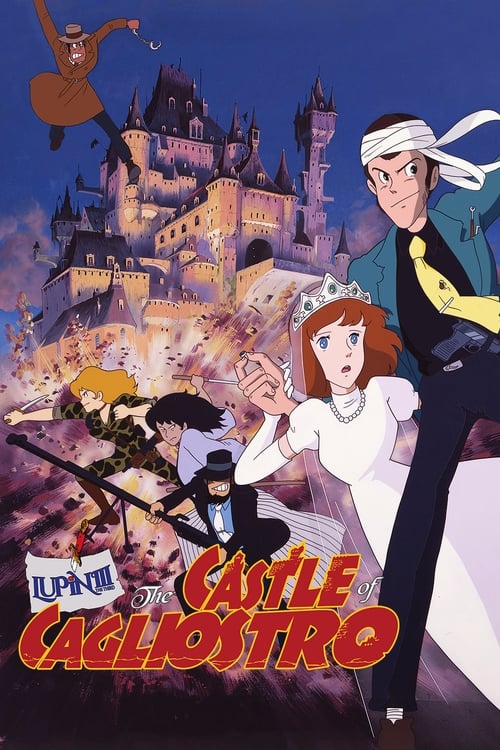
I first watched The Castle of Cagliostro on a flight to Tokyo while the passenger next to me was snoring so loudly I had to crank my headphones to the max. Despite the mid-air turbulence and the smell of stale airline coffee, I was completely transported. There is a specific kind of magic that happens when a filmmaker hits their stride before they even know they’re a legend, and that is exactly what’s captured in this 102-minute explosion of joy.
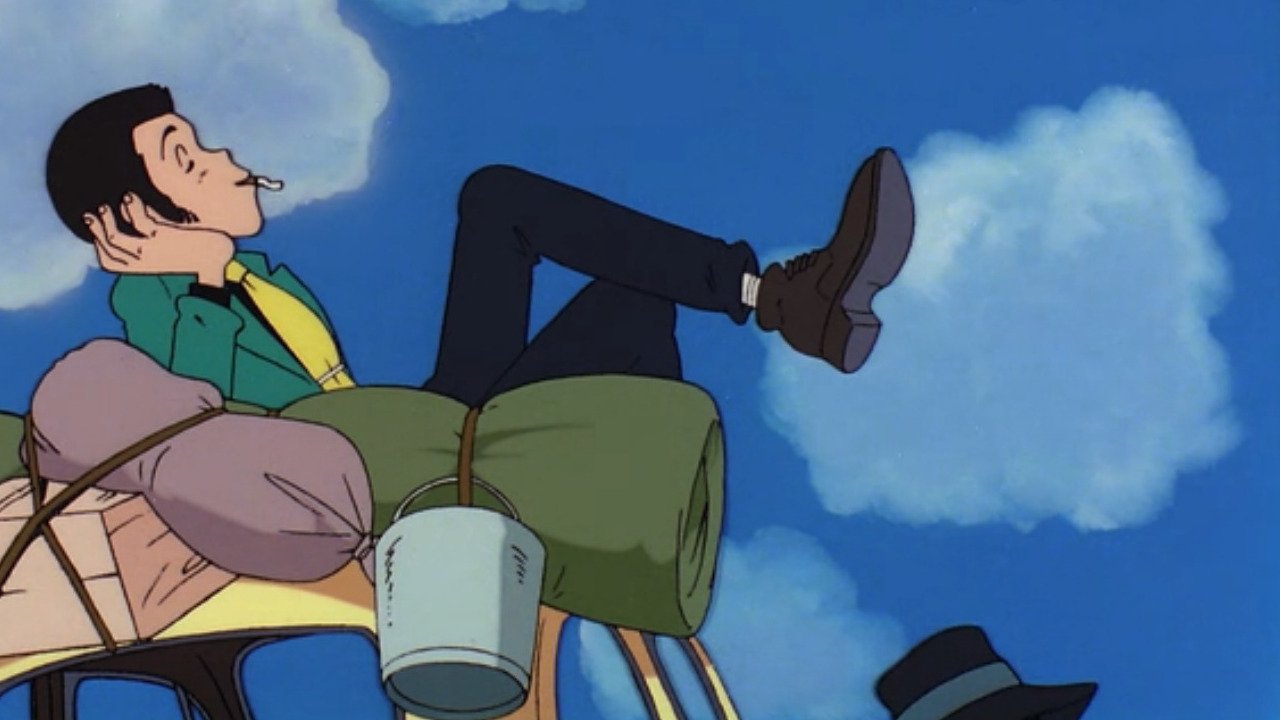
Before Hayao Miyazaki became the "Walt Disney of Japan" and founded Studio Ghibli, he was a director-for-hire tasked with making a movie for a pre-existing franchise. Lupin III was already a massive hit in manga and TV form, but Miyazaki decided to strip away the grittier, more lecherous edges of the gentleman thief to create something that feels like a cross between a Bond film and a classic fairy tale. The result is a movie that Steven Spielberg reportedly called one of the greatest adventure films ever made—and for once, the hype is actually understated.
The Best Car Chase You’ve Never Seen
The film kicks off with a literal bang. Our hero, Arsène Lupin III (voiced by the legendary Yasuo Yamada), and his stoic, sharp-shooting partner Daisuke Jigen (Kiyoshi Kobayashi) have just robbed a casino, only to realize the money is "Goat Money"—high-quality counterfeits from the tiny European country of Cagliostro. Instead of being annoyed, Lupin is thrilled. He smells a mystery.
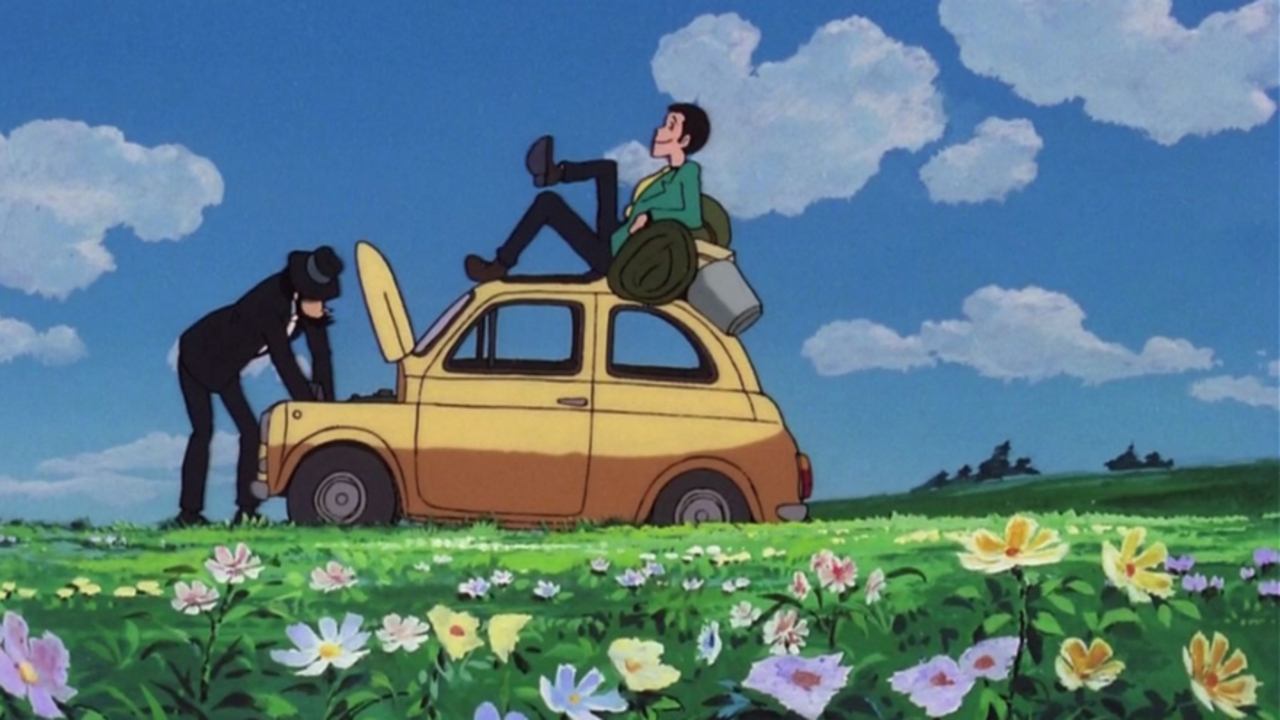
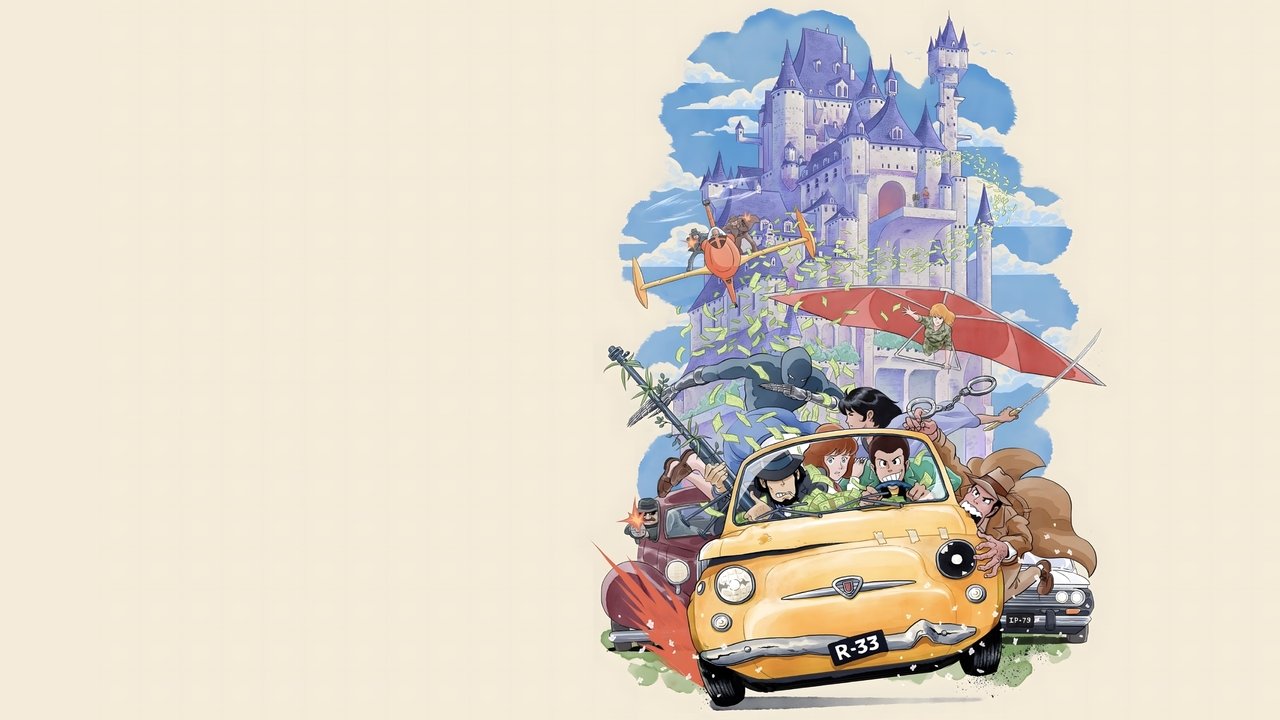
What follows is a car chase involving a yellow Fiat 500 that defies the laws of physics in the most delightful way possible. This isn't the slick, CGI-drenched action of modern cinema. This is the golden age of practical-style animation, where you can feel the weight of the car as it bounces off cliffs and the frantic energy of the characters as they scramble to keep their vehicle on the road. The sense of momentum is infectious. I found myself leaning in my seat, trying to help the car turn. It’s a masterclass in pacing—the most romantic movie about a guy who definitely needs a shower and a real job, yet you’re rooting for him every second.
A Masterclass in World-Building
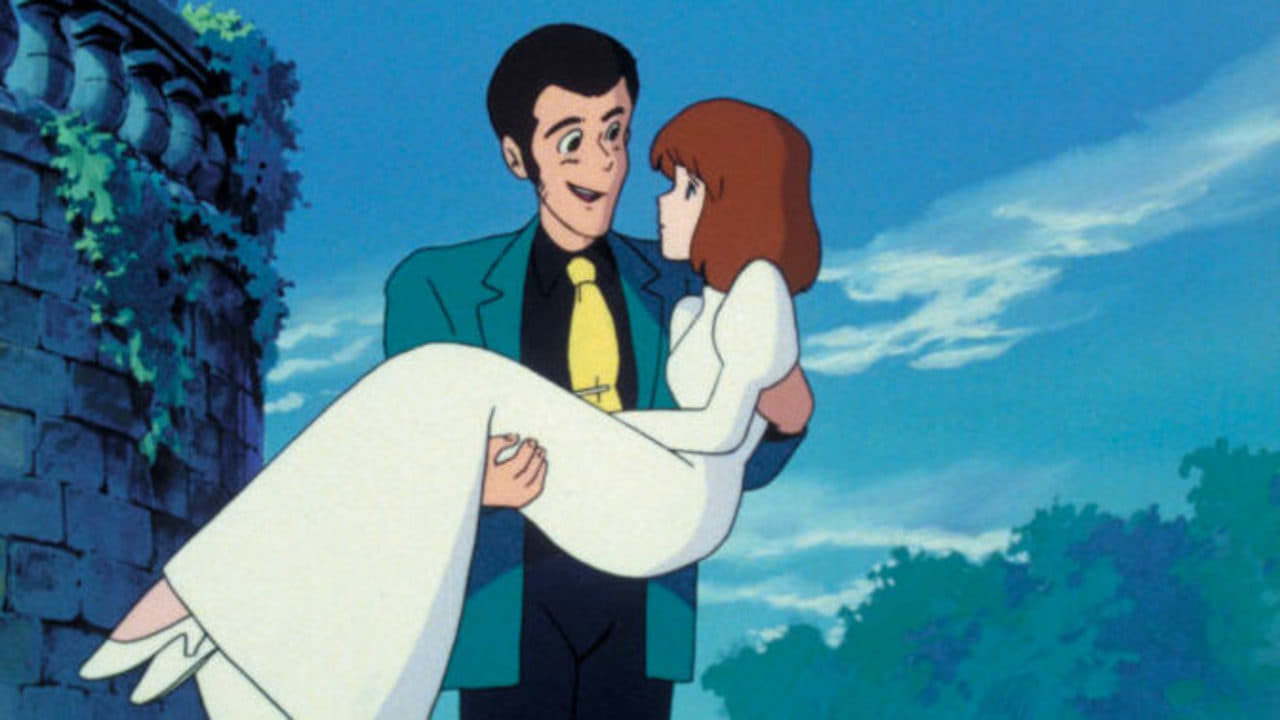
Once we arrive at the titular castle, the movie shifts gears from a heist film into a lush, Gothic adventure. We meet Lady Clarisse (Sumi Shimamoto), a "damsel in distress" who actually has quite a bit of backbone, and the villainous Count, who is as punchable as any 80s movie baddie. The castle itself is a character—a sprawling maze of trap doors, flooded dungeons, and clockwork mechanisms.
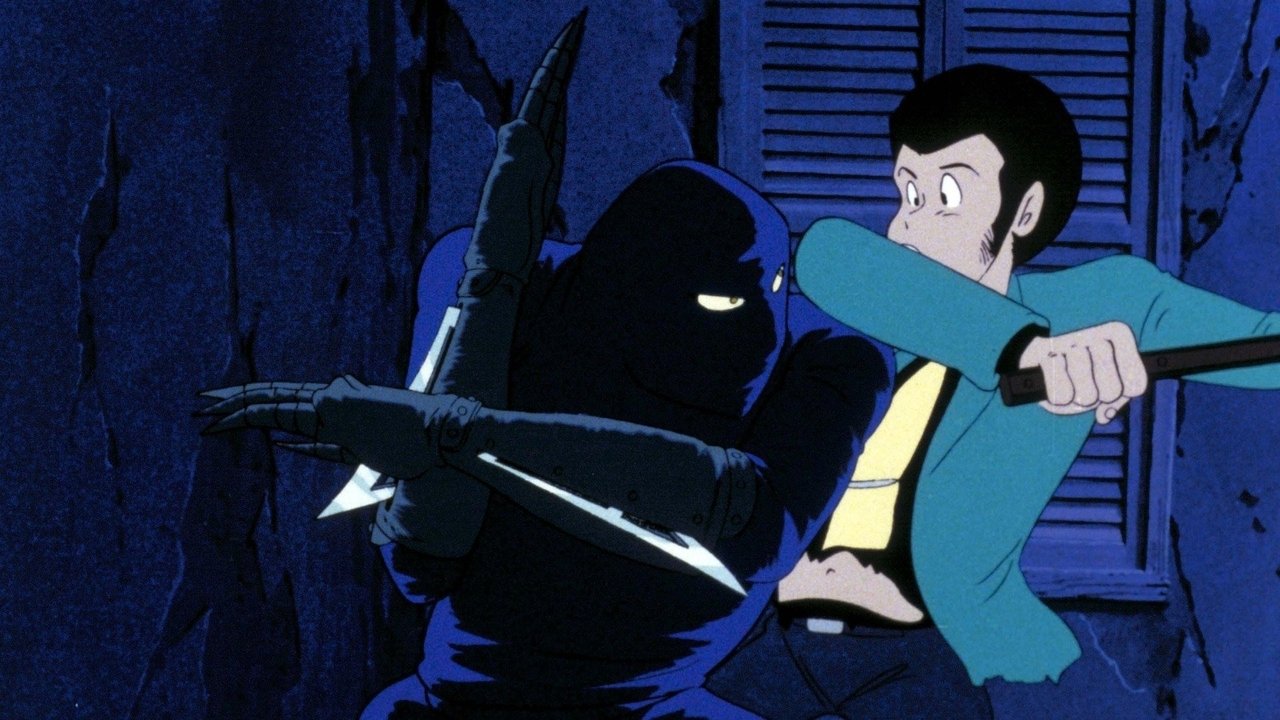
Miyazaki’s eye for detail is already on full display here. Even in 1979, he was obsessed with the way water moves, the way wind rustles through trees, and how mechanical things (like the Count's terrifying autogyro) actually function. The animation, handled by Tokyo Movie Shinsha and Telecom Animation Film, has a warmth and texture that digital work often struggles to replicate. It feels lived-in. When Lupin is running across the rooftops, you aren't just watching a drawing; you're feeling the vertigo.
The ensemble cast is equally stellar. Eiko Masuyama brings a perfect blend of mystery and self-interest to Fujiko Mine, the femme fatale who is always three steps ahead of everyone else. Meanwhile, Gorō Naya’s Inspector Zenigata—the man obsessed with catching Lupin—provides some of the film's best comedic relief. His relationship with Lupin isn't just cop-and-criminal; it’s a weirdly respectful rivalry that reminds me of the best Looney Tunes shorts.
The VHS Treasure Hunt
For decades, The Castle of Cagliostro was a bit of a "holy grail" for Western fans. It didn't get a proper theatrical release in the States for years, meaning it lived almost exclusively in the back corners of independent video stores. I remember seeing those early VHS covers from Streamline Pictures—they often tried to market it as a hardcore action flick to fit the "extreme" anime trend of the 80s and 90s, but the movie is actually much more wholesome and whimsical.
The film actually flopped during its initial Japanese theatrical run because fans of the original, darker Lupin III felt Miyazaki had made the character too "nice." It was the home video revolution that saved it. People took it home, watched it with their families, and realized that this wasn't just another TV spin-off; it was a standalone masterpiece. It’s one of those rare films that rewards repeat viewings because the background art is so dense and the comedic timing is so precise. Whether it's the way Lupin tries to eat a mountain of spaghetti or the sheer absurdity of Makio Inoue’s Goemon cutting through a tank with a samurai sword, there’s always something new to catch.
The Castle of Cagliostro is a reminder of why we fall in love with movies in the first place. It doesn't care about being cynical or "gritty." It just wants to take you on a journey to a place with hidden treasure, high-stakes rescues, and a hero who can outsmart anyone with a grin and a grappling hook. It’s the ultimate "five-minute test" movie—if you watch the first five minutes and don't want to see the rest, you might need to check your pulse. Whether you’re a die-hard anime fan or just someone who misses the adventurous spirit of the early Spielberg era, this is a treasure worth stealing.
Keep Exploring...
-
Nausicaä of the Valley of the Wind
1984
-
Porco Rosso
1992
-
The Twelve Tasks of Asterix
1976
-
Castle in the Sky
1986
-

Bedknobs and Broomsticks
1971
-

An American Tail
1986
-
Asterix and Cleopatra
1968
-
Time Bandits
1981
-
48 Hrs.
1982
-
Romancing the Stone
1984
-
Lethal Weapon 2
1989
-
My Neighbor Totoro
1988
-
Princess Mononoke
1997
-
One Hundred and One Dalmatians
1961
-
The Aristocats
1970
-
Who Framed Roger Rabbit
1988
-
Kiki's Delivery Service
1989
-
Ladyhawke
1985
-

Midnight Run
1988
-
The Adventures of Baron Munchausen
1988