The Warriors
"Ten miles. One hundred thousand enemies. No way out but through."
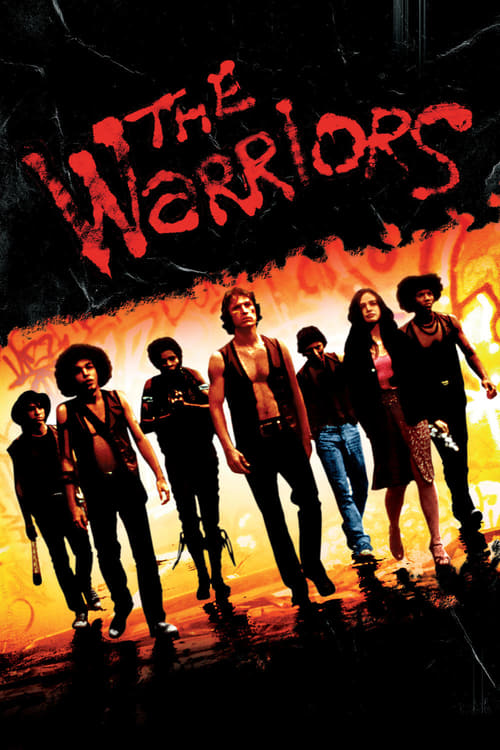
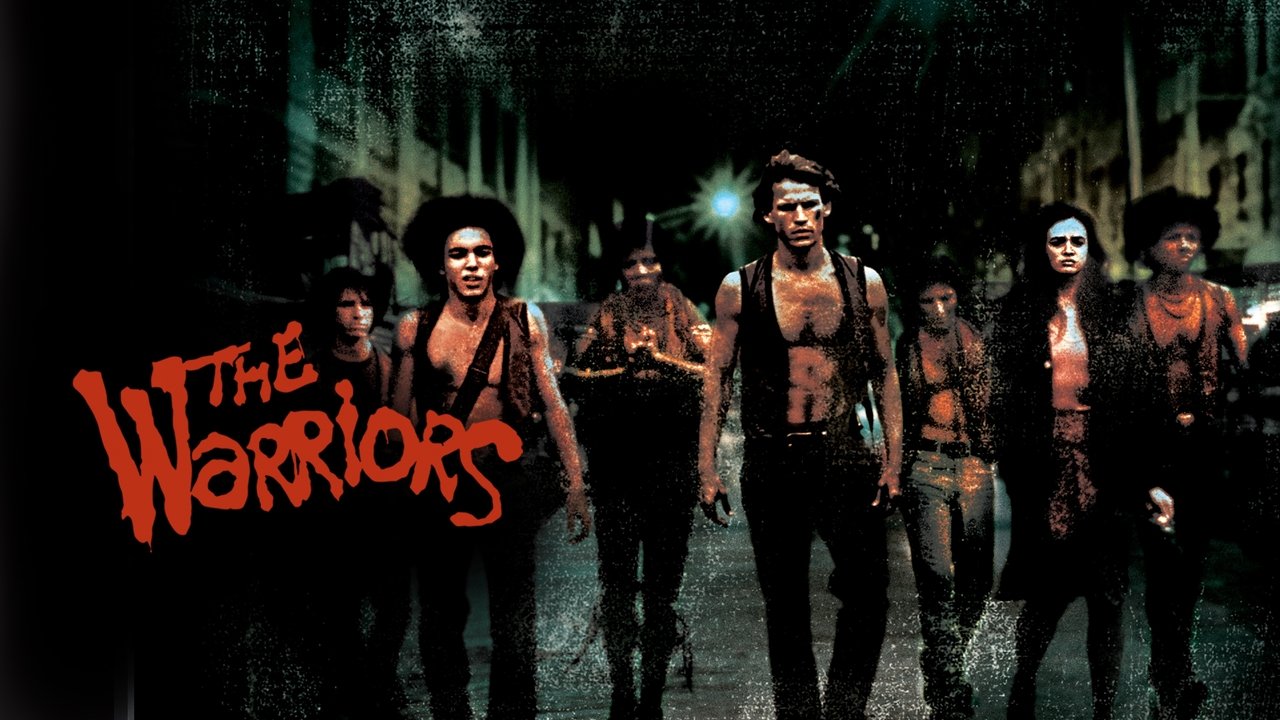
The 1979 New York depicted in Walter Hill’s The Warriors isn't the one found in municipal records or gritty documentaries; it’s a hyper-stylized, neon-soaked purgatory where the subways are steel chariots and the street thugs wear leather vests like Greco-Roman armor. When Cyrus, the messianic leader of the Gramercy Riffs, stands atop a podium in Van Cortlandt Park and asks, "Can you dig it?" he isn't just talking to the fictional gangs in the crowd. He’s inviting the audience into a dreamscape of urban warfare that feels more like a comic book than a crime drama. I actually watched this for the third time while recovering from a wisdom tooth extraction, and the rhythmic clinking of those iconic soda bottles made my jaw throb in perfect sync with the tension—a physical reaction for a film that thrives on rhythm.
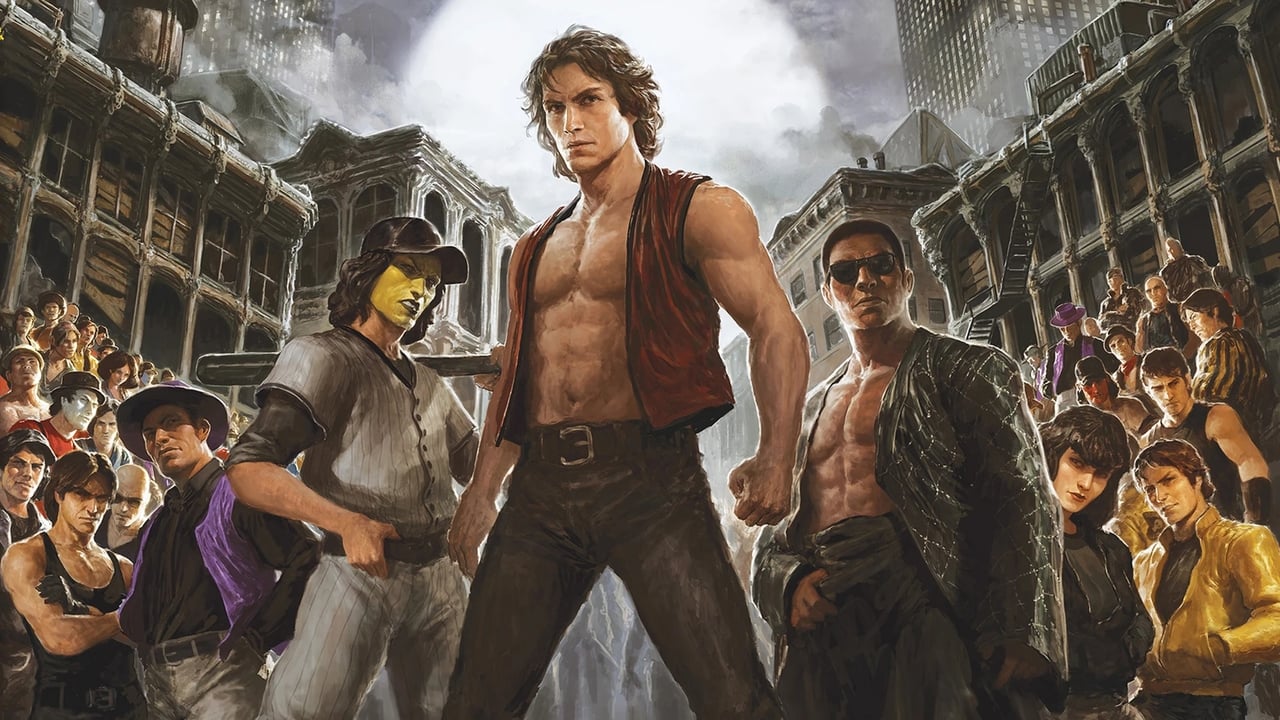
A Night-Shift Odyssey
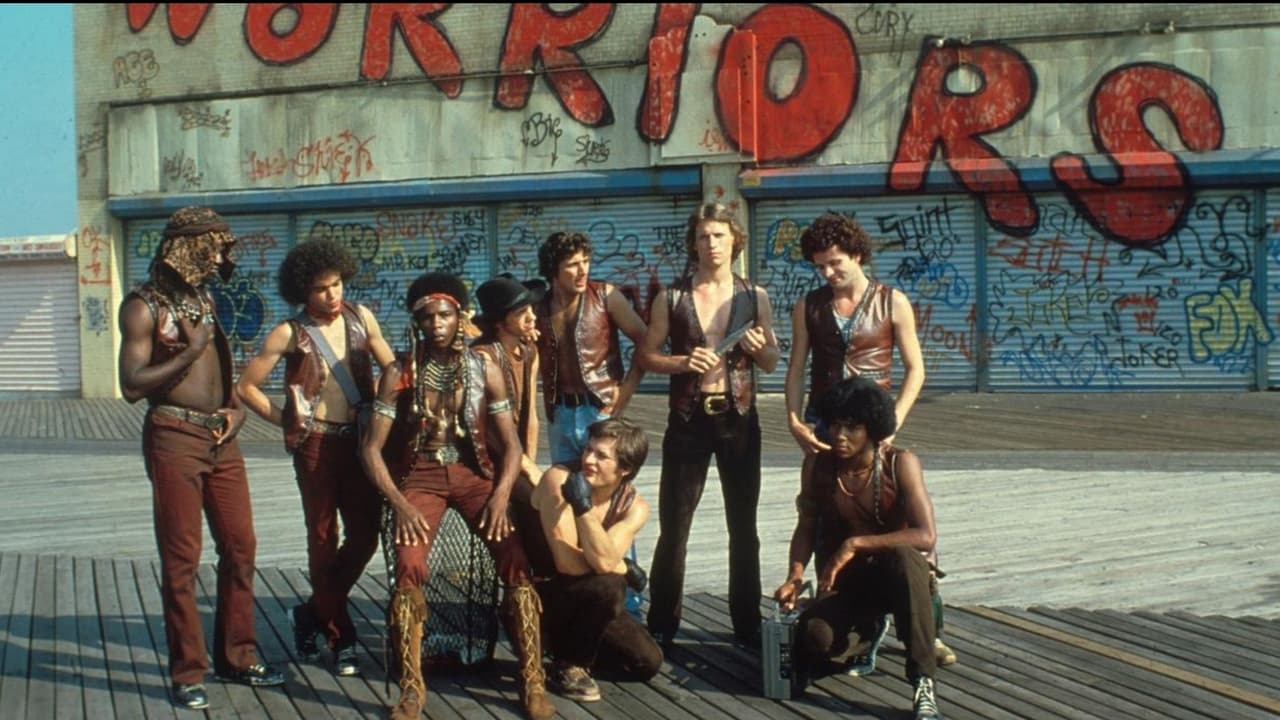
The premise is deceptively simple: The Warriors, a crew from Coney Island, are framed for the assassination of Cyrus during a city-wide peace summit. Suddenly, they are a hundred miles from home with every "bopper" in New York out for their blood. What follows is a linear, high-stakes sprint through the night. Walter Hill, who had already proven his chops for lean storytelling with The Driver (1978), treats the Bronx-to-Brooklyn journey like an epic poem.
The Warriors themselves are a ragtag assembly of archetypes, led by the stoic, almost robotic Swan (Michael Beck). While Beck provides the grounding, it’s James Remar as Ajax who steals every scene he’s in. Remar plays Ajax with a volatile, predatory energy that makes you wonder if the gang is safer with him or without him. His performance is a reminder of the era's fascination with the "loose cannon" archetype—men who were as much a danger to their friends as their enemies. Remar would go on to be a staple of 80s tough-guy cinema, appearing in everything from 48 Hrs. to Aliens, but he never felt quite as dangerous as he does here.
Steel, Tile, and Bone
What strikes me most about the action in The Warriors is the sheer physical weight of it. In a pre-CGI era, the stunts required a level of reckless commitment that you just don't see in modern blockbusters. The bathroom brawl against the Punks is a masterclass in claustrophobic choreography. You see real bodies hitting real tile, the sound design emphasizing every bone-crunching impact. The film doesn't rely on flashy gunplay; it’s a movie of fists, bats, and knives. The Baseball Furies are basically the most terrifying mime troupe in cinematic history, and their pursuit of the gang through Central Park remains a highlight of 70s tension.
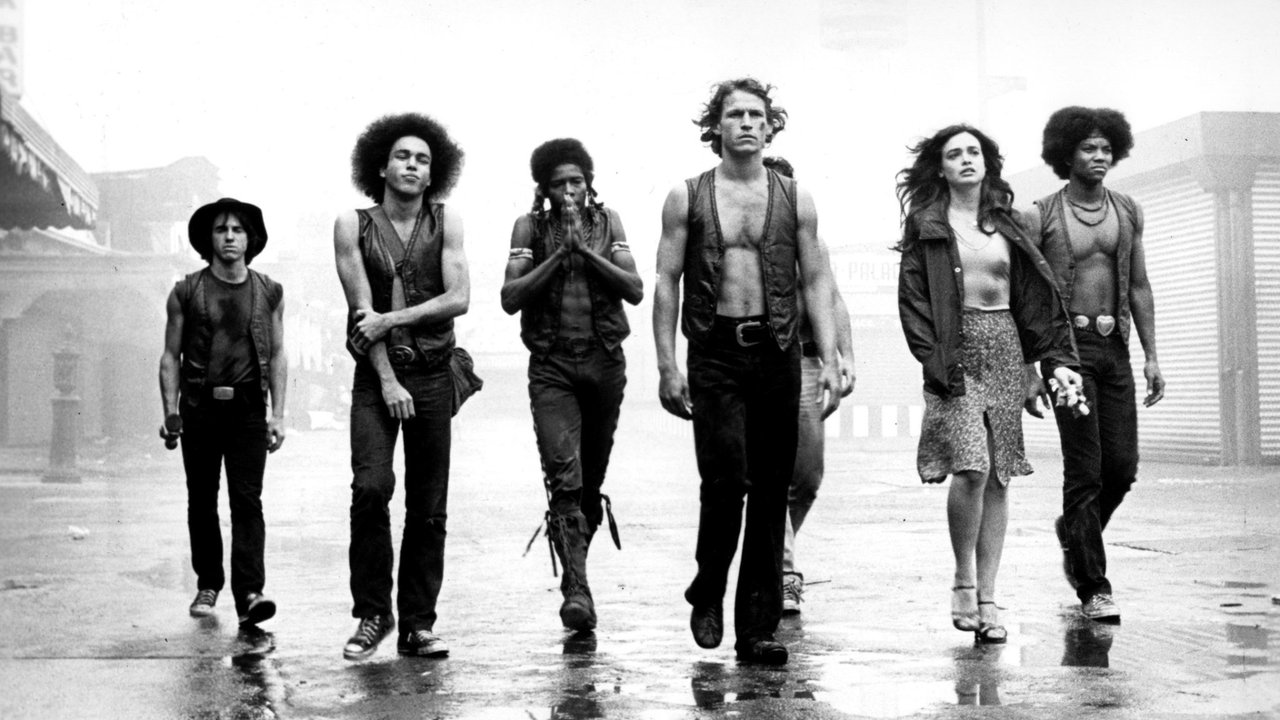
The production was famously chaotic. To save money and add authenticity, Walter Hill and producer Lawrence Gordon (who later gave us Die Hard and Predator) filmed on location across New York’s most derelict neighborhoods. Legend has it they actually had to hire a real gang, the Mongols, to provide security for the crew because the local residents were so hostile. It gives the film an unmistakable texture—the grime on the subway cars isn't a set dressing; it’s the actual soot of a city that was, at the time, teetering on the edge of bankruptcy.
The Midnight Legend of the VHS
While it did respectable business at the box office, The Warriors truly found its soul in the home video revolution. I recall the original Paramount Home Video box art—it was a staple of every mom-and-pop rental shop, usually tucked between the horror section and the "New Arrivals." It was a "parents-aren't-home" kind of movie. The film’s cult status grew because it’s endlessly rewatchable; you start noticing the bizarre, theatrical flourishes, like the DJ who narrates the night’s hunt without ever showing her face, or the fact that the rival gangs all have such specific, absurd themes.
One of the best pieces of trivia involves David Patrick Kelly, who plays the sniveling villain Luther. His famous "Warriors, come out to play-ay!" chant was entirely improvised on the spot. He allegedly based the sing-song taunt on a terrifying neighbor he’d had in real life. It’s a moment that became a permanent fixture of pop culture, proving that sometimes the best way to create a cinematic icon is to let a character actor get weird with some glass bottles.
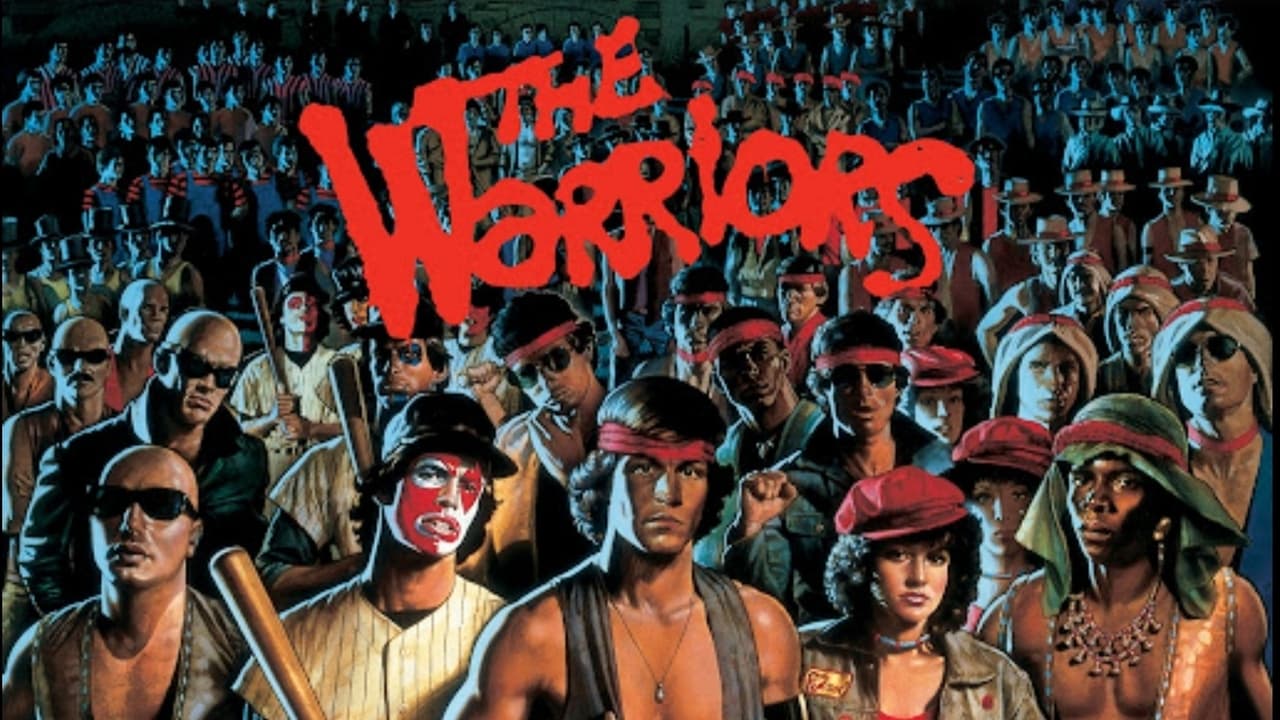
The film did face a backlash upon release, with several theaters reporting real-life violence during screenings. It’s a dark irony for a movie that is essentially a fantasy about gangs trying to stop the violence. But that controversy only fueled its "outlaw" reputation. By the time it hit VHS in the early 80s, it had been reclaimed as a stylistic triumph. It bridges the gap between the gritty, cynical "New Hollywood" of the 70s and the high-concept, music-video-influenced 80s.
The Warriors is a rare beast: a film that is simultaneously dated and timeless. The fashion—all those leather vests and feathered hair—is pure 1979, but the story of a small group of outcasts trying to make it home through a hostile landscape is ancient. Walter Hill took a pulpy novel and turned it into an urban myth. It moves with a propulsive energy that ignores logic in favor of atmosphere, and in doing so, it creates a world you can’t help but want to revisit, even if you wouldn’t want to spend ten minutes in that version of the Bronx. If you’ve only ever seen the "Ultimate Director’s Cut" with the comic book transitions, do yourself a favor and track down the original theatrical version. The raw, uninterrupted flow of the night is much more potent without the fancy editing.
Keep Exploring...
-
48 Hrs.
1982
-

Star Trek II: The Wrath of Khan
1982
-
The Terminator
1984
-
Duel
1971
-
The French Connection
1971
-
Bloodsport
1988
-
Assault on Precinct 13
1976
-

Predator
1987
-
RoboCop
1987
-

The Towering Inferno
1974
-
Marathon Man
1976
-
Mad Max 2
1981
-
First Blood
1982
-
The Omen
1976
-
Dirty Harry
1971
-

They Live
1988
-
Commando
1985
-
Escape from Alcatraz
1979
-
The Shining
1980
-
From Russia with Love
1963