Cannibal Holocaust
"The most notorious film ever caught on tape."
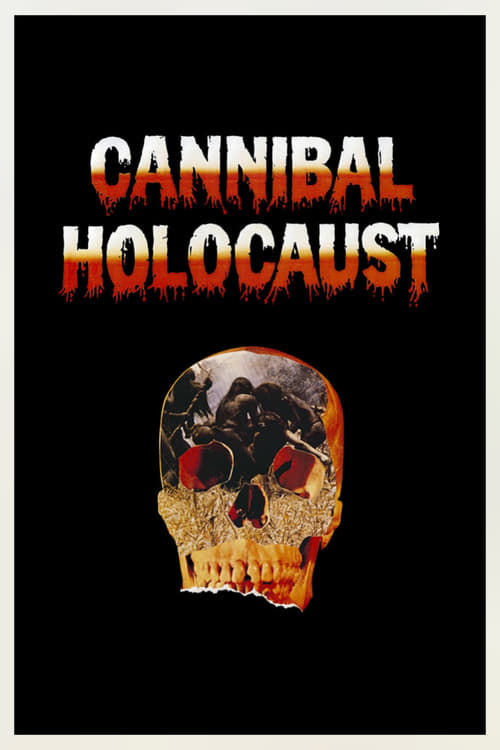
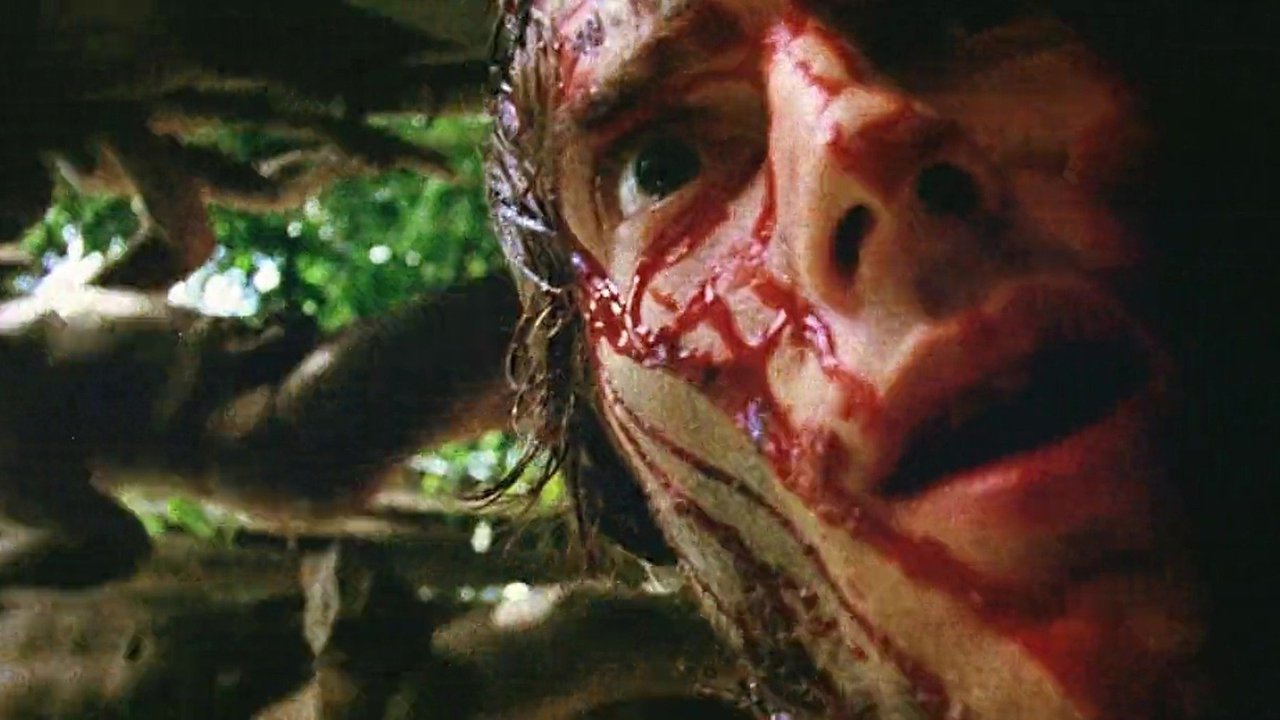
Ruggero Deodato found himself in an Italian courtroom in 1980, facing a judge who genuinely believed the director had murdered his actors on camera for the sake of a movie. It sounds like a piece of overblown marketing, but the legal pressure was real. Because Deodato had made his young stars sign contracts to disappear from the public eye for a year to maintain the illusion of their "disappearance," the authorities assumed the worst. Watching the film today, it’s remarkably easy to see why the confusion happened. Cannibal Holocaust isn't just a movie; it’s a jagged, ugly piece of simulated reality that accidentally invented the found-footage genre while trying to be the most shocking thing at the local grindhouse.
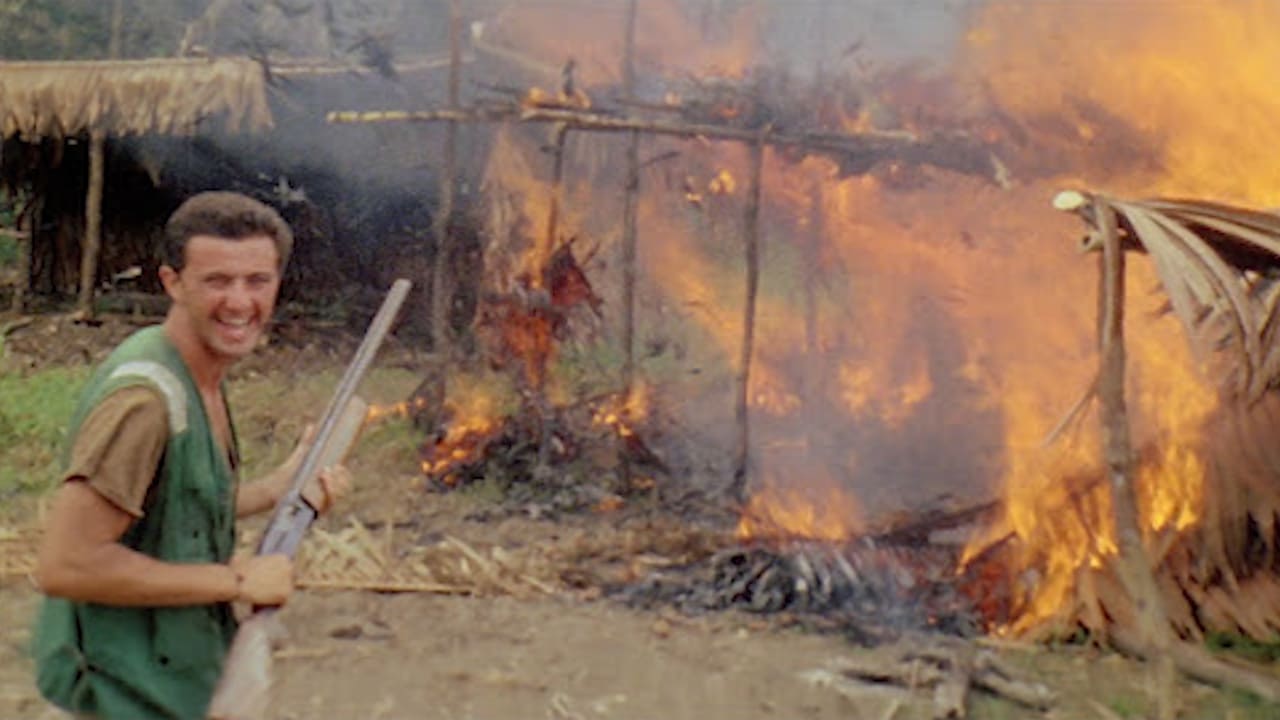
I watched this for the third time recently on a grainy old monitor while my neighbor spent three hours aggressively leaf-blowing his driveway, and the incessant, mechanical drone from outside actually felt like it belonged to the film’s oppressive atmosphere.
The Birth of the Found Footage Nightmare
Before The Blair Witch Project became a cultural phenomenon or Paranormal Activity turned home security into a jump-scare factory, there was the "Green Inferno" footage. The film is split into two halves: the rescue mission led by the surprisingly grounded Robert Kerman (Professor Monroe), and the discovery and screening of the film reels left behind by a missing documentary crew.
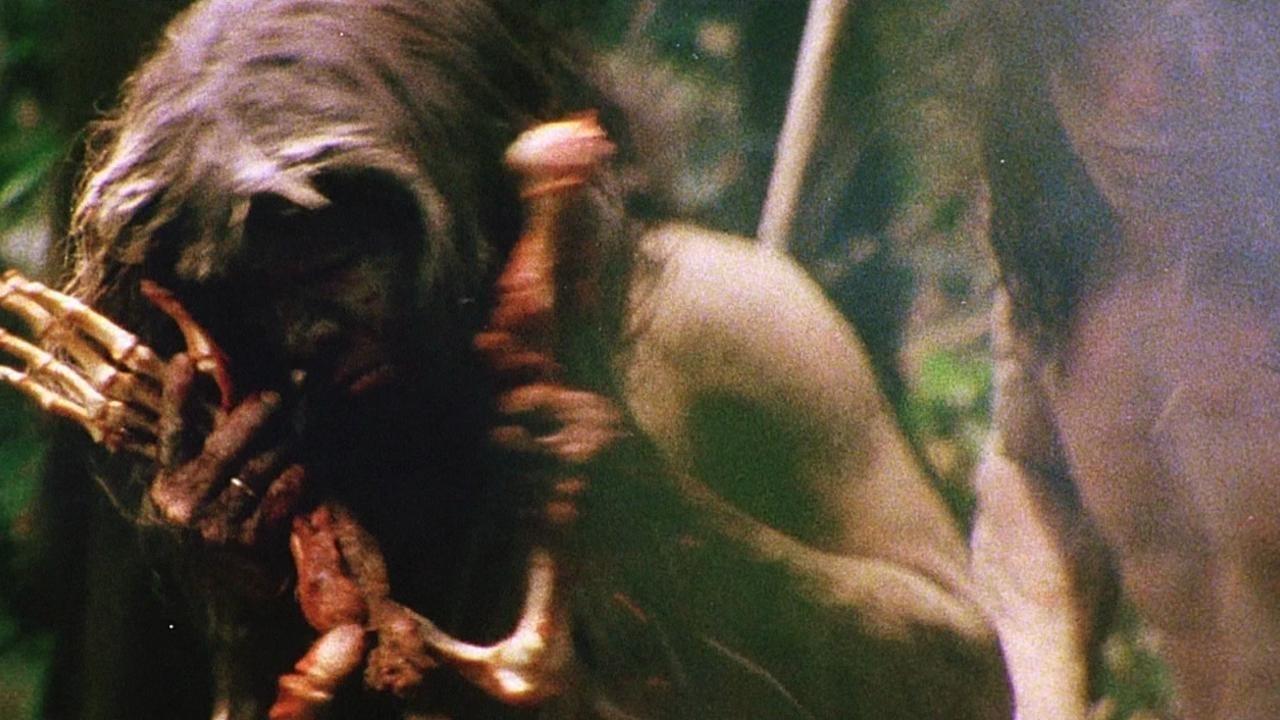
This second half is where the movie earns its reputation. The footage—purportedly shot by Francesca Ciardi, Perry Pirkanen, Luca Barbareschi, and Ricardo Fuentes—is shaky, out of focus, and terrifyingly intimate. By utilizing 16mm cameras and handheld techniques that were unheard of in 1980 horror, Deodato tapped into a specific kind of anxiety. He made the viewer a reluctant voyeur. Modern 'found footage' movies look like polished commercials compared to this grit. There’s a texture to the film that feels like something you shouldn't be seeing, a "snuff" aesthetic that was amplified by the low-budget, independent nature of the production.
The Ortolani Paradox
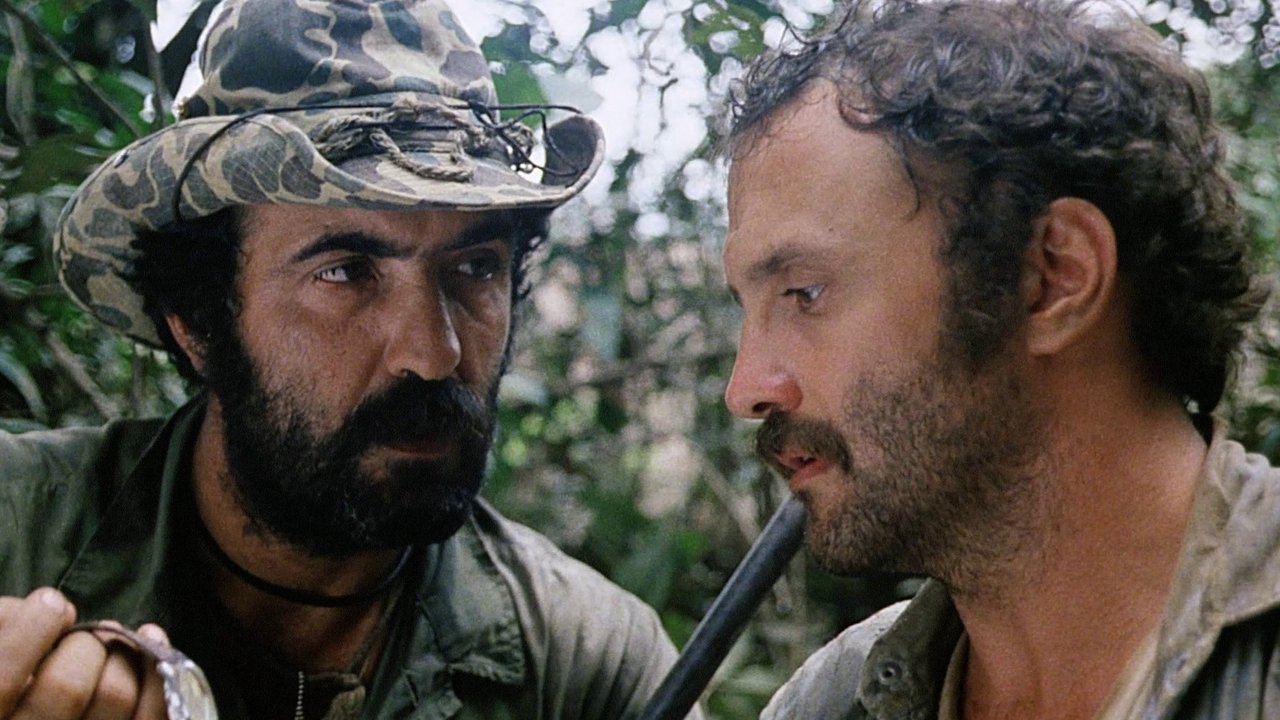
The most jarring thing about Cannibal Holocaust isn't the gore—it’s the music. Riz Ortolani, a legendary composer, provided a score that is hauntingly beautiful, filled with lush synthesizers and melodic acoustic guitars. It’s the kind of music you’d expect in a sweeping romantic drama about the Italian countryside.
When you pair that gorgeous melody with scenes of extreme depravity and tribal warfare, something breaks in your brain. It creates a surreal, dreamlike quality that makes the violence feel even more disturbing because it isn't being framed by typical "scary" stinger chords. It’s a brilliant, if sadistic, artistic choice. Deodato was making a point about the media’s romanticization of violence, and while that message often gets buried under the sheer amount of red corn syrup on screen, the music keeps the theme alive. It’s a reminder that we are watching "entertainment," which is the film's most damning indictment of its audience.
The Moral Line and the VHS Legacy
We have to talk about the elephant in the room—or rather, the turtle. Cannibal Holocaust is infamous for its unsimulated animal cruelty. Seven animals were killed during production, and for many modern viewers (myself included), this is the point where the film stops being a "movie" and starts being an exploitation piece that’s hard to defend. It’s the reason the film was banned in over 50 countries and became the crown jewel of the "Video Nasty" era in the UK.
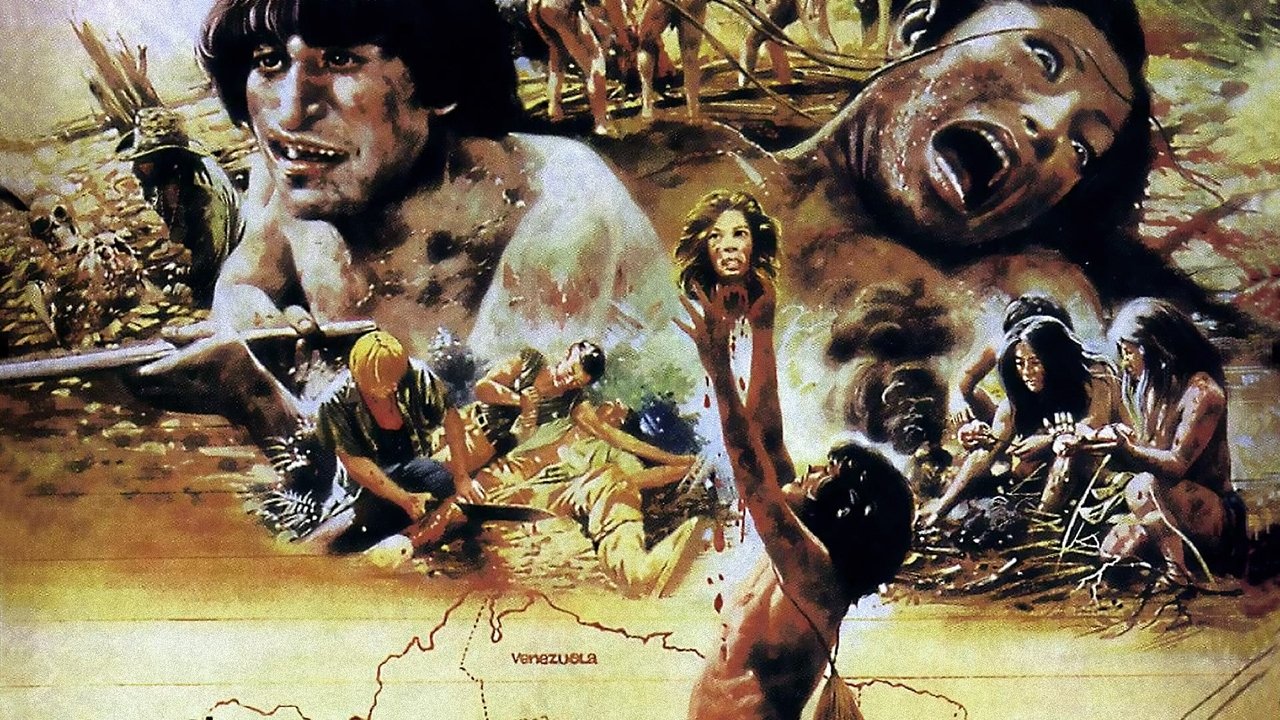
In the 1980s, renting this movie was a rite of passage for horror fans. It was the tape at the back of the store with the sun-bleached cover that everyone whispered about. The grainy, low-resolution quality of VHS actually helped the film’s legend; the lack of clarity made the special effects (which were incredibly advanced for the time) look indistinguishable from reality. When you see the infamous "impalement" scene, the lack of digital sheen makes it look like a forensic photograph.
Despite the controversy, the film’s core message is surprisingly cynical: The documentarians are the only real monsters in this movie. The "civilized" New Yorkers are the ones who instigate the violence, rape, and destruction for the sake of getting better ratings. It’s a critique of sensationalist journalism that feels uncomfortably relevant in the age of social media clout-chasing.
The legacy of Cannibal Holocaust is a complicated one. As a piece of film history, it is undeniably influential—you don't get the last 25 years of horror without it. As a viewing experience, it is a grueling, often repulsive endurance test that forces you to question why you’re watching in the first place. It’s a film that succeeds in its mission to upset you, but the cost of that success involves real-world ethical breaches that leave a permanent stain on the celluloid. It remains a fascinating, dangerous artifact of a time when the line between art and atrocity was dangerously thin.
Keep Exploring...
-
Phenomena
1985
-

The Hills Have Eyes
1977
-
The Amityville Horror
1979
-
Friday the 13th
1980
-
The Fog
1980
-
Halloween II
1981
-

Scanners
1981
-

The Evil Dead
1981
-
The Howling
1981
-
Children of the Corn
1984
-

A Nightmare on Elm Street Part 2: Freddy's Revenge
1985
-

Day of the Dead
1985
-
Critters
1986
-
The Texas Chainsaw Massacre 2
1986
-
A Nightmare on Elm Street 3: Dream Warriors
1987
-
Bad Taste
1987
-
Hellbound: Hellraiser II
1988
-
Killer Klowns from Outer Space
1988
-

Invasion of the Body Snatchers
1978
-
Nosferatu the Vampyre
1979