Dressed to Kill
"Passion is the perfect place to hide a blade."
I watched Dressed to Kill for the first time on a humid Tuesday evening while trying to ignore a neighbor’s persistent power-drilling, and I found that the rhythmic, mechanical noise actually synced up perfectly with the film’s metronomic tension. By the time the credits rolled, I wasn't sure if I wanted to check my locks or buy a trench coat.
Brian De Palma is often called the "Sultan of Sleaze," a title he earned through a career-long obsession with voyeurism, split screens, and a very specific brand of operatic violence. In 1980, he was at the height of his powers, taking the skeleton of Alfred Hitchcock’s Psycho and dressing it up in silk, neon, and enough blood to satisfy the burgeoning slasher audience.
The Sultan of Sleaze Does Hitchcock
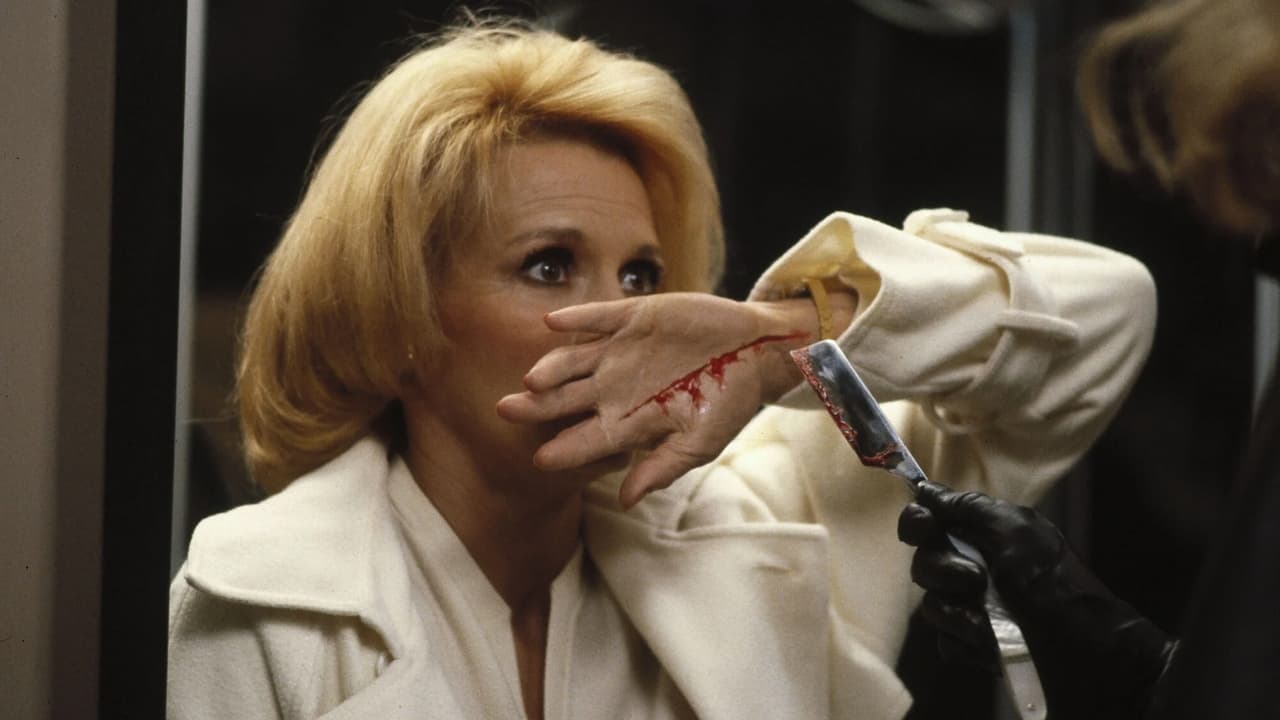
The movie opens with Angie Dickinson as Kate Miller, a frustrated housewife whose sexual fantasies are as lush as the Pino Donaggio score that swirls around her. The center-piece of the first act is a ten-minute sequence in a museum where Kate stalks (and is stalked by) a mysterious stranger. There is almost no dialogue. It’s just camera movement, glances, and the high-wire act of cinematic seduction. De Palma is the only director who can make a 10-minute scene of a woman wandering a museum feel like a high-speed chase.
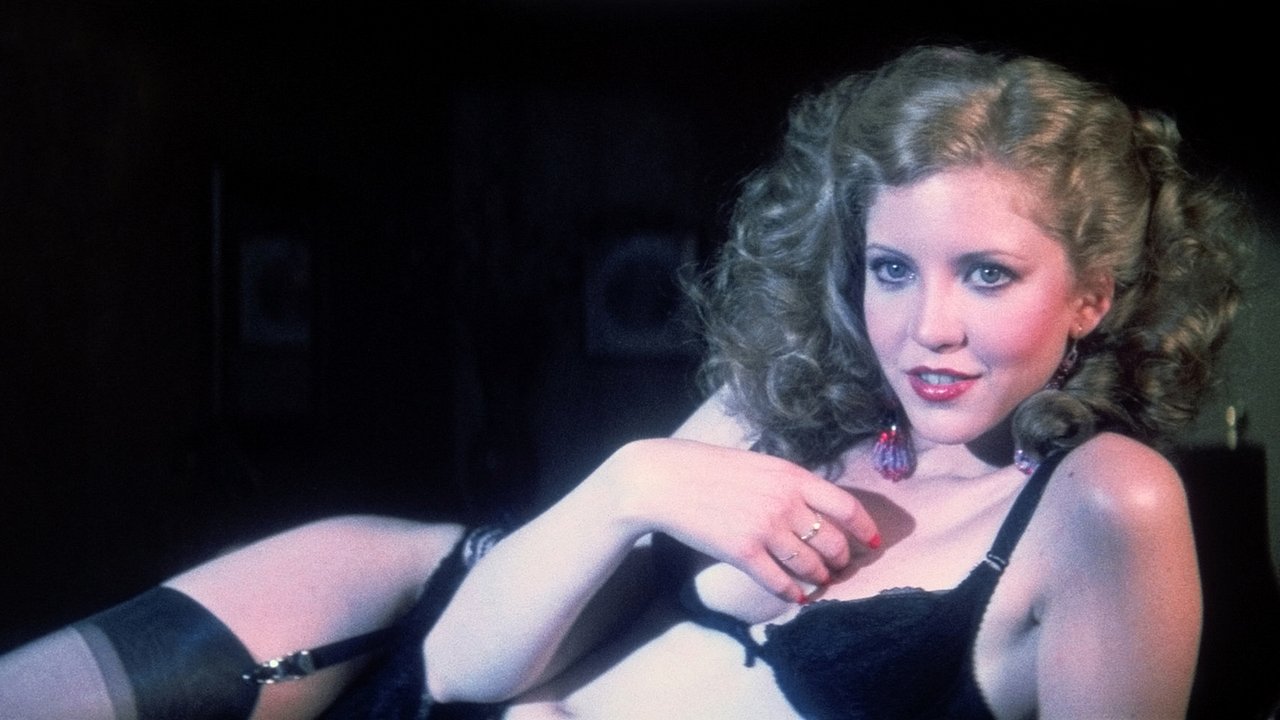
But just as you get comfortable in this erotic drama, the movie pulls the rug out. A brutal elevator murder shifts the perspective entirely, leaving us with Liz Blake (Nancy Allen), a high-class call girl who witnesses the slaying and finds herself the killer's next target. Nancy Allen is fantastic here—she brings a grounded, street-smart energy that balances out the more heightened, almost dream-like elements of the plot. She’s joined by Keith Gordon, playing Kate’s tech-wizard son, who uses a series of proto-80s gadgets to try and solve his mother's murder. Seeing him set up a hidden camera in 1980 feels like watching a primitive version of a modern tech-thriller.
A Symphony of Razors and Red Silk
Technically, the film is a masterclass in style over substance—and I mean that as a compliment. De Palma uses split screens to show two different perspectives simultaneously, a technique that would become his signature. It creates a sense of omnipresence, as if the killer (or the director) is always watching from a corner you haven't checked yet. The cinematography by Ralf D. Bode captures a New York that feels both glamorous and dangerously grimy, a city of high-rise offices and shadowy subway stations.
Then there is Michael Caine as Dr. Robert Elliott, Kate’s psychiatrist. Caine is doing something very specific here, playing a man who is clearly holding back a reservoir of secrets behind a calm, professional veneer. It’s a performance that rewards a second viewing, full of tiny tics and vocal choices that seem much more calculated once you know where the story is heading. I suspect Michael Caine could read a grocery list and make it sound like a threat against your family.
The Forbidden Tape in the Back Room
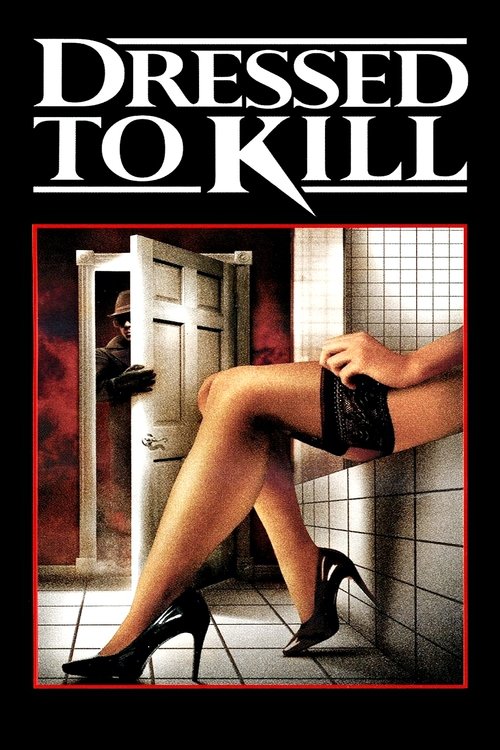
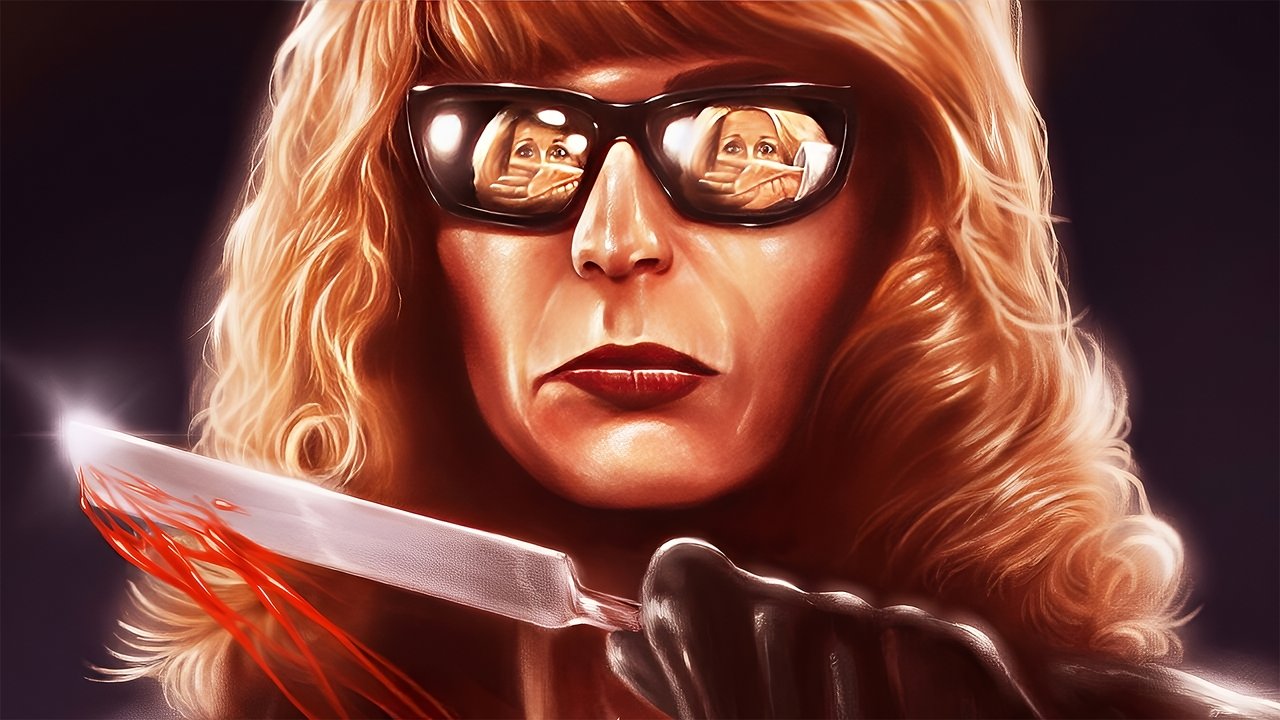
While Dressed to Kill was a box office success, its real legacy was forged in the early days of the VHS revolution. This was one of those "forbidden" tapes that sat on the top shelf of video rental stores, its cover art—a straight razor held against a woman’s silhouette—promising something far more dangerous than the typical Hollywood fare.
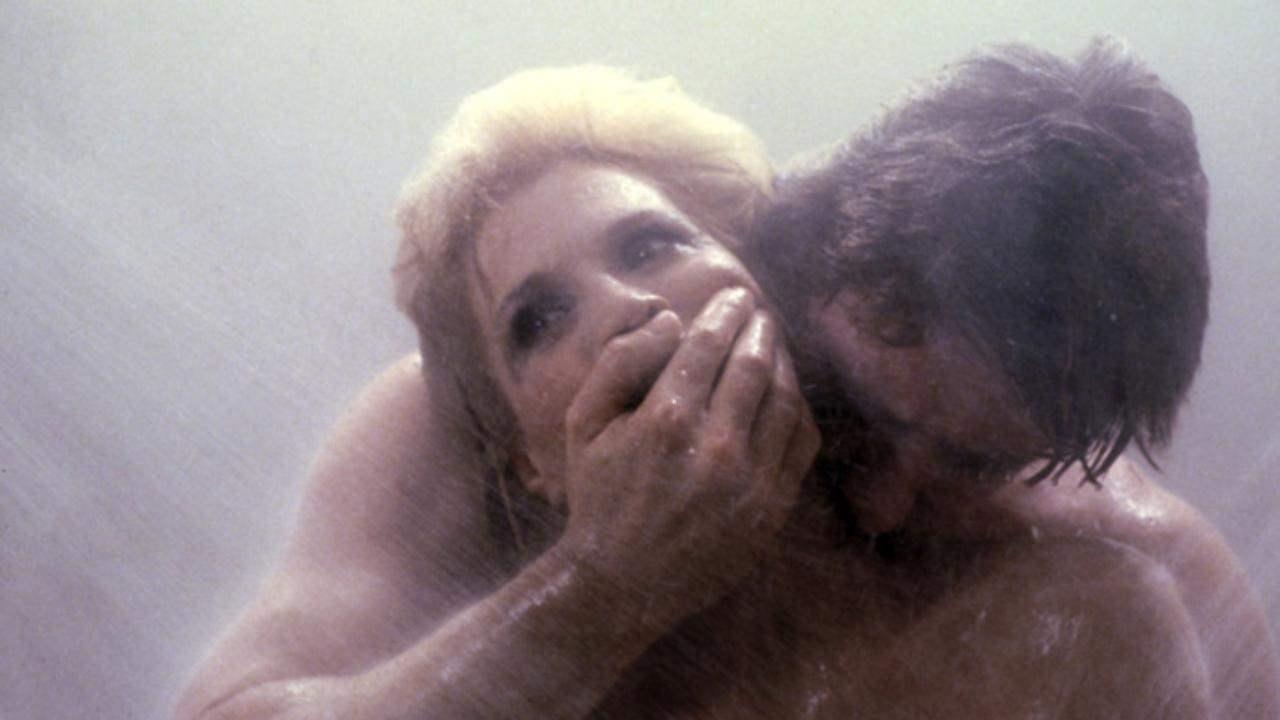
The film was famously caught in a battle with the MPAA, which initially slapped it with an X rating for its graphic violence and nudity. De Palma had to trim several seconds of the elevator massacre and the opening shower scene to secure an R. However, when the VHS era hit, the "Unrated" version became a holy grail for collectors. Finding a copy of the Filmways Pictures tape with the "Unrated" sticker was a badge of honor for horror fans. It was one of the first times that home video allowed a film to reclaim its original, uncut vision, turning it into a staple of midnight viewings and basement marathons.
A Problematic, Compelling Legacy
It’s worth noting that Dressed to Kill is very much a product of 1980. Its depiction of gender identity and mental health caused massive protests from the National Organization for Women and LGBTQ+ groups at the time of its release. Looking at it through a modern lens, the film’s "twist" is about as subtle as a sledgehammer to a glass coffee table, and its politics are undeniably dated.
Yet, as a piece of pure filmmaking, it remains undeniably effective. It captures a specific anxiety of the era—the fear that the person you share your most intimate secrets with might be the one holding the blade. It’s a movie that values the feeling of a scene over the logic of its plot, and in the hands of a stylist like De Palma, that’s exactly where the magic happens.
If you can look past the dated tropes, Dressed to Kill is a top-tier thriller that reminds us why Brian De Palma was once the king of the New Hollywood hill. It’s stylish, mean, and deeply cinematic, anchored by a haunting score and a genuinely shocking mid-film pivot. It’s the kind of movie that makes you want to watch it again immediately just to see how the pieces fit together. Turn off your phone, dim the lights, and just let the lush, deadly atmosphere wash over you.
Keep Exploring...
-
Blow Out
1981
-
Body Double
1984
-
Carrie
1976
-
Deep Red
1975
-

Three Days of the Condor
1975
-
All the President's Men
1976
-

Cujo
1983
-
The Dead Zone
1983
-
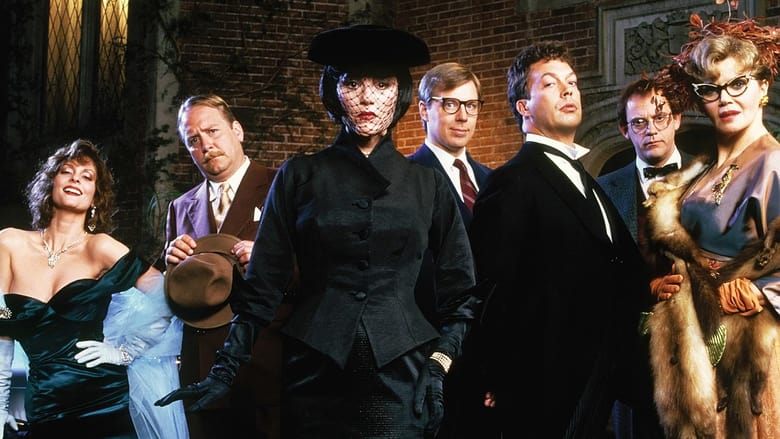
Clue
1985
-

Murder by Death
1976
-
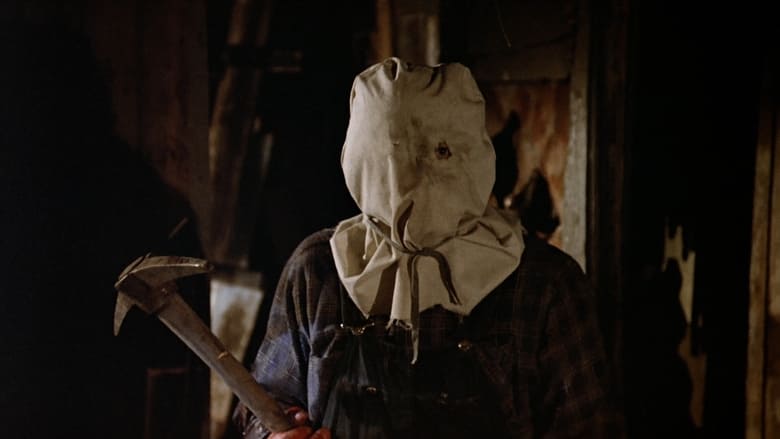
Friday the 13th Part 2
1981
-
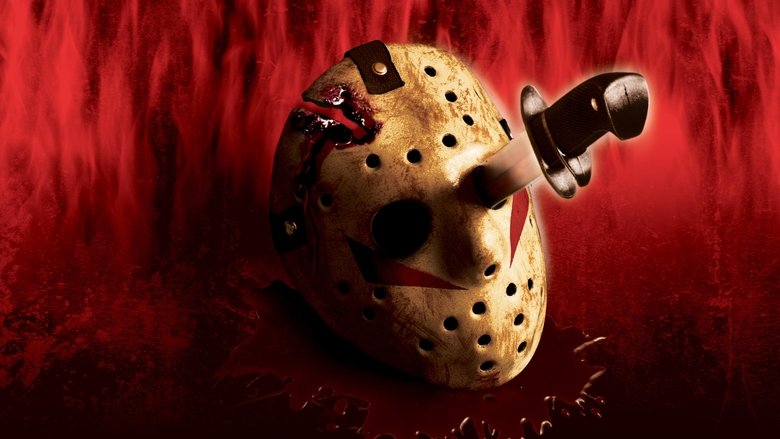
Friday the 13th: The Final Chapter
1984
-
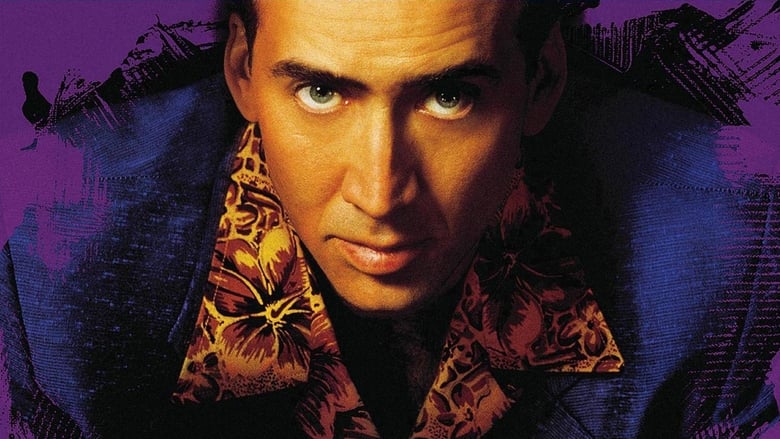
Snake Eyes
1998
-
The Hitcher
1986
-
Angel Heart
1987
-
The Untouchables
1987
-
Mississippi Burning
1988
-

The 'Burbs
1989
-
The Tenant
1976
-
Marnie
1964