Friday the 13th
"Summer camp shouldn't be this hazardous to your health."

I still remember the first time I heard that rhythmic, whispering "ki-ki-ki-ma-ma-ma" hiss coming through my family’s old floor-model Zenith TV. I was supposed to be asleep, but I’d snuck out to catch whatever late-night flick was flickering on the screen. Even through the fuzz of a broadcast signal, Friday the 13th felt different. It felt dangerous. I watched the rest of it while huddled under a crocheted blanket that definitely didn't offer enough protection from a woodland slasher, eating a bag of slightly stale pretzel sticks that provided a distracting "snapping bone" foley effect to my midnight viewing.
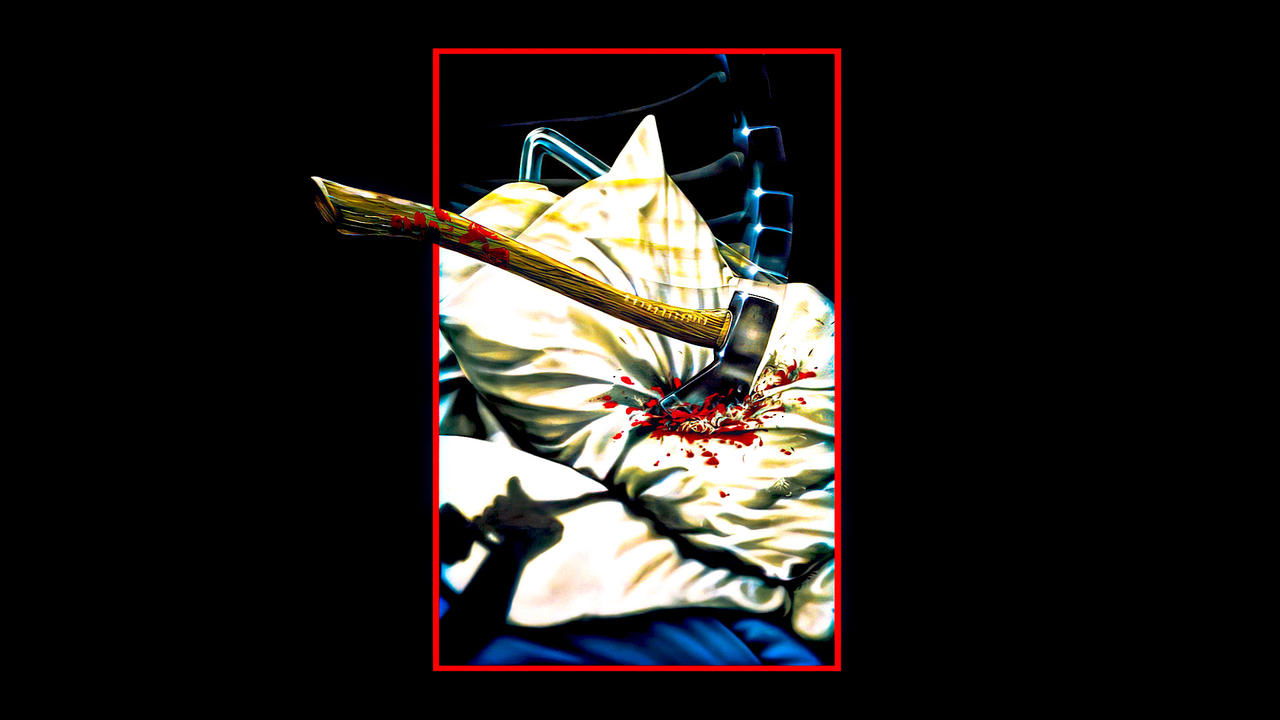
While most people today associate the franchise with a hockey-masked behemoth stalking Manhattan or outer space, the 1980 original is a much leaner, grittier beast. It’s a movie born out of pure independent hustle. Director Sean S. Cunningham (who had previously produced Wes Craven's Last House on the Left) basically saw the success of John Carpenter's Halloween and decided he wanted a piece of that box-office pie. He even took out a full-page ad in Variety to sell the title before a single page of the script was actually written. That’s the kind of low-budget moxie I have to admire; it’s basically a feature-length ad for why you should never volunteer for anything.
The High Price of Free Childcare
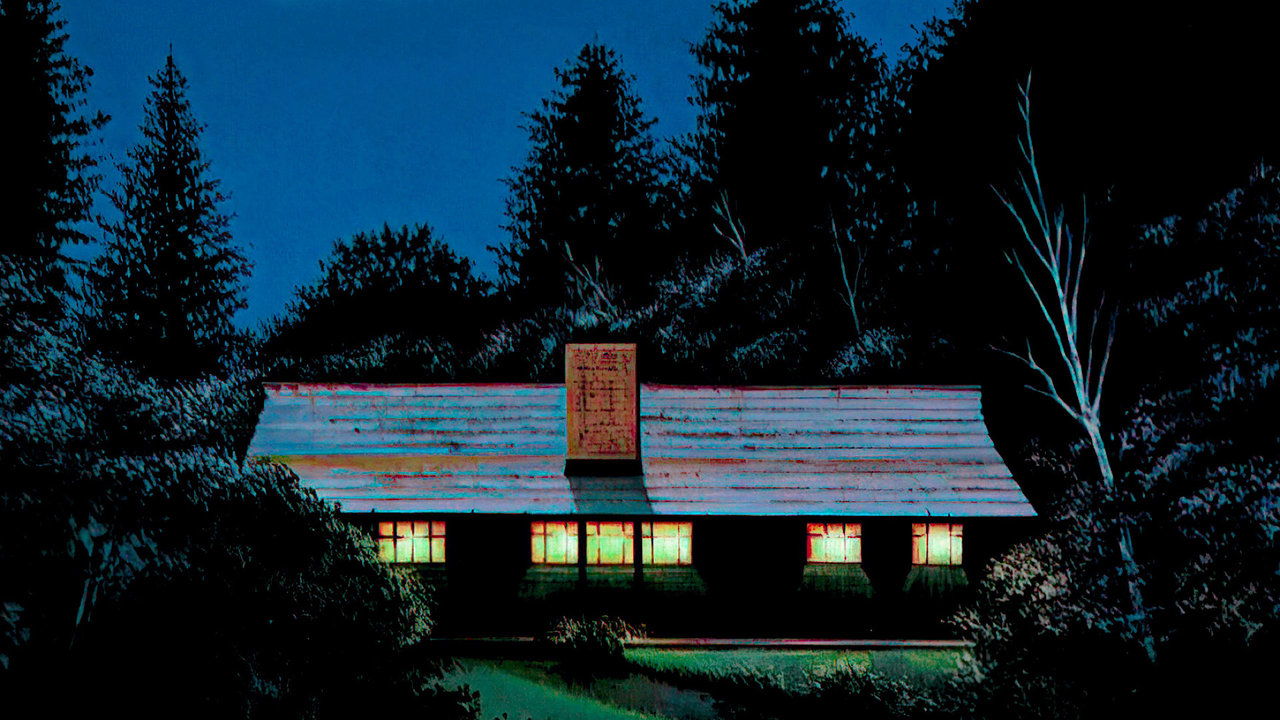
The plot is famously simple: a group of young, attractive counselors arrives at Camp Crystal Lake to prep the site for its grand reopening. The camp has a "death curse" attached to it, stemming from the 1957 drowning of a young boy named Jason and a double murder a year later. Naturally, the locals think reopening is a terrible idea, but our protagonists are more interested in guitar singalongs and cabin-hopping.
What strikes me on a rewatch is how "New Hollywood" the whole thing feels. It doesn't have the glossy, over-produced sheen of the mid-80s sequels. It’s shot on location at Camp No-Be-Bo-Sco in New Jersey, and you can practically smell the damp leaves and bug spray. The cinematography by Barry Abrams uses a lot of handheld, point-of-view shots—a classic trope that puts us in the shoes of the killer. It’s effective because it turns the beautiful, sun-drenched woods into a claustrophobic cage. You aren't just watching a movie; you're playing a high-stakes game of hide-and-seek where the "it" person has a machete.
Savini’s Summer of Splatter
The real MVP here isn't an actor, but a makeup wizard. Tom Savini, fresh off his groundbreaking work on George A. Romero's Dawn of the Dead, is the man who turned this film into a legend. Without Savini’s practical effects, Friday the 13th might have been a forgotten Halloween clone. Instead, it became a lightning rod for controversy and a temple for gore-hounds.
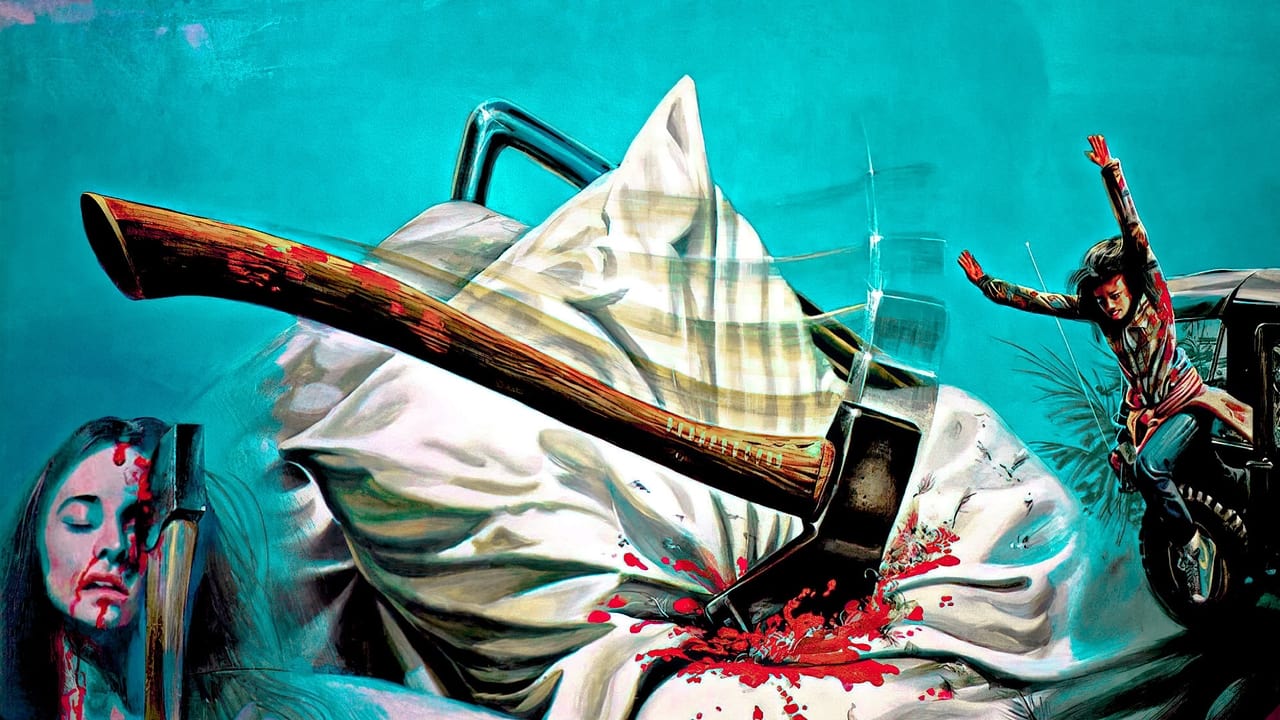
The effects are surprisingly creative given the $550,000 budget. Everyone remembers Kevin Bacon's (who plays Jack) iconic exit involving an arrow and a mattress, but for me, it’s the sheer tangibility of the blood. It’s thick, bright red, and decidedly un-digital. To get the throat-slitting effect for the opening murders, Savini and his team used thin latex tubes and a lot of hand-pumped stage blood. There's a tactile quality to 80s horror that CGI just can't replicate—it’s the difference between a real magic trick and a cartoon. Kevin Bacon was so young here he’s practically translucent, and seeing him get dispatched so early is a reminder that in this era of horror, no one—not even a future A-lister—was safe.
The Box Art That Haunted Video Stores
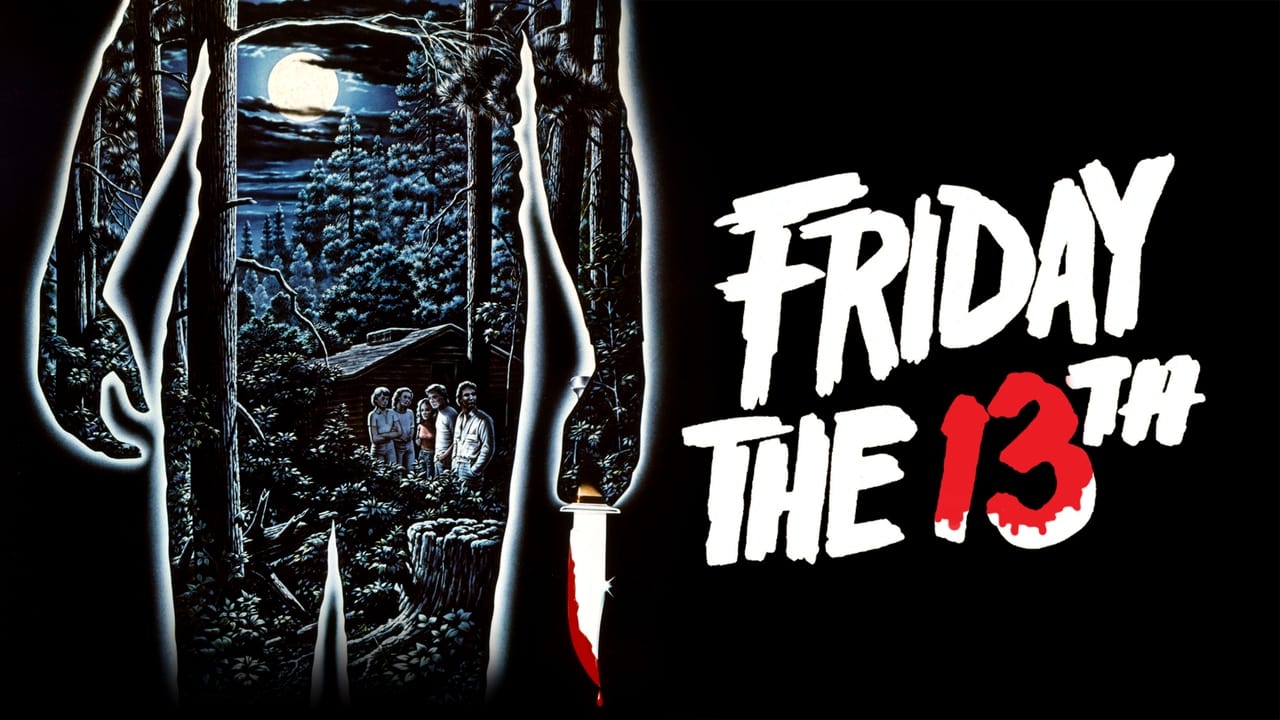
You cannot talk about this movie without talking about the VHS revolution. If you grew up in the 80s or 90s, the Friday the 13th box was a permanent fixture on the "Horror" shelves of every Mom-and-Pop video store. That iconic white cover featuring the silhouette of a person filled with the image of the camp was a masterclass in marketing. It promised a level of terror that the grainy, low-res tape inside delivered with interest.
I remember my local rental place had a copy that was so worn out the tracking would go haywire during the final showdown, making the killer look like a glitchy ghost. It actually made the movie scarier. The home video market turned this indie gamble into a cultural juggernaut. It allowed fans to pause and rewind the kills, dissecting Savini's handiwork frame by frame.
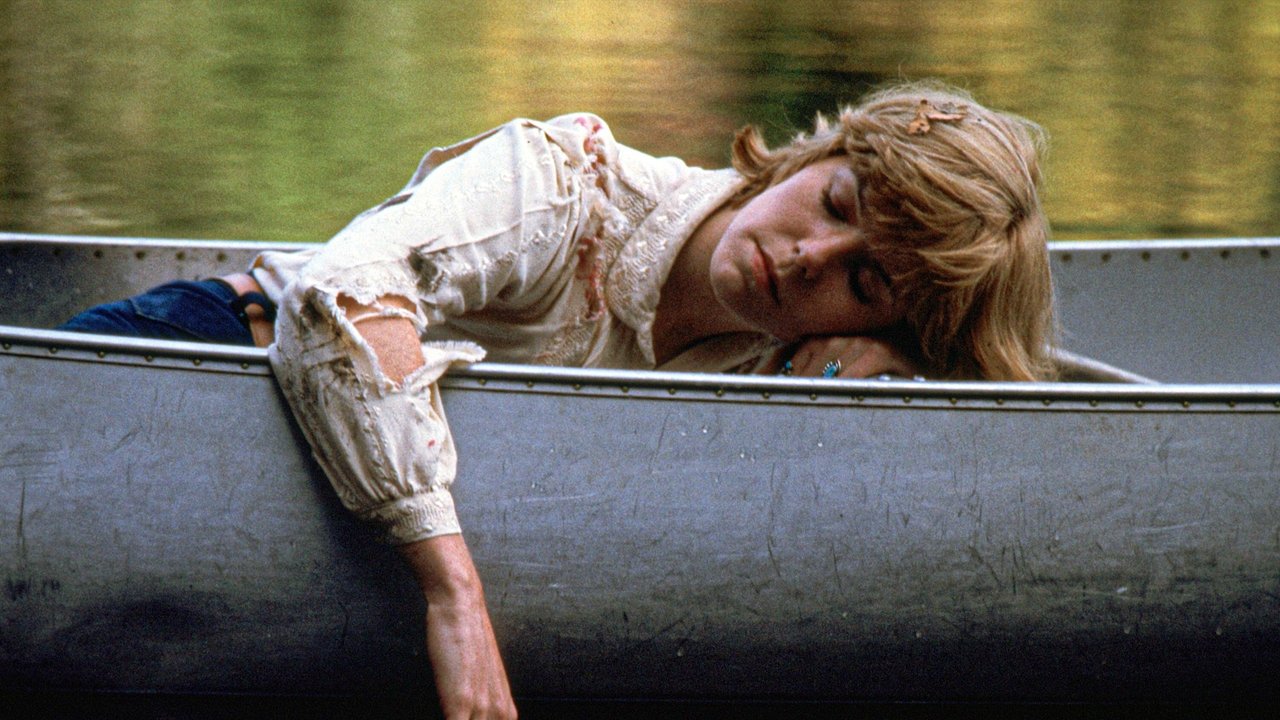
The performances are surprisingly earnest, too. Adrienne King is a solid "Final Girl" as Alice, bringing a grounded vulnerability to the role. But the show-stealer is Betsy Palmer as Mrs. Voorhees. Fun fact: Palmer famously hated the script, calling it a "piece of junk," and only took the role because she needed a new car (a Volkswagen Scirocco, to be exact). Her performance is legendary precisely because she plays it with such terrifying, motherly conviction. She isn't a supernatural monster; she’s a grieving woman who has completely snapped, which is far more unsettling.
Friday the 13th isn't a "perfect" film—the pacing in the middle drags like a canoe through mud—but its impact is undeniable. It codified the slasher rules, launched a dozen sequels, and proved that a tiny budget and a lot of corn syrup could conquer the world. It’s a snapshot of a time when horror felt artisanal and dangerous. If you’ve only seen the later entries where Jason is an invincible zombie, go back to where it started. Just maybe skip the night-swim afterward.
Keep Exploring...
-
Friday the 13th Part 2
1981
-
Friday the 13th Part III
1982
-
Friday the 13th: The Final Chapter
1984
-
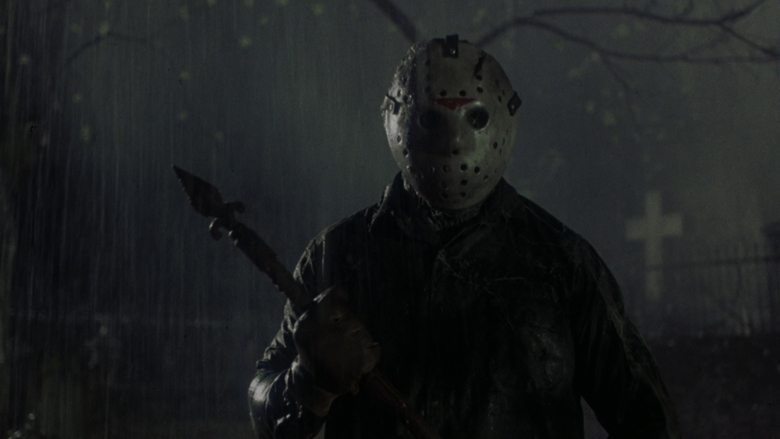
Friday the 13th Part VI: Jason Lives
1986
-
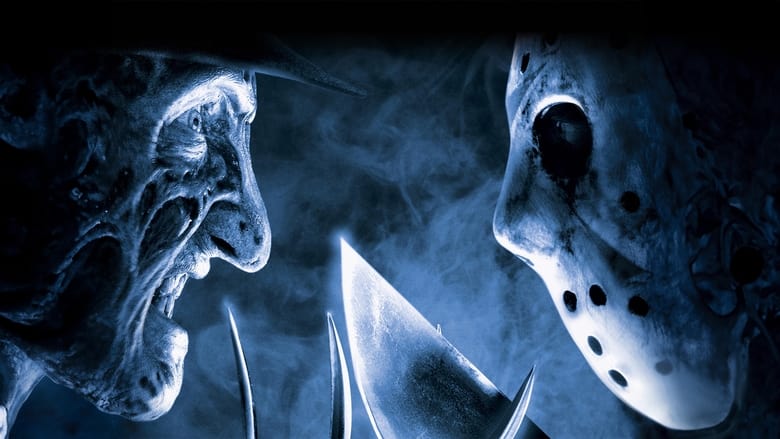
Freddy vs. Jason
2003
-
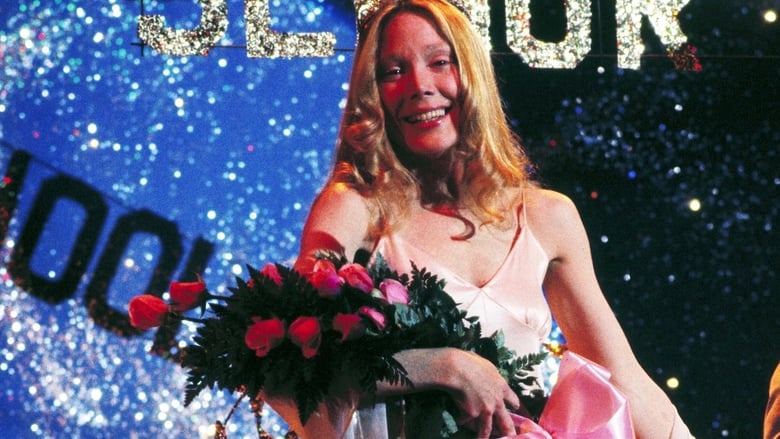
Carrie
1976
-
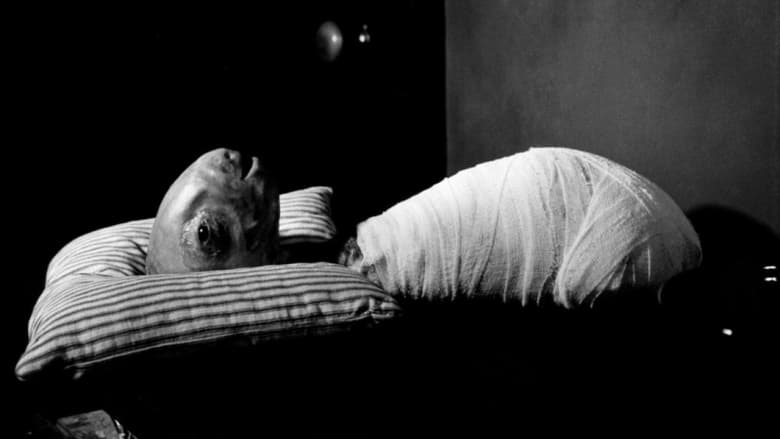
Eraserhead
1977
-

The Hills Have Eyes
1977
-

Invasion of the Body Snatchers
1978
-
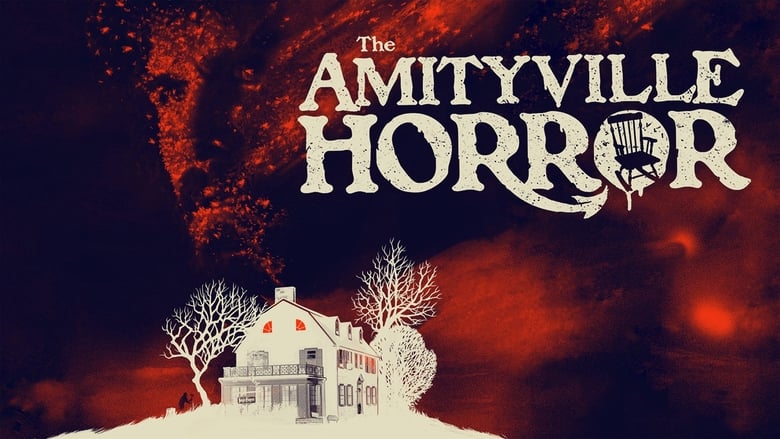
The Amityville Horror
1979
-
The Fog
1980
-
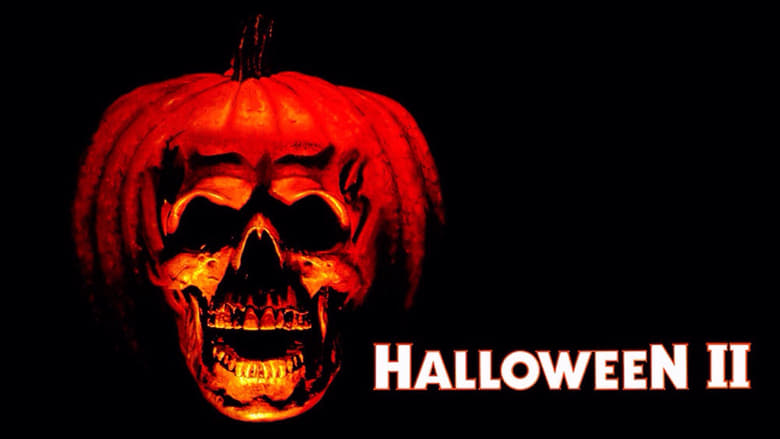
Halloween II
1981
-

The Evil Dead
1981
-
The Howling
1981
-

A Nightmare on Elm Street
1984
-
Children of the Corn
1984
-

A Nightmare on Elm Street Part 2: Freddy's Revenge
1985
-

Day of the Dead
1985
-

Re-Animator
1985
-
Nosferatu the Vampyre
1979