Raging Bull
"Grace found in the gutter."
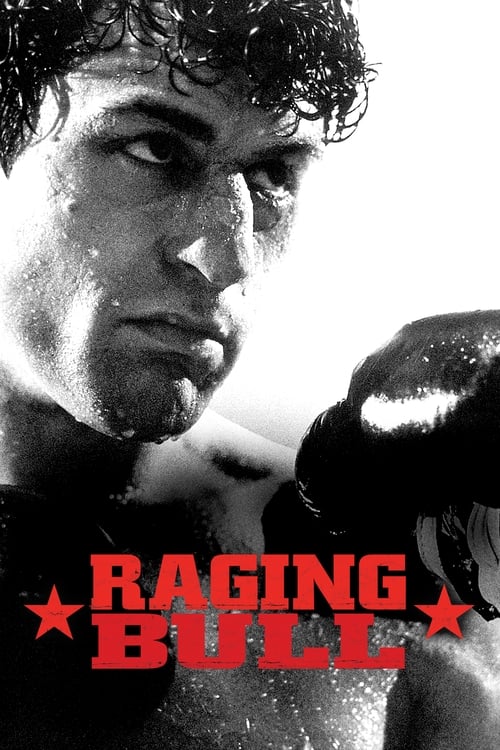
I watched Raging Bull again last night while my radiator hissed and clattered in the corner of the room, a rhythmic, metallic thumping that felt like it was keeping time with the punches on screen. It’s funny how some movies require a specific kind of silence, but Martin Scorsese’s 1980 masterpiece thrives on the noise—the roar of the crowd, the animalistic grunts of the ring, and the sound of a man systematically dismantling his own life.
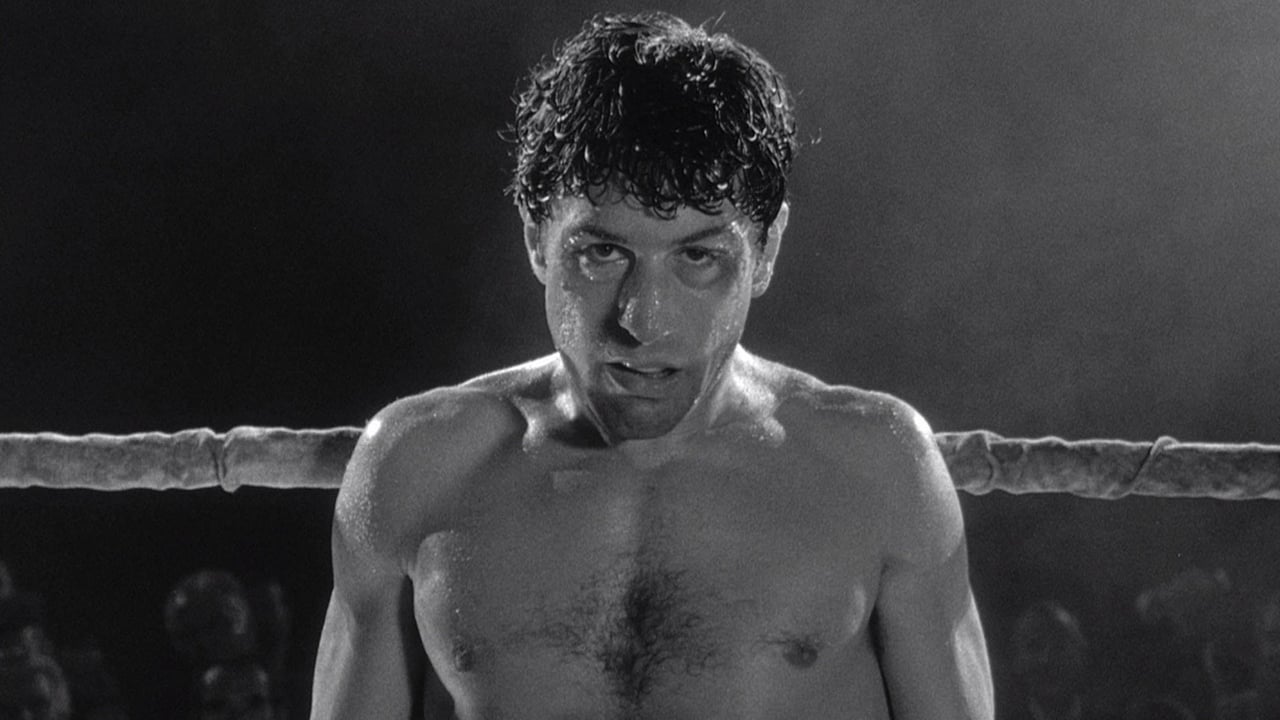
By the time the credits rolled, I wasn't just thinking about boxing. I was thinking about the strange, lonely architecture of the human ego. This isn’t a sports movie; it’s a crime scene investigation where the victim and the perpetrator share the same body.
The Gospel of the Ring
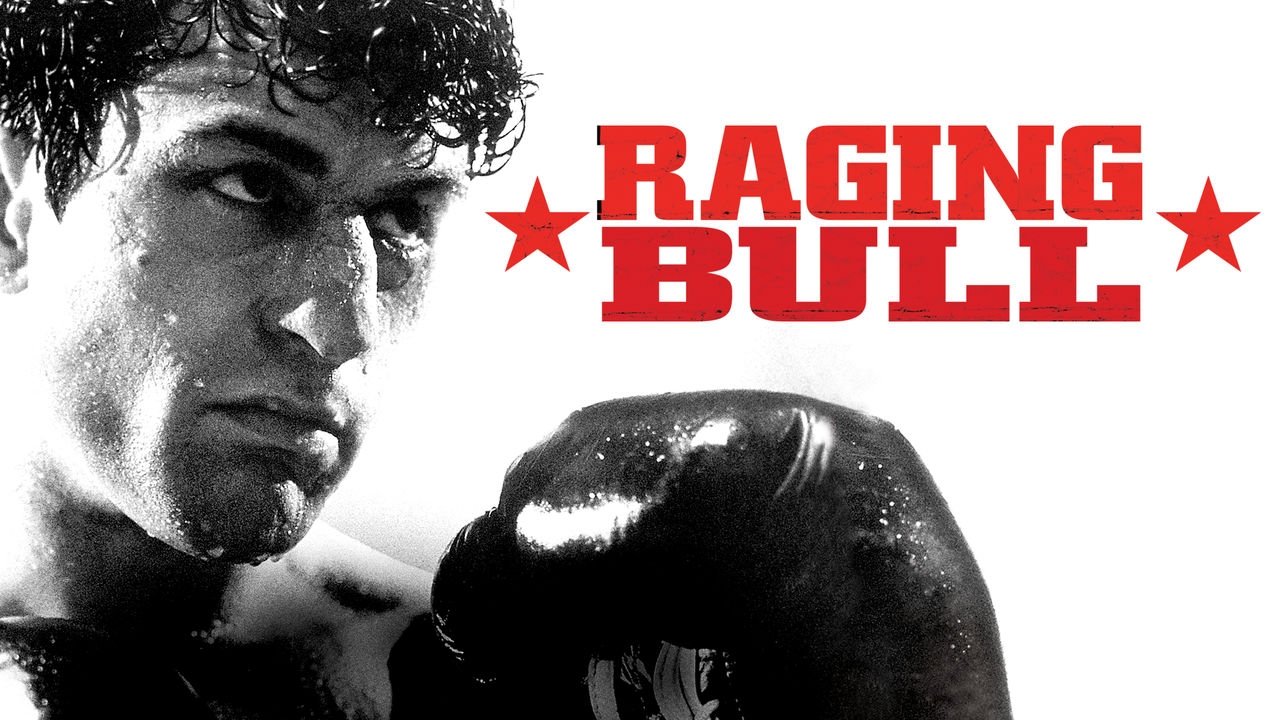
In 1980, Hollywood was shifting. The gritty, auteur-driven "New Hollywood" of the 70s was being ushered out by the dawn of the blockbuster era. Scorsese, however, felt like he was at the end of his rope. He made Raging Bull as if it were his last testament, and you can feel that "nothing to lose" intensity in every frame. Shooting in black and white wasn't just a stylistic flourish to mimic the newsreels of the 1940s; it was a psychological necessity. Michael Chapman’s cinematography strips away the glamour of the sport. Without the red of the blood or the blue of the trunks, we are left with pure contrast—stark whites and bottomless blacks.
Watching Robert De Niro as Jake LaMotta is a transformative experience that goes far beyond the legendary 60-pound weight gain. It’s in his posture. As the younger, leaner Jake, he moves like a coiled spring, looking for a reason to snap. As the older, bloated "Stage Jake," he carries his mass like a suit of leaden armor. De Niro doesn't ask you to like Jake; he asks you to witness him. Boxing movies are usually about the glory of the win, but Jake treats every victory like a moral failure he needs to be punished for.
A Family at War
The film’s heartbeat, however, is the relationship between Jake and his brother, Joey, played by a then-unknown Joe Pesci. This was the role that defined Pesci's career before he became the "funny how?" guy in Goodfellas. Their chemistry is frantic and terrifyingly authentic. You believe they grew up in the same cramped apartments, sharing the same air and the same short fuses. When Jake eventually turns his paranoia toward Joey, the betrayal feels more painful than any hook to the ribs.
Then there’s Cathy Moriarty as Vickie. She was only 17 or 18 when they filmed, and her performance is a marvel of cool detachment. In a world of screaming men, her silence is her only defense. She’s the catalyst for Jake’s "sexual jealousy," a recurring theme that writer Paul Schrader (who also penned Taxi Driver) explores with surgical precision. Jake can’t handle anything he can’t hit, and since he can’t hit his own insecurities, he takes them out on the people who love him.
The Texture of the Era
I remember seeing this for the first time on a United Artists VHS tape I’d rented from a shop that smelled exclusively of popcorn salt and old carpet. On a grainy CRT television, the film took on a different life. The way the light caught the sweat in the ring looked like silver, and the distorted sound design—which Frank Warner famously crafted by mixing animal growls and smashing melons—felt even more hallucinatory coming through those tinny speakers.
That’s the secret of Raging Bull: it’s an intellectual powerhouse disguised as a brawler. It asks uncomfortable questions about masculinity and the "need" for violence. Does a man like Jake need the ring to release his demons, or does the ring give those demons a place to grow? I’ve always felt that Jake’s shadowboxing in the opening credits is the most honest moment in cinema—a man fighting a ghost that looks exactly like him.
The Craft of Chaos

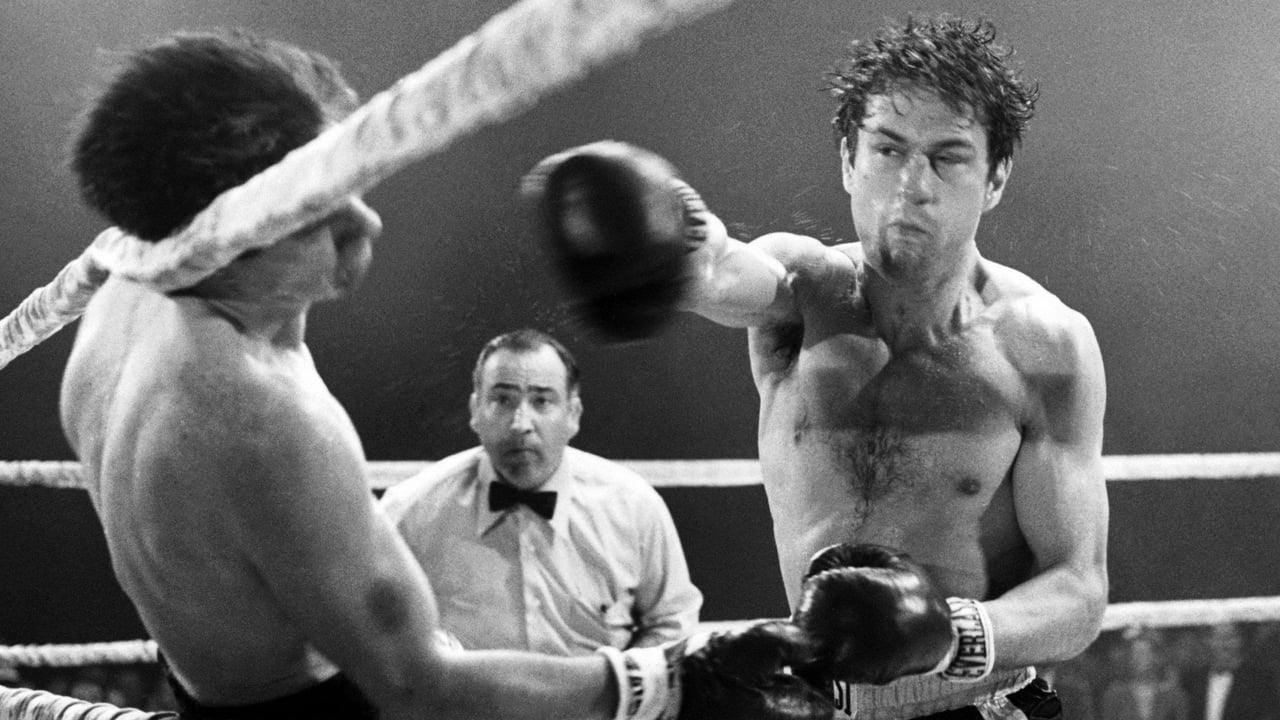
The editing by Thelma Schoonmaker is rightfully legendary. She won an Oscar for this, and you can see why in the way the fight scenes are structured. They aren't realistic; they are subjective. The ring expands and contracts based on Jake’s mental state. Sometimes the crowd is a deafening wall of sound; other times, the world goes deathly quiet, save for the wet thud of leather on skin.
Despite being nominated for eight Academy Awards, it lost Best Picture to Ordinary People. It’s a decision that has been debated for decades, but in a way, it fits the film’s legacy. Raging Bull wasn't meant to be the "winner" of 1980. It was meant to be the film that survived, a bruised and bloody relic of a time when directors were allowed to be this uncompromising.
If you’ve only ever seen the parodies of De Niro saying "You talking to me?" (wrong movie, I know, but the "Is it me?" energy is here) or the "I coulda been a contender" monologue he recites at the end, you owe it to yourself to see the context. It’s a difficult, exhausting, and beautiful piece of art. It’s the kind of movie that makes you want to sit in the dark for ten minutes after it’s over, listening to the hum of your own house and wondering which of your own demons you’re currently shadowboxing.
Keep Exploring...
-

Taxi Driver
1976
-
Mean Streets
1973
-
The King of Comedy
1982
-
GoodFellas
1990
-
The Last Temptation of Christ
1988
-
Casino
1995
-

Once Upon a Time in America
1984
-
The Deer Hunter
1978
-
The Elephant Man
1980
-
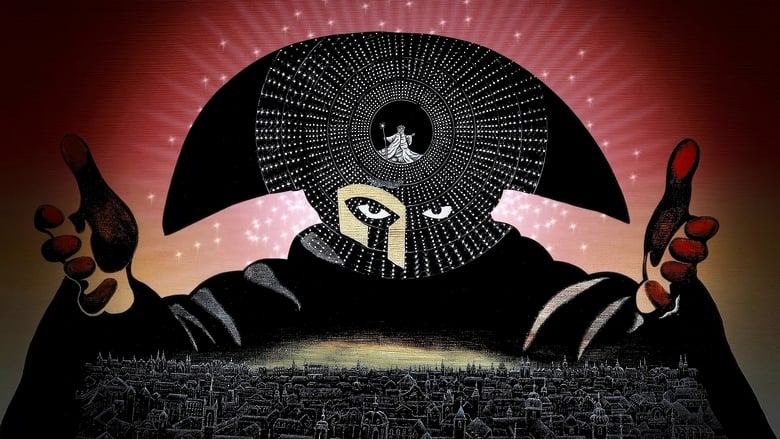
Amadeus
1984
-
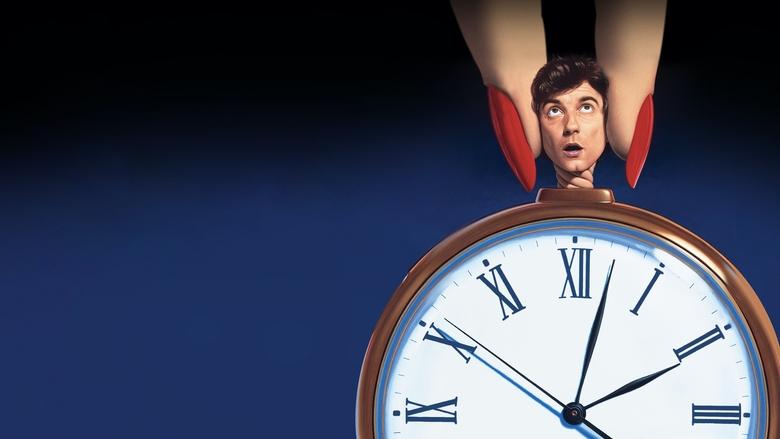
After Hours
1985
-

The Irishman
2019
-
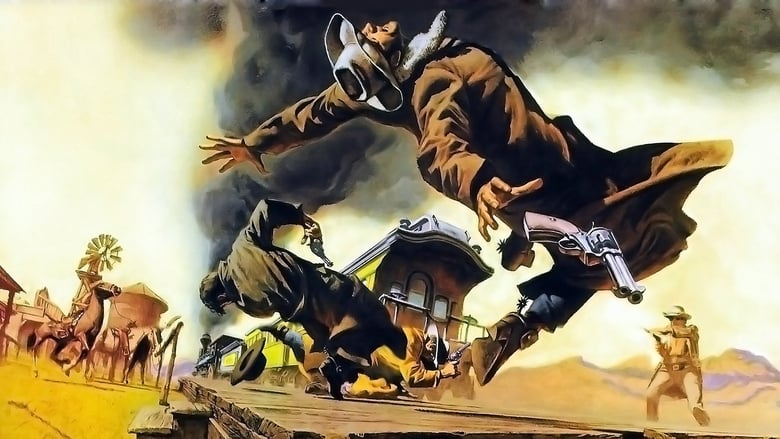
Once Upon a Time in the West
1968
-
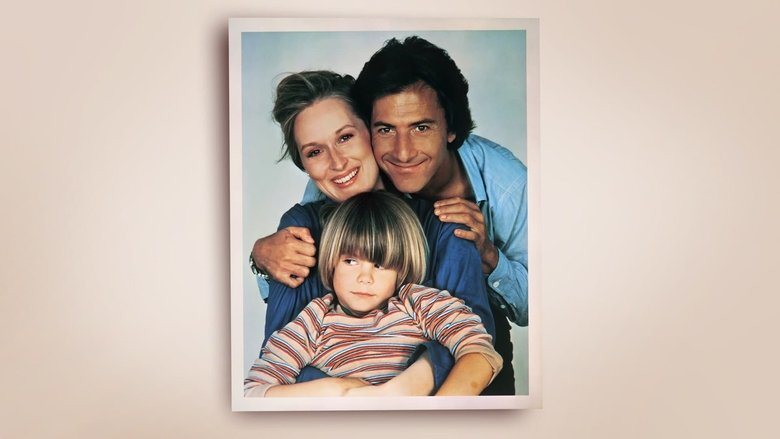
Kramer vs. Kramer
1979
-
Manhattan
1979
-
Gandhi
1982
-
The Color Purple
1985
-
Cinema Paradiso
1988
-
Kiki's Delivery Service
1989
-
Cape Fear
1991