Superman II
"Kneel before the ultimate comic book sequel."
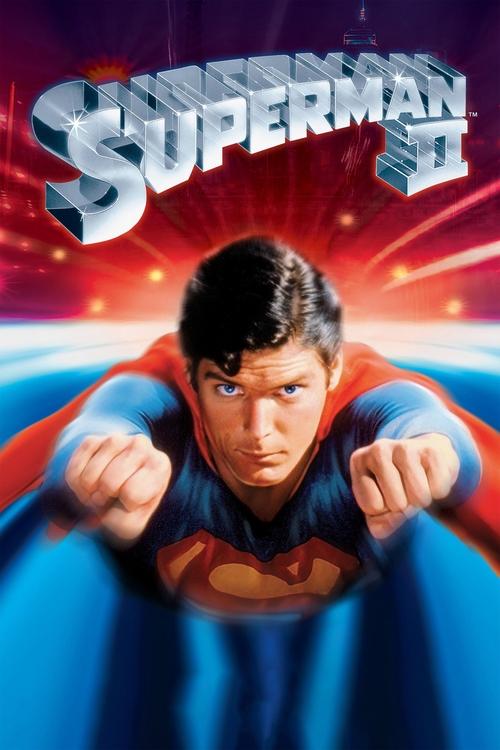
There is an arrogance to Terence Stamp as General Zod that feels like it could peel the paint off a Fortress of Solitude wall. He doesn’t just walk; he glides with the bored entitlement of a god who finds the very act of breathing Earth’s oxygen beneath him. While the 1978 original gave us the myth, Superman II gives us the fight. It’s the moment the Man of Steel stopped being a civic monument and started being an action hero.

I recently revisited this one while nursing a lukewarm ginger ale that had lost its fizz twenty minutes earlier, and it struck me how much this film relies on pure, unadulterated charisma to bridge its infamously fractured production. For those not steeped in the behind-the-scenes drama, director Richard Donner (who gave us The Goonies) was infamously fired after shooting a huge chunk of the footage, replaced by Richard Lester (the man behind A Hard Day’s Night). The result is a tonal tug-of-war—half grand Shakespearian epic, half slapstick-heavy comic book—yet somehow, it’s the most "comic book" a movie has ever felt.
The Battle for Metropolis
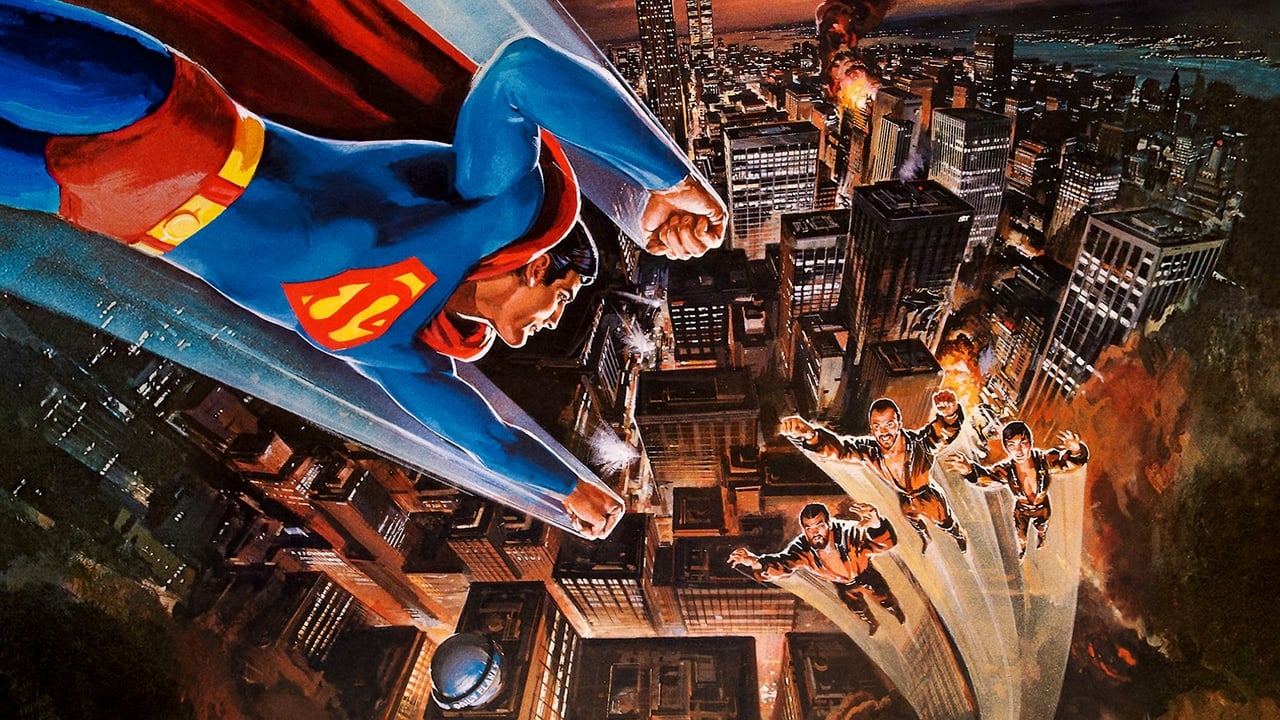
The centerpiece of Superman II is the three-on-one showdown in the streets of New York (masquerading as Metropolis), and it remains a masterclass in pre-CGI chaos. Unlike modern superhero brawls that often dissolve into a digital blur of pixels, the action here feels wonderfully tactile. When Jack O'Halloran’s Non—the mute powerhouse of the Kryptonian trio—punches Superman through a building, you can see the dust, the actual debris, and the wires that Christopher Reeve is clearly strapped to.
There’s a weight to the stunts that I miss in the modern era. The production utilized massive wind machines to simulate the Kryptonians’ "super-breath," tossing pedestrians and cars around with a physical force that makes you feel for the stunt coordinators. I’ve always had a soft spot for the moment Zod uses his heat vision to slice through a skyscraper; it’s a simple optical effect, but the framing by Geoffrey Unsworth gives it a terrifying scale. The visual effects in the Metropolis battle are better than 90% of what Marvel puts out today because you can actually tell where the actors are in relation to the explosions.
A Hero Stripped Bare
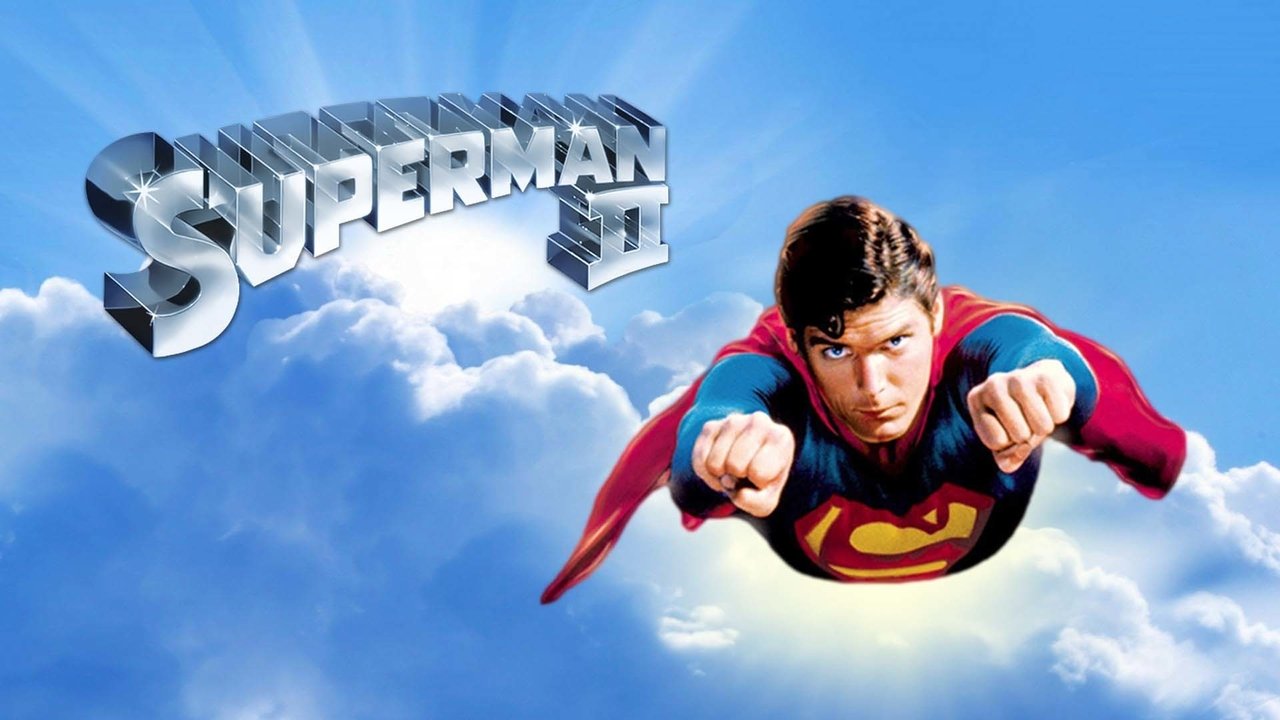
What really makes this sequel sing, though, isn't the punching—it’s the vulnerability. The plot choice to have Clark Kent renounce his powers for love is a bold narrative swing that pays off because of Christopher Reeve. We talk a lot about his physicality, but the diner scene, where a depowered, human Clark gets his clock cleaned by a common bully named Rocky, is heartbreaking. Reeve sells the humiliation and the physical pain with such sincerity that when he finally heads back to the North to reclaim his birthright, you’re practically cheering at the screen.
Margot Kidder’s Lois Lane is the perfect foil here. She’s frantic, chain-smoking, and incredibly sharp, providing a grounded human stakes that most superhero romances lack. Watching her jump into the Niagara River just to prove Clark is Superman is a level of "toxic relationship goals" that only the 80s could provide. Her chemistry with Reeve is the engine that drives the film, making the eventual "magic kiss" ending—as nonsensical as it is—feel earned on an emotional level.
The Home Video Icon
If you grew up with a VCR, Superman II was likely a permanent fixture in your rotation. I remember the specific "Warner Home Video" clamshell case with the bright blue cover art; it was a staple of the "Action" section in every mom-and-pop rental shop. This was a movie built for the VHS era because it invited you to rewind the weird bits. I spent hours as a kid trying to figure out the "S" shield that Superman throws like a giant cellophane saran-wrap trap in the Fortress of Solitude. It’s a bizarre, non-canonical power that Richard Lester clearly added to spice things up, and it remains the most confusingly awesome moment in the entire franchise.
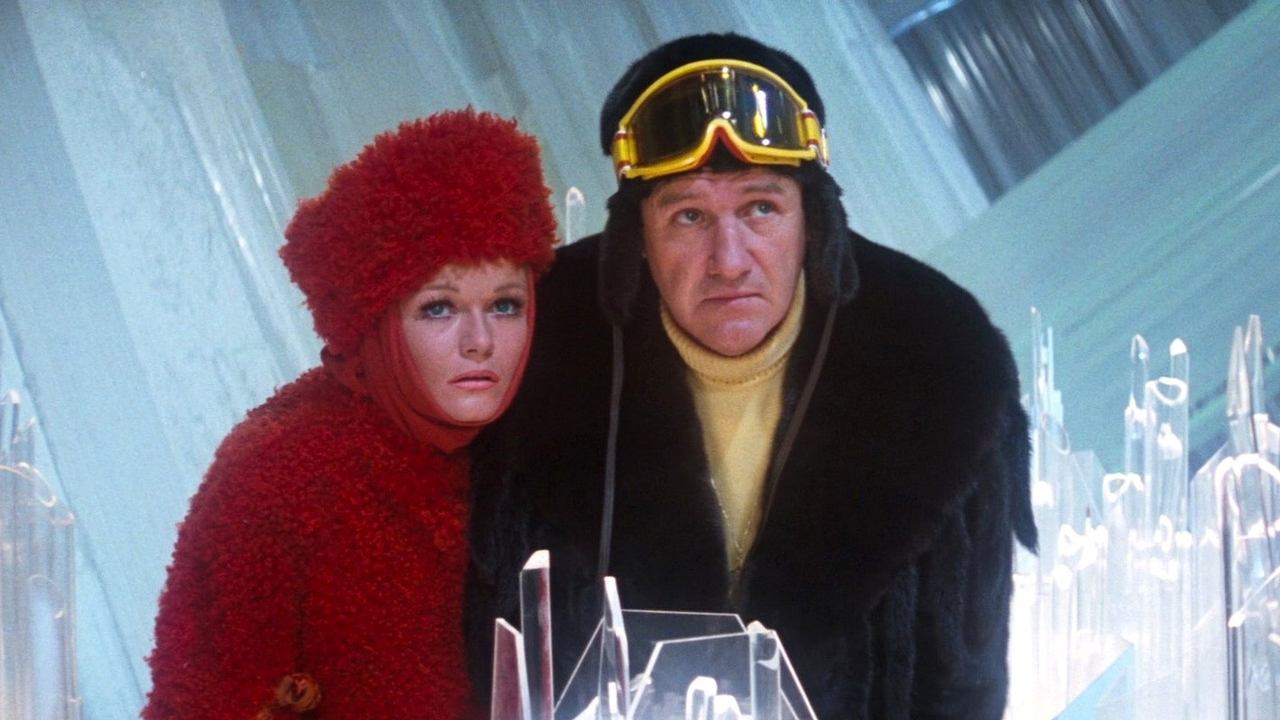
The film’s legacy is also tied to the sheer brilliance of its villains. Sarah Douglas as Ursa is chillingly sadistic, and Gene Hackman (returning as Lex Luthor) brings a sleazy, used-car-salesman energy that balances the Kryptonians’ coldness. Lex’s constant backstabbing and attempts to negotiate "Australia" as his personal kingdom remind us that even when gods are fighting, the real threat is often just a greedy man with a map.
Despite the clashing directorial styles and the occasional dip into campy slapstick, Superman II is the quintessential superhero sequel. It took the foundation laid by the first film and added the one thing it was missing: a genuine physical threat. It’s a movie that understands that a hero is only as good as the villains he’s facing, and in Zod, Ursa, and Non, Superman met a trio that defined the genre for decades to come.
This is the kind of film that rewards a lazy Saturday afternoon viewing. It’s big, colorful, and unashamed of its comic book roots. While the "Donner Cut" released years later offers a more cohesive vision, there’s something about the theatrical version—the one we all wore out on tape—that captures the pure, chaotic joy of 1980s blockbuster filmmaking. It reminds us that before the shared universes and the gritty reboots, being a hero was about a red cape, a strong chin, and the courage to stand up to a bully, even if that bully has heat vision.

Keep Exploring...
-

Superman
1978
-
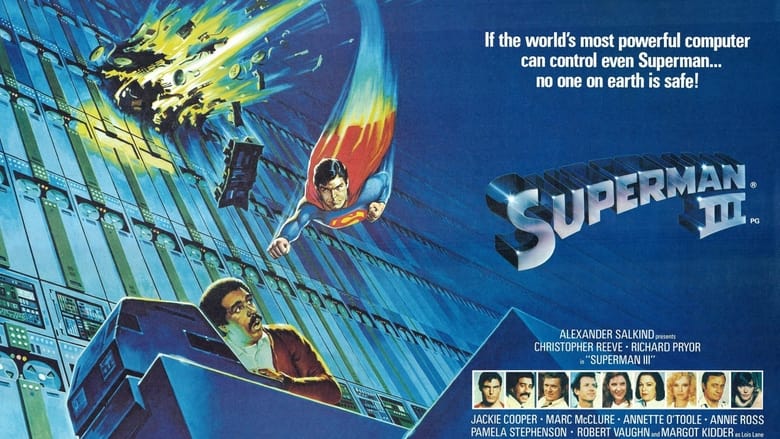
Superman III
1983
-
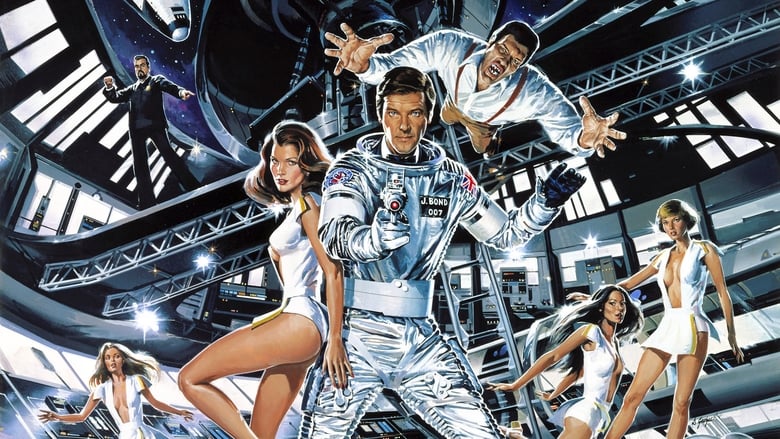
Moonraker
1979
-
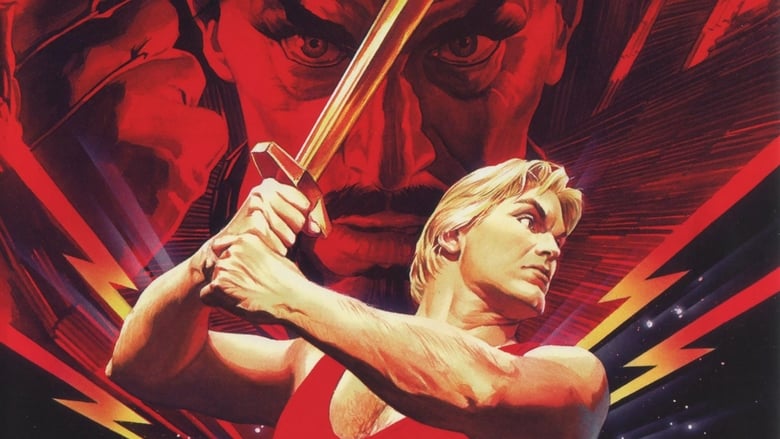
Flash Gordon
1980
-

Star Trek II: The Wrath of Khan
1982
-
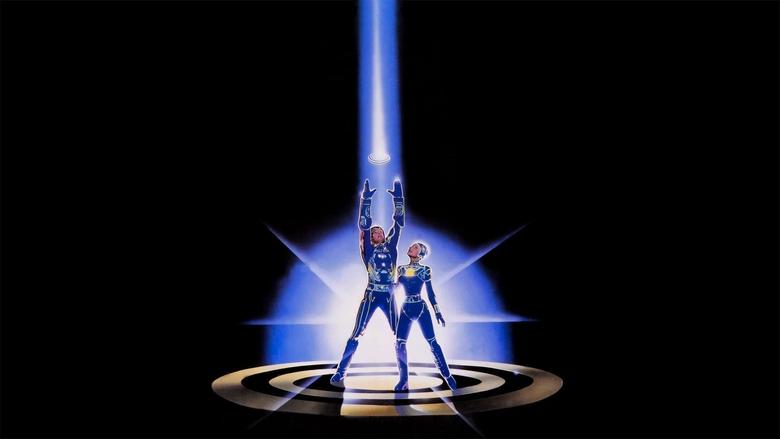
Tron
1982
-
Dune
1984
-
Star Trek III: The Search for Spock
1984
-
Star Wars
1977
-
The Empire Strikes Back
1980
-
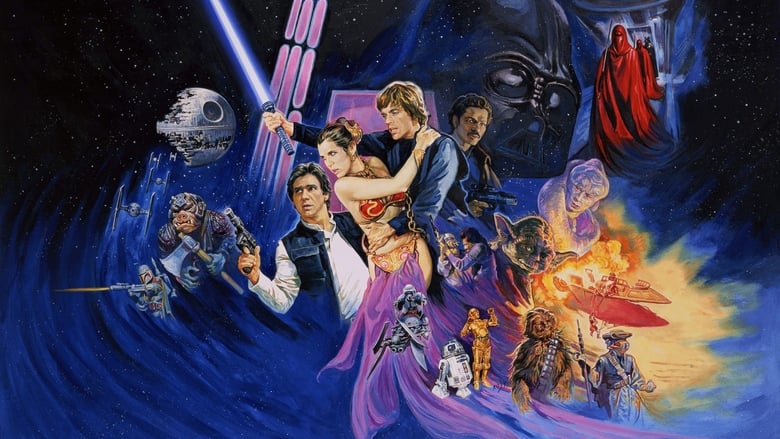
Return of the Jedi
1983
-
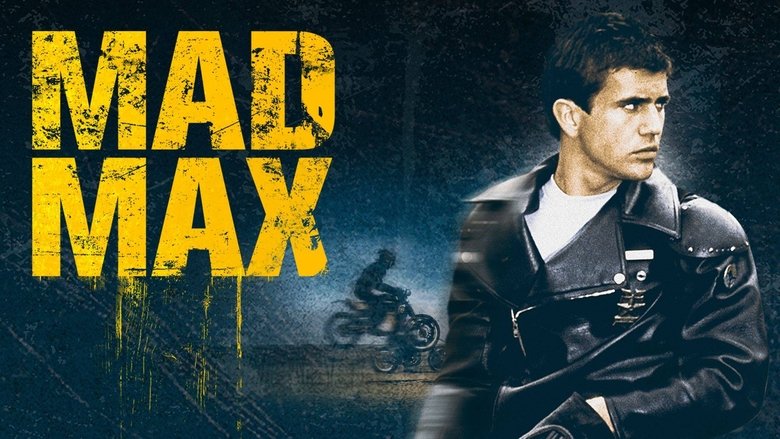
Mad Max
1979
-
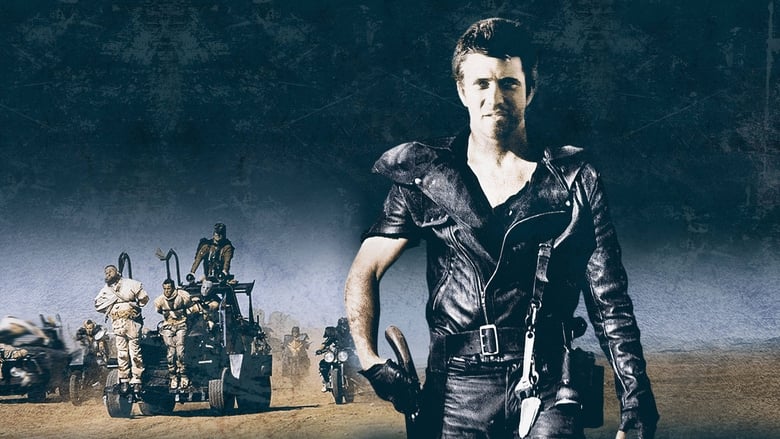
Mad Max 2
1981
-
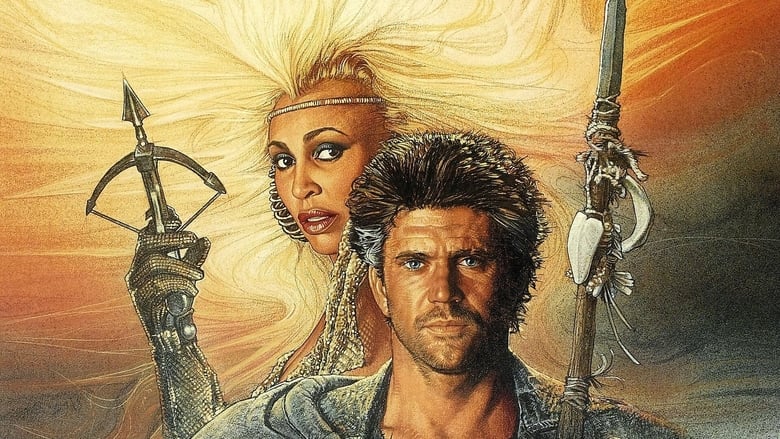
Mad Max Beyond Thunderdome
1985
-
Star Trek: The Motion Picture
1979
-
E.T. the Extra-Terrestrial
1982
-
First Blood
1982
-
Indiana Jones and the Temple of Doom
1984
-
The Karate Kid
1984
-
Rambo: First Blood Part II
1985