The Elephant Man
"Behind the mask lies a beautiful, breaking heart."
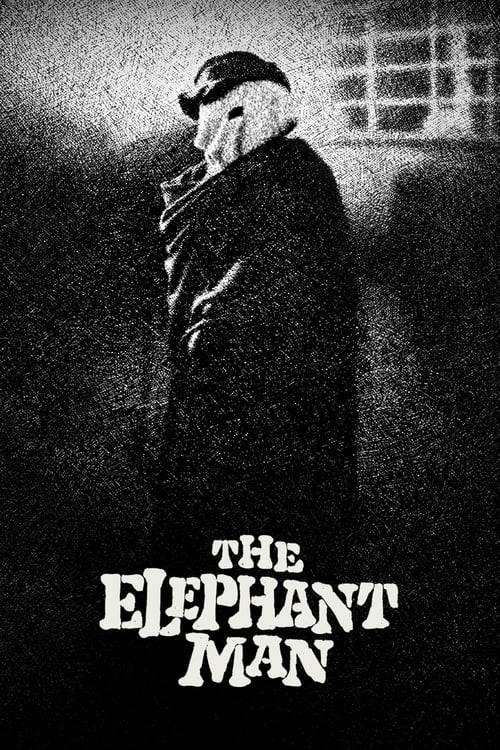
In 1980, if you saw a movie poster for a prestige Victorian drama produced by Mel Brooks, you probably expected a spoof of Oliver Twist or maybe a high-society farce. What audiences got instead was a black-and-white descent into the industrial soot of London, directed by a guy whose only previous credit was a midnight-movie nightmare about a radiator lady and a mutant baby.
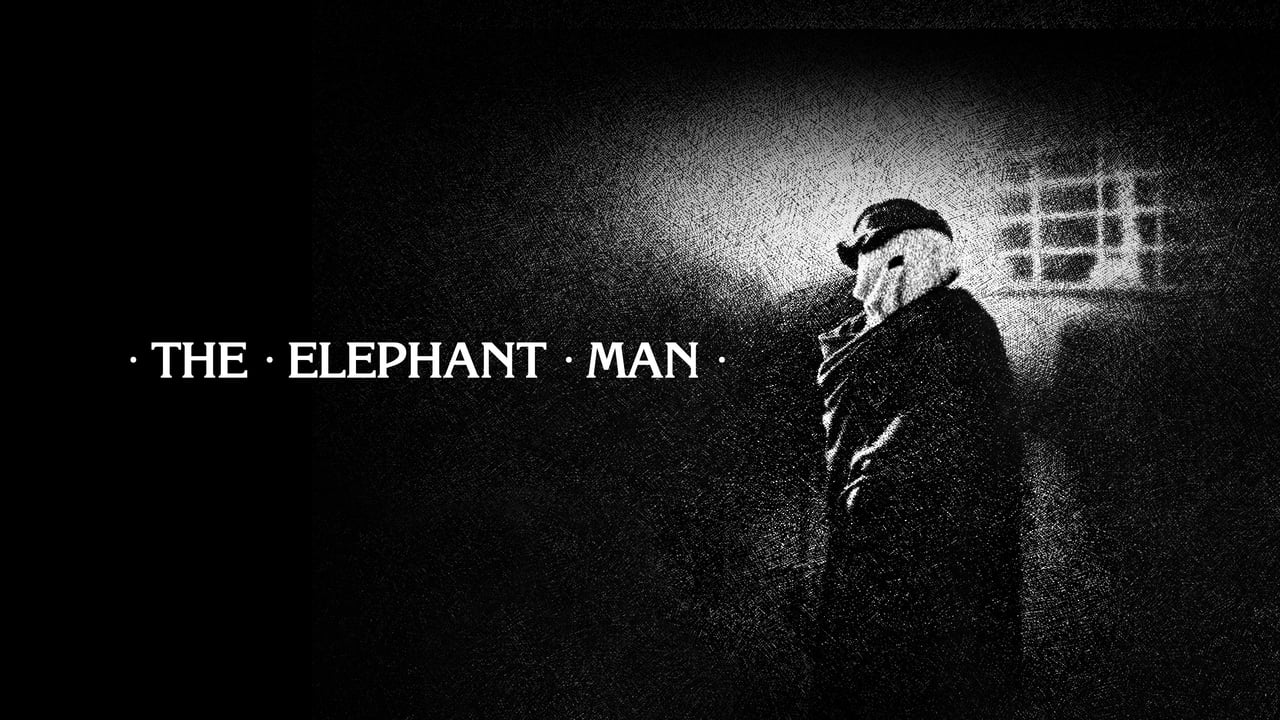
I watched this for the first time on a Tuesday while eating a slightly stale piece of toast, and the crunch of the bread echoed in my quiet apartment like one of the film’s clanging industrial gears. It’s a movie that demands silence, yet fills your ears with the roar of 19th-century machinery. David Lynch—fresh off the cult success of Eraserhead—was an insane choice for a historical biopic, but it turns out that his obsession with textures, shadows, and the "human animal" was exactly what this story needed.
The Surrealist in the Surgeon’s Theater
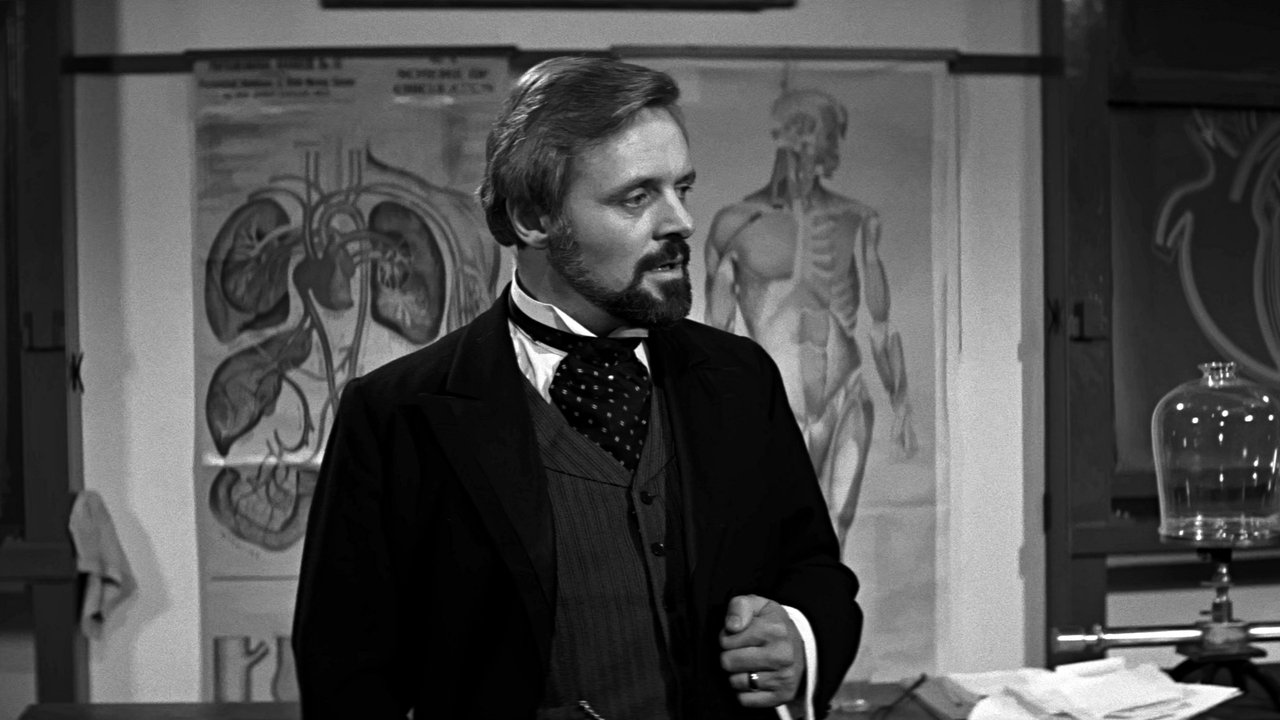
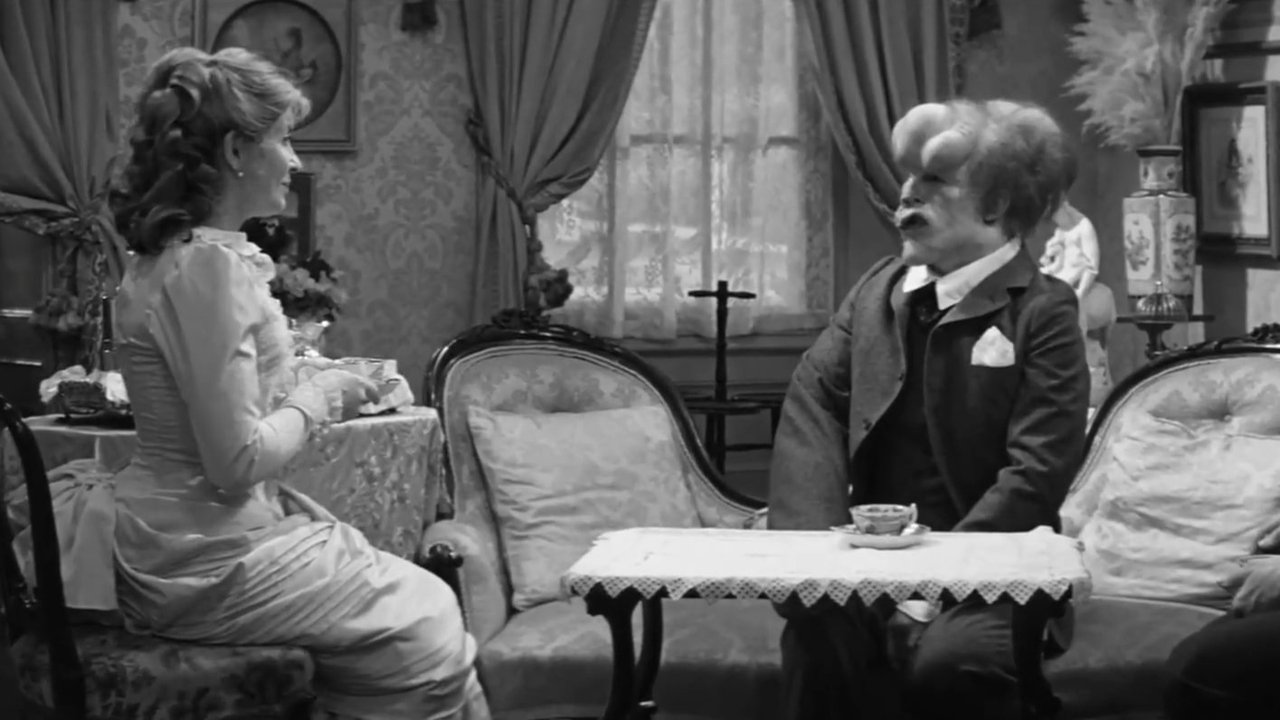
The film follows Frederick Treves, played with a fascinating, repressed guilt by Anthony Hopkins. Treves is a surgeon who "rescues" John Merrick from a literal cage in a freak show. But Lynch doesn't let Treves (or us) off the hook that easily. The movie poses a nagging, philosophical question: Is putting a man on display in a hospital lecture hall really that different from putting him in a carnival tent? Frederick Treves is just a high-society version of a carnival barker, and the film leans into that discomfort.
Lynch’s fingerprints are all over the opening and closing sequences—dreamlike, ethereal shots of elephants and smoke that feel like they drifted over from a different planet. But for the most part, he demonstrates a surprising amount of restraint. He lets the camera linger on the faces of the high-society types who come to visit Merrick, capturing the exact moment their pity turns into a different kind of voyeurism. The cinematography by Freddie Francis is nothing short of legendary; it’s high-contrast, deep-shadowed, and makes 1880s London look like a beautiful graveyard.
A Performance Under the Skin
The heart of the film is John Hurt. It’s one of the most physically demanding performances in cinema history, and he does it all while buried under layers of foam latex. Apparently, the makeup process took seven to eight hours every morning, meaning John Hurt had to arrive on set at 5:00 AM just to be ready for a noon shoot.
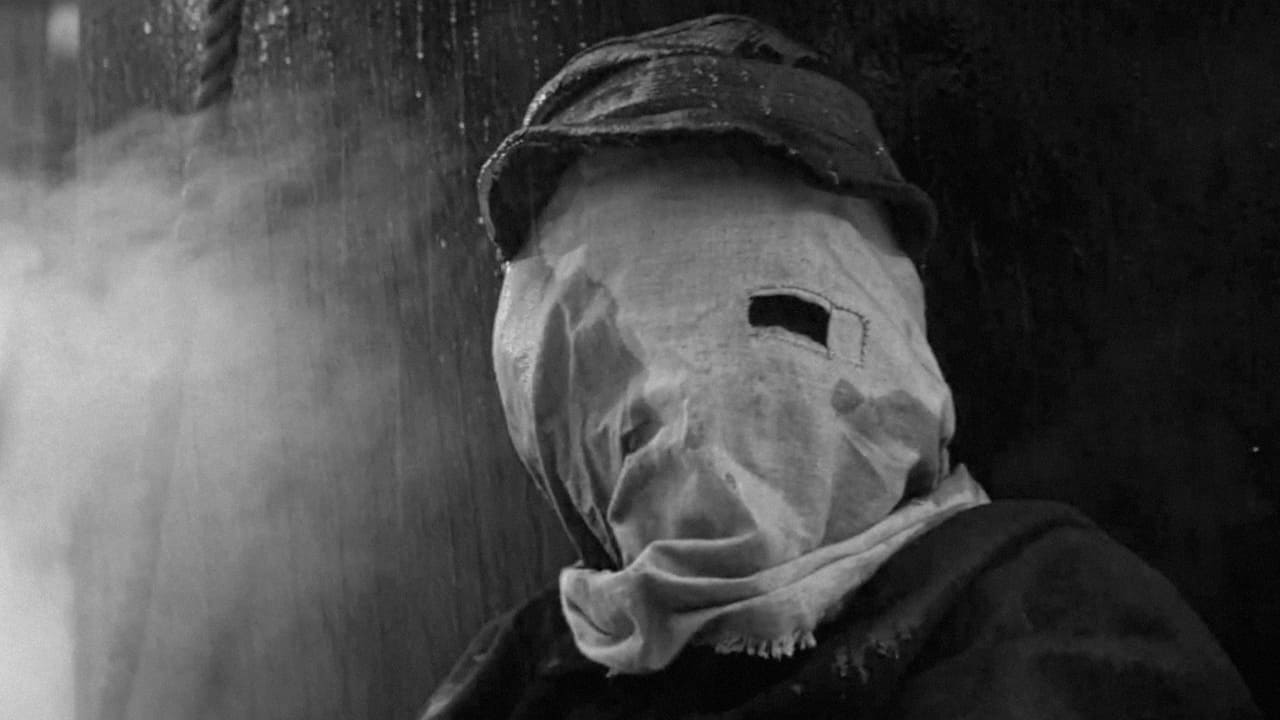
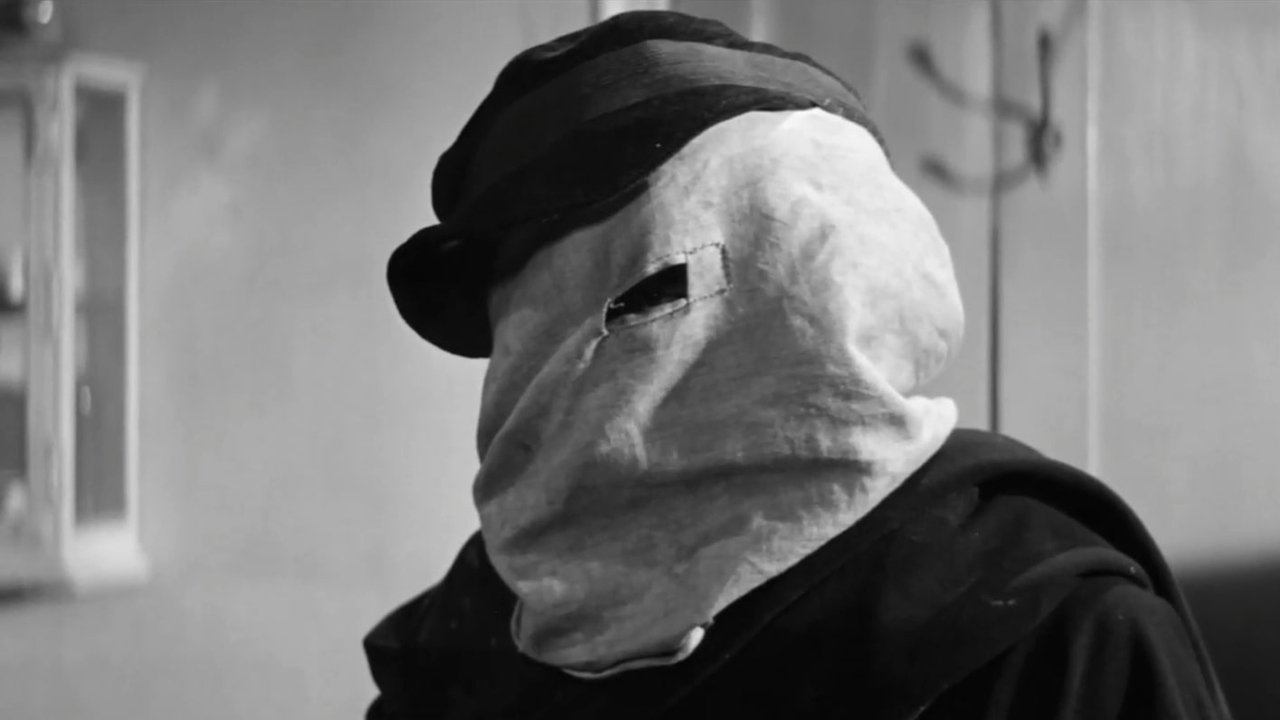
What’s incredible is how much humanity he radiates through the mask. We don't see Merrick's face for a good chunk of the first act—Lynch builds the tension through the horrified reactions of others—but when we finally meet him, he isn't a monster. He’s a poet. He’s a man who builds models of cathedrals and loves his mother. The scene where he recites the 23rd Psalm to a stunned Treves is a knockout. It’s a reminder that Merrick isn't a "project" or a "specimen."
Interestingly, the makeup was so revolutionary that it actually caused a bit of a scandal at the Academy Awards. At the time, there was no category for Best Makeup. After the film was released and the industry saw the work of Christopher Tucker, the backlash over the lack of recognition was so loud that the Academy created the Best Makeup category the very next year. It’s a shame Tucker didn't get a competitive Oscar for it retroactively, because the work holds up better than most CGI creations today.
The Stuff You Didn't Notice
One of the best things about this production is the "Mel Brooks" factor. Brooks was so worried that people would see his name on the credits and expect a comedy that he intentionally left his name off all the posters and the opening titles. He knew he had a masterpiece on his hands and didn't want his "King of Comedy" reputation to ruin the somber mood.
Also, if you're a history buff, you might know the real "Elephant Man" was named Joseph Merrick, not John. The film kept the name "John" because that was the name used in Treves’ original memoirs. Speaking of Treves, the real-life surgeon remained a close friend of Merrick until his death. And while we’re talking about Lynch—he actually tried to design the makeup himself at first! It apparently looked so much like a pile of gray mush that the production had to bring in the professionals. Sometimes even an auteur has to know when to delegate.
The Echo of the Scream
The climax of the film—the famous "I am a human being!" scene in the train station—is one of those rare cinematic moments that hasn't been dulled by decades of parodies. It’s the sound of a man who has been looked at his entire life finally demanding to be looked to.
When I first saw this on a grainy VHS tape years ago, the box art was intentionally vague, hiding Merrick's face to pique your curiosity. It sold itself as a bit of a horror-adjacent curiosity. But the real "horror" isn't Merrick's face; it’s the way the "normal" people treat him—the night porter who sells tickets to see him, the "owner" Bytes who beats him, and the socialites who use him to feel better about their own charity.
The Elephant Man is a rare bird: a film that is intellectually demanding, visually striking, and emotionally devastating all at once. If you don’t cry at the end, your soul is officially a fossil. It manages to be a critique of the "gaze" while being a film you cannot look away from. It’s David Lynch’s most accessible film, but don't let that fool you into thinking it’s "Lynch-lite." It is a profound meditation on the dignity of the spirit in a world that only values the symmetry of the flesh. Put down your phone, turn off the lights, and let this one break your heart. You’ll be better for it.
Keep Exploring...
-
Amadeus
1984
-
Gandhi
1982
-
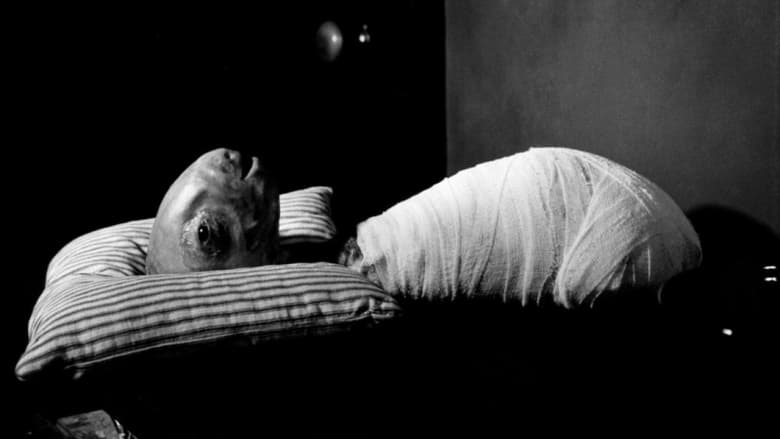
Eraserhead
1977
-
The Color Purple
1985
-
Barry Lyndon
1975
-
Ran
1985
-
Raging Bull
1980
-
Mirror
1975
-
Mulholland Drive
2001
-
Judgment at Nuremberg
1961
-
The Last Emperor
1987
-
A Bridge Too Far
1977
-

The Right Stuff
1983
-
Out of Africa
1985
-
Harakiri
1962
-
Andrei Rublev
1966
-
Blue Velvet
1986
-

Ben-Hur
1959
-
Once Upon a Time in the West
1968
-
Kramer vs. Kramer
1979