The Empire Strikes Back
"A cold, dark descent that proved blockbusters could have a soul."

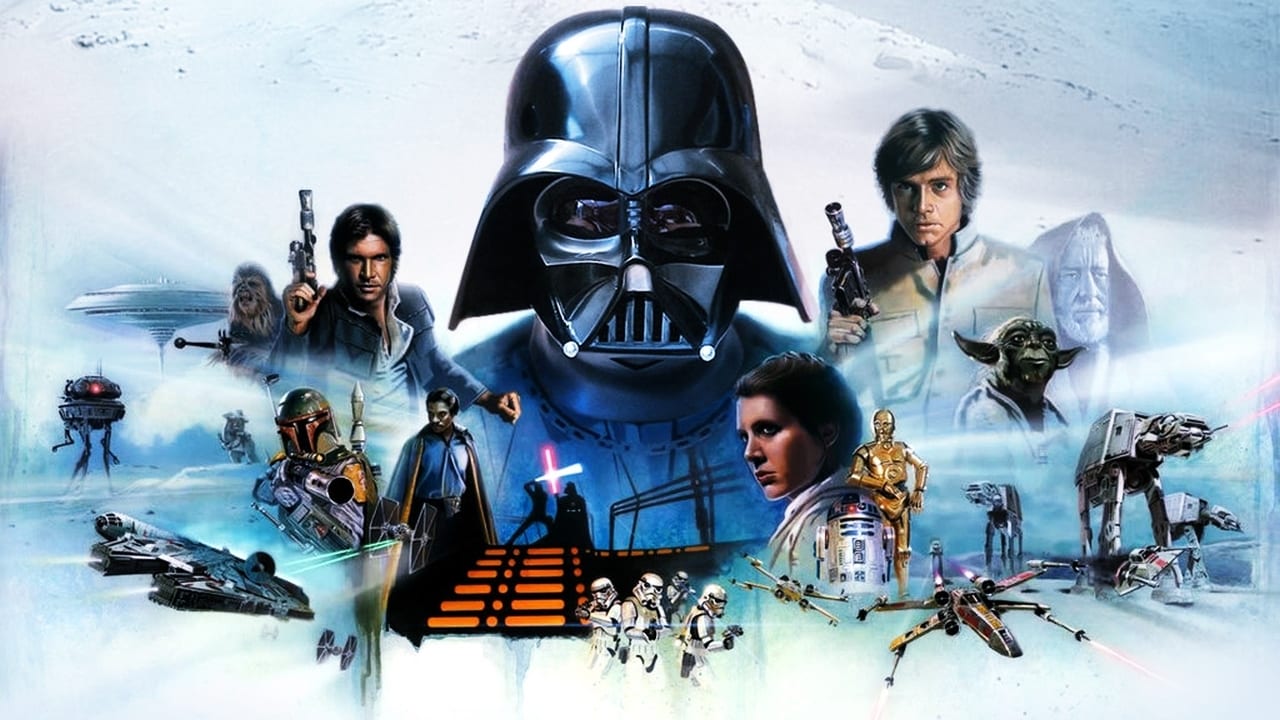
The first time I saw the AT-AT walkers cresting the horizon of Hoth, I wasn’t in a theater; I was sitting on a shag carpet in a living room that smelled faintly of Murphy Oil Soap. It was the mid-80s, and the CBS/Fox Video VHS box—with its iconic silver border and that painting of Darth Vader looming over the cast—was a sacred object. While the 1977 original felt like a sunny Saturday afternoon at the serials, The Empire Strikes Back always felt like the Sunday evening when you realized you hadn’t done your homework and the world was a much scarier place than you’d been led to believe.
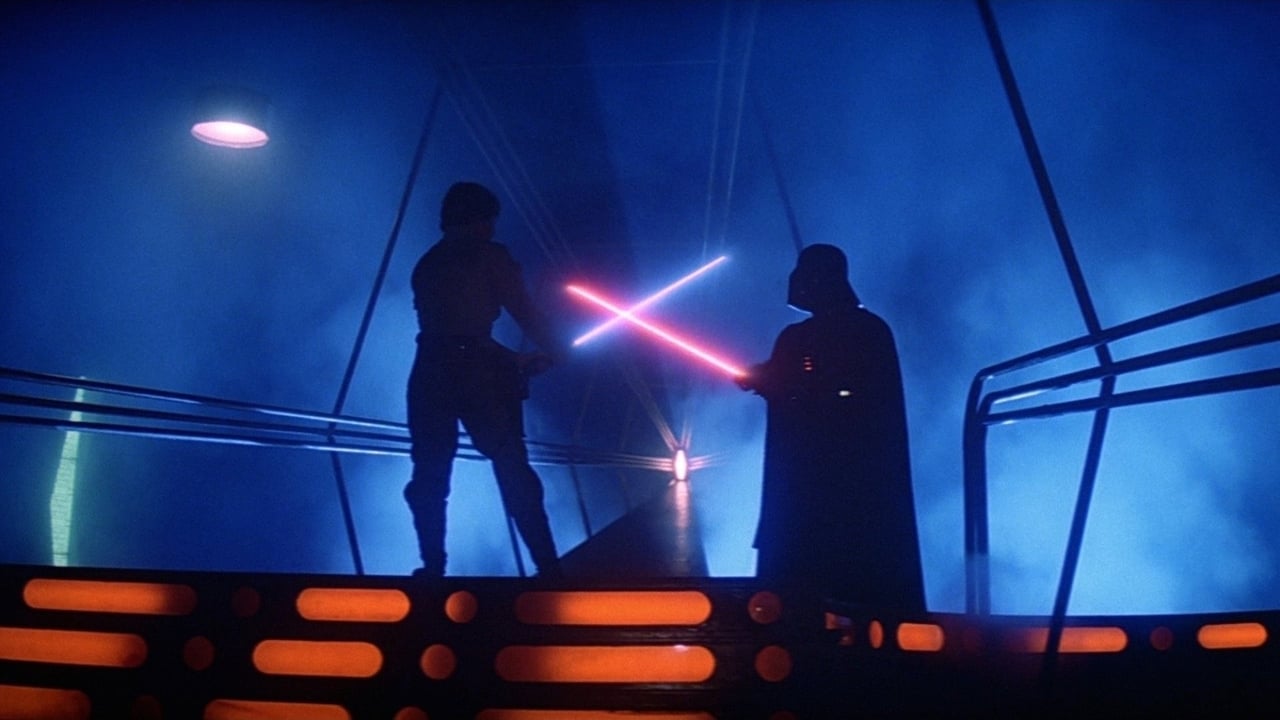
I rewatched it for this review while trying to pick cat hair off my sofa with a loop of packing tape, and honestly, the film’s ability to suck the air out of the room hasn’t aged a day. It is the gold standard for how to handle a sequel: take everything the audience loves and systematically dismantle it.
The Curse of the Second Act
After the massive success of the first film, George Lucas did something radical: he stepped back from the director’s chair and handed the reins to his old professor, Irvin Kershner. It was an inspired choice. Kershner brought a sense of character-driven gravity that the space-opera genre rarely sees. Instead of a victory lap, we get a retreat. The Rebellion is broken, the heroes are scattered, and the "hero’s journey" of Mark Hamill's Luke Skywalker hits a muddy, literal swamp on Dagobah.
The pacing here is a masterclass in tension. We jump from the frantic, high-stakes battle on the ice plains of Hoth to the claustrophobic, bickering romance inside the Millennium Falcon. Harrison Ford and Carrie Fisher find a rhythm here that wasn't quite there in the first outing—a cynical, sweaty, "New Hollywood" chemistry that feels more Casablanca than Flash Gordon. Ford famously brought his own brand of grit to the set; when Irvin Kershner was struggling with a scripted response to Leia’s "I love you," Ford suggested the now-iconic "I know." It’s a moment that defines Han Solo better than ten pages of dialogue ever could.
Puppets, Painters, and Practicalities
We talk a lot about the "Practical Effects Golden Age," but Empire is the peak of that mountain. There is a weight to this film that CGI simply cannot replicate. The AT-AT walkers were brought to life through painstaking stop-motion, and the Hoth sequences were filmed in a genuine sub-zero blizzard in Finse, Norway. Apparently, the weather was so foul that Kershner just opened the doors of the crew’s hotel and filmed Mark Hamill stumbling through the actual drifts outside. You can see the genuine misery on the actors' faces, and it grounds the fantasy in a way that feels dangerously real.
Then, of course, there is Yoda. It’s easy to forget what a gamble this was. Lucas was terrified that a puppet would ruin the movie’s emotional core. They actually considered putting a monkey in a mask before Frank Oz stepped in. Through a combination of Oz’s soulful performance and some incredible engineering, Yoda became more "human" than most of the live-action characters in 1980's cinema.
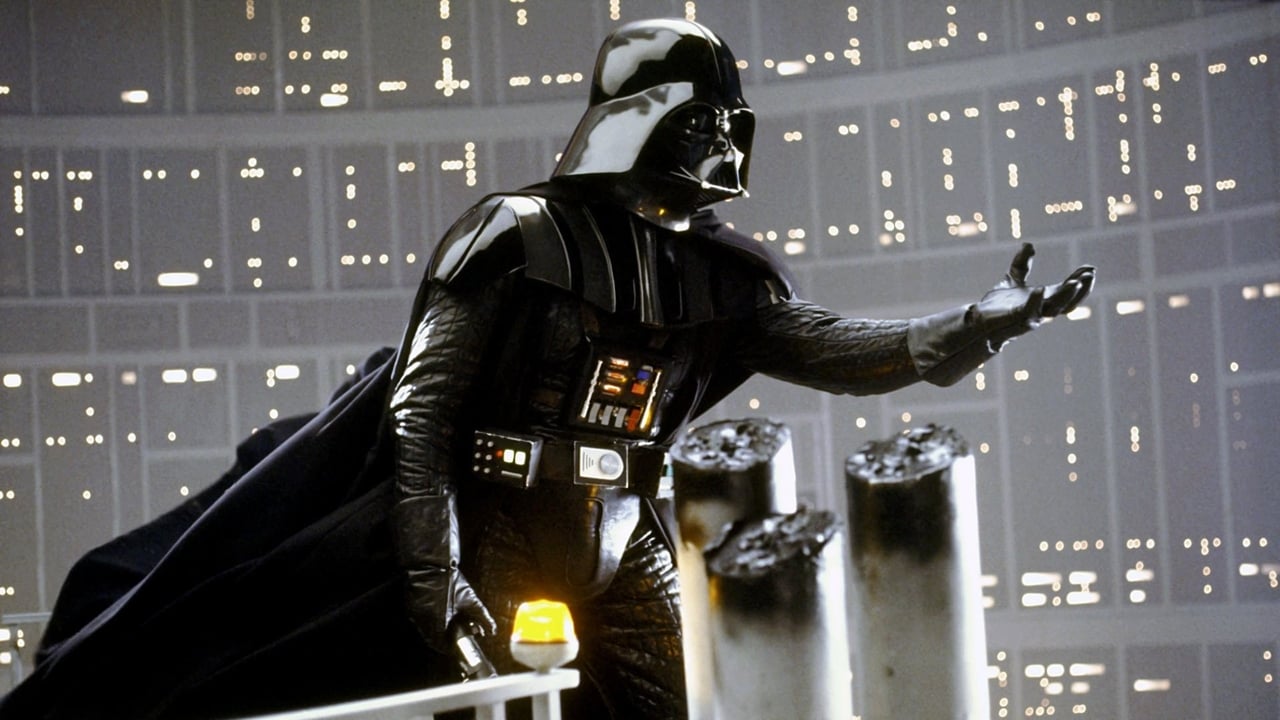
The sound design by Ben Burtt and the score by John Williams—who introduced "The Imperial March" here—create an auditory landscape that is inseparable from the visuals. When that brass hits as David Prowse’s Vader stalks through the corridors of Cloud City, you don’t just hear the threat; you feel it in your teeth.
The Tape That Never Left the Machine
For those of us who grew up in the VHS era, Empire was the ultimate "rewatch" movie. It was the film you’d pop in just to see the duel in the carbon-freezing chamber one more time. The lighting in that scene, courtesy of cinematographer Peter Suschitzky (who also shot Cronenberg’s Crash), is pure German Expressionism. The silhouettes, the steam, and the orange glow turned a sci-fi fight into something mythological.
But the real magic of the home video revolution was the ability to obsess over the details. We’d pause the tape to see if we could spot the "shoe" or the "potato" that the effects team at ILM allegedly hid in the asteroid field. We’d rewind the Vader reveal a dozen times, trying to reconcile the twist. The Cloud City dinner scene is the most awkward social engagement in cinematic history, and being able to re-examine the look on Billy Dee Williams' face as Lando Calrissian realizes he’s made a deal with the devil was a rite of passage for every young cinephile.
The budget for Empire ballooned to $18 million—a massive sum at the time—which Lucas largely self-funded to maintain creative control. It paid off. The film didn't just break box office records; it changed the DNA of the blockbuster. It proved that you could have a cliffhanger ending that left audiences devastated rather than cheered, and they would still come back for more.
The Empire Strikes Back remains the high-water mark of the franchise because it isn't afraid to let its characters fail. It treats the audience with enough respect to know that we can handle a little darkness with our stardust. Whether you're watching it on a 4K OLED or a grain-heavy tape you found in a thrift store bin, the power of that final shot—Luke and Leia looking out at the galaxy—never loses its quiet, desperate hope.

Keep Exploring...
-
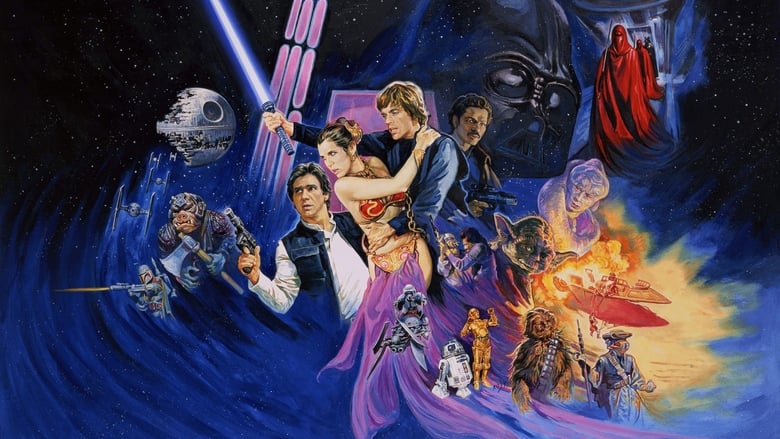
Return of the Jedi
1983
-
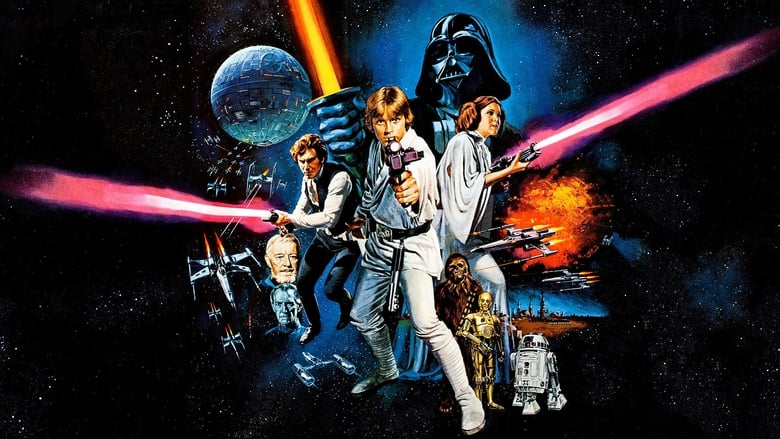
Star Wars
1977
-

Star Wars: Episode III - Revenge of the Sith
2005
-
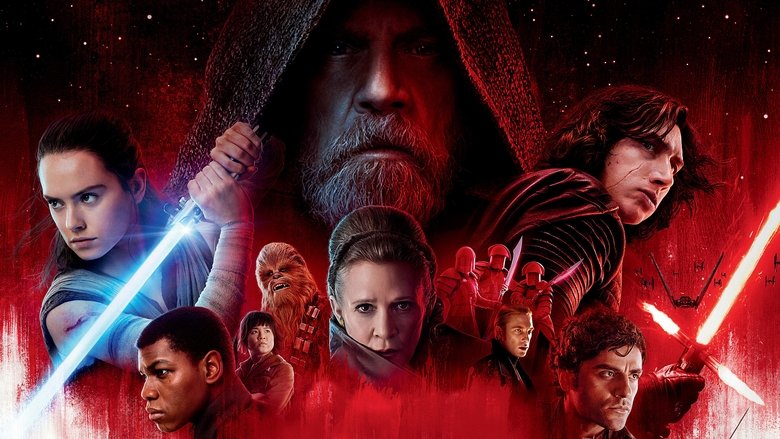
Star Wars: The Last Jedi
2017
-
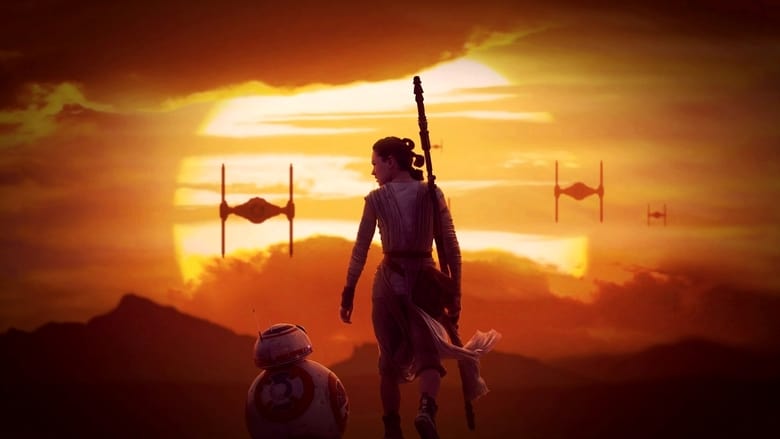
Star Wars: The Force Awakens
2015
-
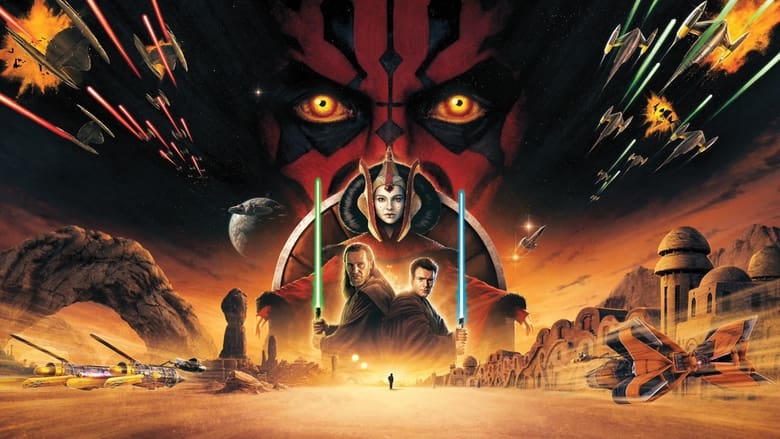
Star Wars: Episode I - The Phantom Menace
1999
-
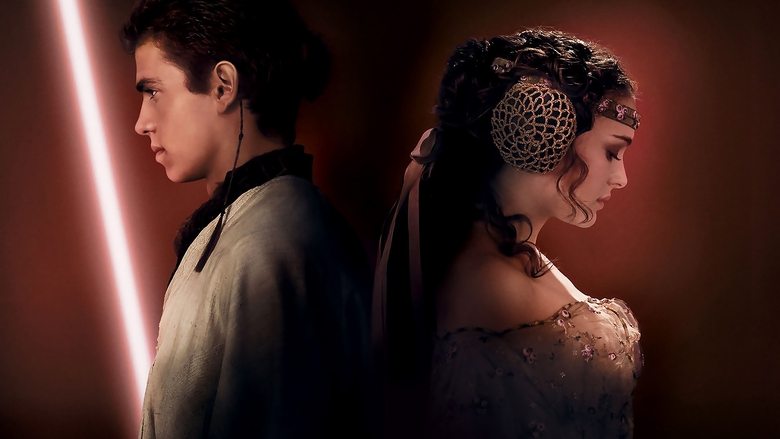
Star Wars: Episode II - Attack of the Clones
2002
-
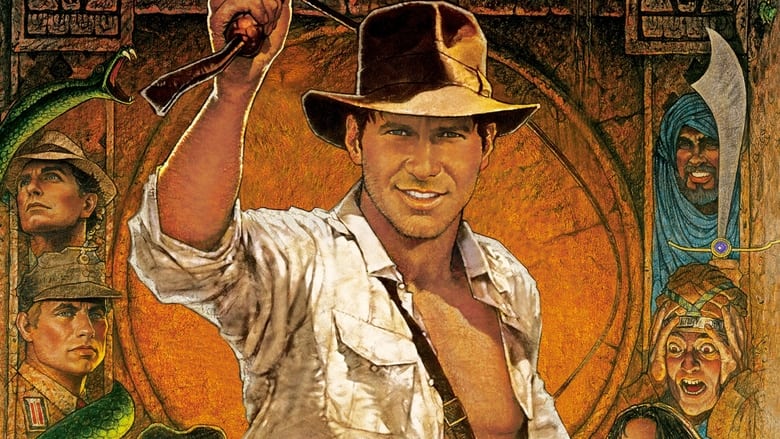
Raiders of the Lost Ark
1981
-
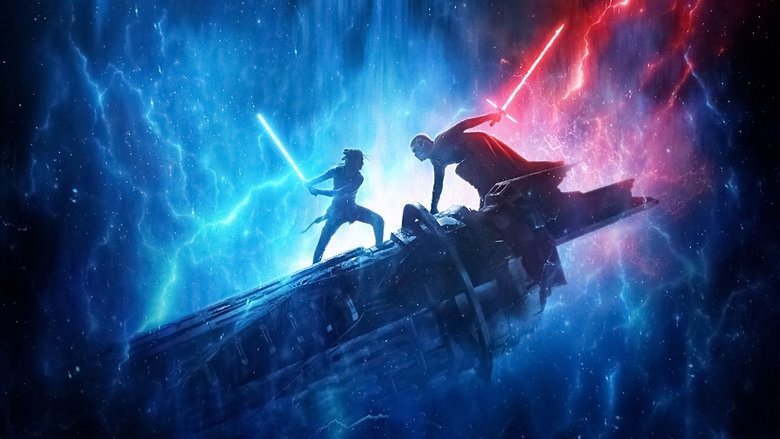
Star Wars: The Rise of Skywalker
2019
-

Star Trek II: The Wrath of Khan
1982
-
E.T. the Extra-Terrestrial
1982
-
First Blood
1982
-

Back to the Future
1985
-
Planet of the Apes
1968
-

Superman
1978
-

Superman II
1980
-
Never Say Never Again
1983
-

Predator
1987
-
Mad Max 2
1981
-
Aliens
1986