The Fog
"Lock your doors. Bolt your windows. The fog is here."
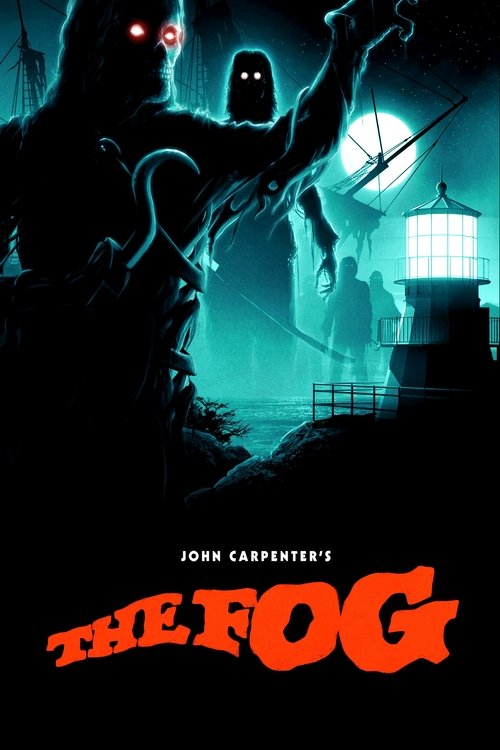
Antonio Bay is the kind of fictional California coastal town where you expect the local diner to serve a killer clam chowder and the residents to keep a few skeletons in their closets. In John Carpenter’s 1980 follow-up to the world-shattering success of Halloween (1978), those skeletons are literal, soggy, and carrying very sharp rusted hooks. I’ve always felt that The Fog is the ultimate "campfire story" movie—it’s designed to be told in the dark, with the wind rattling the windowpanes, preferably while you’re tucked under a blanket wondering if that creak in the hallway was just the house settling.

I watched this most recently on a tablet while my neighbor was power-washing his driveway; the constant hiss of water outside made the mist on screen feel like it was seeping through my window, which is probably the most immersive way to experience a movie about murderous vapor.
A Town Built on Treachery
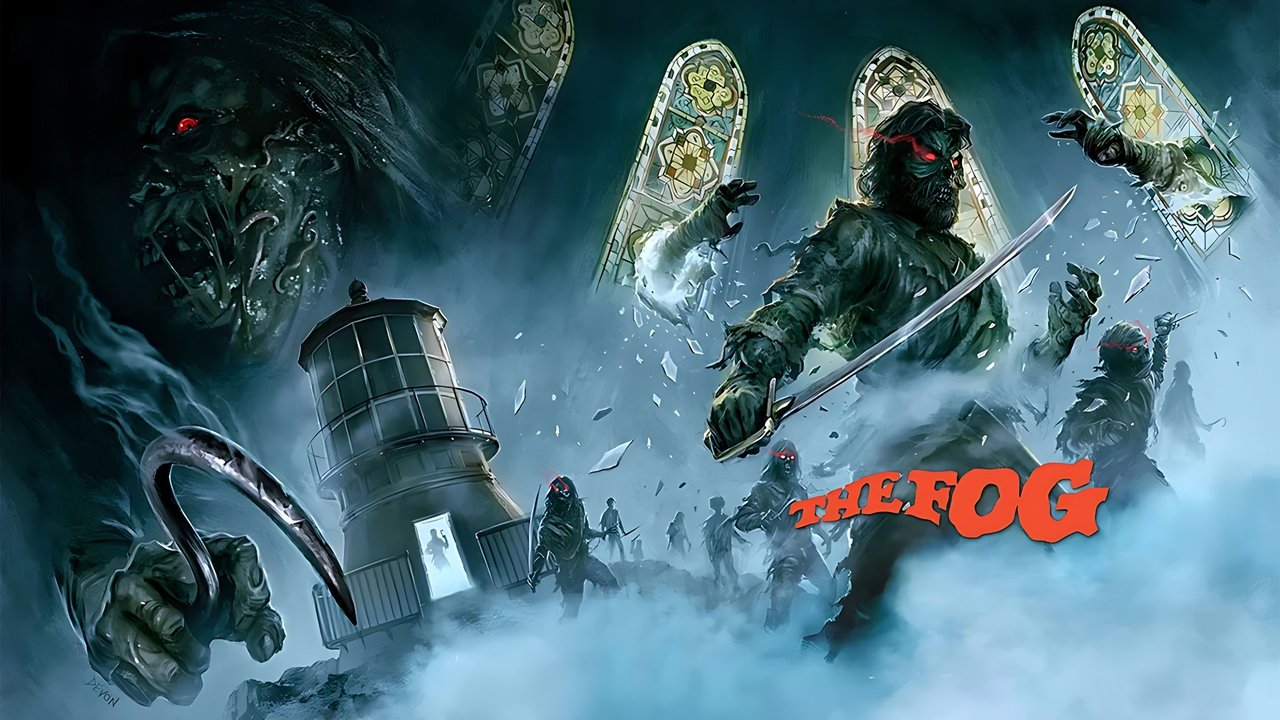
The plot is deceptively simple, which is where Carpenter often shines. Antonio Bay is celebrating its centennial, but the festivities are dampened by the fact that the town was founded on a mass-murdering bait-and-switch. A century ago, the town’s forefathers lured a ship full of lepers onto the rocks to steal their gold. Now, a glowing, iridescent fog is rolling in from the sea, bringing the vengeful spirits of the betrayed crew back for a little "eye for an eye" accounting.
What makes this work isn't the complexity of the ghost lore; it’s the geography. Carpenter and co-writer Debra Hill (the unsung hero of this era of horror) split the narrative between several groups: Adrienne Barbeau as Stevie Wayne, a silky-voiced radio DJ perched in a lighthouse; Tom Atkins and Jamie Lee Curtis as a pair of accidental companions; and Janet Leigh (Curtis’s real-life mother and Psycho legend) as the town’s frantic centennial organizer.
To me, Adrienne Barbeau is the soul of this film. Her isolation in that lighthouse, communicating via the airwaves while the town below is engulfed, creates a terrifying sense of helplessness. Jamie Lee Curtis is mostly here to look confused and hitchhike, but she’s still more magnetic than 90% of modern scream queens. Seeing her share the screen with her mother, Janet Leigh, is a treat for any horror nerd, even if they don't have many scenes together.
The Master of Atmosphere
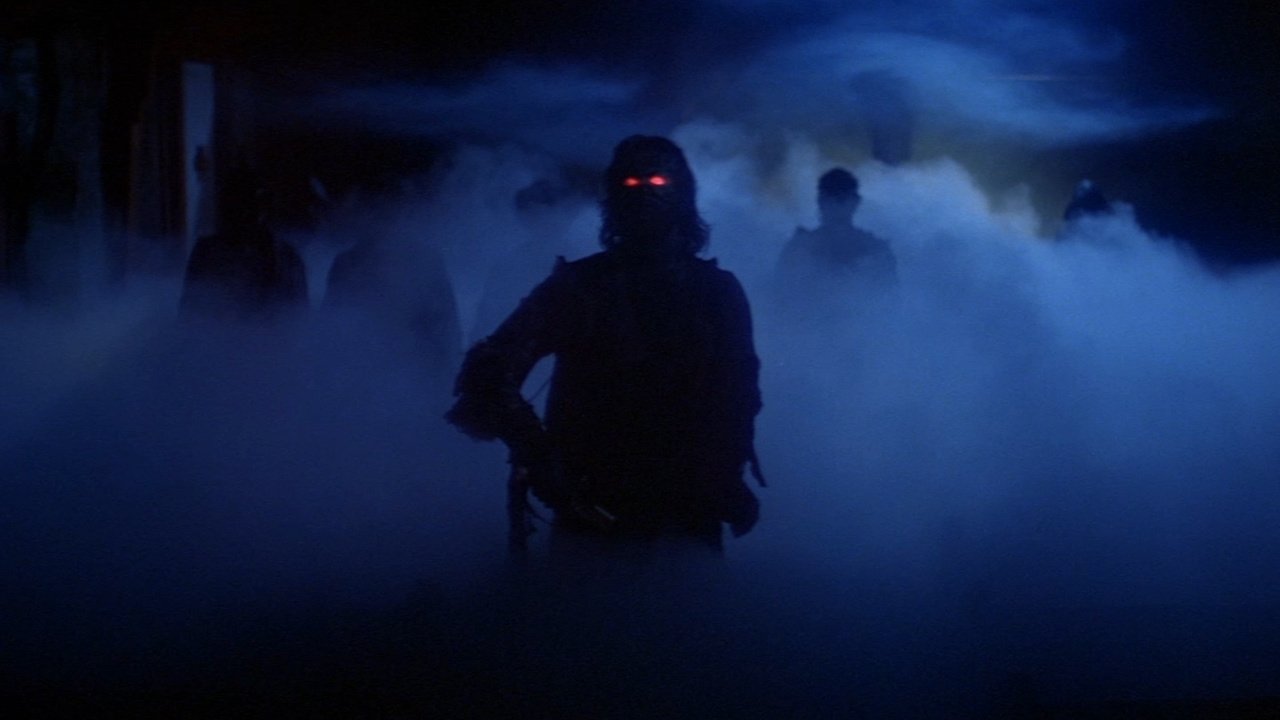
If Halloween was about the terror of the suburban backyard, The Fog is about the terror of the elements. This is arguably the most beautiful film in Carpenter’s filmography, thanks to cinematographer Dean Cundey (who would go on to shoot Jurassic Park and Back to the Future). They used the anamorphic Panavision format to capture these wide, deep-focus shots where the darkness feels like a physical weight. The way Cundey lights the fog—using internal glows and sharp silhouettes—makes the mist feel like a sentient predator.
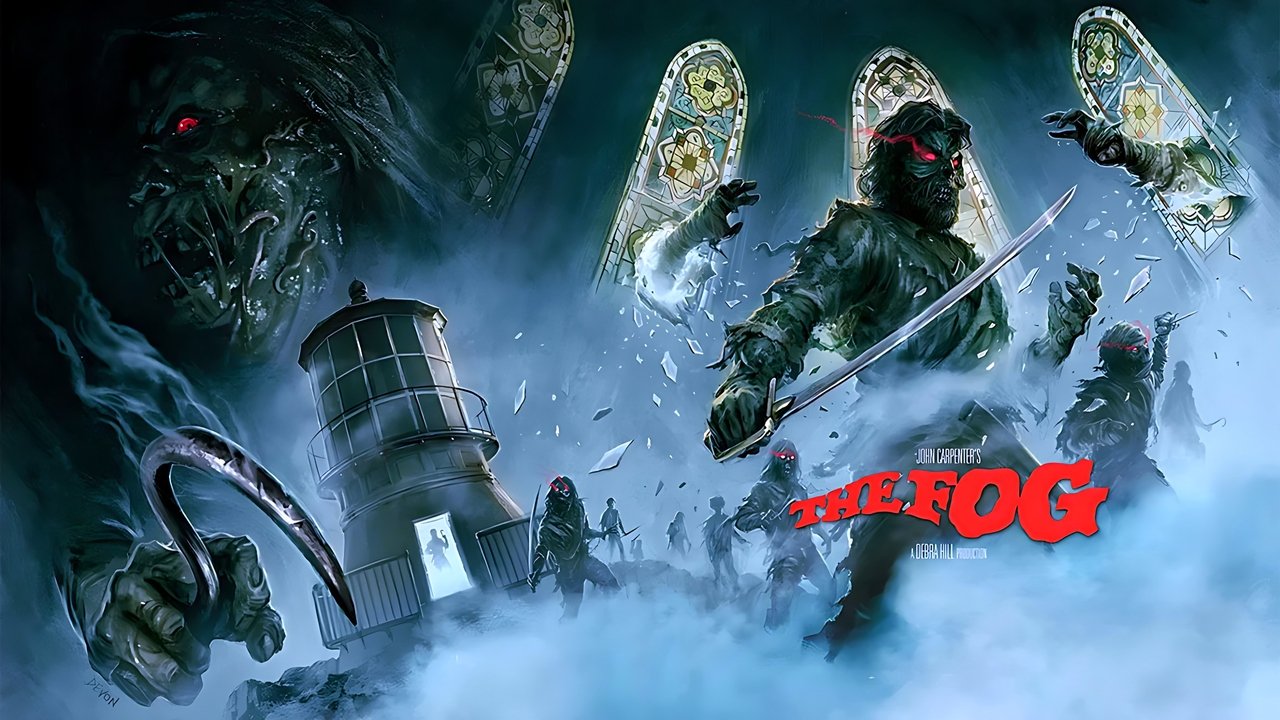
The ghosts themselves, designed by the legendary Rob Bottin (who would later melt our brains with the effects in The Thing), are kept mostly in shadow. They are tall, rotting shapes with glowing red eyes. The ghost pirates are basically just wet versions of the Nazgûl, and I’m 100% here for it. By keeping the threats obscured, Carpenter leans into the "less is more" philosophy that dominated the best of the New Hollywood horror wave.
There’s a specific texture to this film that screams 1980. It’s that transitional period where the gritty, naturalistic lighting of the 70s was starting to meet the slick, high-concept production values of the 80s. When I see Tom Atkins lighting a cigarette in a wood-paneled truck while a synth-heavy score pulses in the background, I feel a deep, comforting sense of cinematic "home."
Saving the Movie in the Edit
One of the coolest details about The Fog is that it was almost a disaster. After the first cut was finished, Carpenter hated it. He thought it wasn't scary, lacked punch, and felt "thin." In a move of indie ingenuity, he went back and shot about 20 minutes of new footage on a shoestring budget to beef up the scares.
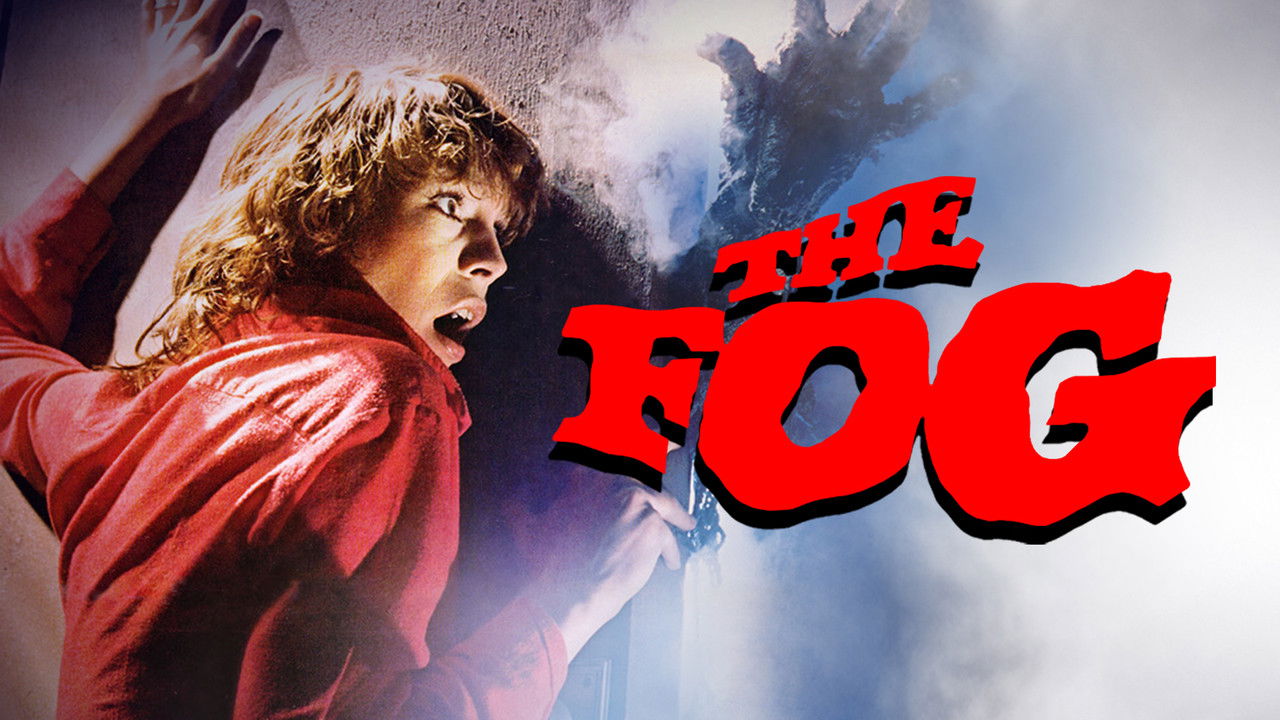
This included the iconic opening scene with John Houseman telling the ghost story to a group of children by a campfire. It also included several of the more graphic kill scenes and the legendary "hand through the door" jump scare at the end. It’s a testament to Carpenter’s instincts as a filmmaker; he knew he needed to bridge the gap between a classic gothic ghost story and the burgeoning "slasher" expectations of the 1980 audience.
The budget was only around $1 million, which is pocket change even for 1980 standards, but the film grossed over $21 million. It was a massive hit that cemented Carpenter as the master of the mid-budget chiller. It also became a staple of the early VHS era. I remember seeing that cover art in the local "Mom and Pop" video store—a glowing door, a terrified face, and the fog creeping underneath. It promised a specific kind of dread that the movie actually delivered.
The Fog isn't trying to change your life or provide a deep psychological profile of its characters. It's a perfectly calibrated machine designed to give you the creeps. It’s about the atmosphere, the legendary synth score (composed by Carpenter himself, naturally), and the joy of watching a master craftsman play with shadows and light. If you’ve never seen it, turn off the lights, wait for a gloomy night, and let the mist roll in. Just don't answer the door if you hear a rhythmic tapping.
Actually, ignore that—it’s probably just my neighbor and his power-washer again.
Keep Exploring...
-

Halloween
1978
-
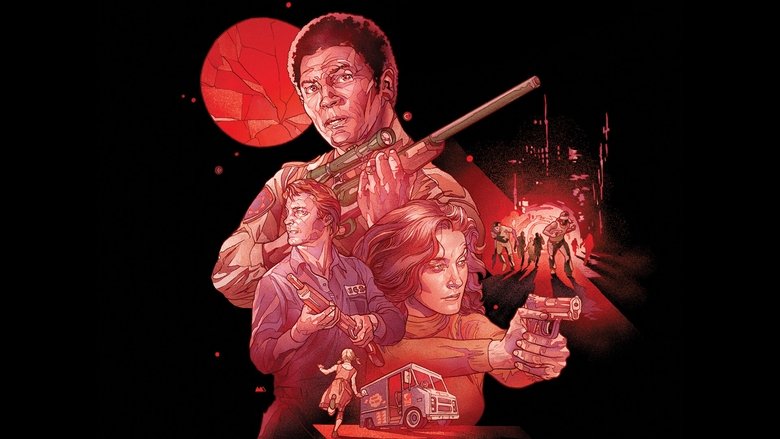
Assault on Precinct 13
1976
-
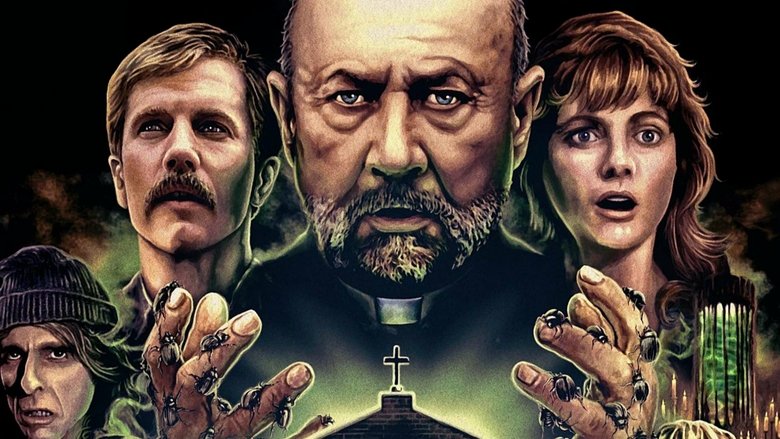
Prince of Darkness
1987
-

Escape from New York
1981
-
Halloween II
1981
-
They Live
1988
-
Christine
1983
-
Carrie
1976
-
Eraserhead
1977
-

The Hills Have Eyes
1977
-

Invasion of the Body Snatchers
1978
-
The Amityville Horror
1979
-
Friday the 13th
1980
-

The Evil Dead
1981
-
The Howling
1981
-

A Nightmare on Elm Street
1984
-

A Nightmare on Elm Street Part 2: Freddy's Revenge
1985
-

Day of the Dead
1985
-

Re-Animator
1985
-

The Thing
1982