The Party
"First loves, slow dances, and parents who won't behave."
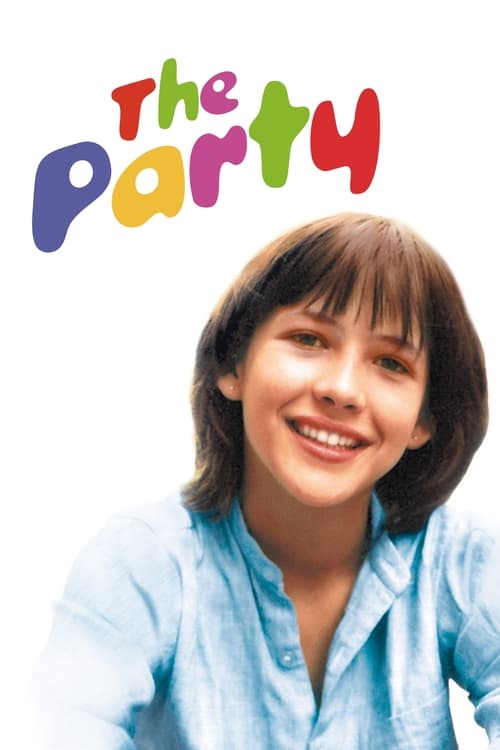
I remember finding a copy of The Party—or La Boum, as the cool kids call it—tucked away in the "Foreign Interest" section of my local rental shop, right between a dusty Kurosawa and a very questionable Italian horror flick. The VHS box art was unmistakable: a young girl with a bowl cut, looking simultaneously thrilled and terrified. I watched it on a Tuesday night while eating a sleeve of stale Petit Écolier biscuits, and honestly, the chocolate-to-biscuit ratio was the only thing more French than what was happening on my screen.
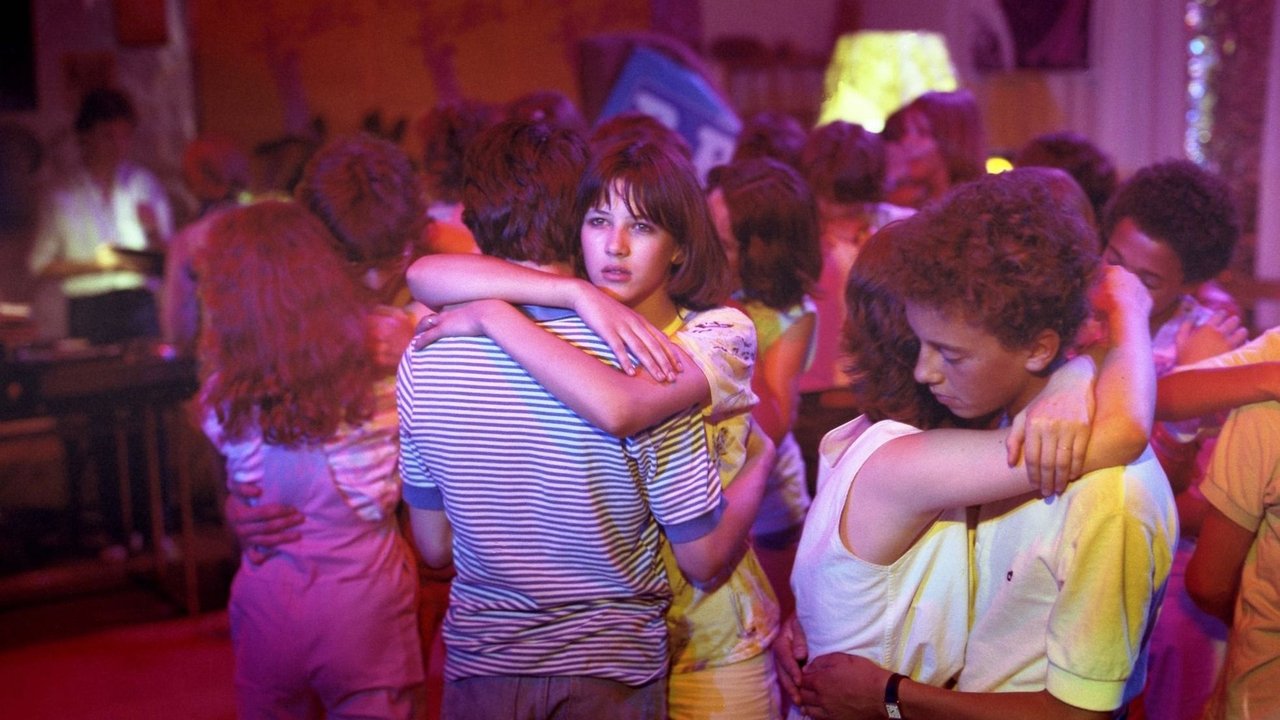
Released in 1980, La Boum isn't just a movie; it’s the blueprint for the modern teen dramedy. While Americans were getting ready for John Hughes to define their adolescence, director Claude Pinoteau was already capturing the specific, excruciating sting of being thirteen in Paris. It’s a film that manages to be light as a crêpe while carrying the heavy emotional baggage of a marriage in freefall.
The Girl with the Walkman
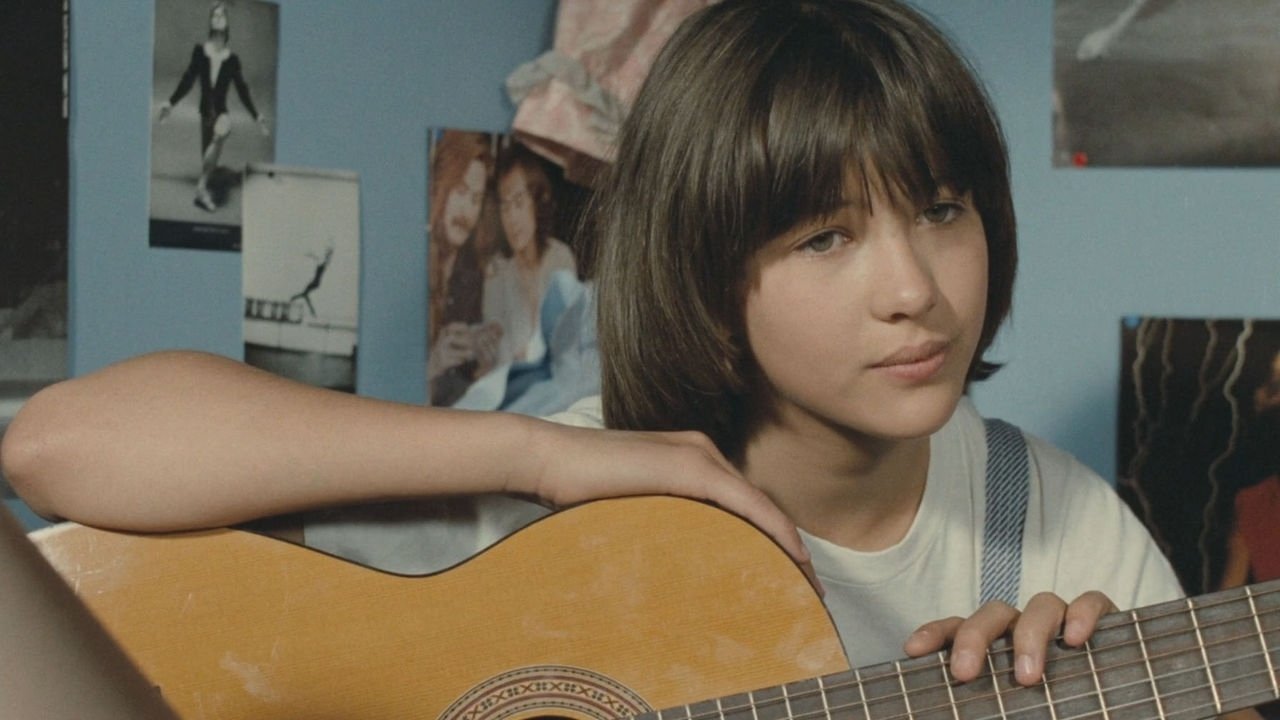
The film’s greatest legacy is undoubtedly the discovery of Sophie Marceau. Only thirteen when she was cast as Victoire "Vic" Beretton, Marceau has this incredible, unforced naturalism. She isn't "acting" like a teenager; she simply is one. She navigates the treacherous waters of a new school and her first real crush with a mix of awkwardness and sudden, sharp confidence.
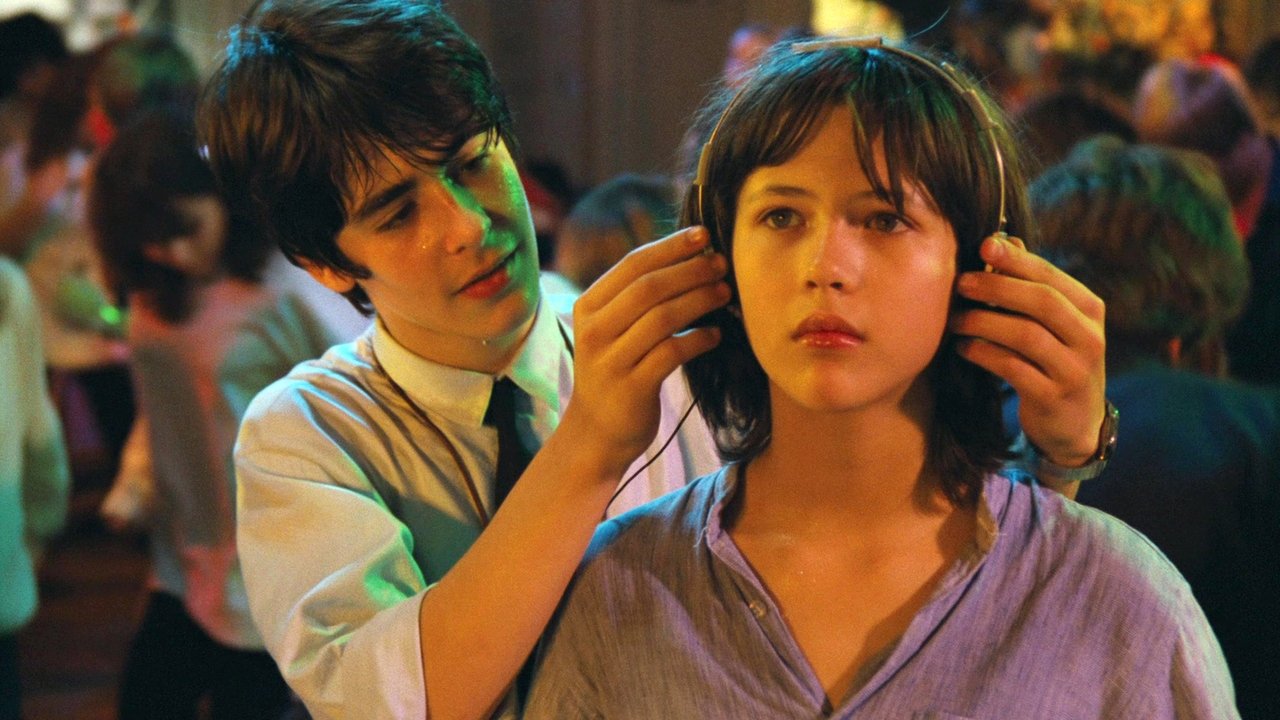
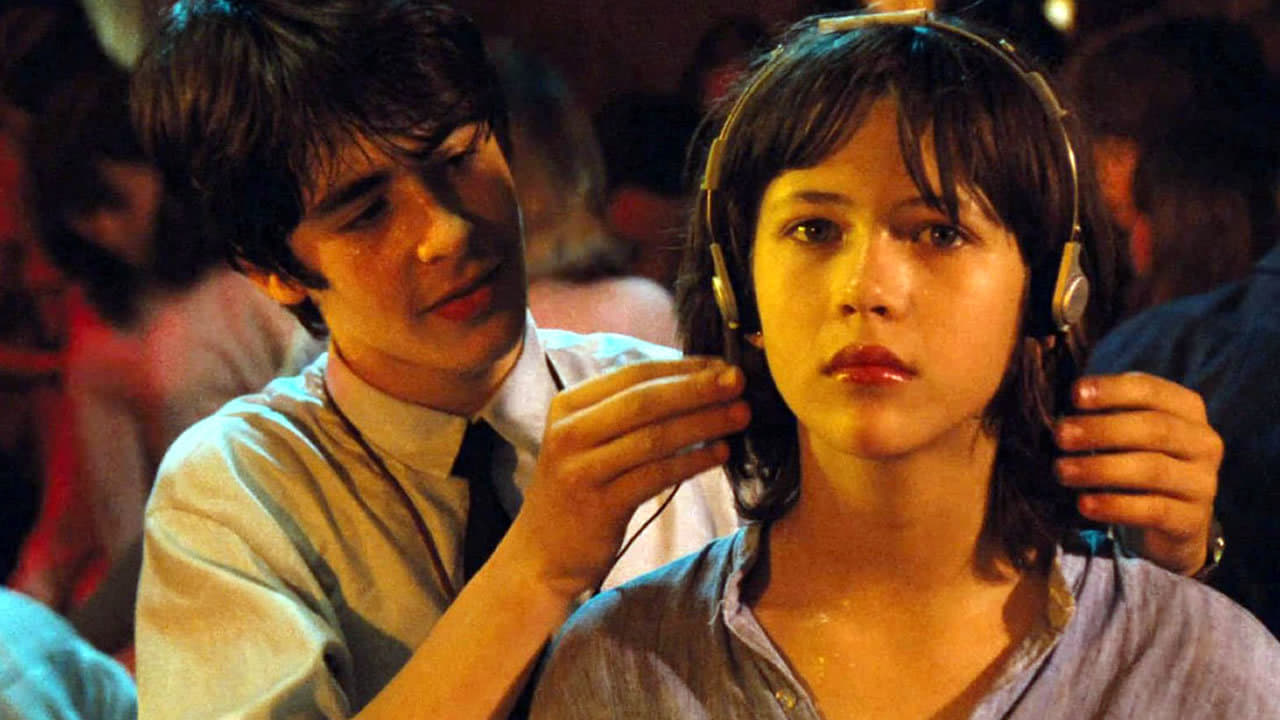
There’s a legendary scene at a crowded, pulsing house party where the boy she likes, Alexandre Sterling (playing the dreamy Mathieu), sneaks a pair of headphones onto her head. Suddenly, the chaotic disco music vanishes, replaced by the syrupy, slow-dance strains of "Reality" by Richard Sanderson. It’s one of those perfect cinematic moments that captures exactly what it feels like to have the entire world disappear when you're looking at someone you like. I’ll go out on a limb and say this scene is more iconic than anything in The Breakfast Club, and I’ll fight anyone in the parking lot about it.
When Parents Play Hooky
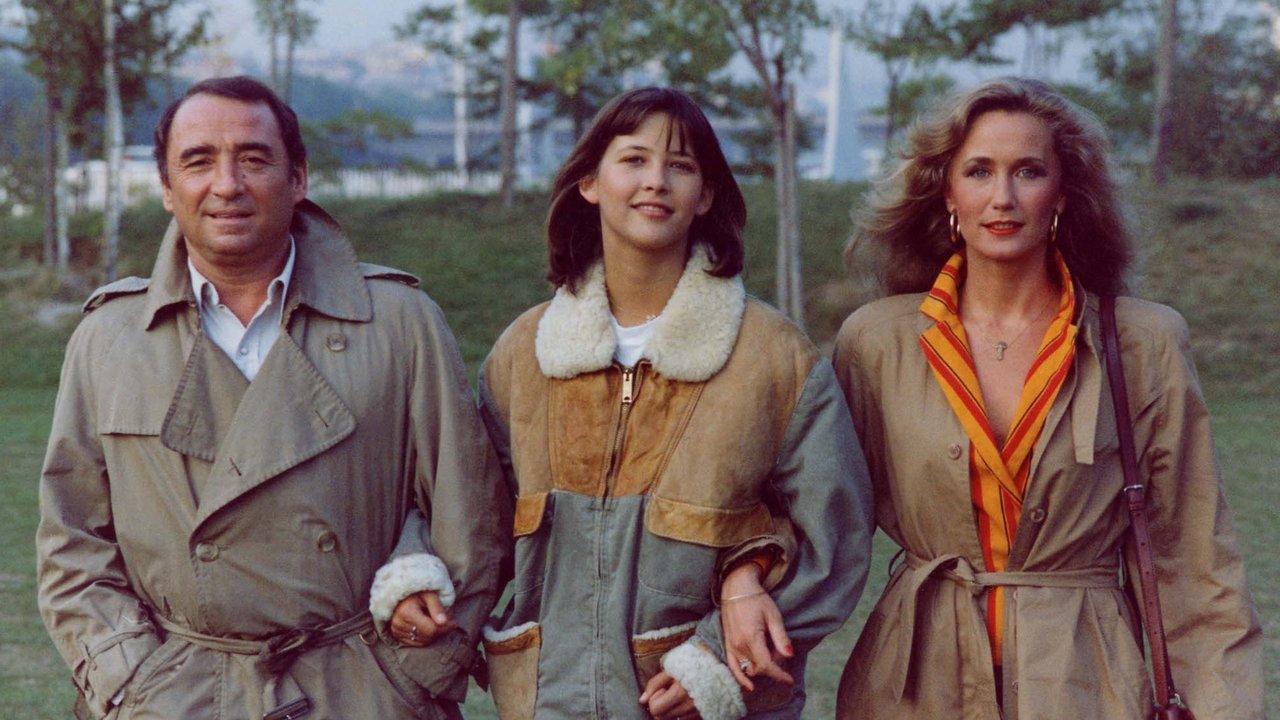
While Vic is busy trying to figure out how to get invited to the right "boum" (party), her parents are providing a masterclass in how not to be adults. Claude Brasseur—who worked with Jean-Luc Godard in Bande à part—plays François, a dentist who’s about as reliable as a screen door on a submarine. His wife, Françoise, played by the luminous Brigitte Fossey (the little girl from the classic Forbidden Games), is trying to hold her career and her sanity together while François’s infidelities come to light.
The drama here is surprisingly grounded. It doesn't feel like a soap opera; it feels like the messy, inconvenient reality of people who love each other but are spectacularly bad at showing it. The parents are actually more of a mess than the teenagers, which is a recurring theme that keeps the movie from feeling too sugary. It’s a reminder that adulthood is often just adolescence with a bigger budget and more expensive wine.
The real MVP, however, is Vic’s great-grandmother, Poupette, played by the legendary Denise Grey. She’s the cool, harp-playing, Ferrari-driving matriarch we all wish we had. She treats Vic like a peer, offering dating advice and champagne in equal measure. She provides the emotional glue that keeps the film from drifting into pure angst.
The VHS Glow and the French Touch
If you’re looking for the high-concept spectacle of the 1980s, you won’t find it here. There are no animatronics or matte paintings. Instead, you get the "Practical Effects" of 1980s Paris: the texture of corduroy jackets, the specific blue tint of the streetlights, and the hazy, cigarette-smoke-filled rooms of adult dinner parties.
In the U.S., The Party is often treated as a "forgotten oddity," mostly because subtitles were a hard sell for the blockbuster-hungry audiences of the Reagan era. But on home video, it became a cult sensation for anyone lucky enough to stumble upon it. It feels like a time capsule of a world that was transitioning—where kids still rode mopeds without helmets and "slow dancing" was a high-stakes social maneuver.
The film's obscurity in some circles is a crime, especially considering it launched Sophie Marceau into a career that would eventually lead her to Braveheart with Mel Gibson and a stint as a Bond villain. It’s a "hidden gem" that was actually a massive diamond in plain sight across Europe, where it outgrossed The Empire Strikes Back in several territories.
The Party is a rare bird: a teen movie that respects its characters' intelligence without losing its sense of fun. It captures that fleeting moment when childhood is ending and the terrifying, beautiful mess of "real life" is just beginning. It’s charming, occasionally heartbreaking, and features a soundtrack that will get stuck in your head for the next three to five business days.
If you can find a copy—whether it’s a crisp digital remaster or a flickering old tape with the Gaumont logo bleeding into the edges—give it a spin. It’s a lovely reminder that no matter where or when you grew up, the struggle to find your rhythm on the dance floor is universal. Just make sure you have some good chocolate biscuits on hand.
Keep Exploring...
-

Risky Business
1983
-
Say Anything...
1989
-
Romancing the Stone
1984
-
National Lampoon's European Vacation
1985
-
The Jewel of the Nile
1985
-
The Purple Rose of Cairo
1985
-
The Lost Boys
1987
-
Cocktail
1988
-
Harold and Maude
1971
-

An American Tail
1986
-
Scrooged
1988
-

All Dogs Go to Heaven
1989
-
The Spanish Apartment
2002
-
Grease
1978
-
EverAfter
1998
-
Blast from the Past
1999
-
Never Been Kissed
1999
-
S1m0ne
2002
-
Love Me If You Dare
2003
-
Casanova
2005