The Shining
"A cold, claustrophobic descent into a madness that never truly lets you leave."
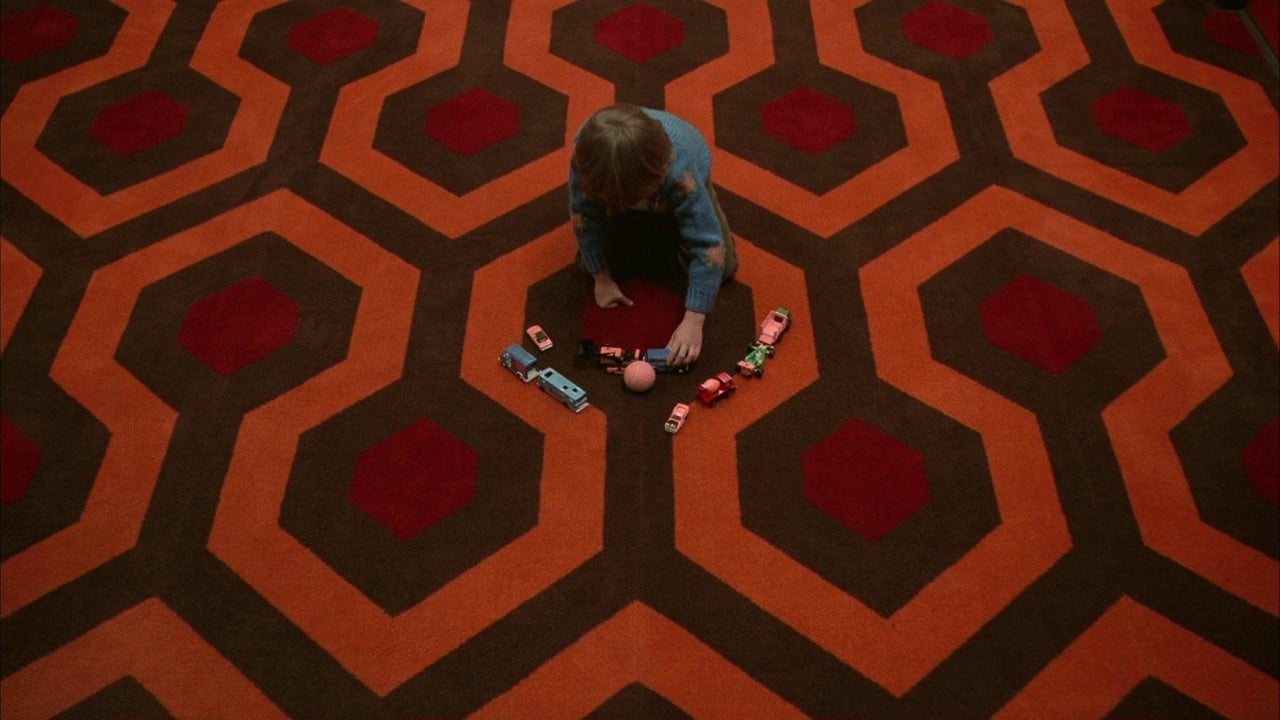
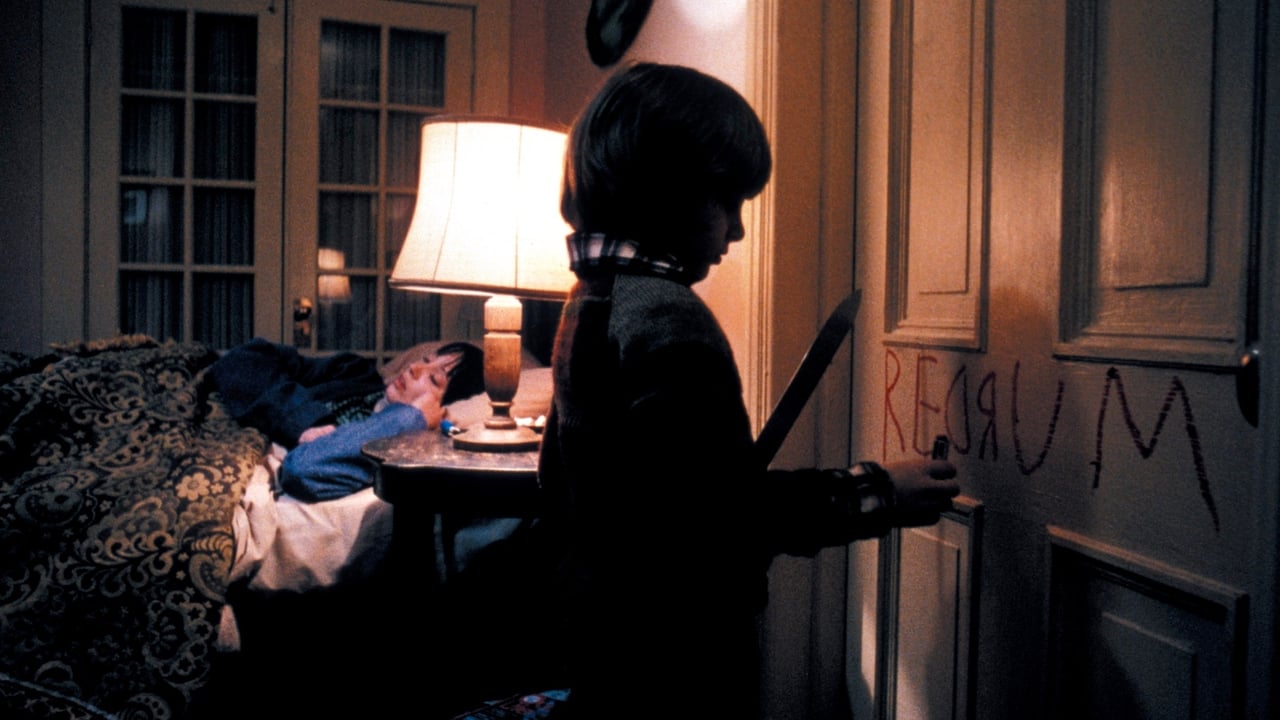
The first thing I always notice when I revisit the Overlook Hotel isn’t the blood or the twins; it’s the sound. Specifically, the hollow, rhythmic thud-crunch-thud of Danny’s tricycle as it moves from the hardwood floors to the patterned rugs. It’s a sound that shouldn’t be scary, yet in the hands of Stanley Kubrick, it feels like a countdown. I remember watching this once on a grainy 14-inch Sylvania TV while a moth kept hitting the screen, and for some reason, that tiny, frantic tapping perfectly synchronized with the movie's building dread. It made the whole experience feel like the house was trying to get out of the box.
A Labyrinth of Steadicam and Styrofoam
By 1980, the "New Hollywood" era of the 70s was bleeding into the high-concept 80s, and The Shining sits right at that intersection. It has the artistic arrogance of a 70s auteur piece but the sheer scale of an 80s blockbuster. Stanley Kubrick (who also directed 2001: A Space Odyssey) didn’t just want to make a scary movie; he wanted to build a psychological trap. To do it, he leaned heavily on the then-new Steadicam technology. Invented by Garrett Brown, who actually operated the camera for the film, the Steadicam allowed the lens to glide through the hotel corridors like a ghost. It gives the film a floating, omniscient quality—as if the hotel itself is the one watching the Torrance family.
What blows my mind is how much of this was practical, old-school grit. The exterior of the "Overlook" (the Timberline Lodge in Oregon) is real, but the hedge maze was a massive set built at Elstree Studios in England. They used tons of salt and crushed Styrofoam to create that suffocating winter atmosphere. During the final chase, the actors were genuinely freezing because the studio cooling systems were working overtime to keep the "snow" from melting or blowing away. There’s a tangible, physical weight to the environment that modern CGI just can’t replicate. The Overlook Hotel is the most fully realized character in the entire film.
The Nicholson Dial and the Wendy Problem
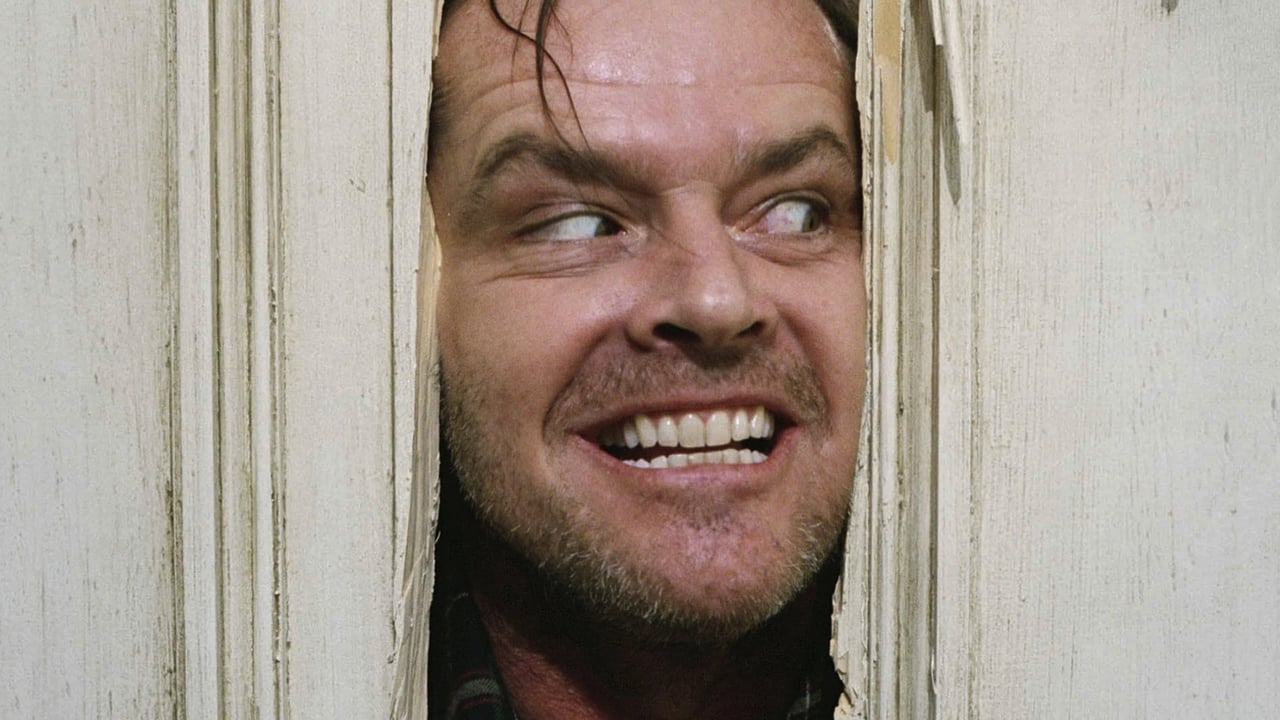
We have to talk about Jack Nicholson. There’s a long-standing debate about his performance as Jack Torrance. In Stephen King’s original novel, Jack is a good man struggling with demons who eventually loses his way. In Kubrick’s film, Jack Nicholson looks like he’s ready to commit a felony before he even signs the contract. He starts the movie at a level seven and ends at a twelve. While some critics at the time found it "over the top," I find it mesmerizing. It’s a performance built on eyebrow arches and a terrifying, wolfish grin that felt tailor-made for the "freeze-frame" era of home video.
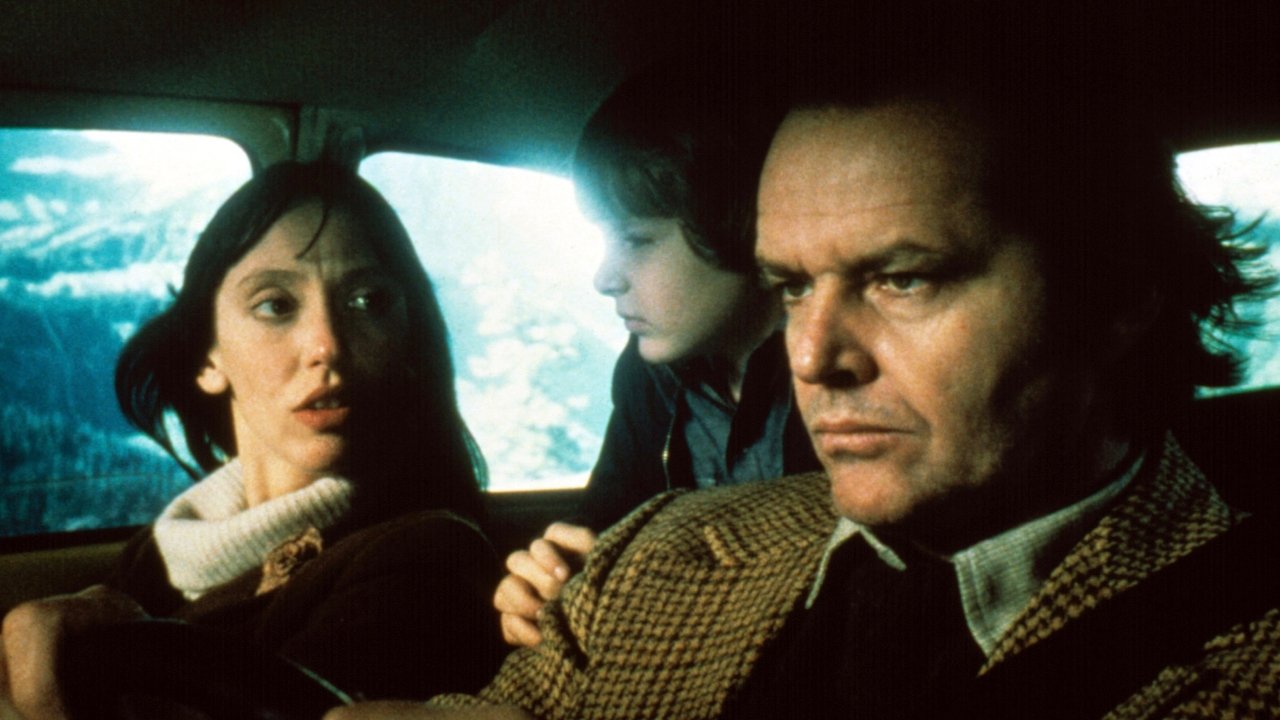
On the other side, you have Shelley Duvall as Wendy. For years, she was unfairly maligned for being "too hysterical," but looking at it now, her performance is a miracle of physical exhaustion. Wendy Torrance is the actual hero of the film and doesn’t get nearly enough credit for surviving both a literal monster and a crumbling marriage. The stories of how Kubrick treated her on set are legendary and, frankly, quite dark. He reportedly forced her to perform the "baseball bat" scene 127 times. By the end, the shaking hands and the puffy eyes weren't just acting—they were the result of a director pushing a performer to a breaking point. It adds a layer of genuine, uncomfortable reality to the horror.
From Box Office "Meh" to VHS Royalty
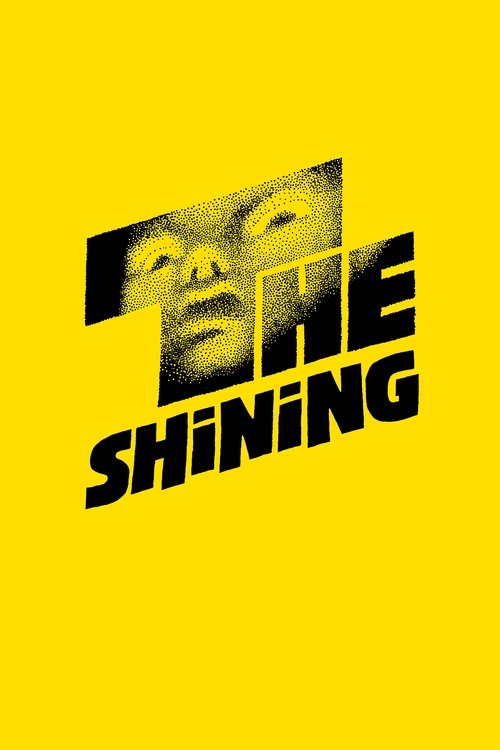
It’s hard to believe now, but The Shining wasn't an immediate smash. It was actually nominated for two Razzie Awards (Worst Director and Worst Actress), which feels like a fever dream in hindsight. The film found its true, obsessive cult following through the home video revolution. I remember those iconic Warner Home Video clamshell cases—the bright yellow ones with Jack Nicholson's face screaming through the splintered wood.
In the rental era, The Shining became a movie you didn't just watch; you studied it. Because the film is so visually dense and spatially "impossible" (the layout of the hotel literally makes no sense if you map it out), it birthed a thousand fan theories. People started noticing the "impossible window" in Ullman's office or the way the furniture seems to move between shots. This wasn't just sloppy filmmaking; it was Kubrick intentionally disorienting the viewer. The ability to hit "pause" and "rewind" on a VHS tape allowed fans to dive into these rabbit holes, eventually leading to documentaries like Room 237.
Stuff You Didn't Notice
The production was as chaotic as the plot. Here are a few things that still fascinate me:
The famous "blood elevator" scene took only three takes, but it took nine days to set up each time. When the doors finally opened, the sheer volume of "blood" (actually water with red dye) was so heavy it pushed the elevator doors off their tracks. Scatman Crothers (who played the telepathic cook, Hallorann) was reportedly so exhausted by Kubrick's demand for hundreds of takes that he broke down in tears on set. The "Heeeeeere’s Johnny!" line was completely improvised by Nicholson. Kubrick, who had been living in the UK for years, supposedly didn't even get the reference to The Tonight Show at first. The script was changed so often that Jack Nicholson eventually stopped reading the new pages, opting to just learn his lines right before the cameras rolled. * A massive fire destroyed several sets near the end of production. There’s a famous photo of Kubrick laughing in front of the charred ruins—a very "Jack Torrance" moment if there ever was one.
The Shining is a rare breed of horror that gets colder every time you watch it. It doesn't rely on cheap jump scares or a high body count; it relies on the terrifying idea that your own mind—and the places you inhabit—can turn against you. Even forty years later, the image of those twins in the hallway remains the gold standard for "unsettling." It’s a masterpiece that reminds me why I fell in love with movies in the first place: the feeling that once the lights go down, anything, no matter how impossible, can happen.
Keep Exploring...
-
Doctor Sleep
2019
-
The Omen
1976
-
A Clockwork Orange
1971
-
Barry Lyndon
1975
-
Jaws
1975
-

Spartacus
1960
-

Full Metal Jacket
1987
-
Eyes Wide Shut
1999
-
Carrie
1976
-

Halloween
1978
-
Escape from Alcatraz
1979
-
An American Werewolf in London
1981
-

Star Trek II: The Wrath of Khan
1982
-

The Thing
1982
-
The Terminator
1984
-
2001: A Space Odyssey
1968
-

Deep Red
1975
-
The Killing
1956
-
Dr. Strangelove or: How I Learned to Stop Worrying and Love the Bomb
1964
-
Chinatown
1974