An American Werewolf in London
"Beware the moon and stick to the road."
I remember the first time I saw David Kessler’s skin stretch over his snout while "Blue Moon" crooned in the background. I was sitting on a shag carpet, nursing a lukewarm Orange Julius that had started to separate, and I nearly choked when I heard that first bone snap. It wasn't just the gore; it was the sound. That wet, crunching noise that makes your own ribcage feel suddenly fragile. Most horror movies try to scare you with what’s in the shadows, but John Landis decided to turn the lights on, crank up the doo-wop, and show us exactly how much it would hurt to turn into a monster.
The Anatomy of a Nightmare
An American Werewolf in London is a tonal tightrope walk that shouldn't work, yet it remains the gold standard for the genre. It arrived in 1981, a year that felt like a pivot point for cinema. We were moving away from the gritty, cynical realism of the 70s and into the high-concept, effects-heavy 80s. John Landis, fresh off the success of Animal House and The Blues Brothers, used his newfound clout to make a script he’d been sitting on since he was a nineteen-year-old production assistant.
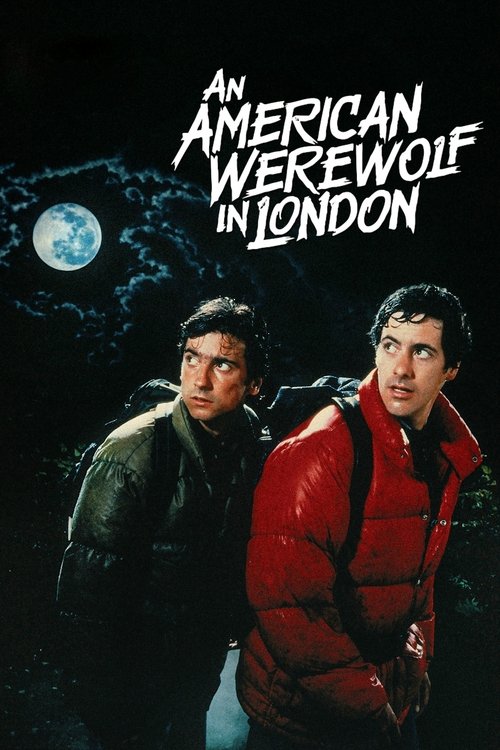
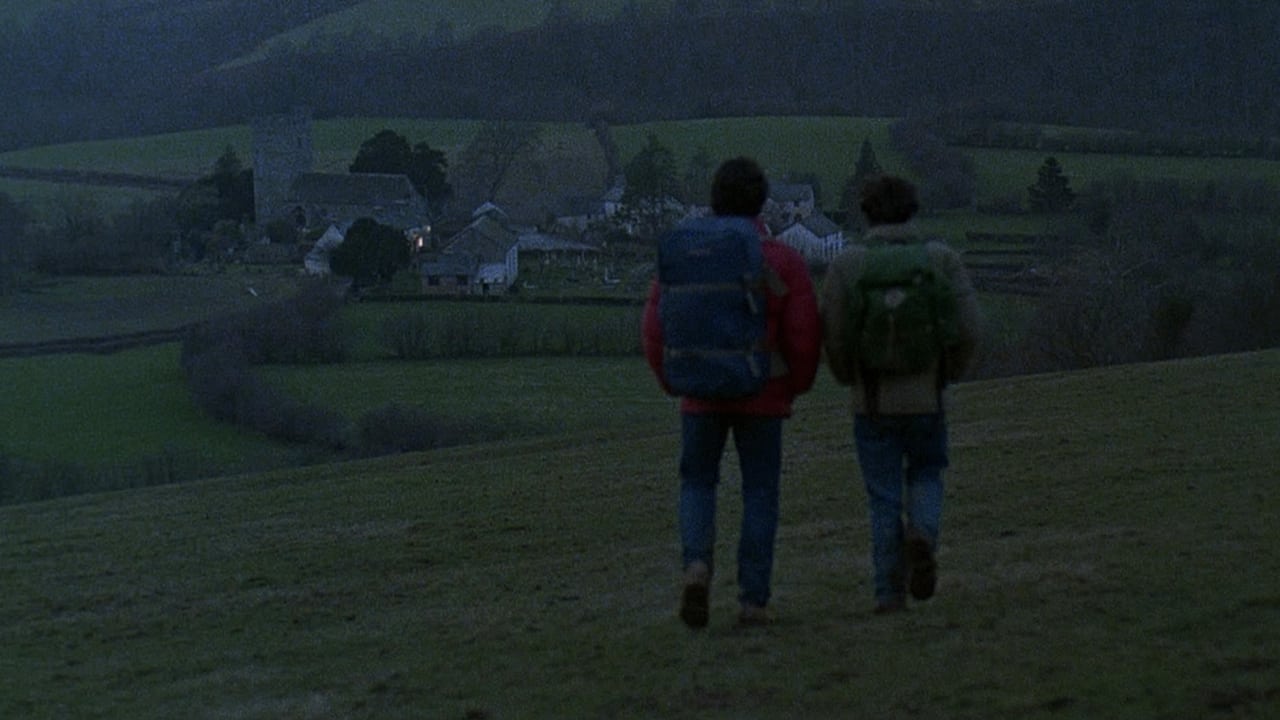
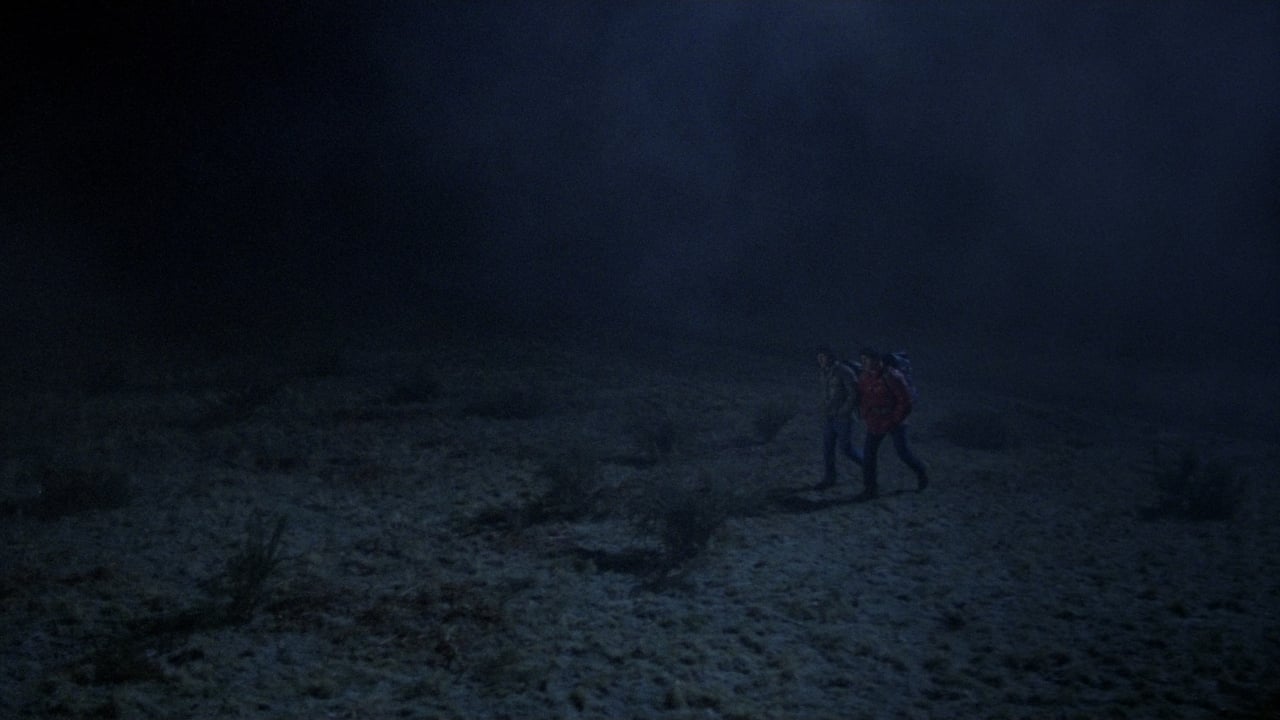
The film starts as a classic "stranger in a strange land" tale. David Naughton and Griffin Dunne have a natural, effortless chemistry as two backpackers trekking through the Yorkshire Moors. Their banter is fast and relatable—the kind of talk you have with a best friend when you’re tired, cold, and slightly lost. But the moment they step into The Slaughtered Lamb pub, the air curdles. The locals, led by a delightfully crotchety Brian Glover, offer a warning that has since become legendary: "Stay on the road. Keep off the moors. Beware the moon." It’s a classic setup, but Landis subverts it by making the subsequent attack fast, chaotic, and devastatingly permanent.
A Dead Friend is the Worst Roommate
What sets this film apart from the dozens of werewolf flicks that preceded it is the crushing weight of its consequences. David survives the attack, but Jack—poor, sarcastic Jack—does not. Except, he doesn’t go away. The decision to have Griffin Dunne return as an increasingly decomposed "undead" specter is a stroke of genius. He isn't a spooky ghost; he’s a rotting guy in a puffy jacket sitting on a hospital bed, complaining about being stuck in limbo.
Dunne’s performance is the secret weapon here. He brings a morbid, gallows humor to the film that balances out the sheer intensity of David's psychological collapse. Watching Jack transition from a guy with a few scratches to a literal skeleton with bits of hair clinging to a leathered skull is a masterclass in dark comedy. It highlights the film’s central tragedy: David isn't a hero on a journey; he’s a victim of a "lunar cycle" he never asked for, and his best friend is there to remind him that the only way out is a self-inflicted exit strategy.
The Rick Baker Revolution
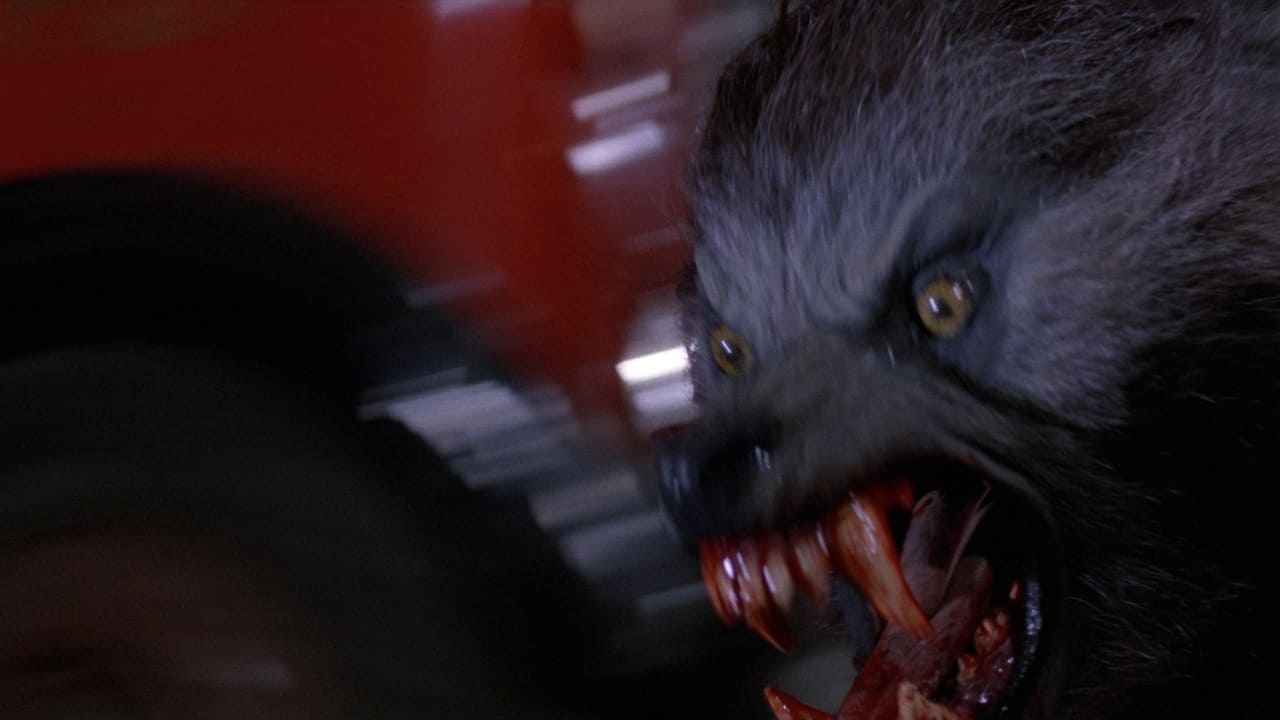
We have to talk about the transformation. Before the era of bloodless CGI, we had Rick Baker. In 1981, there was a literal "arms race" of practical effects between Baker’s work here and Rob Bottin’s work on John Carpenter's The Thing. Baker won the first-ever Academy Award for Best Makeup for this film, and it was earned in blood and latex.
Unlike previous werewolf films that used lap-dissolves (the old "growing hair on a still face" trick), Baker used air-filled bladders under foam latex to make David’s face literally stretch and reform. It’s a scene that demands your full attention. When David Naughton screams in that brightly lit apartment, you aren't looking at a puppet; you’re looking at a man being rewritten from the inside out. Practical effects are the heartbeat of 80s horror, and this scene is the apex. It’s the reason people still hunt down the old VHS tapes—the way the grain of the film interacts with the textures of the makeup creates an uncanny reality that modern pixels just can't replicate.
Stuff You Didn't Notice
The Thriller Connection: Michael Jackson was so obsessed with the transformation scene that he personally called John Landis to direct the "Thriller" music video, specifically requesting Rick Baker for the makeup. See You Next Wednesday: This is Landis’s recurring "Easter egg" title. It appears here as the porno movie playing in the Piccadilly Circus cinema where David meets his victims. The Budget Struggle: Landis wrote the script in 1969 but couldn't get it financed for over a decade because studios thought it was "too funny to be scary and too scary to be funny." The Pub Paradox: The "Slaughtered Lamb" exterior was actually a private cottage in Wales, while the interior was filmed at a pub called The Black Swan in Surrey. * The Soundtrack Irony: Every song in the film refers to the moon ("Blue Moon," "Bad Moon Rising," "Moondance"), but Landis famously couldn't get Cat Stevens to license "Moonshadow."
An American Werewolf in London is a masterpiece of atmospheric dread and technical wizardry. It manages to be genuinely terrifying—the dream-within-a-dream sequence with the Nazi demons still gives me the chills—while maintaining a heartbreaking core. David Naughton plays the role with a vulnerability that makes the final, abrupt cut to the credits feel like a punch to the gut. There is no triumph here, only the cold reality of a London alleyway. It’s a film that respects the monster and the victim equally, wrapped in the best practical effects ever put to celluloid. If you haven't seen it lately, turn off the lights, ignore the moon, and enjoy the carnage.
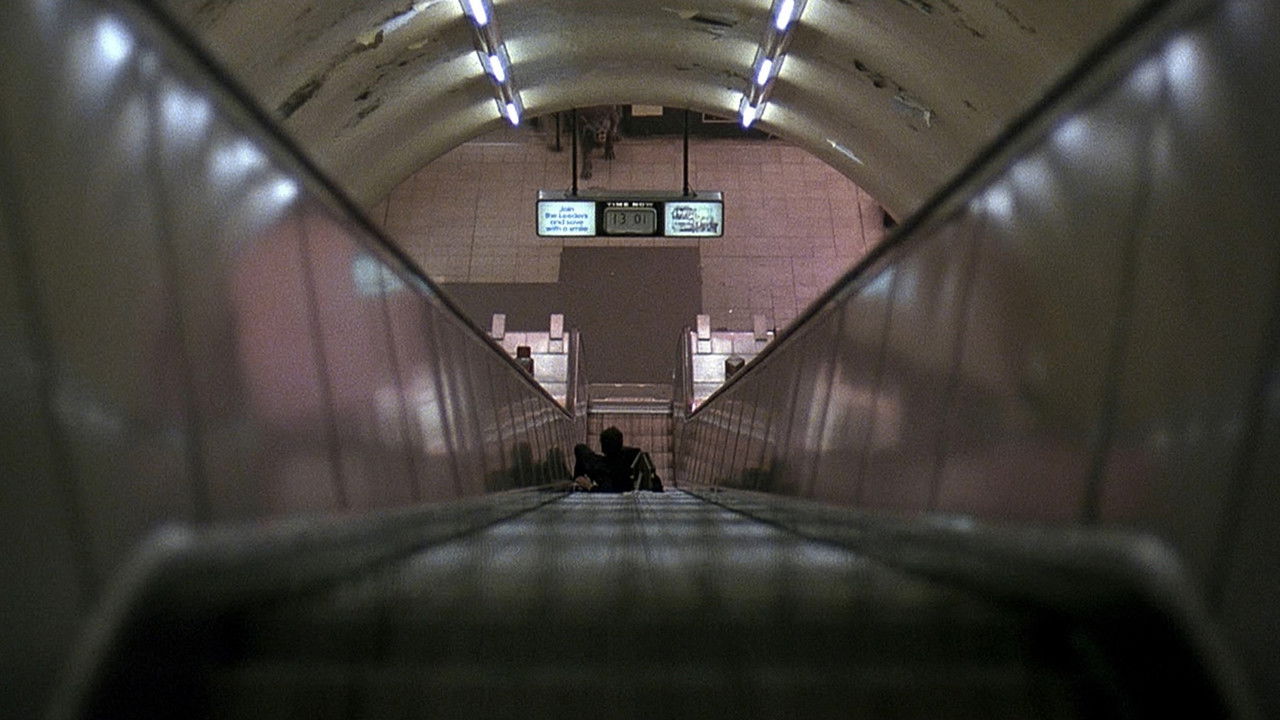
Keep Exploring...
-
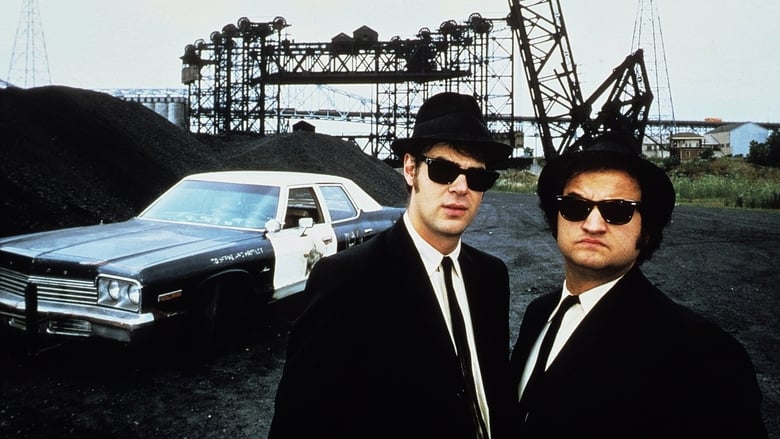
The Blues Brothers
1980
-
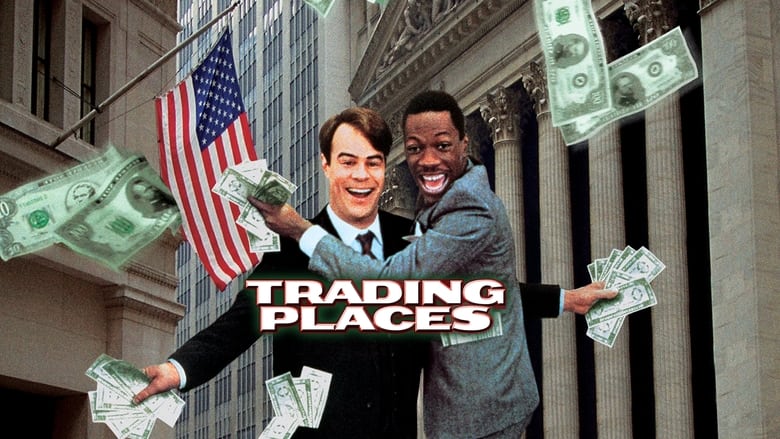
Trading Places
1983
-

The Return of the Living Dead
1985
-

Fright Night
1985
-
The Shining
1980
-

The Thing
1982
-
The Fly
1986
-
Animal House
1978
-
The Omen
1976
-
Videodrome
1983
-
The Lost Boys
1987
-
Coming to America
1988
-
The Rocky Horror Picture Show
1975
-
Raising Arizona
1987
-
Suspiria
1977
-
Creepshow
1982
-
Gremlins
1984
-
Little Shop of Horrors
1986
-
Alien
1979
-
Poltergeist
1982