Blow Out
"The tape doesn't lie, but it might kill you."

I first watched Blow Out on a Tuesday night while my neighbor was loudly assembling IKEA furniture through the thin apartment walls. The rhythmic, metallic thud-thud of his hammer accidentally synced up with the reel-to-reel tape spinning on screen, and for a second, I felt exactly like Jack Terry—trapped in a world where every stray noise felt like a piece of a conspiracy I wasn't supposed to solve.
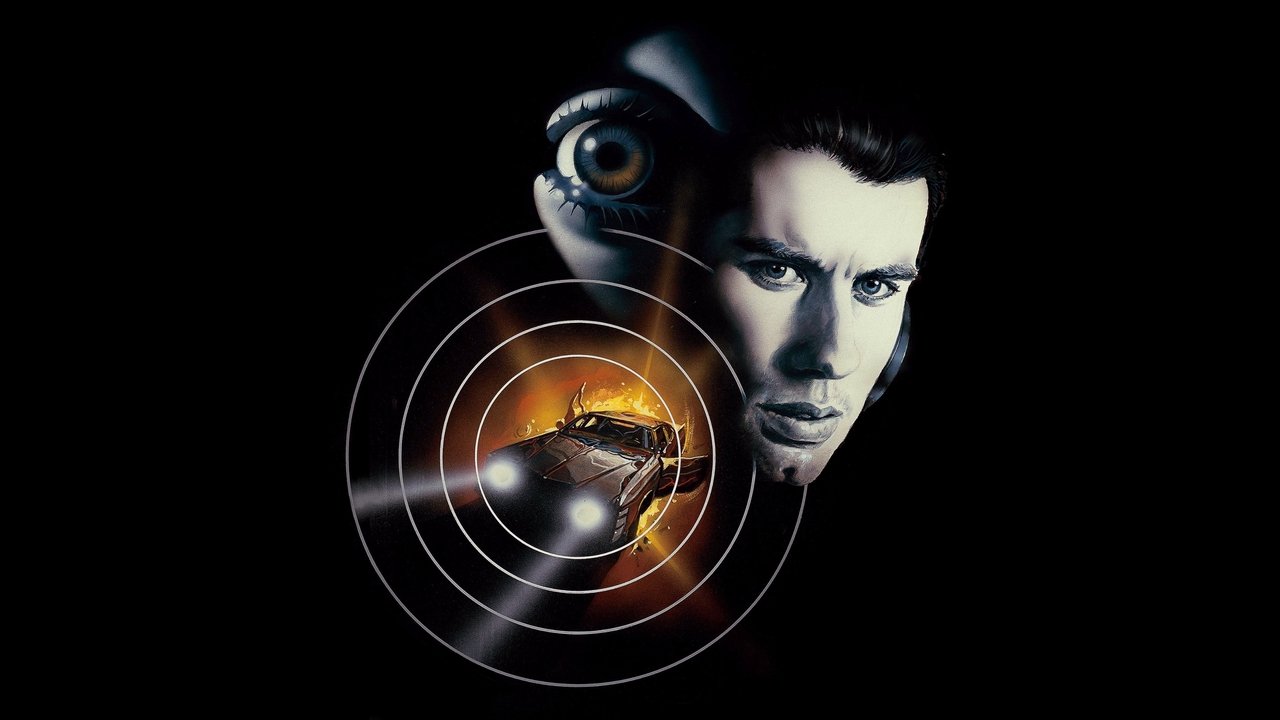
Brian De Palma’s 1981 masterpiece is a film that vibrates with a very specific kind of anxiety. It’s the sound of the late 70s curdling into the early 80s, a transition from the paranoid political thrillers of the Watergate era into something slicker, meaner, and far more tragic. It’s a movie about a man who hears something he shouldn't, but more than that, it’s a movie about the devastating cost of being right.
The Art of the Audio Evidence
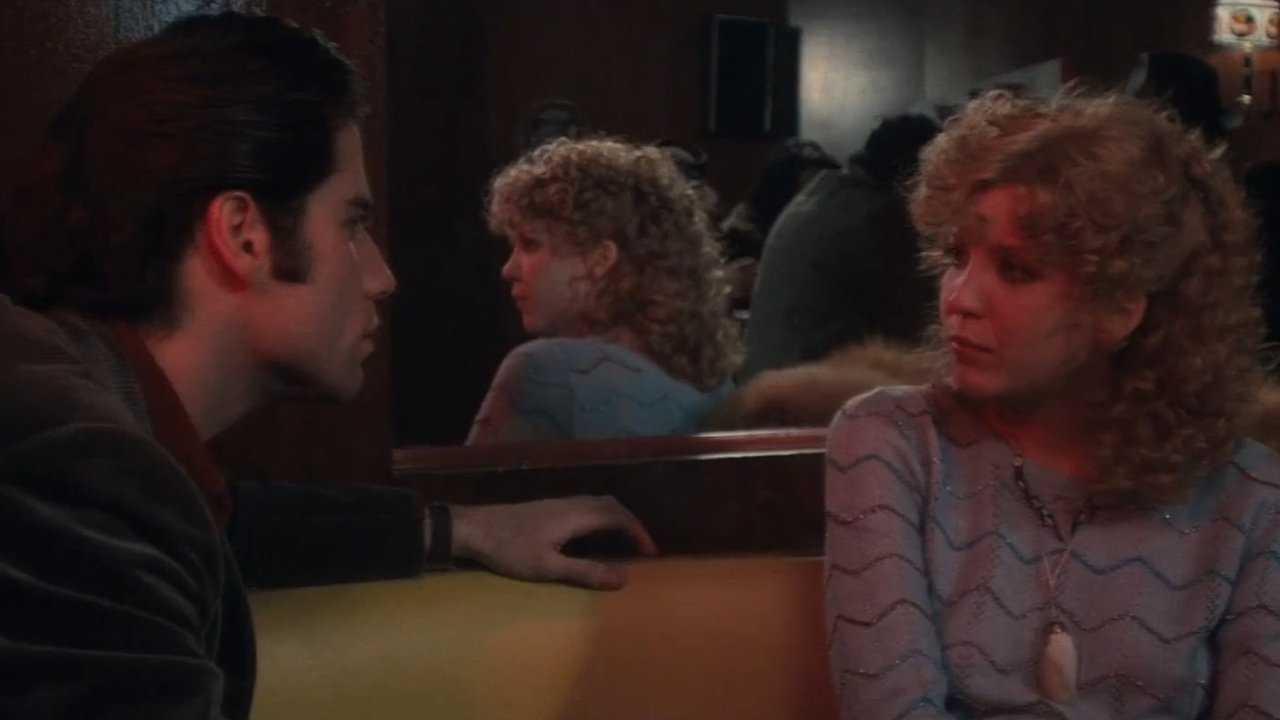
John Travolta delivers what I firmly believe is the finest performance of his career as Jack Terry. Forget the swagger of Grease or the cool of Pulp Fiction; here, he is a man defined by a weary, professional obsession. Jack is a sound effects technician for low-rent slasher flicks (a wonderful meta-nod by De Palma to his own critics), and while out recording wind effects on a bridge, he captures the sound of a tire blowing out—followed by a car plunging into a river.
The sequence where Jack reconstructs the accident by syncing his audio tape with a series of high-speed photographs from a magazine is pure cinematic magic. It’s a "pre-digital" procedural that feels more tactile and intense than any modern CGI-laden investigation. Watching Jack manually splice tape and align frames is a reminder of the glorious tactile era of filmmaking where secrets were buried in magnetic oxide and silver halide.
De Palma uses his signature split-screen and split-diopter shots (courtesy of the legendary cinematographer Vilmos Zsigmond) to keep us perpetually off-balance. We see Jack in the foreground, headphones on, isolated in his world of sound, while the killer—a chillingly efficient John Lithgow—lurks in the background. It creates a suffocating sense of proximity. You want to scream at the screen, but in Jack’s world, only the recorded scream matters.
A Tragedy Wrapped in a Conspiracy
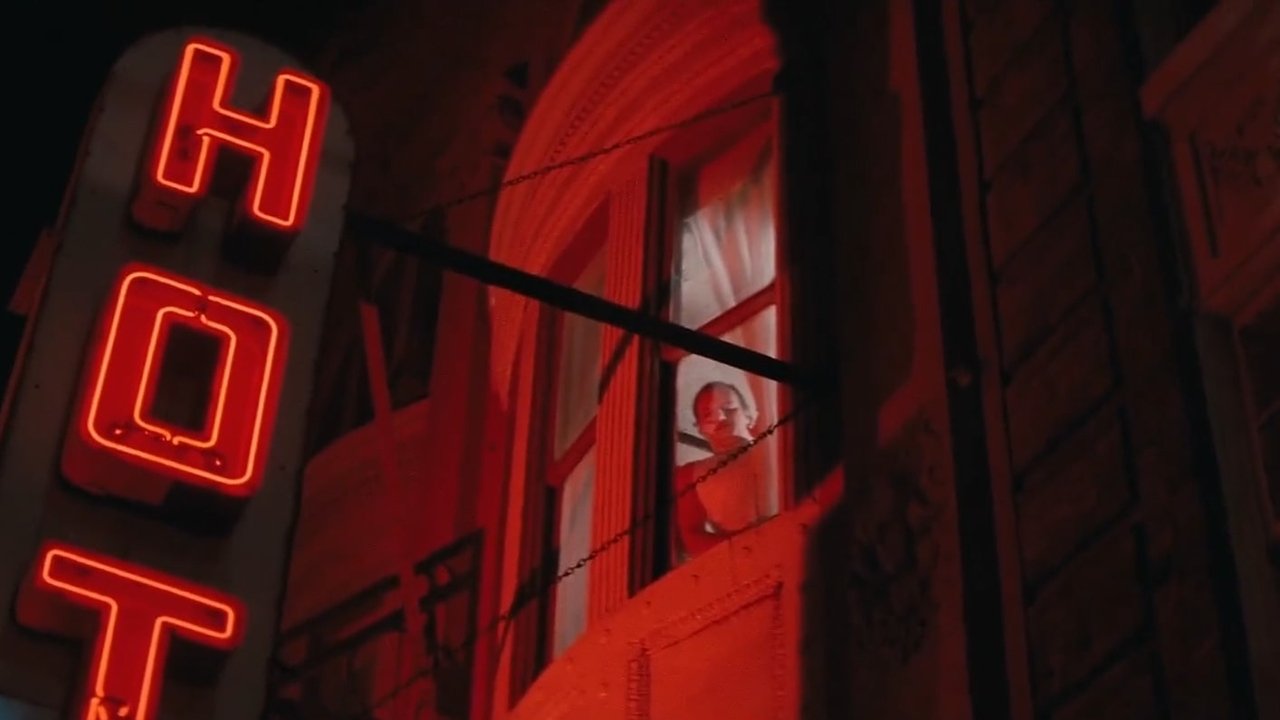
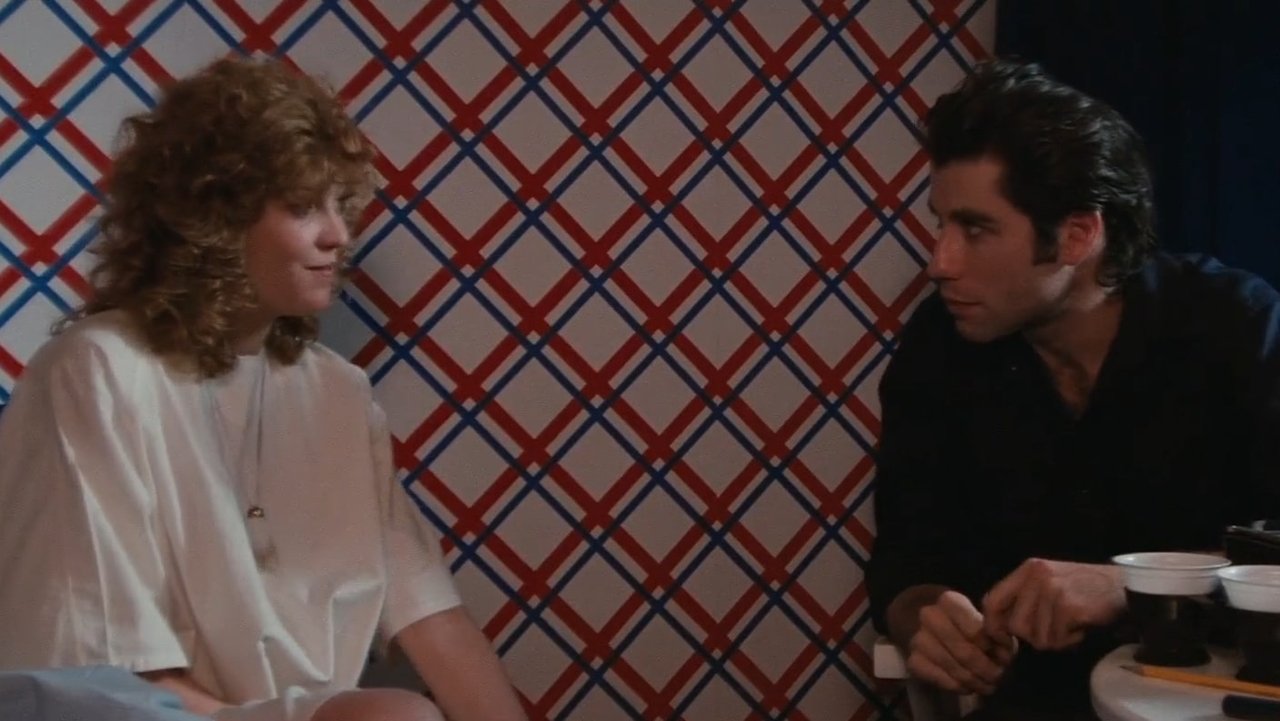
While the plot involves a political assassination and a cover-up involving a governor, the heart of the film is the relationship between Jack and Sally, played with a heartbreaking, wide-eyed vulnerability by Nancy Allen. Sally is a "makeup girl" caught in the gears of a machine much larger than her, and Jack’s attempt to use her to expose the truth feels less like a heroic rescue and more like a desperate gamble.
There’s a deep cynicism here that I find endlessly fascinating. Jack is haunted by a past mistake—a wiretap job gone wrong that resulted in a death— and he’s trying to use Sally to redeem himself. The movie is a brutal reminder that sometimes our quest for personal redemption just ends up collateralizing the people we care about.
The atmosphere is further heightened by Pino Donaggio’s score, which swerves between lush, romantic strings and sharp, discordant stabs of tension. It’s a soundtrack that feels like it’s constantly mourning, even during the "action" beats. When the film moves toward its climax during a Liberty Day celebration in Philadelphia, the bright red, white, and blue colors feel mocking. Underneath the fireworks, there is only cold, calculating violence.
The Scream That Never Ends
Blow Out famously flopped at the box office, likely because audiences in 1981 weren't ready for a "summer movie" that ended with such a soul-crushing gut punch. It found its true life on the shelves of video rental stores. I remember the VHS cover art—it looked like a standard, high-octane action thriller. Renters who took it home expecting a fun Travolta romp were instead treated to a nihilistic deconstruction of the American Dream.
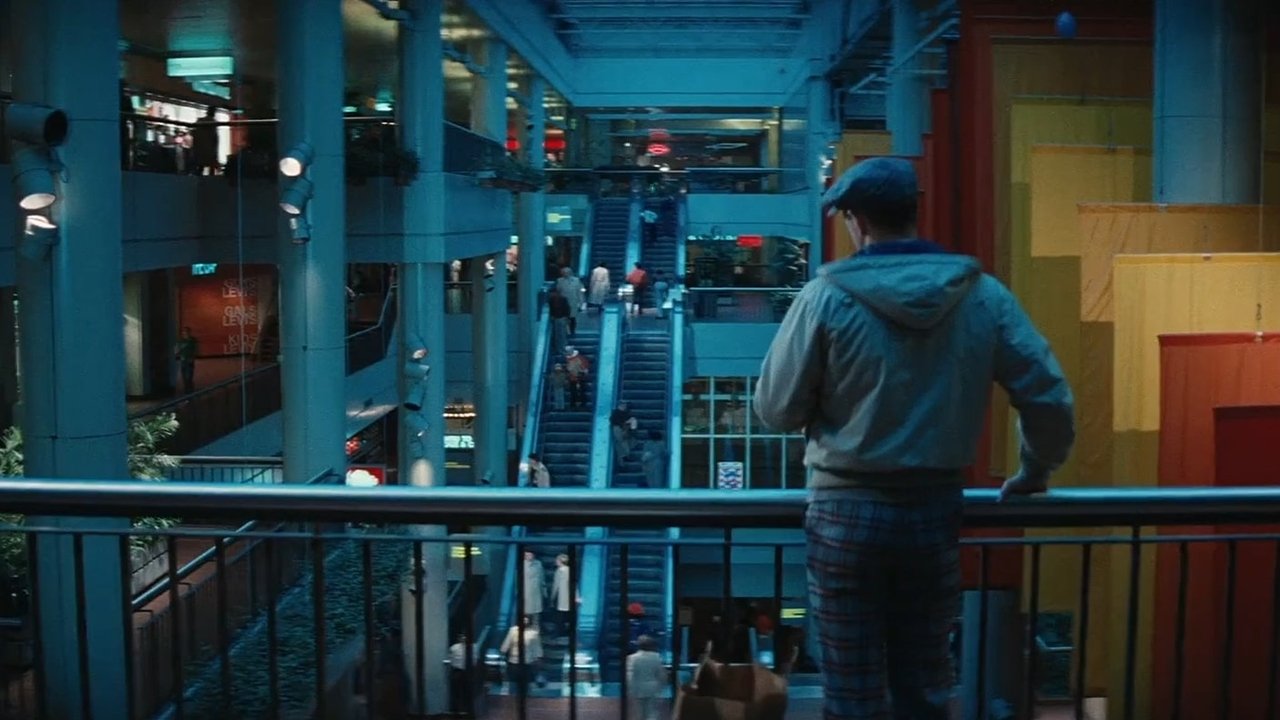
One of the most haunting pieces of trivia is that John Travolta suffered from chronic insomnia during the shoot, which explains the puffy-eyed, haunted look he carries throughout the film. That exhaustion feels real. It’s the look of a man who knows the truth is a weight he can’t carry. There’s also the tragic fact that a large portion of the film’s negatives were stolen from a truck during production, forcing De Palma to reshoot the climax under immense pressure. That sense of frantic, "last-chance" energy is baked into the final cut.
The ending—which I won’t spoil, though it’s been discussed for decades—is perhaps the most audacious "screw you" to a happy ending in Hollywood history. De Palma is the only director who would take a character's greatest trauma and turn it into a literal punchline for a B-movie. It’s dark, it’s twisted, and it’s why Blow Out remains a towering achievement of the New Hollywood era.
Blow Out is a film that demands to be heard as much as seen. It’s a technical marvel that never loses sight of its human tragedy, anchored by a version of John Travolta we rarely got to see again. It’s a reminder that in the world of power and politics, the truth isn't just out there—it's usually being erased, one magnetic inch at a time. If you haven't seen it, find the best speakers you own, turn them up, and prepare to be devastated.
Keep Exploring...
-
Body Double
1984
-
Dressed to Kill
1980
-
Clue
1985
-

Murder by Death
1976
-
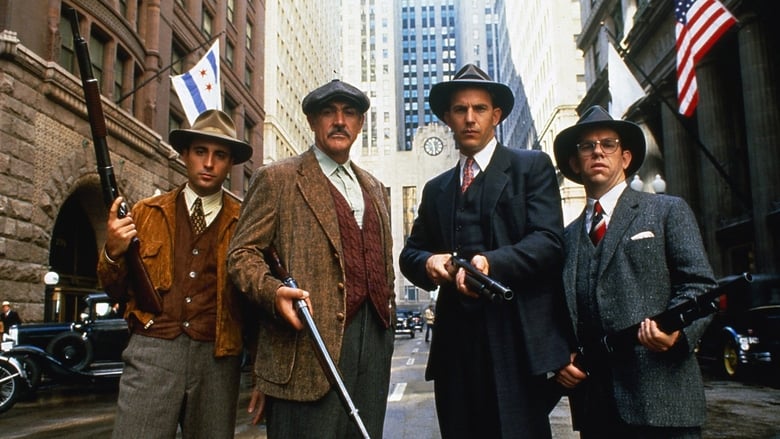
The Untouchables
1987
-
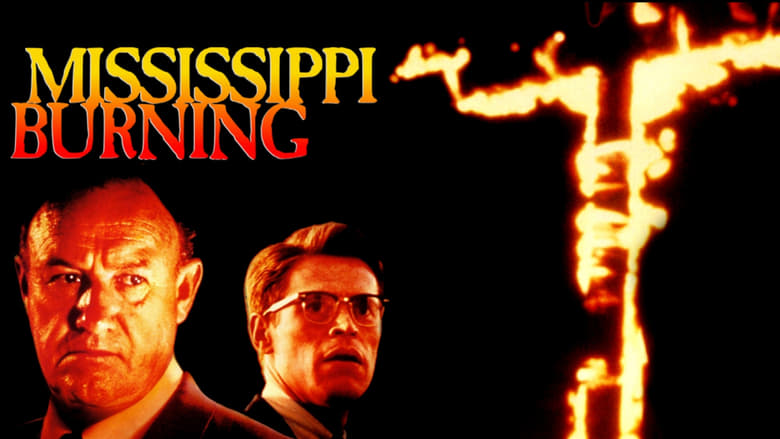
Mississippi Burning
1988
-
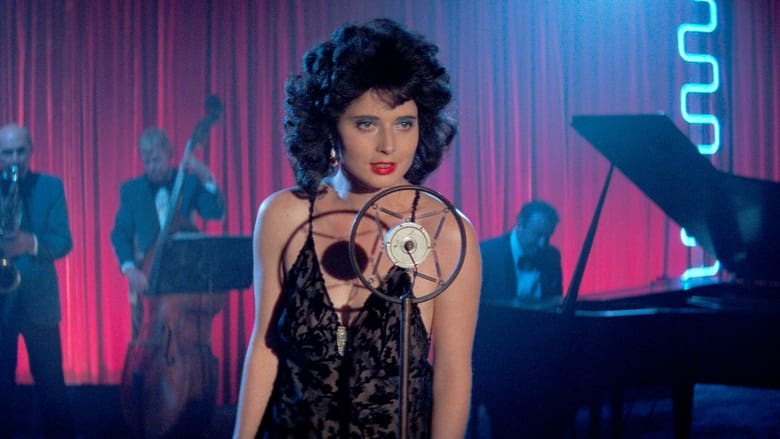
Blue Velvet
1986
-
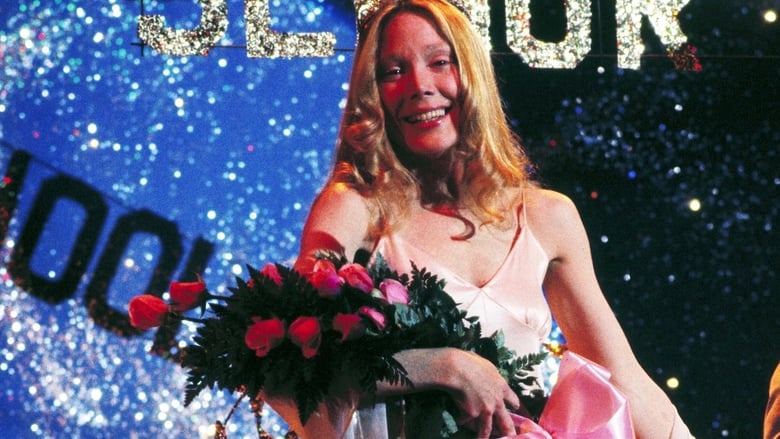
Carrie
1976
-
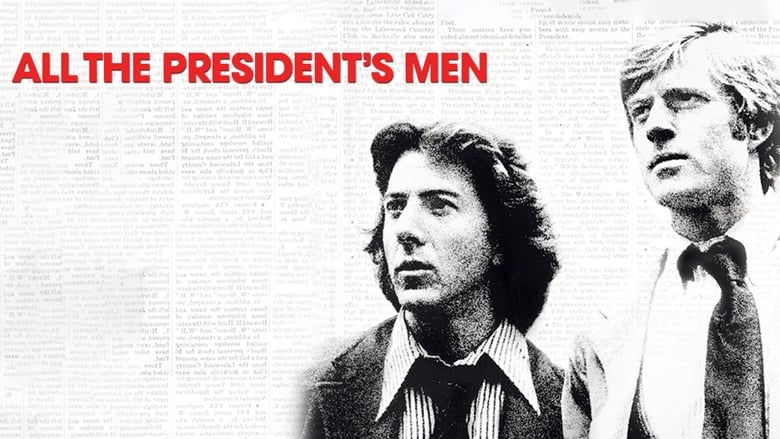
All the President's Men
1976
-
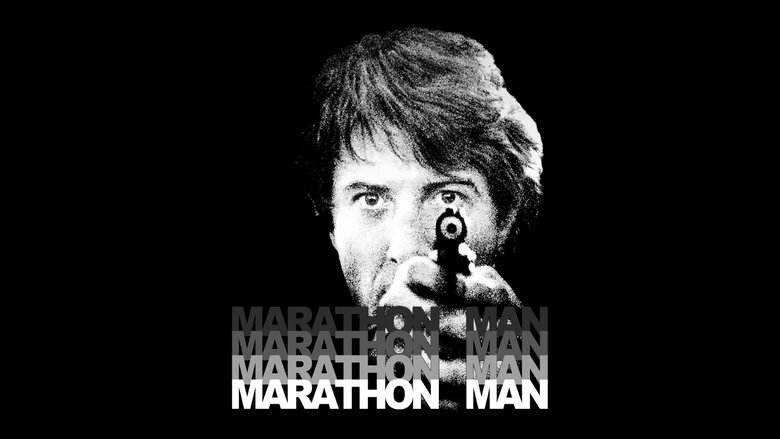
Marathon Man
1976
-
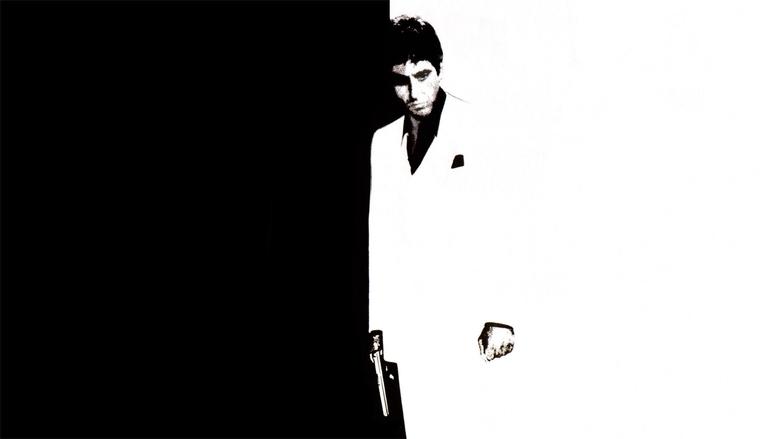
Scarface
1983
-
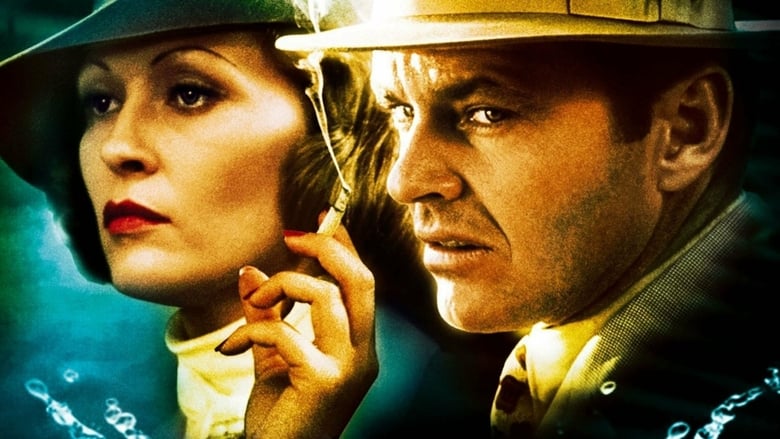
Chinatown
1974
-

Blood Simple
1985
-
Manhunter
1986
-
In the Heat of the Night
1967
-
Bullitt
1968
-

Three Days of the Condor
1975
-
Soylent Green
1973
-

The Tenant
1976
-
Marnie
1964