Chariots of Fire
"Two men run for different reasons, but one glory."
That electronic pulse. The moment you hear the first four notes of Vangelis’s iconic score, you don’t immediately think of 1924 Paris; you think of a 1980s fitness craze, slow-motion sweat, and maybe a very intense car commercial. It remains one of the weirdest, most successful creative gambles in cinema history. Placing a pulsating, synthesizer-heavy soundtrack onto a 1920s period drama should have been a disaster. Instead, it transformed Chariots of Fire from a stuffy British biopic into a cinematic anthem that defined a decade of aspiration.

I recently sat down to rewatch this while nursing a mild case of the flu, eating a bowl of lukewarm oatmeal that had the consistency of wet sand. Strangely, the drabness of my breakfast only highlighted the film’s vibrant, almost tactile obsession with excellence. It’s a movie that demands you sit up straighter, even if your sinuses are betraying you.
The Synth-Driven Soul of the 1920s
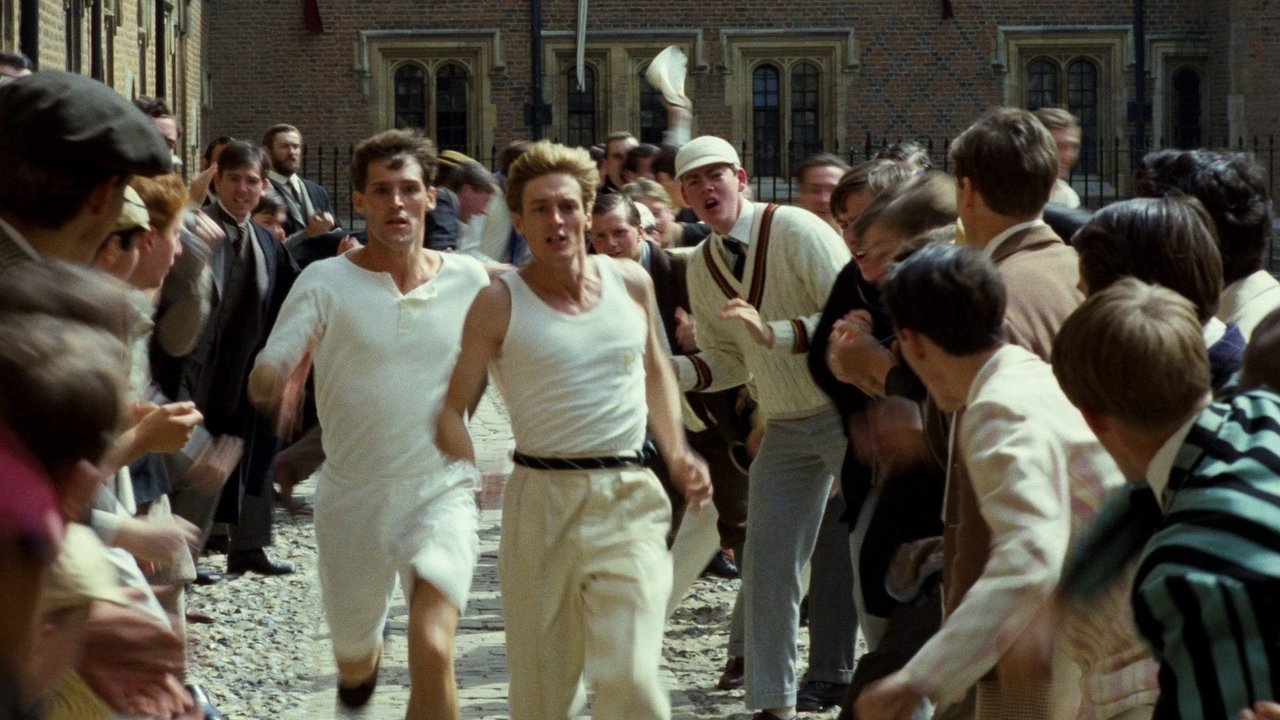
Director Hugh Hudson (who would later give us the beautifully shot but baffling Greystoke: The Legend of Tarzan, Lord of the Apes) brought a commercial director's eye to this production. Every frame feels deliberate. The opening sequence on the beach at St Andrews is the stuff of legend, but what struck me this time was how Vangelis—fresh off his work on the vastly different Blade Runner—didn't just write a theme; he wrote a heartbeat.
The score bridges the gap between the stuffy, class-obsessed world of 1920s Cambridge and the high-gloss, achievement-oriented 1980s. It’s the sound of the "New Hollywood" energy filtering through a British lens. While American films in the late 70s were often cynical and gritty, Chariots of Fire felt like a reset button. It was a "heritage film" that didn't feel like a museum piece. It felt alive, even if it’s basically a high-stakes joggers' diary with better tailoring.
A Duel of Convictions
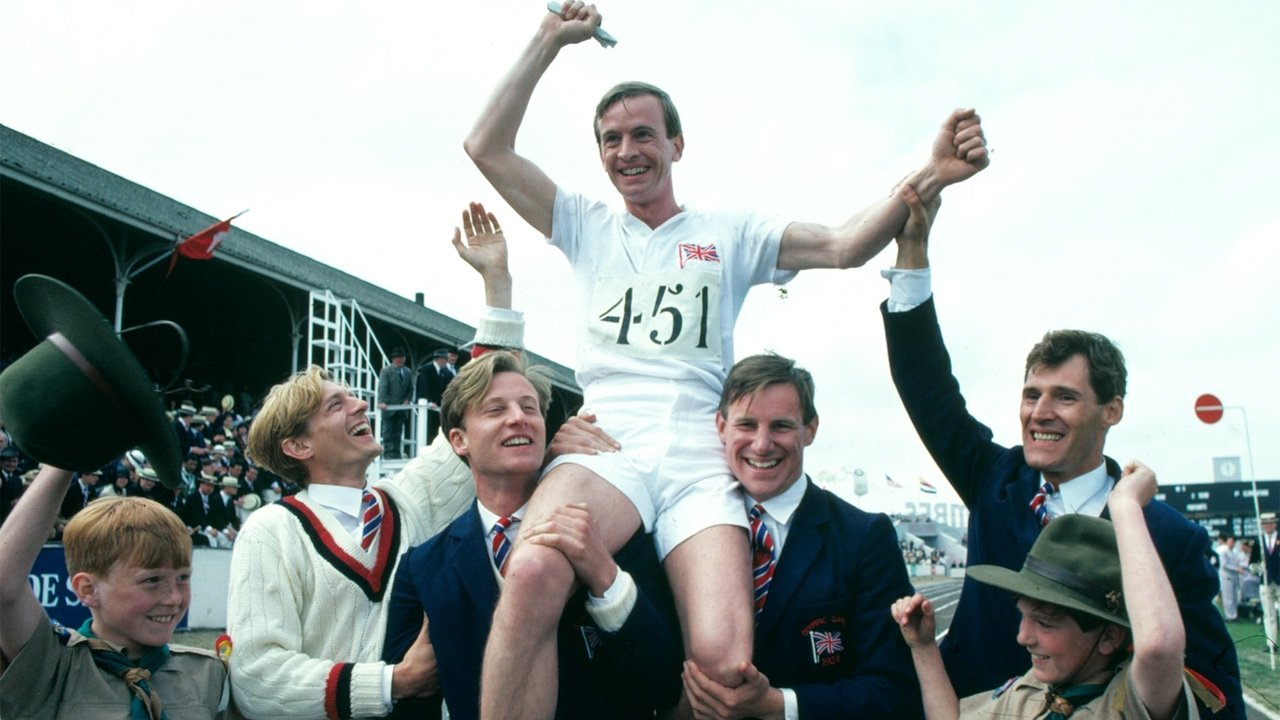
At its heart, the drama works because it isn't just about winning a race; it’s a collision of two very different types of "outsider" energy. Ben Cross plays Harold Abrahams with a simmering, defensive intensity. He’s running to outrun the casual, polite anti-Semitism of the British establishment. His chemistry with Alice Krige (who plays Sybil Gordon) adds a necessary layer of human stakes, but the real sparks fly when he’s on screen with his coach, Sam Mussabini.
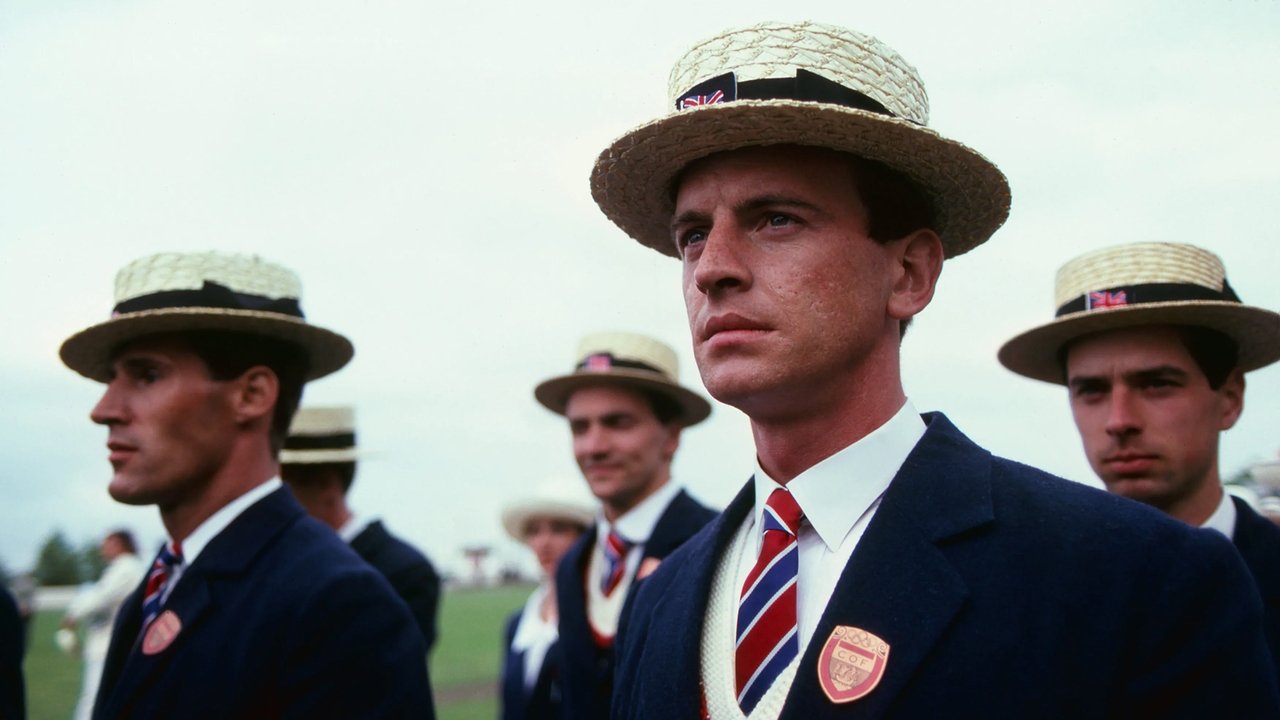
Ian Holm (whom I’ll always love as the treacherous Ash in Alien) is the secret weapon here. His performance is masterfully understated. When he punches his straw hat in a moment of solitary triumph, it’s more moving than any of the literal running. On the flip side, you have Ian Charleson as Eric Liddell. Playing a "pure" character who runs for God's glory is a trap most actors fall into, ending up boring or sanctimonious. Charleson, however, makes Liddell’s conviction feel like a physical burden. You believe he’s running for something higher because he looks like he might explode if he doesn't.
The supporting cast is a "who’s who" of British talent, but Nigel Havers as Lord Andrew Lindsay steals the levity. The scene where Lord Lindsay practices hurdles with full champagne glasses is the ultimate 1980s flex. It’s the kind of practical stunt work—real balance, real stakes—that makes these older dramas feel so much more grounded than the CGI-assisted spectacles of today.
The Gold Sticker Guarantee
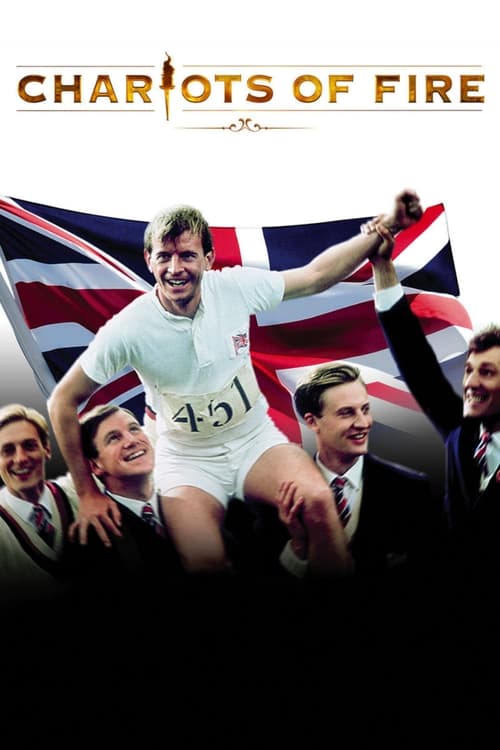
If you grew up in the 80s or 90s, you likely remember this film as a permanent fixture on the "Staff Favorites" shelf at the local video store. It was the quintessential "Prestige VHS." You’d see that distinct white cover with the runners on the beach, usually adorned with a shiny gold "Best Picture" sticker that had started to peel at the corners. For many, it was the "safe" rental—the movie you could watch with your grandmother that wouldn't make anyone uncomfortable, yet it still felt sophisticated.
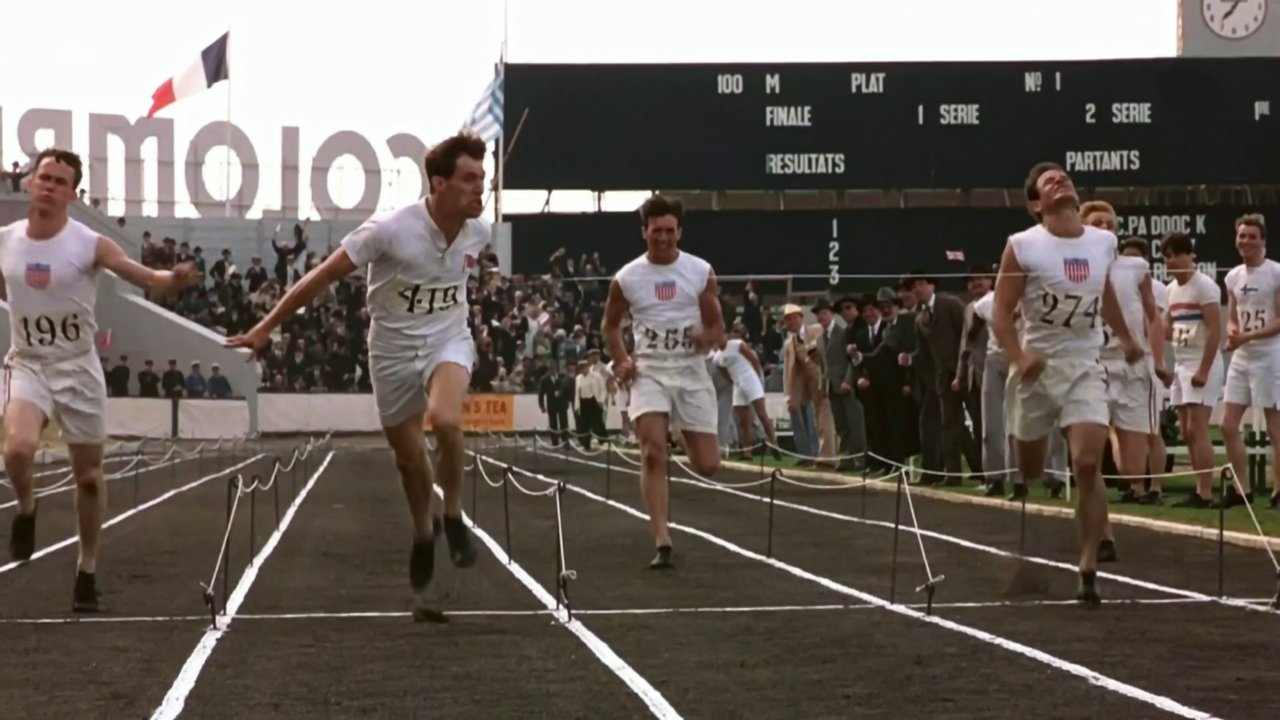
Rewatching it now, I realized how much the VHS era cemented its legacy. It was a movie that people owned. Because it was a "drama," it was often overlooked by kids looking for RoboCop, but once you actually popped the tape in, the pacing was surprisingly lean. At 123 minutes, it doesn't overstay its welcome. It understands that a sports drama is only as good as the internal conflict of the athletes.
The production was famously a "small" film that could. Produced by David Puttnam, it was part of a brief, shining moment where British cinema felt like it could take on the world. When screenwriter Colin Welland shouted "The British are coming!" at the Oscars, he wasn't just being boisterous; he was reflecting the sheer surprise that a movie about two guys in shorts running in circles had beaten the likes of Raiders of the Lost Ark.
Chariots of Fire is a rare breed of film that manages to be inspirational without being saccharine. It deals with heavy themes—faith, prejudice, national identity—but never forgets that it’s a story about the sheer, kinetic joy of movement. Whether you’re a runner or someone who considers a brisk walk to the fridge a marathon, the film’s message about staying true to your own "why" still hits home. It’s a beautifully shot, superbly acted reminder that sometimes, the greatest races are the ones we run against our own shadows.
Keep Exploring...
-

The Mission
1986
-
A Bridge Too Far
1977
-
Gandhi
1982
-

The Right Stuff
1983
-
Patton
1970
-
The Last Emperor
1987
-
Casualties of War
1989
-
Glory
1989
-

Caligula
1979
-
Out of Africa
1985
-
The Color Purple
1985
-
Nineteen Eighty-Four
1984
-
Empire of the Sun
1987
-
Ran
1985
-
All the President's Men
1976
-
Marathon Man
1976
-
Escape to Victory
1981
-
Sophie's Choice
1982
-

Risky Business
1983
-
The Outsiders
1983