Christiane F.
"West Berlin’s neon children have nowhere to go."
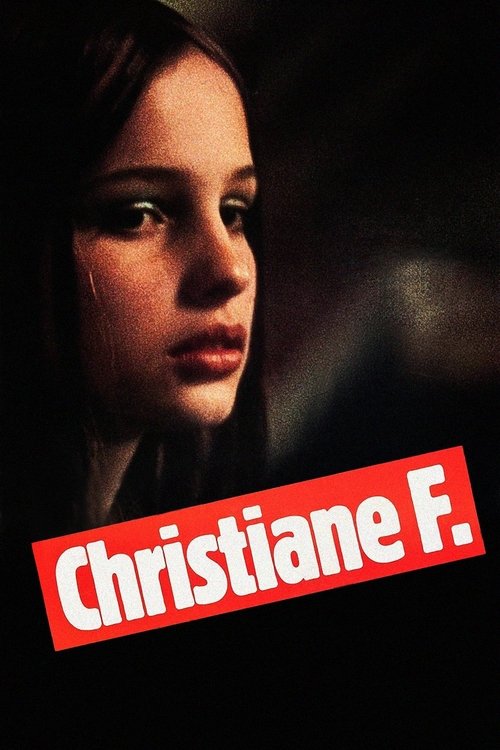
West Berlin in the late 1970s wasn’t the sprawling, unified tech hub we know today; it was a claustrophobic, concrete island surrounded by a wall, dripping with Cold War anxiety and cheap heroin. When you watch Uli Edel’s Christiane F., you aren’t just watching a drama; you’re being dropped into a gray, subterranean world where the only color comes from the flickering neon of a David Bowie concert. It’s a film that manages to be both a harrowing cautionary tale and a stylish piece of European art-house cinema, and it does so without ever once blinking.
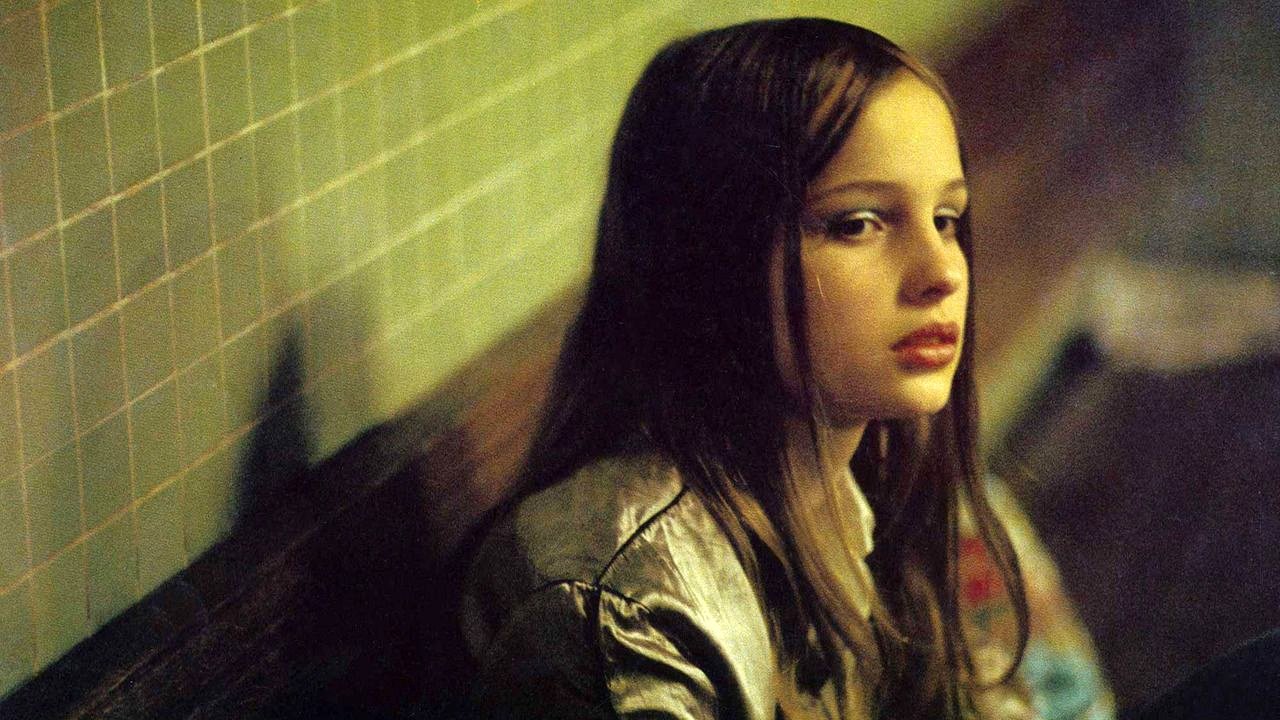
I first sat down with this movie on a humid Tuesday evening while my cat, Barnaby, spent ten minutes aggressively sneezing at a moth in the corner. That weirdly domestic backdrop made the absolute squalor on screen feel even more jarring. By the time the credits rolled, I felt like I needed to take a shower in boiling water and then maybe call my mother just to tell her I was okay.
The Glitter and the Grime
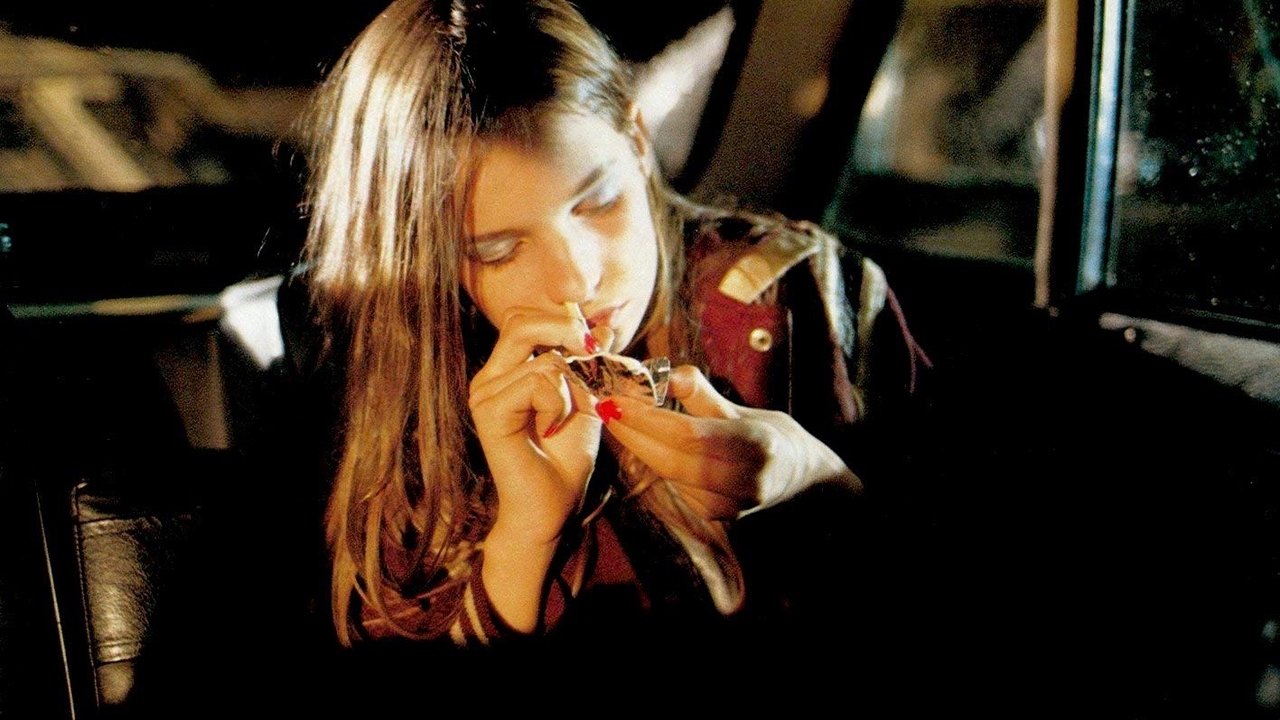
The story, famously based on the non-fiction tape recordings of Christiane Felscherinow, follows 14-year-old Christiane—played with a haunting, wide-eyed fragility by Natja Brunckhorst. She’s a bored kid living in a bleak high-rise who just wants to go to "The Sound," the hippest disco in Berlin. Once she gets there, the descent begins. It’s not a sudden cliff-drop; it’s a slow, greasy slide. She meets Detlev (Thomas Haustein), a boy who looks like a fallen angel with a habit, and soon they’re chasing a high that leads them directly to the toilets of the Bahnhof Zoo train station.
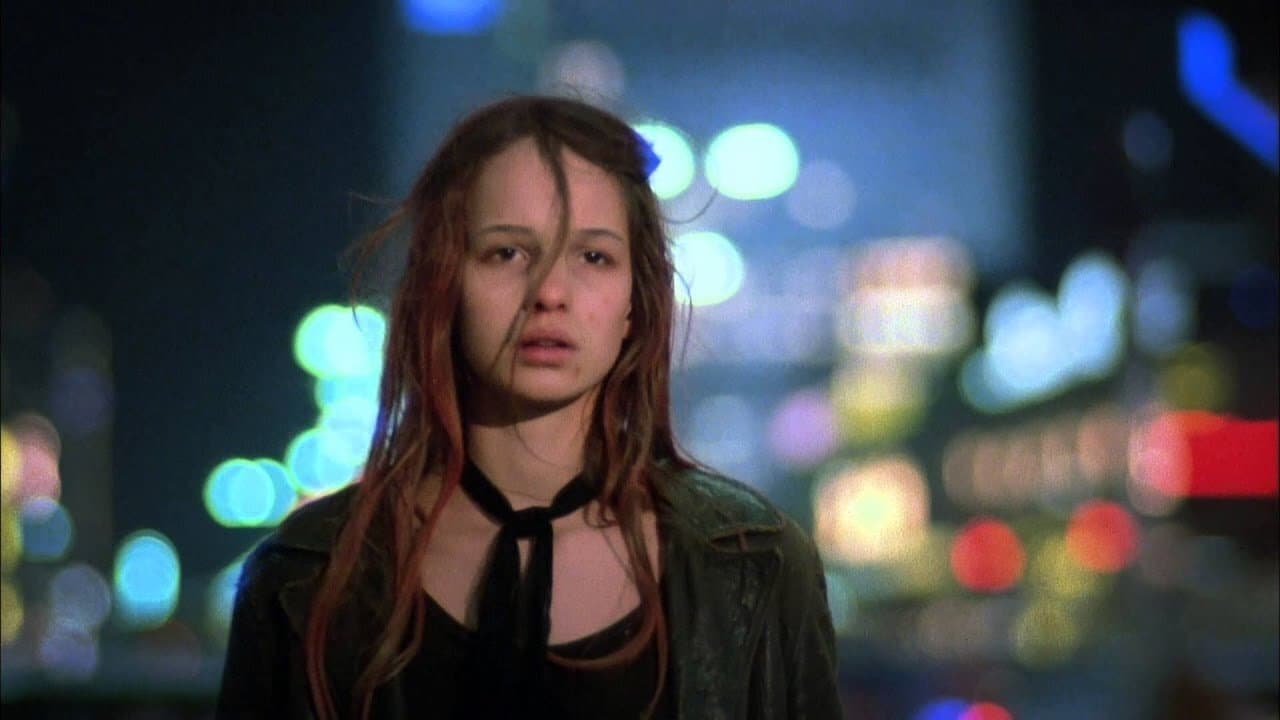
What makes this film different from the "After School Specials" of the era is its refusal to judge. Uli Edel doesn’t use a heavy hand to tell you drugs are bad; he simply shows you the physical reality of it. The cinematography by Jürgen Jürges captures Berlin as a city of shadows and stainless steel. There’s a particular scene where Christiane and her friends are running through a shopping mall to the beat of David Bowie’s "Heroes" (the German version, "Helden") that perfectly encapsulates the "us against the world" arrogance of youth, right before the world starts winning.
The Bowie Connection and the VHS Cult

You can’t talk about Christiane F. without talking about the Thin White Duke. David Bowie doesn’t just provide the soundtrack; he appears as himself in a concert sequence that serves as the film’s spiritual high point. For a lot of us who grew up in the VHS era, this was the "Bowie drug movie." I knew kids in the 90s who hunted down worn-out rental copies of this specifically because they were Bowie completists, only to be shell-shocked by the actual content. It makes Requiem for a Dream look like a high-budget pharmaceutical commercial.
The VHS journey of this film is actually fascinating. In the mid-80s, it became a staple of independent video stores, usually tucked away in the "Foreign" or "Drama" section with a cover that featured Natja Brunckhorst looking sickly and iconic. It was the kind of tape that felt "dangerous" to own. The graininess of the magnetic tape actually added to the film's aesthetic; the lower the resolution, the more the filth of the Bahnhof Zoo seemed to seep into your living room.
Authentic Despair
The production took some massive risks that a major studio would have vetoed in a heartbeat. They used actual junkies as extras to populate the background of the train station scenes, giving the film a level of authenticity that’s frankly uncomfortable. Herman Weigel’s screenplay stays incredibly close to the source material, capturing the specific slang and the heartbreakingly circular logic of addiction.
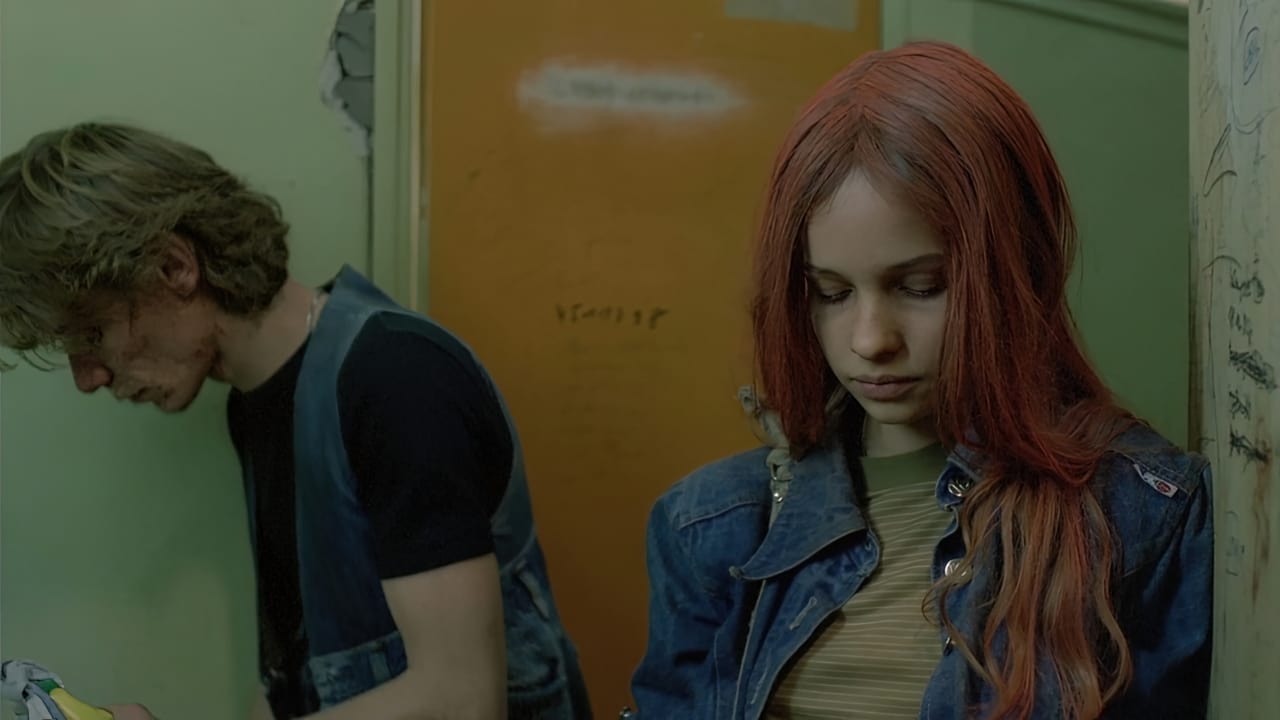
Natja Brunckhorst and Thomas Haustein were both teenagers with no prior acting experience when they were cast. That lack of "professional" polish is the film's secret weapon. When they’re going through withdrawal in a cramped apartment, it doesn't look like "acting"—it looks like a documentary of a soul leaving a body. The scene involving a needle and a public restroom is still, forty years later, the best argument for staying away from the hard stuff ever put to celluloid.
One of the more interesting bits of trivia is that the real Christiane F. was actually a regular presence on the set, advising the young actors on how to move and how to "cook" their props. It’s that proximity to the truth that keeps the movie from feeling like exploitation. It’s a tragedy, yes, but it’s one filmed with a weird, cold beauty that only 1980s West Berlin could provide.
Christiane F. isn't an easy watch, but it’s an essential one for anyone who appreciates the "New German Cinema" movement or just wants to see how the 80s handled the darker side of the counter-culture. It captures a very specific moment in time when the glamour of the rock-and-roll lifestyle met the brick wall of reality. It’s gritty, it’s stylish, and it features a soundtrack that will stay in your head for weeks. Just don't expect to feel like going out for a night on the town immediately after viewing.
Keep Exploring...
-
Nosferatu the Vampyre
1979
-
Paris, Texas
1984
-
Network
1976
-
Annie Hall
1977
-
Eraserhead
1977
-
Midnight Express
1978
-
Stalker
1979
-
The NeverEnding Story
1984
-
After Hours
1985
-

Day of the Dead
1985
-
Wings of Desire
1987
-

Breathless
1960
-
Peeping Tom
1960
-
The Apartment
1960
-
Judgment at Nuremberg
1961
-

Lolita
1962
-
What Ever Happened to Baby Jane?
1962
-
Contempt
1963
-
The Great Escape
1963
-

The Umbrellas of Cherbourg
1964