Das Boot
"Forty thousand men went down. Ten thousand returned."
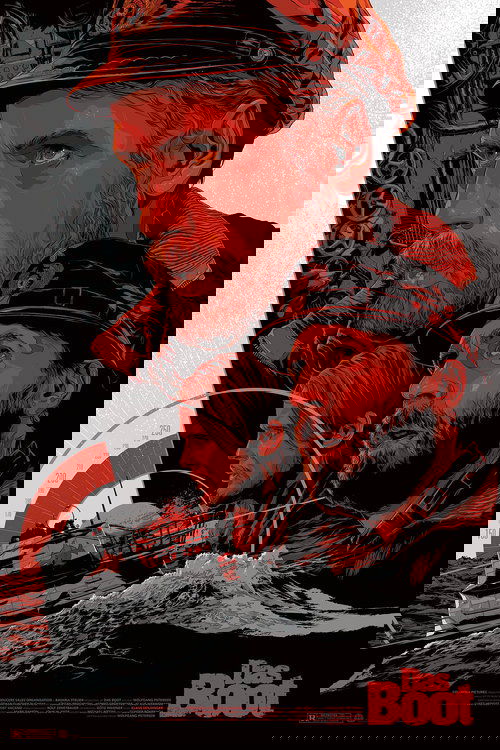
The sound of a sonar ping isn't just a noise in Das Boot; it’s a rhythmic executioner’s knock. By the time the credits rolled on Wolfgang Petersen’s 1981 masterpiece, I realized I hadn't taken a full, deep breath in nearly three hours. I watched this most recently on a Tuesday night while eating a bowl of lukewarm ramen, and the steam from the noodles felt uncomfortably like the humid, sweat-drenched air inside U-96. It’s a film that doesn't just invite you to watch; it drags you down into the pressurized dark and dares you to survive.

The Beauty of the Breakdown
Most war films of the early 80s were still high on the fumes of traditional heroism or the jagged cynicism of the post-Vietnam era. Das Boot opted for something far more grueling: absolute, grinding realism. We follow a German U-boat crew in 1941, but Petersen (who also wrote the screenplay) wisely strips away the grand political theater of the Third Reich to focus on the terrifying physics of being trapped in a tin can under the Atlantic.
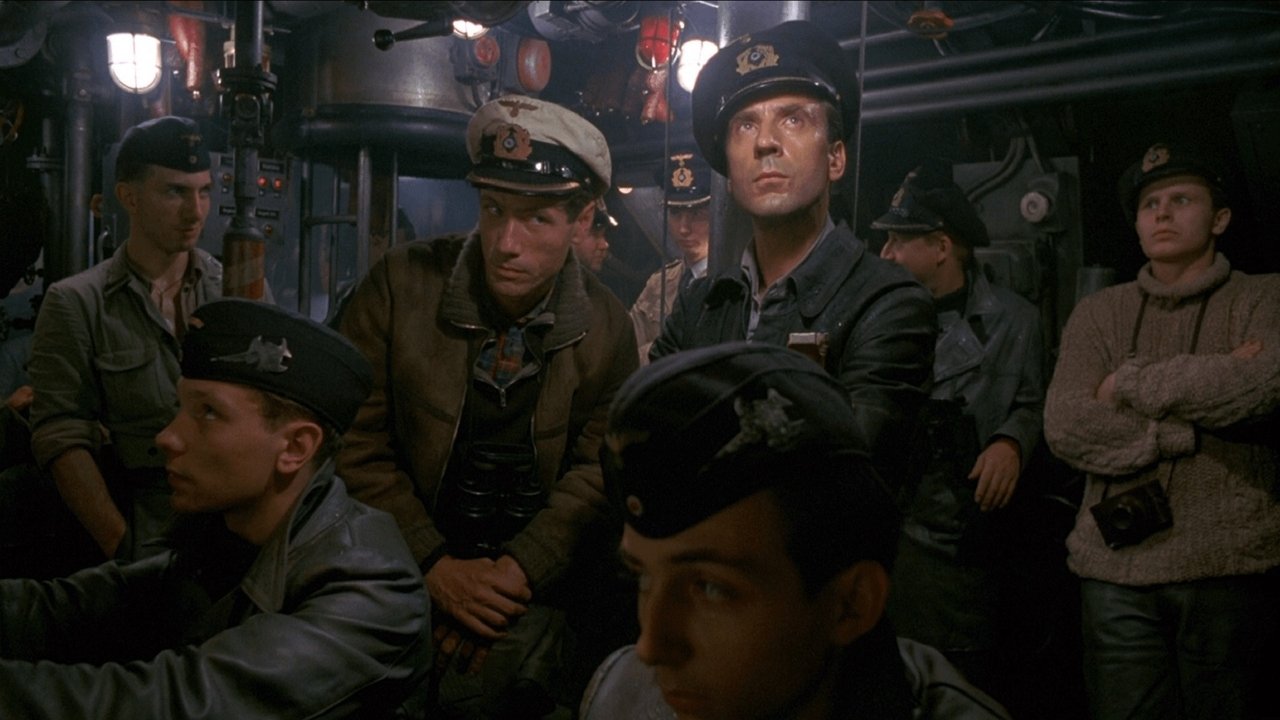
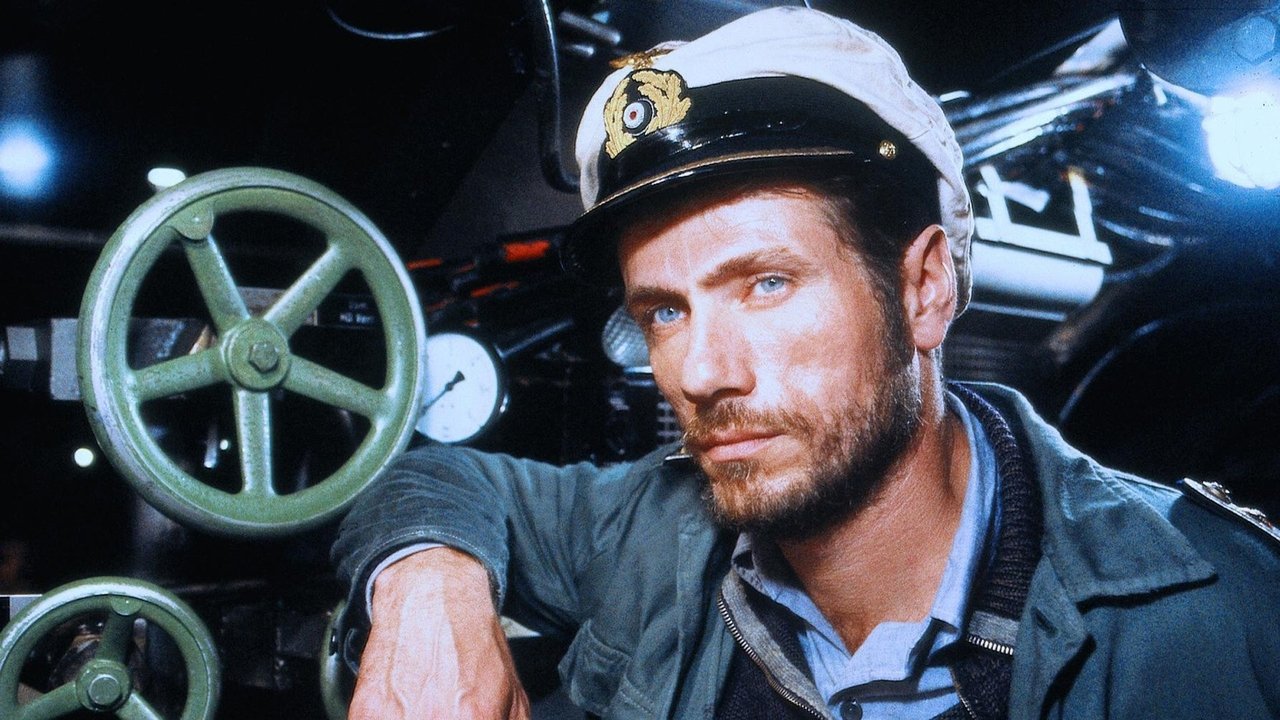
The performance of Jürgen Prochnow as Captain Lieutenant 'Der Alte' is a masterclass in weary authority. His face is a landscape of exhaustion, etched with the knowledge that he is leading a group of terrified children to a watery grave. Watching him transition from the cynical, booze-soaked party at the start of the film to a man whose eyes look like they’ve seen the edge of the world is haunting. Beside him, Herbert Grönemeyer as Lieutenant Werner provides our "in"—the naive correspondent who quickly learns that "glory" smells like diesel fumes and unwashed bodies.
The chemistry of the ensemble, including Klaus Wennemann as the obsessed Chief Engineer and Martin Semmelrogge as the irreverent Second Watch Officer, creates a genuine sense of a working machine. You believe these men know every bolt of that ship, and you believe they hate every second of it. The English dub is a sonic hate crime that should be launched into the sun; if you aren't watching this in the original German with subtitles, you're missing the guttural desperation that makes the performance work.
A Masterclass in "Shaky Cam" Before It Was Cool
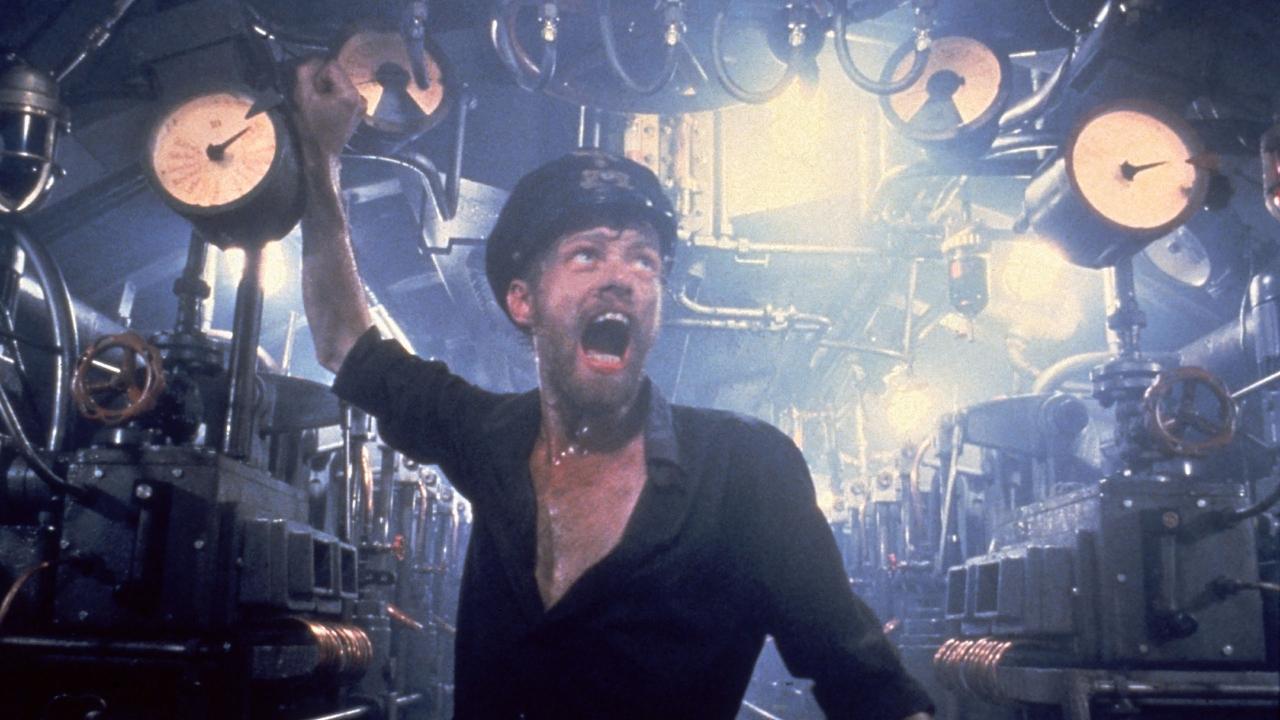
Before CGI made everything look like a weightless video game, Das Boot relied on the Practical Effects Golden Age to deliver its punch. Cinematographer Jost Vacano didn't just point a camera; he became an athlete. He used a handheld Arriflex camera with a gyro-stabilizer—long before the Steadicam became the industry standard for action—and sprinted through the cramped, 150-foot long interior set.
That set wasn't just a facade; it was a full-scale mock-up mounted on a hydraulic gimbal that could tilt and shake violently. When the depth charges go off and the lights flicker, the terror on the actors' faces isn't entirely "acting." They were actually being tossed around a narrow metal tube. It gives the film a physical weight that modern blockbusters can’t touch. Every time the hull groans under the pressure of the deep, you feel it in your molars.
The VHS Epic and the Cult of the Deep
For a generation of film nerds, Das Boot was the ultimate "Two-Tape Challenge." Because of its massive runtime, the home video release was usually a chunky double-VHS set. I remember seeing those two black slabs sitting in the "War" section of my local rental shop, looking more intimidating than any slasher flick. There was a specific ritual to it: you’d watch the first half, the tension would reach a breaking point as they hit the Mediterranean, and then you’d have to physically get up, eject the tape, and pop in the second half. It was a mandatory intermission that allowed your blood pressure to drop slightly before the final, brutal act.
The film's journey to cult status is fascinating because it’s a rare foreign-language film that became a staple of American Dad-cinema. It managed to bridge the gap between "high-art" European filmmaking and the high-concept spectacle of the 80s. It wasn't just a movie; it was a test of endurance.
Stuff You Didn't Notice:
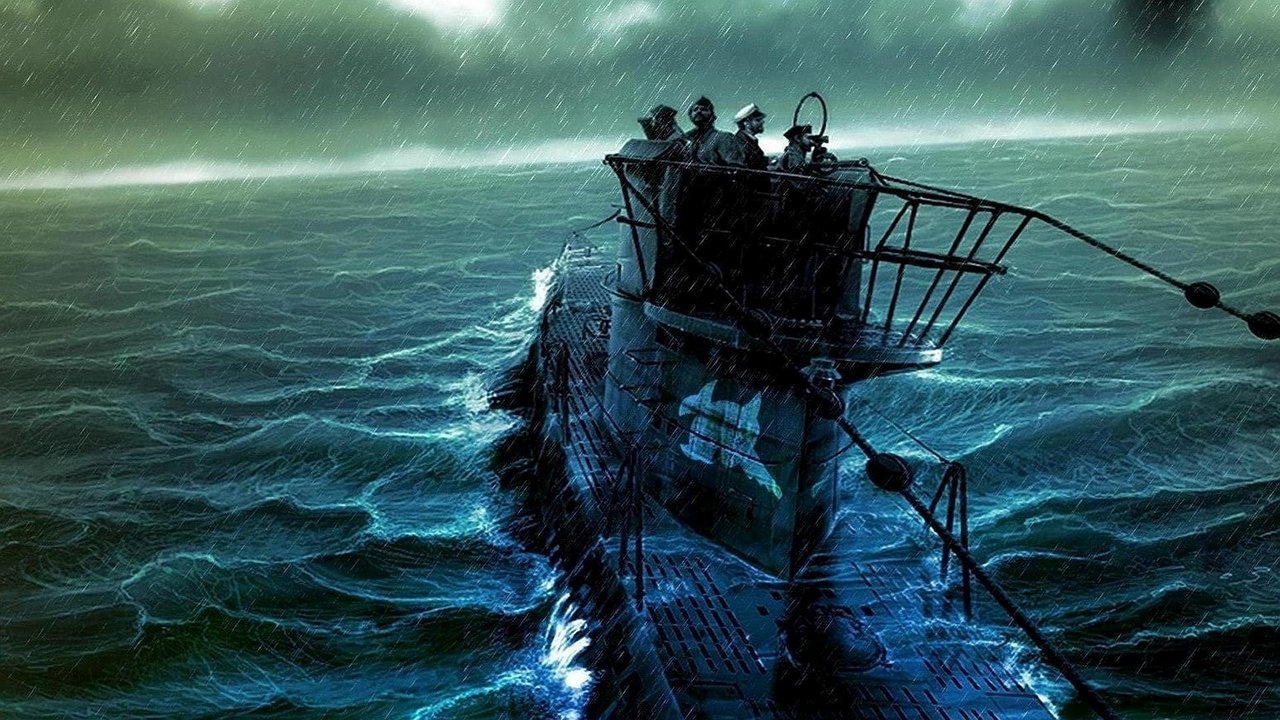
To achieve that deathly, sickly look, Wolfgang Petersen forbade the actors from going outside in the sun for months. They lived in a state of artificial pallor to look like men who hadn't seen the sky in weeks. The production actually built a full-sized, sea-going U-boat for exterior shots. It was so heavy and unwieldy that it actually sank during a storm off the coast of France, causing a massive delay. The same submarine model was later rented by Steven Spielberg for Raiders of the Lost Ark (1981)—look closely at the Nazi sub in that film and you'll recognize the U-96. Jost Vacano wore a helmet and padding while filming the running scenes because he kept hitting his head on the low ceilings of the set. The iconic "ping" of the sonar was created using a real ASDIC recording, but the sound design was layered with distorted animal screams to make the ocean feel like a living monster. Despite the film's intense focus on the German side, it was a massive hit in the UK and US because it was perceived as an anti-war statement rather than a glorification of the Kriegsmarine.
Das Boot remains the definitive word on the "submarine sub-genre" because it refuses to blink. It captures the boredom, the filth, and the sudden, heart-stopping terror of underwater warfare with a precision that feels almost documentary-like. It’s an exhausting experience, but that’s the point. War isn't just about the bullets; it’s about the slow, crushing weight of the water above you and the realization that your metal home is just a coffin waiting for a reason to close.
Keep Exploring...
-

The NeverEnding Story
1984
-

Spartacus
1960
-

Empire of the Sun
1987
-
A Bridge Too Far
1977
-

Patton
1970
-
Barry Lyndon
1975
-

Casualties of War
1989
-

Glory
1989
-

Troy
2004
-

Lawrence of Arabia
1962
-

All Quiet on the Western Front
2022
-
The Deer Hunter
1978
-

Apocalypse Now
1979
-

Sophie's Choice
1982
-

Platoon
1986
-

Hotel Rwanda
2004
-

The Name of the Rose
1986
-

Gandhi
1982
-

Come and See
1985
-
The Thin Red Line
1998