Excalibur
"The sword, the crown, and the fever dream."
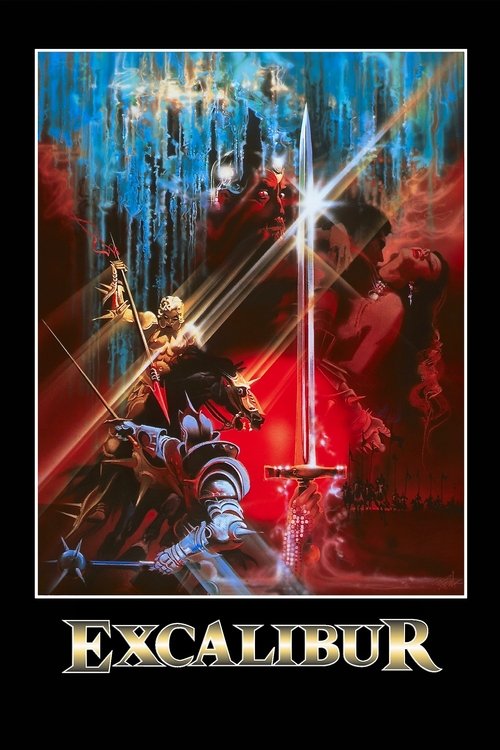
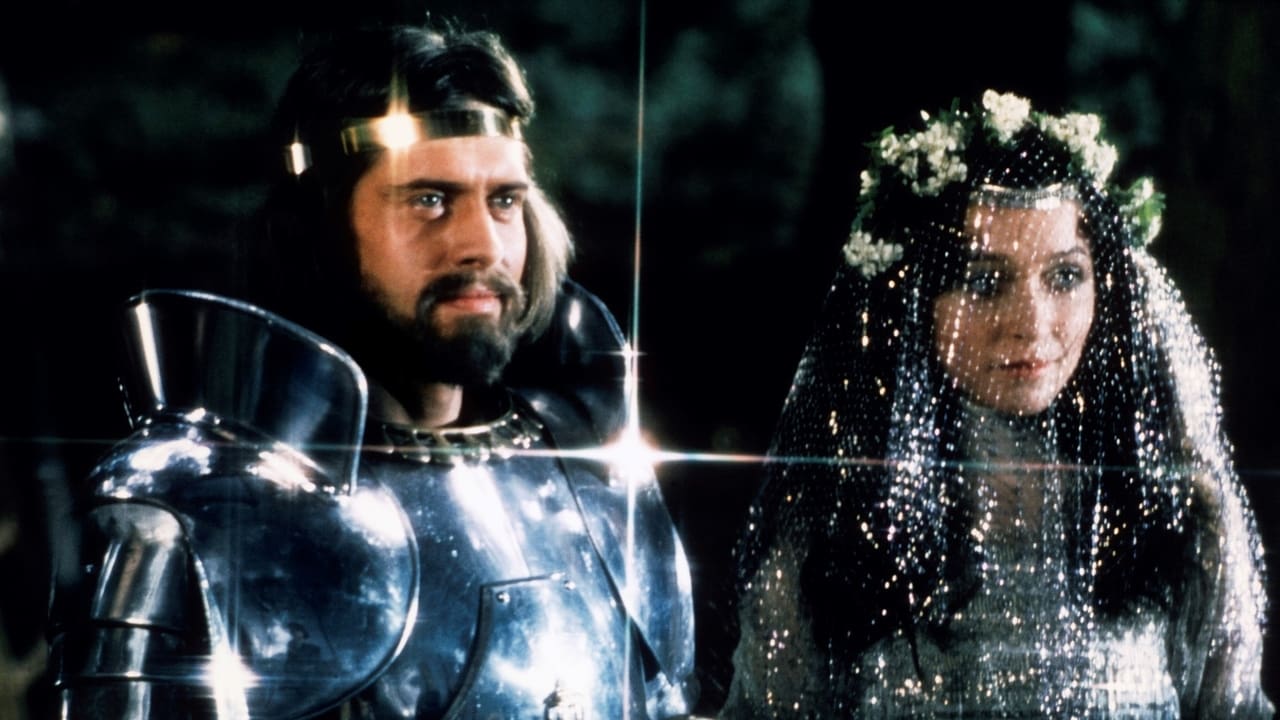
If you took every Arthurian legend, tossed them into a blender with a gallon of emerald-green food coloring, a Wagnerian opera, and several tons of highly polished chrome, you would get Excalibur. John Boorman’s 1981 epic doesn’t just tell the story of King Arthur; it screams it from the top of a mist-shrouded mountain. It is a film that exists in a permanent state of high-altitude intensity, where every line of dialogue is a proclamation and every suit of armor reflects the sun like a dying star.
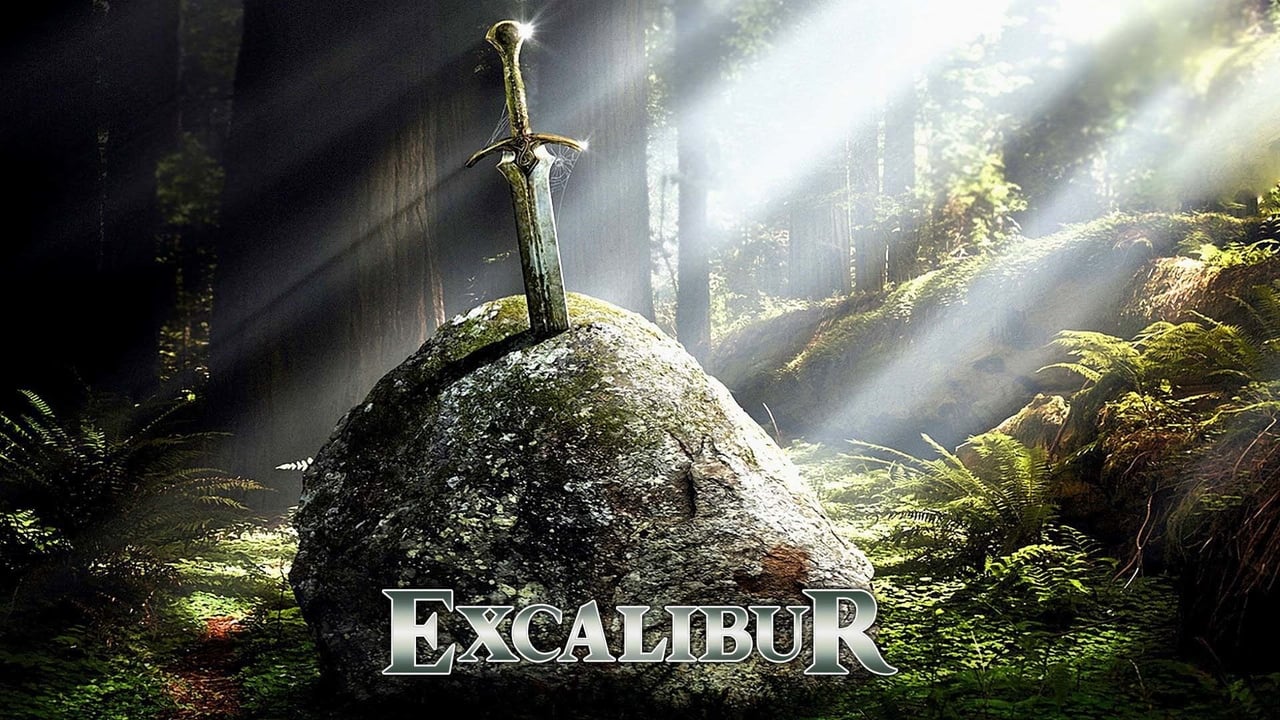
I watched this most recently on a Tuesday night while my neighbor was loudly practicing the bagpipes, and honestly, the discordant drone from next door actually added a weirdly appropriate layer of Celtic doom to the whole experience. Excalibur is a movie that demands a certain level of sensory overload.
The Chrome-Plated Fever Dream
Most medieval movies aim for a "lived-in" grit—lots of brown tunics and muddy boots. Boorman went the opposite direction. He wanted a mythic reality, which meant the armor worn by Nigel Terry (Arthur) and Nicholas Clay (Lancelot) isn't just metal; it’s a blinding, silver-plated statement of intent. The silver armor looks like it was polished by a frantic obsessive with a tin of Brasso and a dream. It gives the film a surreal, otherworldly sheen that felt even more hypnotic on a flickering CRT television back in the day.
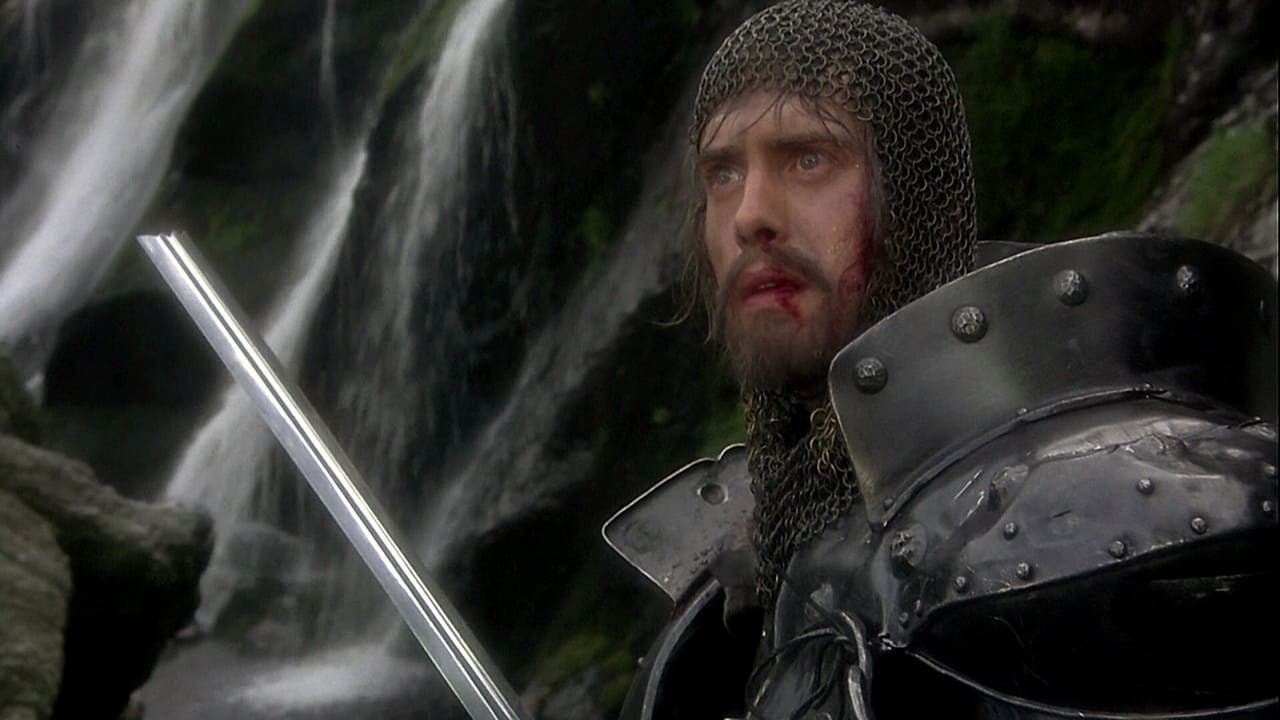
This was the peak of the practical effects era. There is no CGI "Dragon’s Breath" here; instead, the production team used literal tons of dry ice and smoke machines to carpet the Irish woods in a fog so thick you’re surprised the actors didn't trip over the trees. It creates a sense of "landscape as character." The Irish locations—Boorman shot much of it near his own home in County Wicklow—feel ancient and enchanted, rather than just a set. When the Lady of the Lake’s hand rises from the water, it isn't a digital asset; it’s a physical, haunting moment that captures the "wonder" part of the adventure genre perfectly.
Merlin’s Madhouse and the Buried Stars
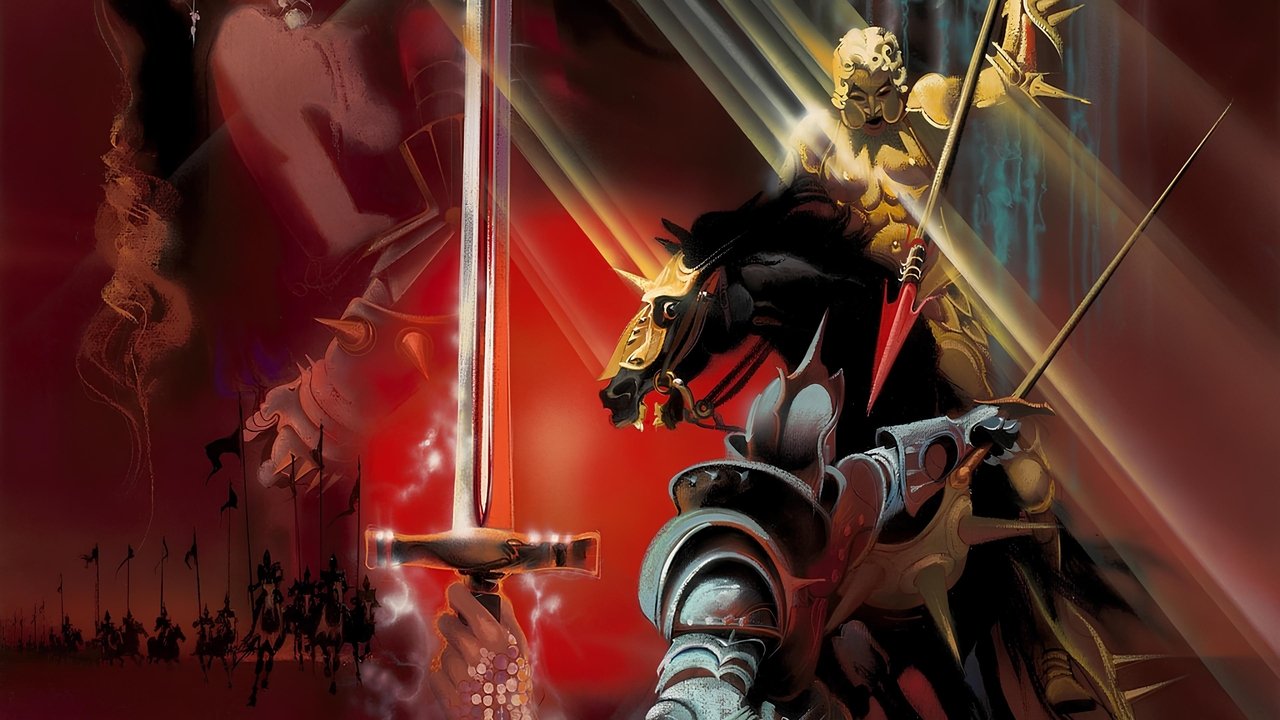
The casting is a fascinating time capsule of "before they were famous" faces. You have a young Liam Neeson as Gawain, Patrick Stewart as Leondegrance, and Gabriel Byrne as Uther Pendragon. But the movie belongs to Nicol Williamson as Merlin and Helen Mirren as Morgana. Nicol Williamson plays the wizard not as a wise old grandfather, but as a twitchy, eccentric, and occasionally terrifying intellectual who seems to be communicating with a frequency only he can hear. His "Charm of Making" incantation (Anál nathrach, orth’ bháis's bethad, do chél dénmha) is the kind of thing that gets stuck in your head for decades.
Helen Mirren, meanwhile, is absolutely magnetic. She plays Morgana with a calculating, sensual ferocity that makes her the perfect foil to the increasingly somber Round Table. The chemistry—or perhaps the friction—between her and Nicol Williamson was real; the two actors famously disliked each other after a disastrous stage production of Macbeth years prior. Boorman cast them specifically because their genuine animosity added a sharp, dangerous edge to their magical rivalry. It works. Every time they share the screen, the air feels thin.
The VHS Ritual and the Holy Grail
For a generation of fantasy fans, Excalibur was a staple of the local video store’s "Action/Adventure" section. The box art alone—the glowing sword held aloft against a dark sky—promised a level of maturity that the Disney versions of the myth lacked. It was one of those tapes where the Orion Pictures logo, accompanied by that synthesized chime, felt like a portal. Because Boorman used so many heavy green and gold filters, the tracking on older VHS players would often struggle, causing the forest scenes to bleed into a psychedelic emerald haze. It actually improved the movie.
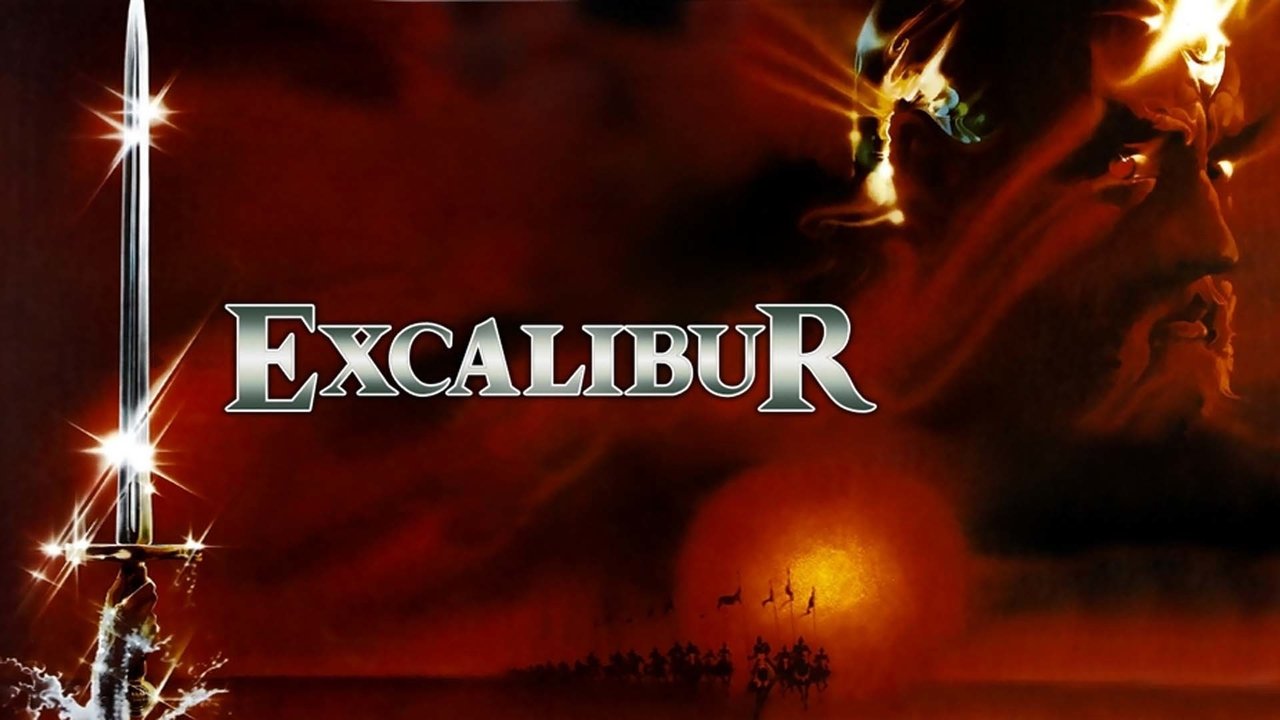
The film covers an immense amount of ground—from Arthur’s father, Uther, to the fall of Camelot and the quest for the Grail. Nigel Terry spends the first act looking like he’s playing 'dress-up' in his dad’s garage, but he eventually grows into the role, aging from a boyish squire to a weary, Grail-seeking king with believable weight. The pacing is breathless, sometimes to its detriment, as it tries to cram Malory’s "Le Morte d'Arthur" into 140 minutes. But even when the plot feels rushed, the imagery keeps you pinned to your seat. The final battle, set against a blood-red sunset and scored to the apocalyptic swells of "O Fortuna," is one of the most visually arresting sequences in 80s cinema.
Excalibur is a glorious, shimmering mess of a masterpiece. It’s a film that isn't afraid to be "too much"—too loud, too shiny, too dramatic, and too weird. While some of the transitions are clunky and the theatricality can border on the absurd, its commitment to a singular, artistic vision of mythology is something we rarely see in today’s polished blockbuster landscape. It remains the definitive cinematic version of the Arthurian legend simply because it understands that myths shouldn't feel like history; they should feel like dreams. It's a journey well worth taking, especially if you can find a screen big enough to handle all that chrome.
Keep Exploring...
-

Return to Oz
1985
-
Time Bandits
1981
-
Deliverance
1972
-
King Kong
1976
-
The Dark Crystal
1982
-
The Secret of NIMH
1982
-
Conan the Destroyer
1984
-
Ladyhawke
1985
-
Legend
1985
-

Bedknobs and Broomsticks
1971
-
Labyrinth
1986
-

The Mission
1986
-
The Adventures of Baron Munchausen
1988
-
The Rescuers
1977
-

The Lord of the Rings
1978
-
Conan the Barbarian
1982
-
E.T. the Extra-Terrestrial
1982
-
The NeverEnding Story
1984
-
The Black Cauldron
1985
-
Big Trouble in Little China
1986