Friday the 13th Part 2
"The legend finds its legs and a very sharp pitchfork."
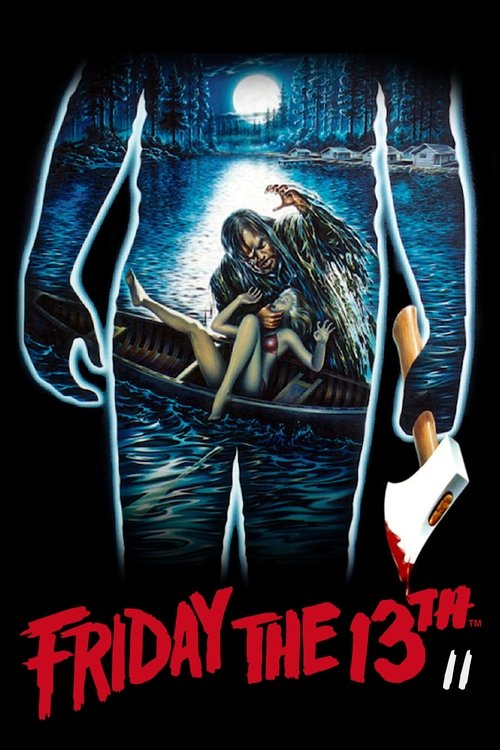
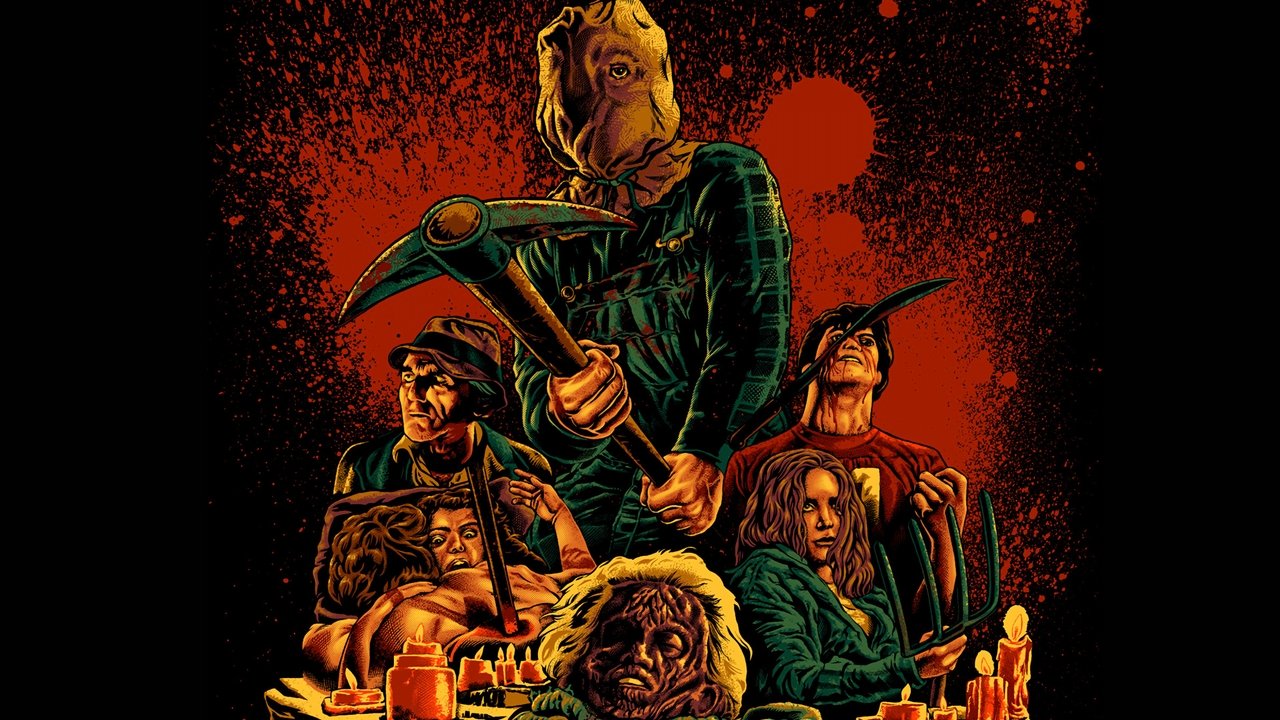
Most people remember Jason Voorhees as the hulking, unstoppable force in a hockey mask. But if you really want to understand why this franchise became a cultural juggernaut, you have to go back to 1981, when Jason was just a frantic, barefoot guy with a burlap sack on his head and a serious case of mother-abandonment issues. I’ll be honest: the burlap sack look is actually much creepier than the hockey mask. There’s something deeply unsettling about that single, wandering eye-hole and the way the fabric clings to his distorted face.
Friday the 13th Part 2 is the rare sequel that doesn't just repeat the original; it improves the formula. While the first film was a whodunit with a "shocker" ending, director Steve Miner (taking over the reins after producing the first one) realized the real star was the ghost story that hadn't happened yet. I recently rewatched this on a humid Tuesday night while drinking lukewarm ginger ale that had lost its fizz two hours prior, and even without the carbonation, the movie’s atmosphere held me captive.
The Sack-Head Slasher Emerges
The movie kicks off with a bold move: a ten-minute prologue that brings back Adrienne King as Alice, the survivor of the first film. It’s a masterclass in subverting expectations. Just as we think we’re settling into a traditional sequel, Steve Miner yanks the rug out from under us, establishing that no one—not even the "Final Girl"—is safe. This set the tone for the 80s slasher boom: the rules were being written in real-time, and they were written in blood.
Once we get to the "new" camp (a counselor training center near the original Crystal Lake), we meet a group of kids who actually feel like human beings. There’s John Furey as Paul, the well-meaning leader, and Russell Todd as Scott, who spends most of his screen time being a nuisance. But the real standout is Amy Steel as Ginny. In a genre often criticized for treating its characters like cattle for the slaughter, Ginny is easily the most intelligent Final Girl of the era. She’s a child psychology major, and her attempt to "psychoanalyze" Jason during the climax is a stroke of narrative genius that elevates this above its "body count" peers.
A Masterclass in the "Rental Store" Vibe
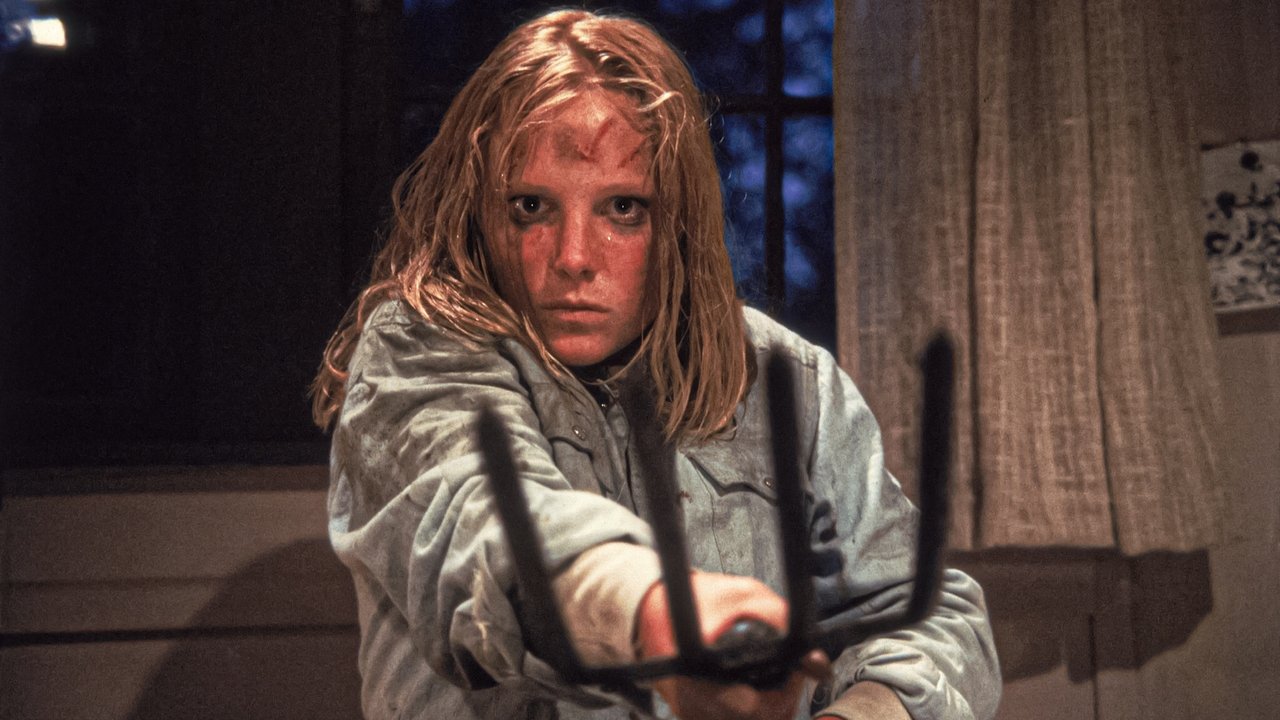
For those of us who grew up in the VHS era, this film has a specific texture. I remember the Paramount home video box art—that looming white silhouette with the "II" in blood-red. It was a staple of the "Horror" section in every mom-and-pop rental store. On a CRT television, the cinematography by Peter Stein takes on a grainy, voyeuristic quality. The way the camera lurks in the foliage, accompanied by Harry Manfredini’s iconic "ki-ki-ki, ma-ma-ma" score, makes the woods feel alive and hostile.
The middle act of the film is where it earns its stripes. While Tom Savini didn't return for the sequel (he reportedly thought the idea of Jason being alive was "silly"), makeup artist Carl Fullerton stepped up to the plate. The kills here are legendary, specifically the "spear through the bunk bed" sequence. It’s a direct homage—or blatant theft, depending on how cynical you are—to Mario Bava’s A Bay of Blood, but it works perfectly here. It’s a miracle this movie didn’t get an X-rating from the MPAA considering how mean-spirited some of these kills feel.
The Practical Magic of the Woods
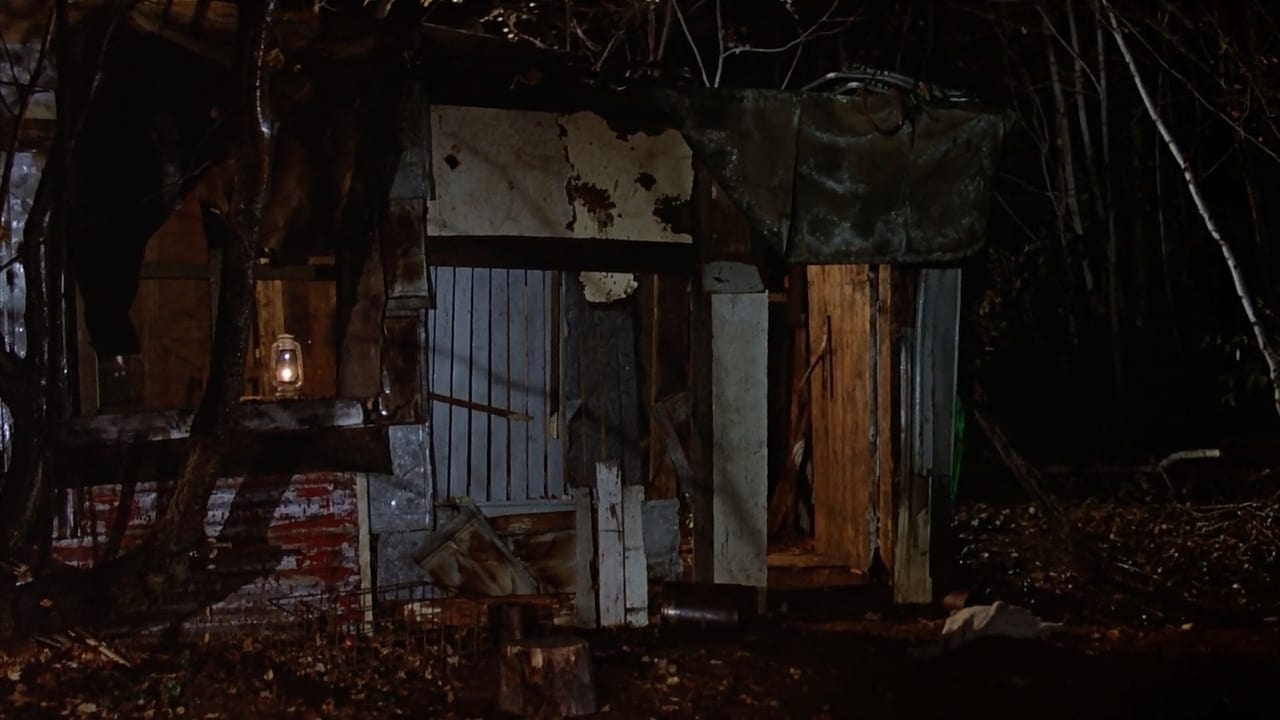
What makes this era of horror so special is the tangible nature of the terror. When Jason crashes through a window or a character trips over a real, muddy root in the Connecticut woods, you feel it. There’s no digital polish to hide behind. The final showdown in Jason’s makeshift shack—which looks like it smells of damp moss and old laundry—is genuinely claustrophobic.
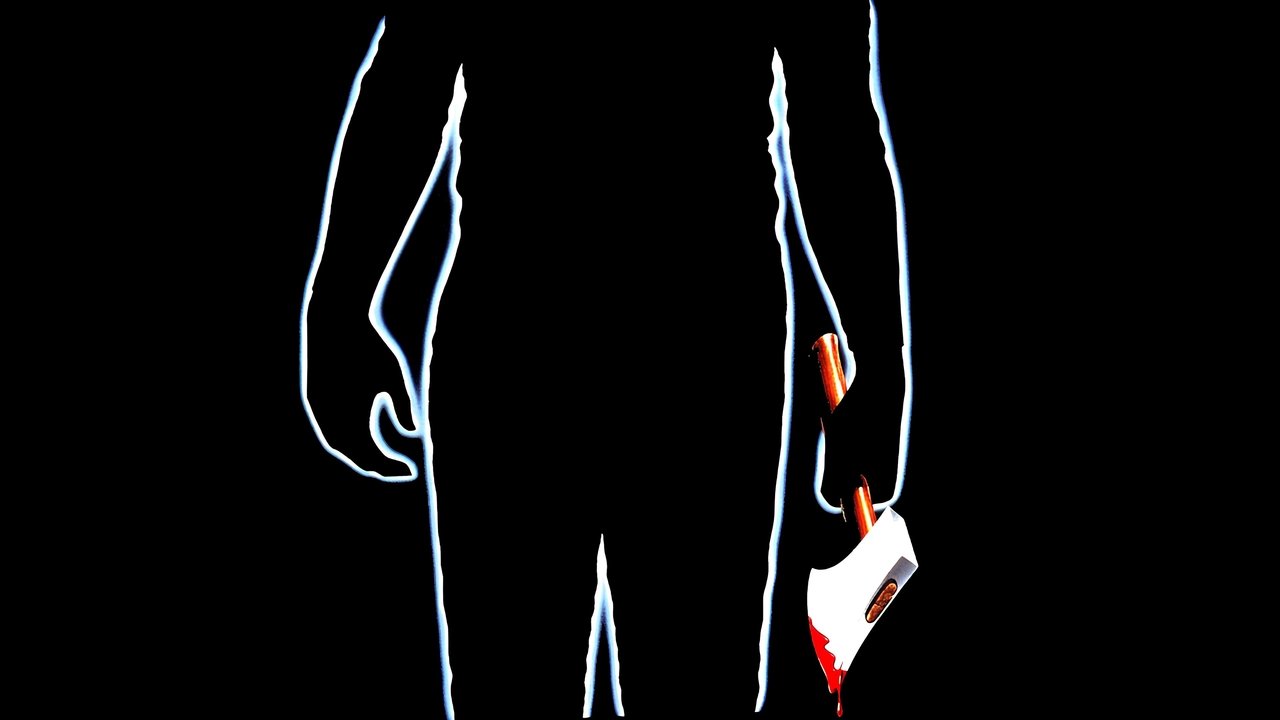
Amy Steel sells the absolute terror of the situation with a grounded performance that anchors the more outlandish elements of the plot. When she puts on Mrs. Voorhees’ old, crusty sweater to trick Jason, it’s both ridiculous and terrifying. You can see the gears turning in her head; she’s not just running; she’s playing a deadly game of chess with a man-child who has a machete. It’s a testament to the script by Ron Kurz that the film manages to give Jason a shred of pathos without making him any less of a monster.
By the time the credits roll, you realize that Part 2 is the true blueprint for the franchise. It established the "unstoppable killer in the woods" trope while still maintaining the grit of 70s cinema. It’s a bridge between the artistic cynicism of the New Hollywood era and the high-concept spectacle of the 80s.
While it lacks the "it was the mother!" twist of the original, Friday the 13th Part 2 is a superior piece of filmmaking. It’s better paced, better acted, and features a Jason who feels like a wild animal rather than a supernatural zombie. If you’ve only ever seen the later sequels where Jason goes to Manhattan or space, do yourself a favor: go back to the woods, find a grainy copy, and see where the nightmare truly began. Just don't go into the shack.
By the way, if you see Ted (Stuart Charno) at the bar, tell him to stay there. He’s the only one with enough sense to avoid the third act, and honestly, I’ve always respected him for that.
Keep Exploring...
-
Friday the 13th Part III
1982
-
Friday the 13th: The Final Chapter
1984
-
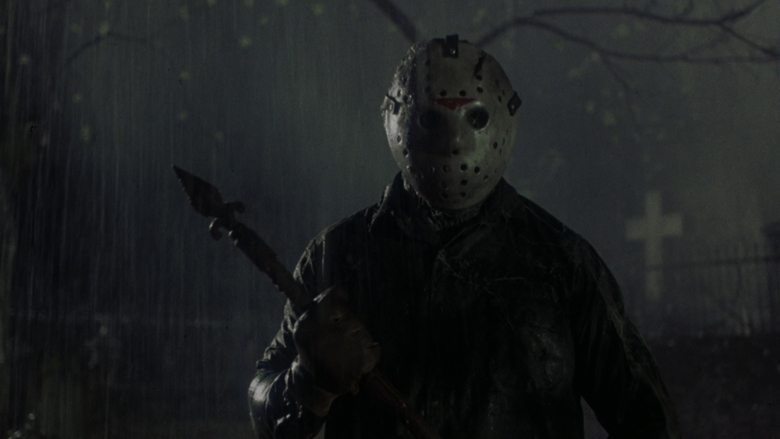
Friday the 13th Part VI: Jason Lives
1986
-
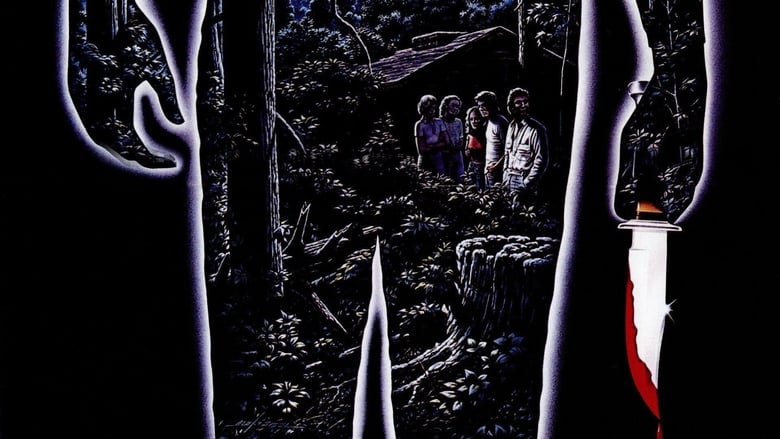
Friday the 13th
1980
-
Dressed to Kill
1980
-

Cujo
1983
-
The Dead Zone
1983
-
Manhunter
1986
-
The Hitcher
1986
-
Halloween H20: 20 Years Later
1998
-
Lake Placid
1999
-
Freddy vs. Jason
2003
-
Frenzy
1972
-

The Hills Have Eyes
1977
-
Halloween II
1981
-
Children of the Corn
1984
-
A Nightmare on Elm Street 4: The Dream Master
1988
-

The 'Burbs
1989
-
Jaws 2
1978
-
Phenomena
1985