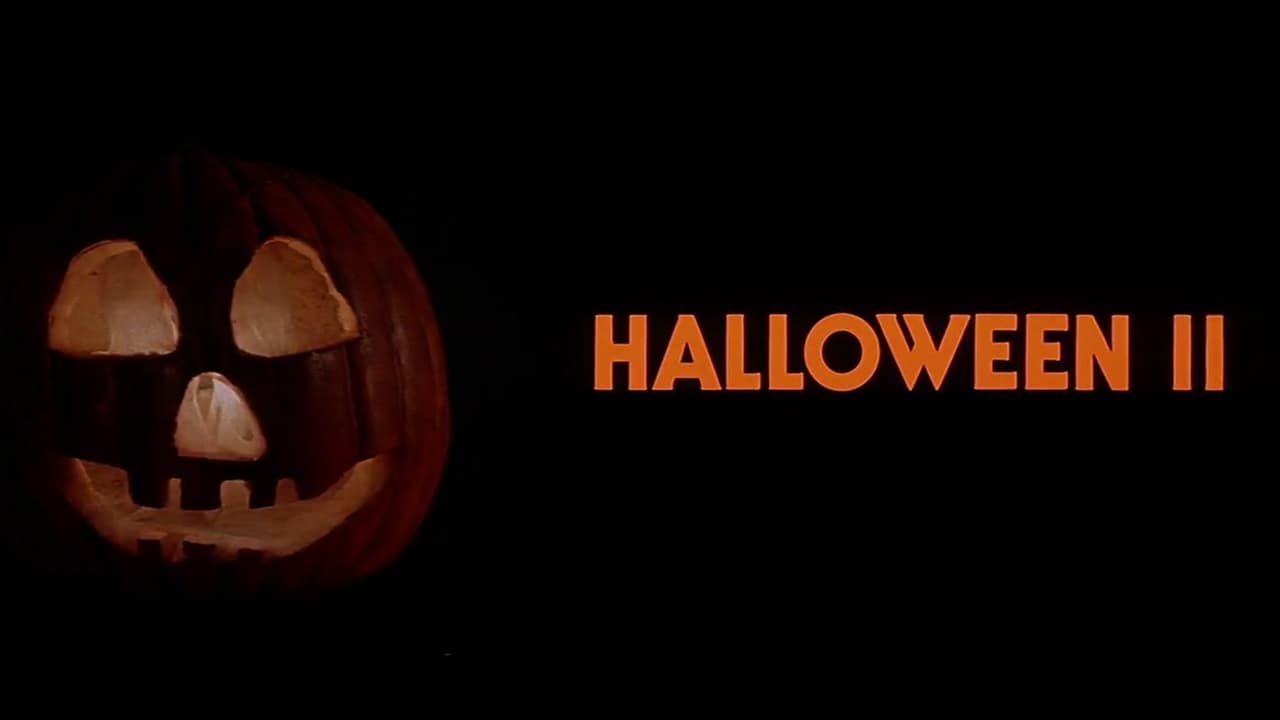
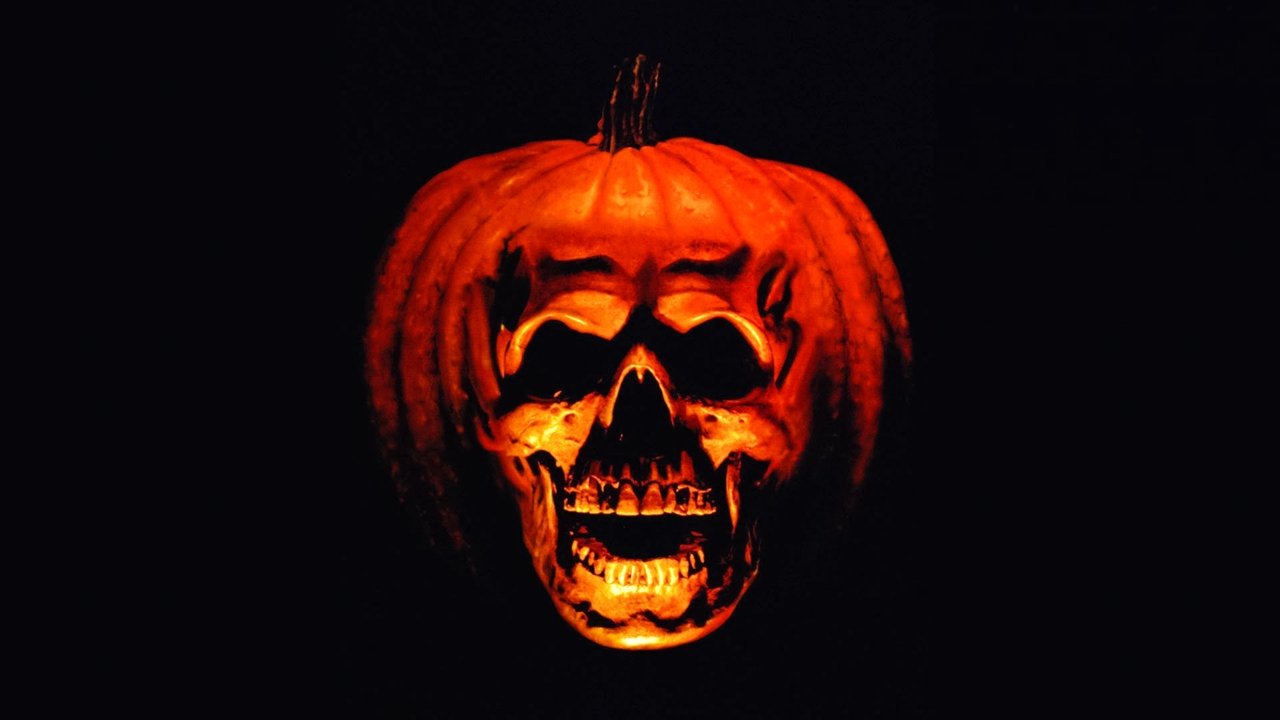
Halloween II
"The nightmare didn't end at the curb."
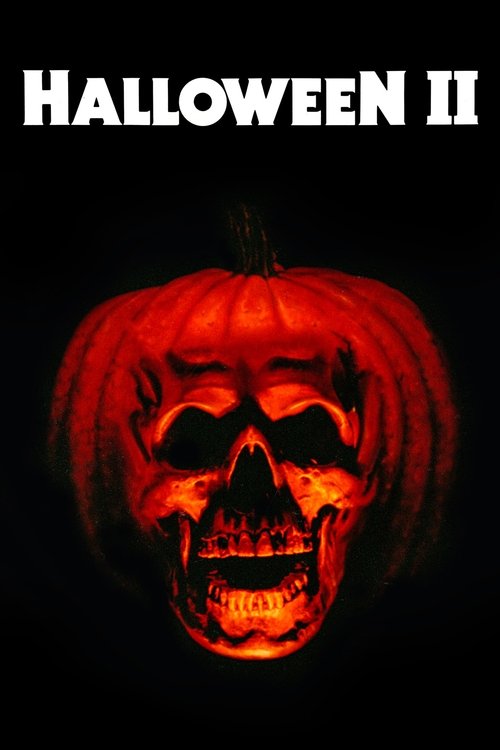
The transition from the final frame of the 1978 original to the opening of Halloween II is one of the most seamless hand-offs in horror history. We aren't jumping ahead a year or even a week; we are still on the same blood-slicked night in Haddonfield. As Donald Pleasence bellows about shooting Michael Myers six times, the camera pans over that infamous balcony to reveal… nothing. The Shape is gone. This sequel doesn't just invite us back; it holds us hostage in the same timeline, refusing to let the sun rise on Laurie Strode’s trauma.
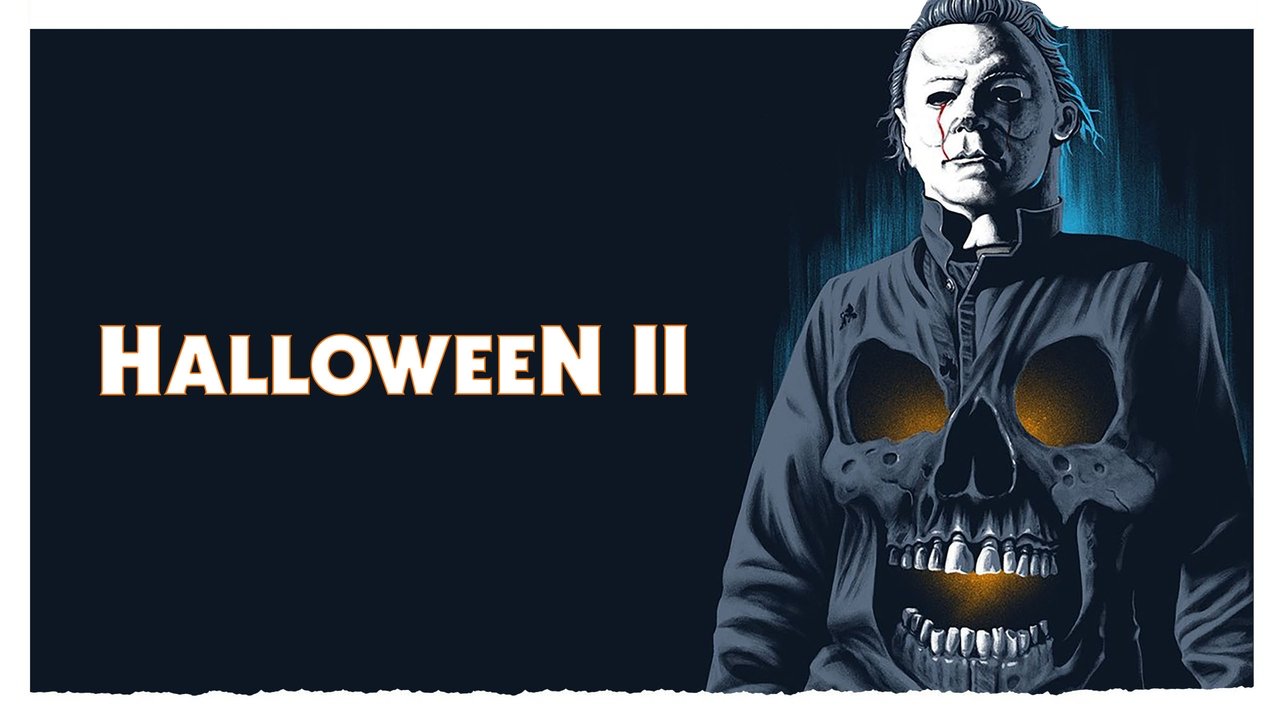
I watched this most recent viewing while nursing a cup of peppermint tea that I’d accidentally over-steeped until it tasted like a liquified candy cane, and honestly, that bitter sweetness felt like the perfect accompaniment to a movie that tries so hard to be "more" of everything its predecessor was. It’s a film caught between the artful restraint of the 70s and the burgeoning blood-lust of the 80s slasher boom.
The Clinical Coldness of Haddonfield Memorial
While the first film was all about the encroaching shadows of suburbia, Rick Rosenthal (stepping in for John Carpenter, though Carpenter’s fingerprints are all over the final edit) moves the action to Haddonfield Memorial Hospital. It is, without a doubt, the most poorly lit medical facility in the history of the United States. Dean Cundey returns as the director of photography, and he brings that same "Panaglide" wizardry that made the first film feel so fluid.
The hospital setting is a stroke of genius for a low-budget production. Those endless, sterile hallways and heavy swinging doors create a natural labyrinth. On an old VHS tape—the way I first experienced this—the dark corridors were so muddy and pitch-black that Michael Myers didn't just step out of the shadows; he seemed to materialize out of the literal grain of the film. It made the hospital feel less like a place of healing and more like a tomb. The decision to make the hospital almost entirely empty is a bit of a logic stretch, but it works wonders for the dread. You can practically hear the hum of the fluorescent lights as Laurie, played again by a resilient but largely bedridden Jamie Lee Curtis, tries to drag herself to safety.
The Slasher Evolution
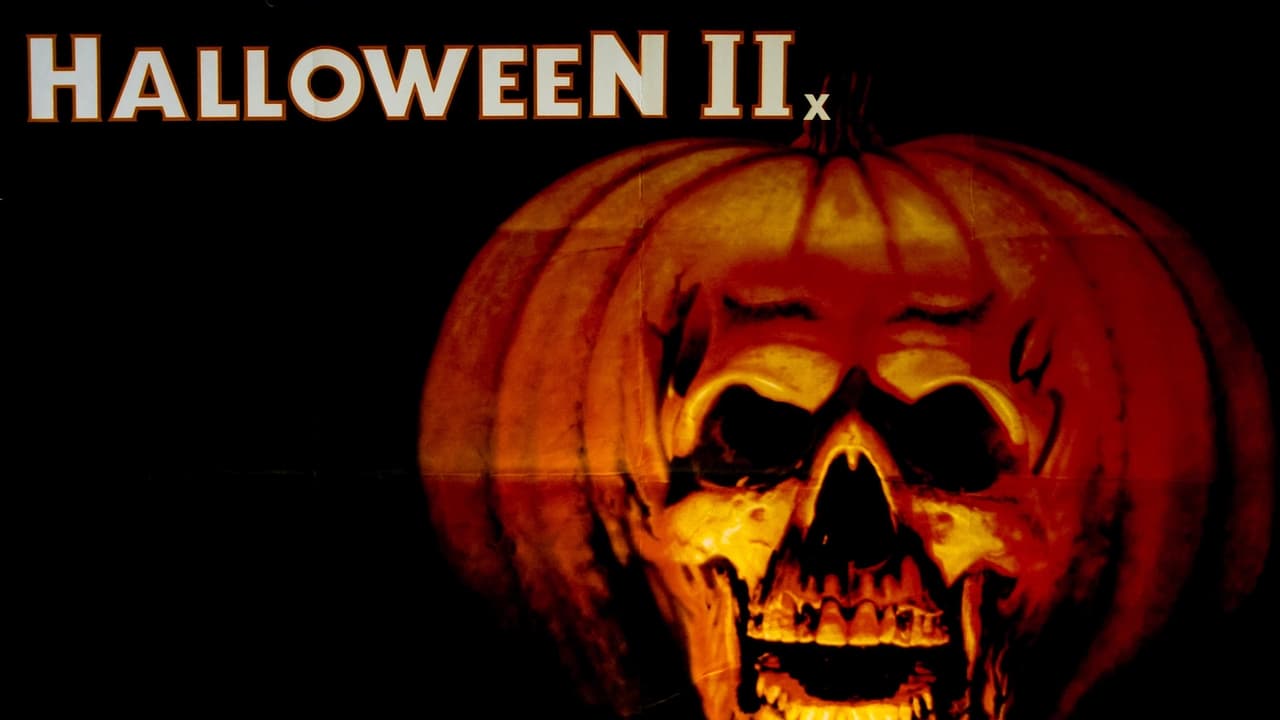
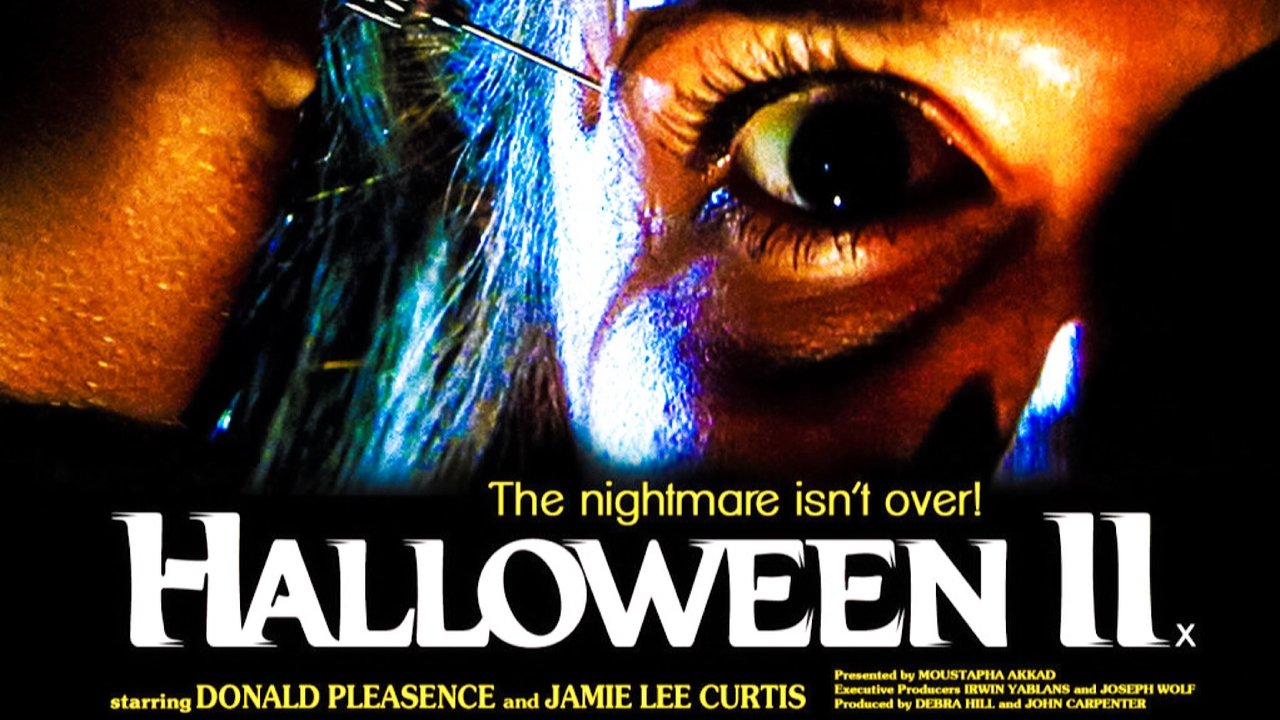
By 1981, the rules of the game had changed. Friday the 13th had arrived a year earlier, upping the ante for "creative" kills. You can feel the pressure on John Carpenter and Debra Hill as they wrote the script; they knew they couldn't just rely on heavy breathing and POV shots anymore. Consequently, Halloween II is significantly meaner than the original. We get the infamous "hot tub" scene and a needle to the eye that still makes me squirm.
Donald Pleasence is the MVP here, leaning fully into the manic energy of Dr. Sam Loomis. He’s no longer just a concerned doctor; he’s a prophet of doom with a snub-nosed revolver. His performance provides the operatic weight that keeps the movie from feeling like a standard body-count flick. On the flip side, Jamie Lee Curtis is hampered by a wig that looks like it was rescued from a dumpster and a script that keeps her drugged and immobile for sixty minutes. It’s a frustrating shift for the ultimate Final Girl, but her sheer screen presence manages to carry the character’s terror through.
Stuff You Didn't Notice
There is a gritty, almost desperate energy to the production trivia of this film. John Carpenter famously disliked the idea of a sequel and admitted to drinking a lot of Budweiser to get through the writing process. That might explain the "sister" twist—a plot point that remains controversial among purists but essentially provided the narrative fuel for the next forty years of the franchise.
Then there’s the man behind the mask. While Nick Castle gave the original Michael a ghostly, ethereal grace, stuntman Dick Warlock brings a more robotic, unstoppable force to the role. Michael Myers walking through a reinforced glass door without flinching is the peak of 80s slasher logic, and Warlock sells it with every stiff-shouldered step. Behind the scenes, the production saved money by using a real, decommissioned hospital, which added an authentic layer of decay that no soundstage could replicate. The score, also updated by Carpenter and Alan Howarth, swaps the thin, haunting piano of the original for a deeper, gothic synth sound that feels like a funeral march.
Halloween II is the ultimate "more of the same" sequel, but when the "same" is one of the greatest horror films ever made, that’s hardly a tragedy. It lacks the surgical precision of the 1978 masterpiece, trading suspense for gore and logic for spectacle, but it remains one of the most atmospheric entries in the entire series. It’s the perfect late-night watch for when you want the comfort of a slasher but the pedigree of a New Hollywood production. If you can ignore the wig and the questionable hospital staffing, it’s a terrifyingly good time.
Keep Exploring...
-

Halloween
1978
-

Halloween 4: The Return of Michael Myers
1988
-
Halloween H20: 20 Years Later
1998
-

Halloween
2018
-
Halloween Kills
2021
-
Halloween Ends
2022
-
Phenomena
1985
-
Assault on Precinct 13
1976
-
Carrie
1976
-

The Hills Have Eyes
1977
-
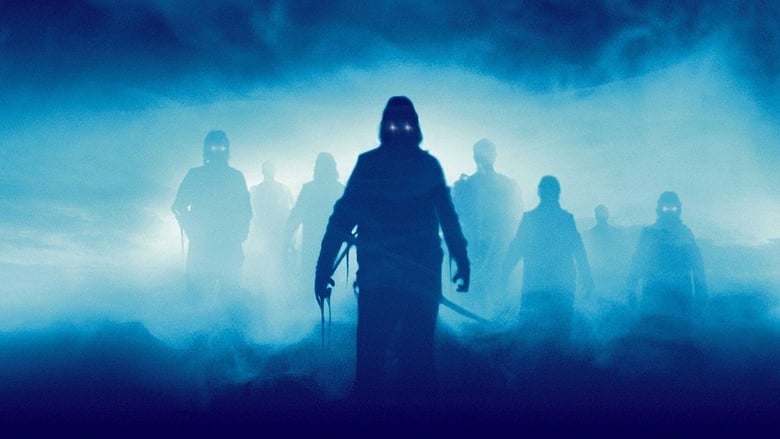
The Fog
1980
-
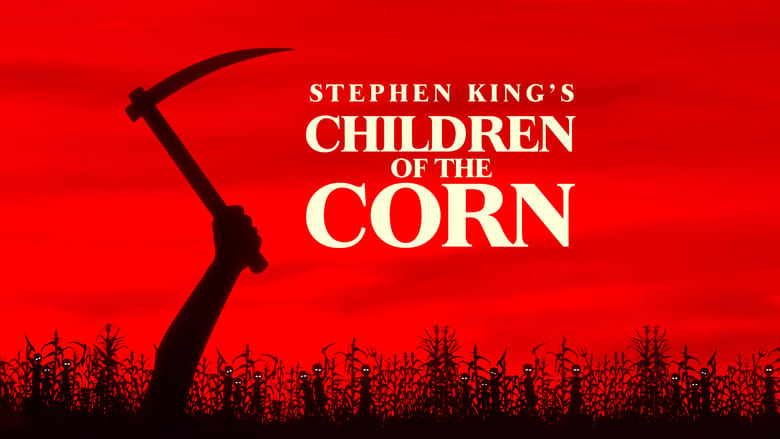
Children of the Corn
1984
-
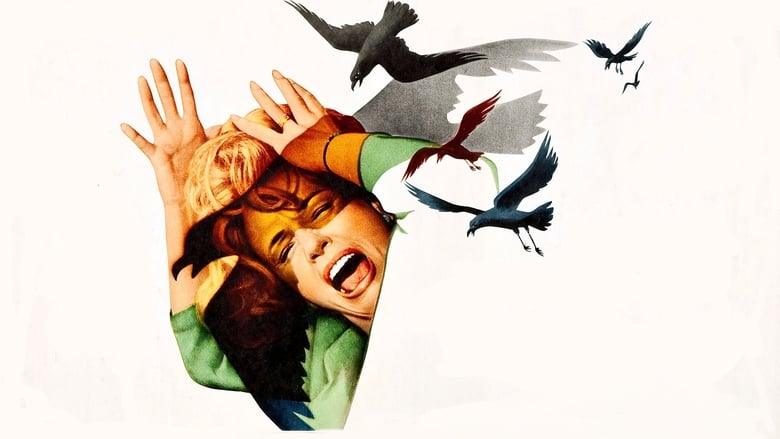
The Birds
1963
-
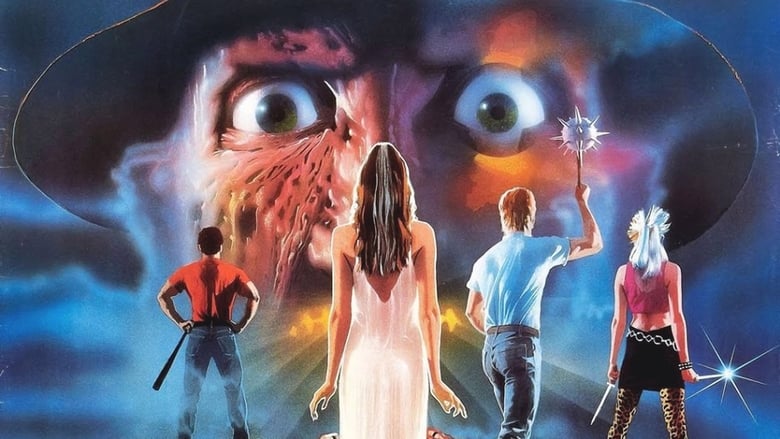
A Nightmare on Elm Street 3: Dream Warriors
1987
-
Hellbound: Hellraiser II
1988
-
Jaws 2
1978
-
Peeping Tom
1960
-

Repulsion
1965
-
Don't Look Now
1973
-
The Omen
1976