History of the World: Part I
"Big wigs, bigger gags, and zero sacred cows."
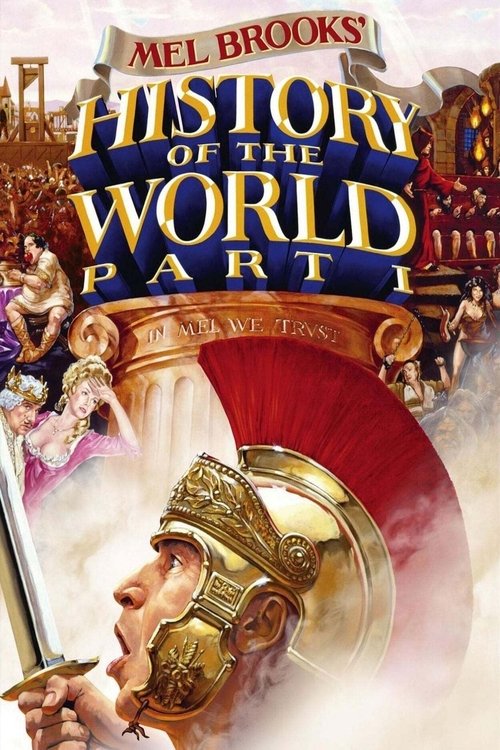
I watched this movie on a Tuesday night while my neighbor was very loudly practicing the tuba, and honestly, the brassy, slightly off-key "umpahs" filtering through the wall added a certain regal absurdity to the Roman Empire scenes that I think Mel Brooks would have appreciated. It felt right. History of the World: Part I is a film that demands a certain level of chaotic domesticity to truly land. It’s not a prestige historical drama; it’s a high-budget vaudeville revue that happens to have the keys to the 20th Century Fox wardrobe department.
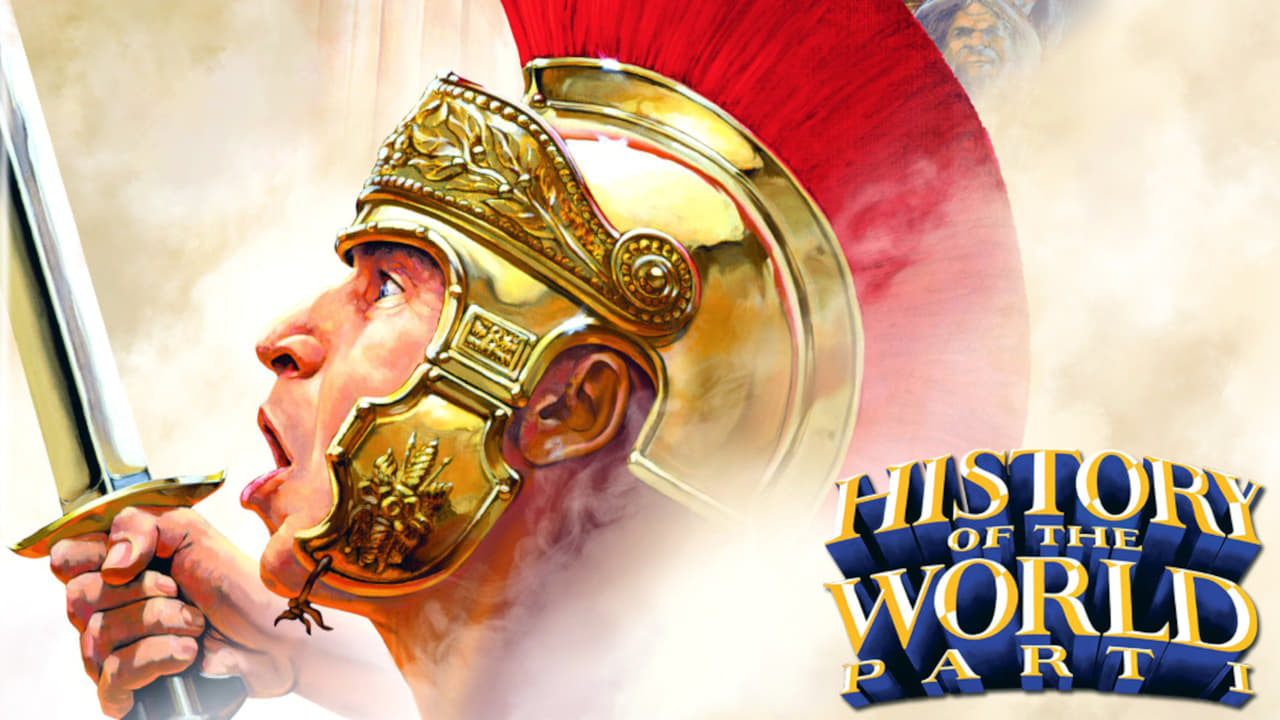
By 1981, Mel Brooks was already a comedy deity. He’d survived the 70s as a king of parody, but History of the World felt like he was finally letting his hair down—or, in the case of the French Revolution segment, putting on a powdered wig and refusing to take it off. This isn't a cohesive narrative; it’s a series of sketches that prove Brooks is less interested in "the truth" than he is in a well-timed fart joke or a musical number about the Spanish Inquisition.
A Vaudeville Revue in Togas and Wigs
The film kicks off with an "Age of Man" sequence narrated by Orson Welles, which is the ultimate flex. Only Brooks could get the voice of Citizen Kane to describe cavemen discovering fire, art, and—inevitably—critics. From there, we sprint through the Old Testament, the Roman Empire, the Spanish Inquisition, and the French Revolution.
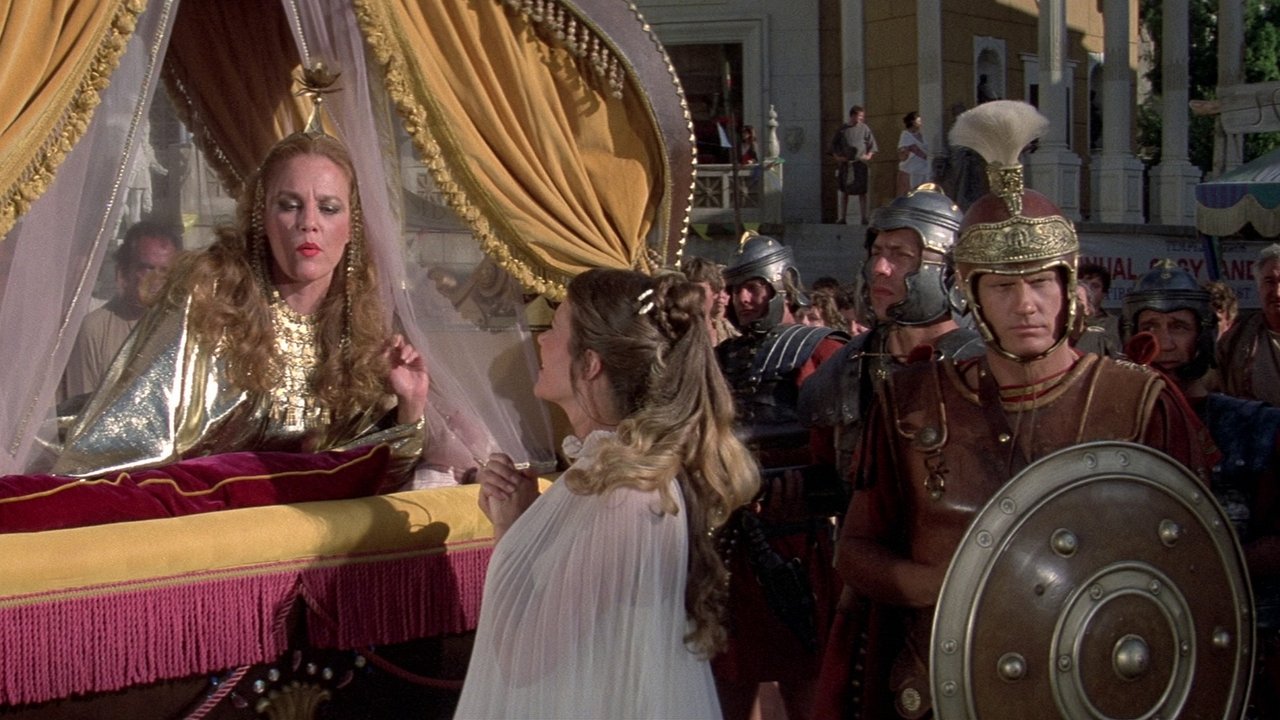
The Roman sequence is where the film really finds its rhythm. Mel Brooks stars as Comicus, a "stand-up philosopher" (a job title I’m still trying to put on my tax returns) who gets a gig at Caesar’s Palace. It’s here we see the incredible chemistry between Brooks and Dom DeLuise, who plays a gluttonous, sweaty Emperor Nero. DeLuise doesn't just act; he consumes the scenery, the props, and several trays of grapes. Watching them trade barbs alongside Madeline Kahn’s Empress Nympho—who delivers every line with a sultry, vibrato-laden precision—reminded me why this era of comedy felt so much more "alive" than the polished, edited-to-death sitcoms we get now. There’s a loose, improvisational energy here, like the actors are constantly on the verge of breaking character.
The Practical Magic of the Inquisition
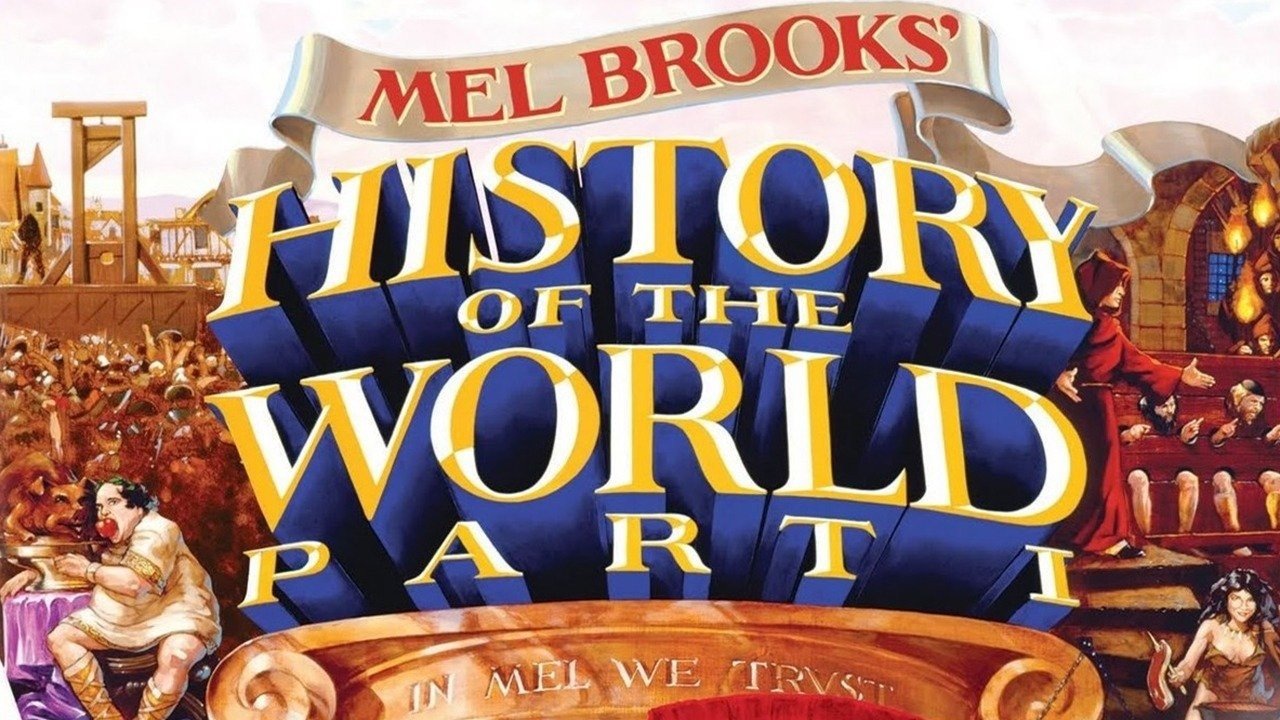
One thing that really struck me during this rewatch was the scale. In the 80s, if you wanted a synchronized swimming routine for a joke about religious torture, you didn't click a mouse; you built a massive, ornate set and filled it with water. The "Spanish Inquisition" musical number is the film's peak. Mel Brooks as Torquemada, sliding down a banister and launching into a Busby Berkeley-style dance routine, is a marvel of practical production.
The makeup work is equally impressive. Brooks plays half a dozen roles, and while the "disguises" are intentionally flimsy for comedic effect, the actual craft involved in transforming the cast into French aristocrats or biblical figures is top-tier. Cloris Leachman is almost unrecognizable as the haggard, revolutionary Madame Defarge, and Harvey Korman as Count de Monet (repeatedly mistaken for "Count de Money") wears his velvet and lace with the weary dignity of a man who knows he’s in a ridiculous movie but is determined to be the best-dressed person in it.
The VHS Legacy of the "Part II" Lie
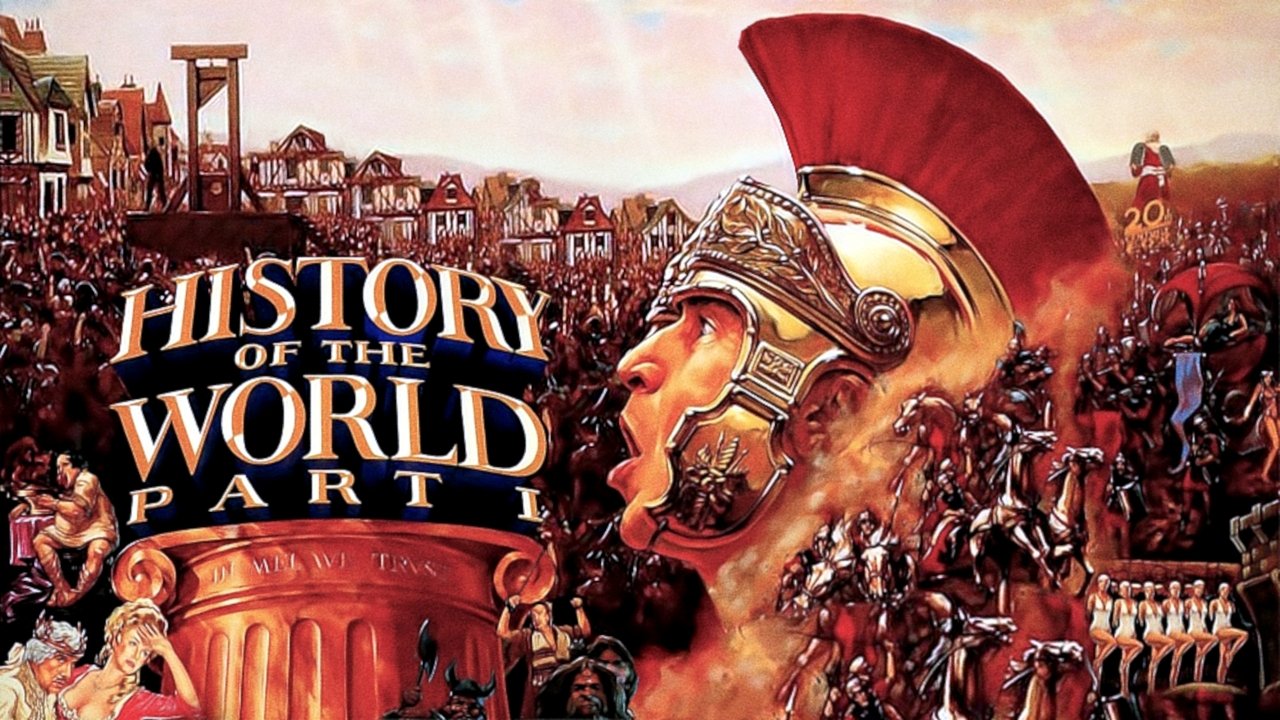
I first encountered this film on a rental tape with that iconic cover art—the stone tablets and the Roman columns. For years, the "Part II" in the title was one of the greatest trolls in cinema history. The film ends with a "coming attractions" teaser featuring "Vikings on Ice" and "Jews in Space." As a kid, I spent an embarrassing amount of time checking the 'B' section of the local video store for a sequel that didn't exist. The joke, of course, was that there never would be a Part II (until a recent TV series decades later), referencing Sir Walter Raleigh’s unfinished History of the World written while he was in prison.
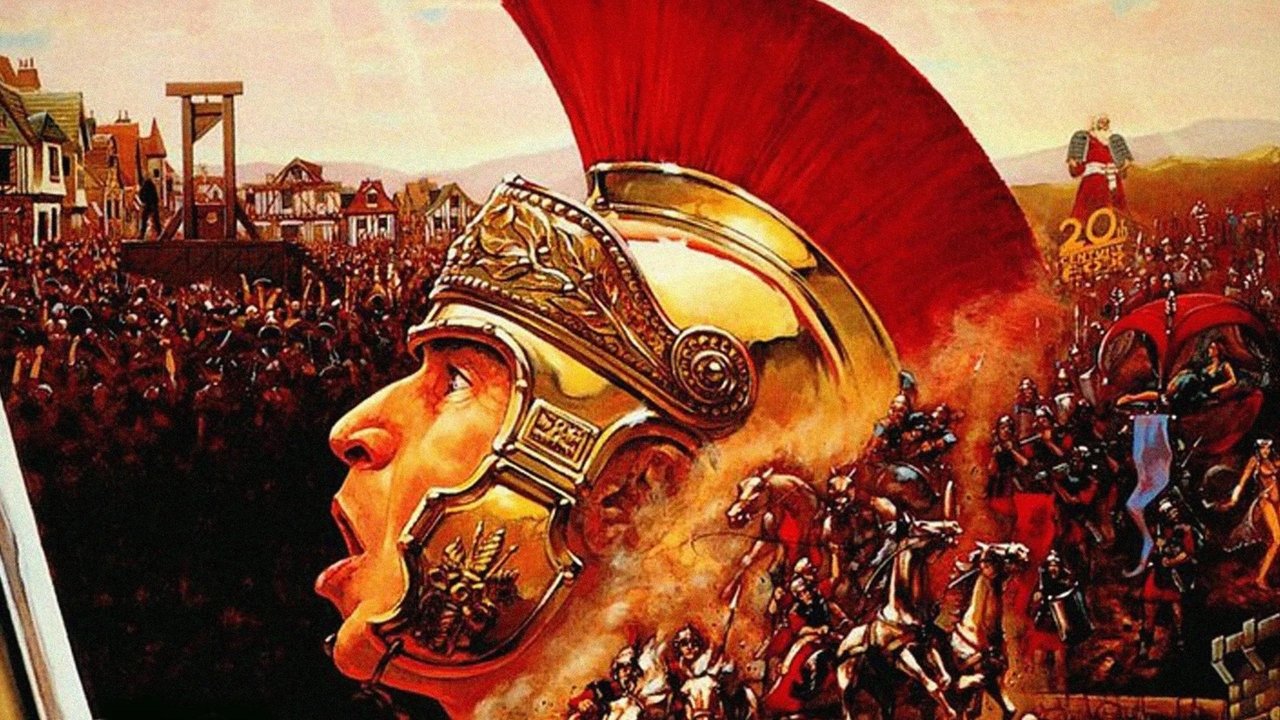
The film has slipped into a strange sort of obscurity compared to Blazing Saddles. It’s often dismissed as "lesser Brooks" because it’s an anthology, and anthologies are notoriously hit-or-miss. The French Revolution segment, while funny, drags a bit compared to the lightning-fast Roman gags. However, the film's "hit" ratio is surprisingly high if you’re a fan of Brooks’ specific brand of Jewish-vaudeville-meets-anarchy. Mel Brooks is the only man alive who could turn religious persecution into a synchronized swimming routine and make it feel wholesome.
It’s easy to look back and say some of the jokes are dated—the sexual humor is very much a product of 1981—but the heart of the film is a joyous middle finger to authority. Whether he’s playing Moses dropping the third tablet (containing the "other five" commandments) or a bored King Louis XVI using peasants as clay pigeons, Brooks is fundamentally interested in mocking the powerful. It’s a messy, loud, and frequently brilliant collection of bits that reminds us that history is mostly just a series of people in funny hats making terrible decisions. If you haven't revisited this one since the days of tracking-adjustments and rewinding, it's time to go back. Even without a tuba playing next door, it’s a riot.
Keep Exploring...
-
Spaceballs
1987
-
Blazing Saddles
1974
-
The Producers
1968
-
Dracula: Dead and Loving It
1995
-
Young Frankenstein
1974
-
Splash
1984
-
Clue
1985
-

Caddyshack
1980
-
Stripes
1981
-
48 Hrs.
1982
-

Airplane II: The Sequel
1982
-
Creepshow
1982
-
National Lampoon's Vacation
1983
-

Risky Business
1983
-
Zelig
1983
-

Romancing the Stone
1984
-
Cocoon
1985
-

Fright Night
1985
-
Ladyhawke
1985
-
National Lampoon's European Vacation
1985