Mad Max 2
"Fuel is life. The road is death."

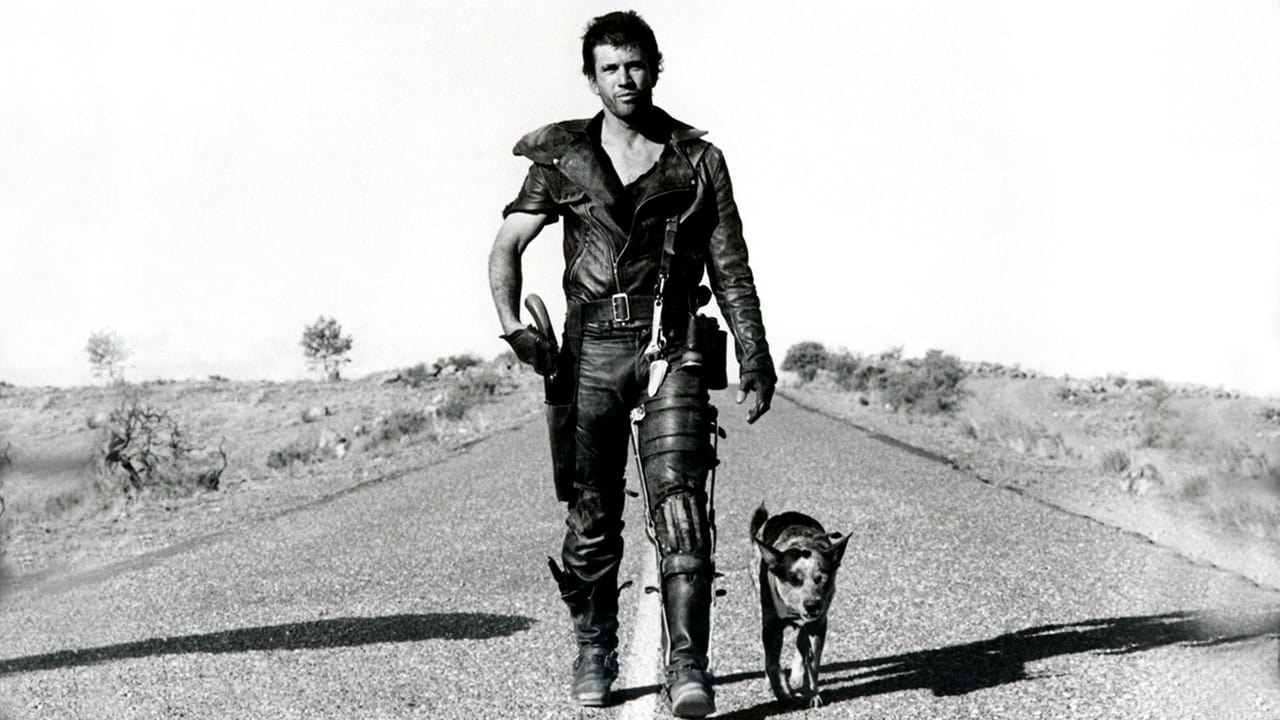
The first time I encountered Mad Max 2—or The Road Warrior, as the worn-out cardboard sleeve at my local "Mom and Pop" video shop called it—I was mostly struck by the sheer, unwashed desperation of it all. I watched it on a flickering CRT television while a persistent housefly kept landing on the corner of the screen, and honestly, the fly felt like part of the production design. There is a grit to this film that transcends the medium. It doesn’t just show you a wasteland; it gets under your fingernails.
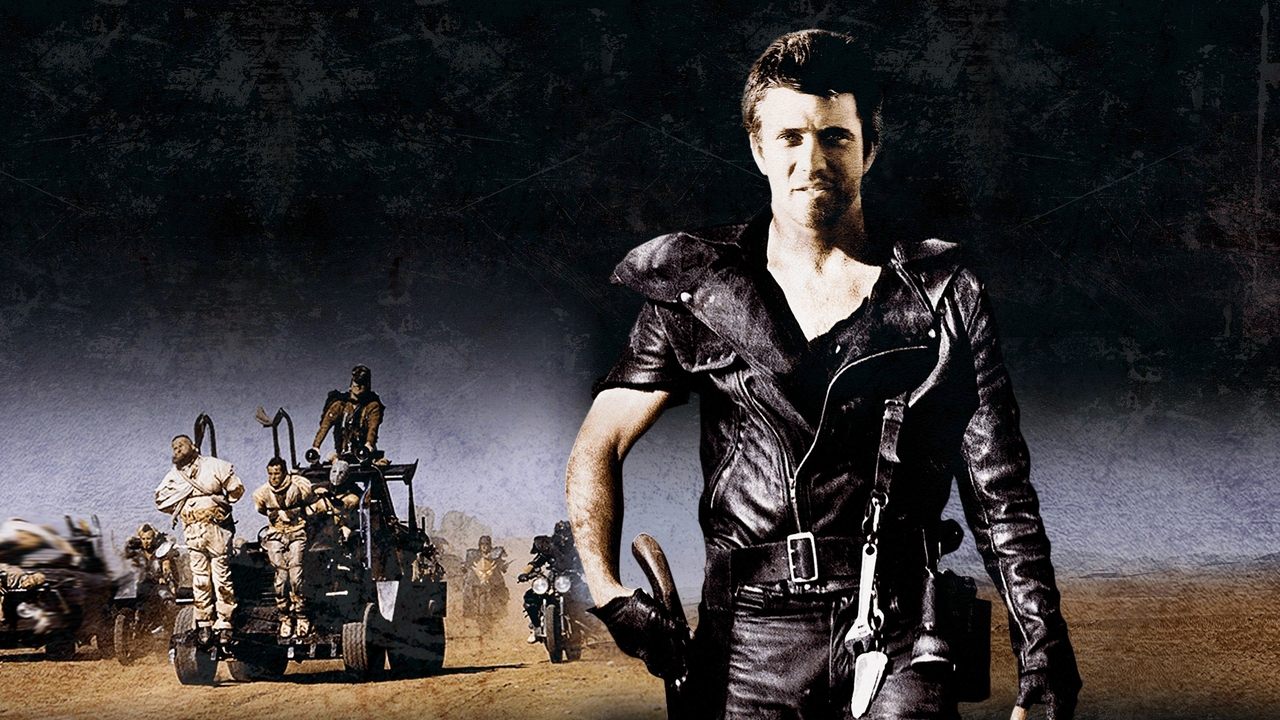
Director George Miller (who eventually gave us the equally bonkers Fury Road) took the modest success of the first Mad Max and pivoted hard. While the 1979 original was a tragic, low-budget police thriller, the sequel is an operatic Western on wheels. It’s the moment the franchise stopped being about a man losing his family and started being about a world losing its soul. For my money, this is the precise point where the post-apocalyptic genre was born and immediately perfected.
The Ayatollah of Rock 'n' Rolla
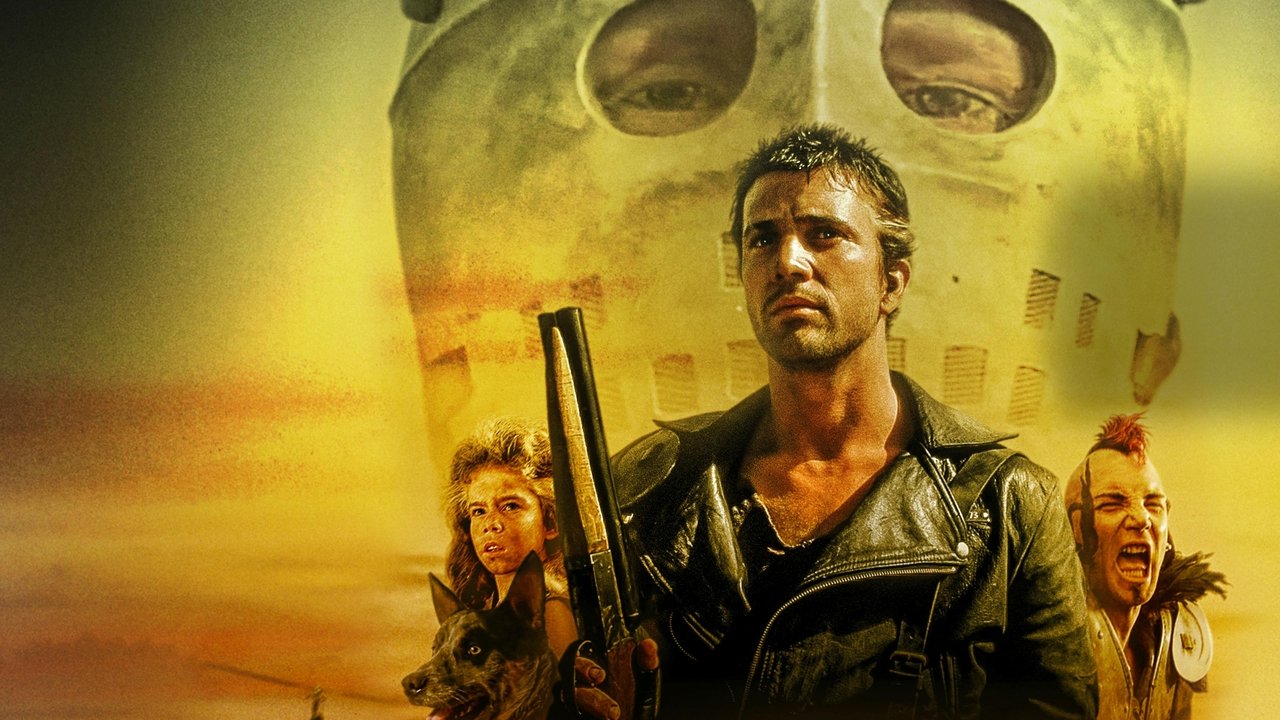
The setup is lean enough to fit on a matchbook. Max (Mel Gibson), now a scavenging shell of a human, stumbles upon a small community of "good" people guarding an oil refinery. They are besieged by a gang of leather-clad psychos led by the terrifying, hockey-masked Lord Humungus (Kjell Nilsson). Max doesn’t help because he’s a hero; he helps because he wants the "juice"—the gasoline that keeps his V8 Interceptor screaming.
What’s fascinating about this era of filmmaking is how Miller utilizes the "New Hollywood" sensibility—dark, cynical, and uncompromising—but wraps it in the package of a high-octane blockbuster. Mel Gibson says maybe twenty words in the whole movie, yet his performance is legendary. He’s all eyes and twitchy reflexes. But the real stars are the villains. Vernon Wells as Wez is a force of pure, unbridled id. With his mohawk and screeching fury, he represented every nightmare I had about the 1980s collapsing into tribal warfare.
A Masterclass in Twisted Metal
We need to talk about the stunts, because nothing in the era of CGI can touch the bone-shaking reality of this film’s final thirty minutes. This wasn't a studio-backed production with infinite safety nets; this was a $2 million indie gem shot in the middle of the Australian outback with a crew that was clearly comfortable with a high degree of risk. When you see a motorcycle rider clip a car and flip through the air, you aren't looking at a digital double. You're looking at a stuntman who genuinely might have needed a hospital visit.
The cinematography by Dean Semler (who later shot Dances with Wolves) captures the heat and the speed with a clarity that puts modern "shaky-cam" to shame. You always know where every car is, who is dying, and exactly how much metal is being twisted. The editing is breathless, yet legible. It’s a rhythmic, percussive experience that feels like a heavy metal drum solo translated into film. I’ve probably watched the final tanker chase fifty times, and I still find myself leaning into the turns.
The VHS Legacy of the Wasteland
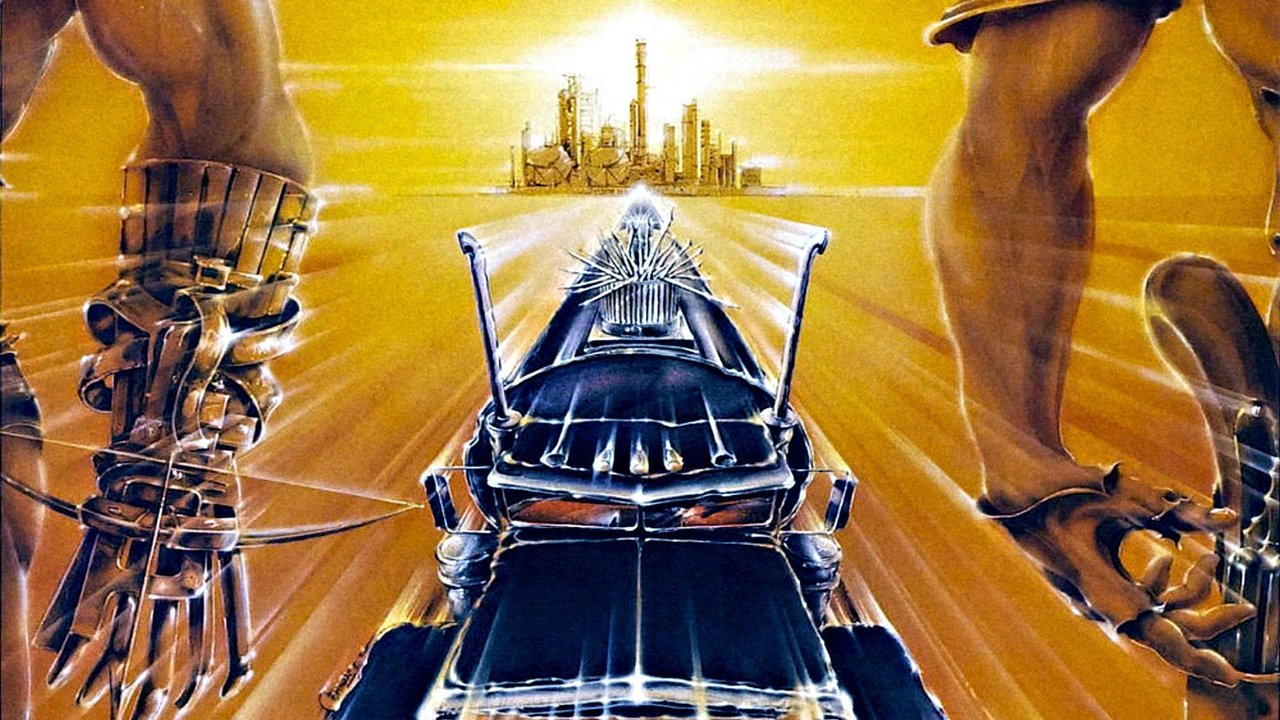
In the 1980s, Mad Max 2 was the king of the rental shelf. The cover art promised a world of spiked armor and desert buggies, and for once, the movie actually delivered more than the box suggested. It felt like a "midnight movie" that somehow escaped into the mainstream. It’s a film that benefited from the slightly fuzzy, high-contrast look of a well-loved VHS tape; the darkness felt deeper, and the fire of the explosions felt hotter.
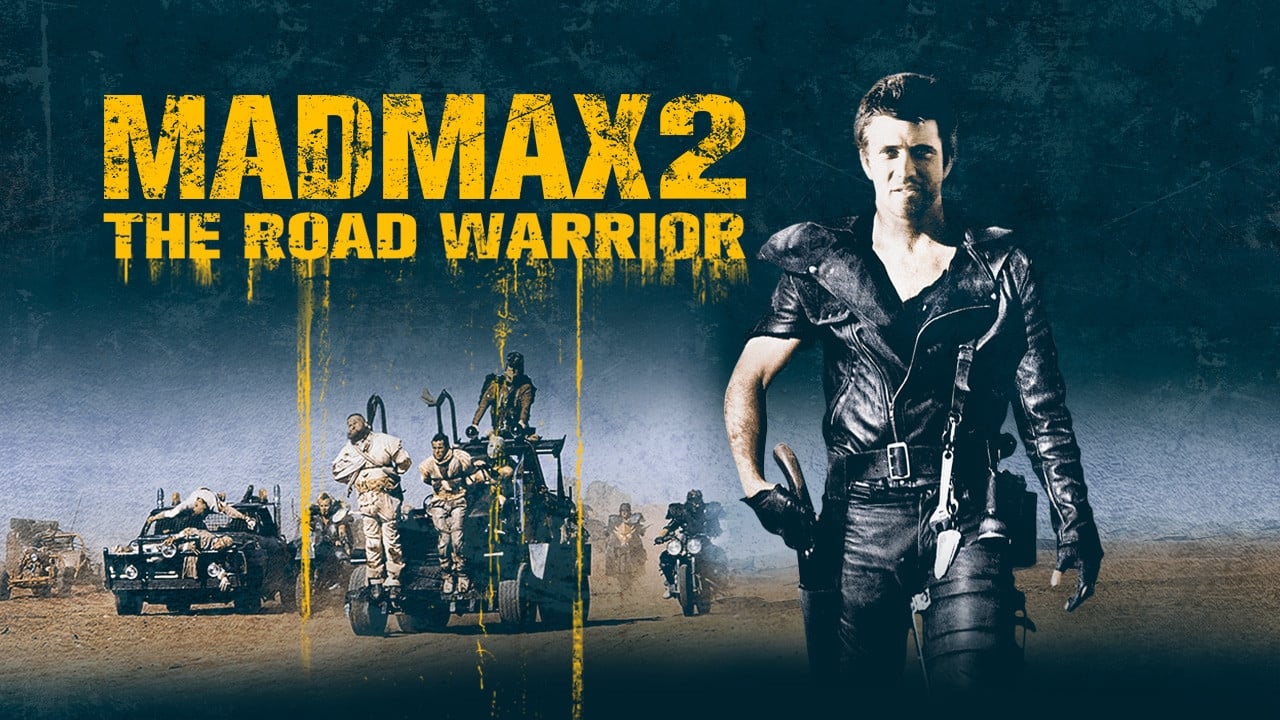
Miller’s vision was independent in spirit, fueled by the "Kennedy Miller" production engine that knew how to make a dollar look like a hundred. They repurposed scrap metal, used real locations, and leaned into the practical effects golden age to create a world that felt lived-in and decayed. There’s a specific texture to the costumes—a mix of sporting goods gear and BDSM leather—that defined the "look" of the apocalypse for every movie, comic book, and video game that followed. If you’ve ever played Fallout or seen a punk band in the last forty years, you owe a debt to this movie's aesthetic.
Ultimately, Mad Max 2 works because it understands that action is a form of storytelling. Every gear shift and every harpoon fired tells us something about the desperation of these characters. It’s a grim, beautiful, and relentlessly intense piece of cinema that proves you don't need a massive budget to create a myth. Whether you’re watching it on a high-def stream or a grainy old tape you found in a garage sale, the roar of that engines remains just as deafening. Max might be a man of few words, but his world speaks volumes about the fragility of civilization.
Keep Exploring...
-
Mad Max
1979
-
Mad Max Beyond Thunderdome
1985
-
Mad Max: Fury Road
2015
-

Furiosa: A Mad Max Saga
2024
-

Star Trek II: The Wrath of Khan
1982
-

Predator
1987
-
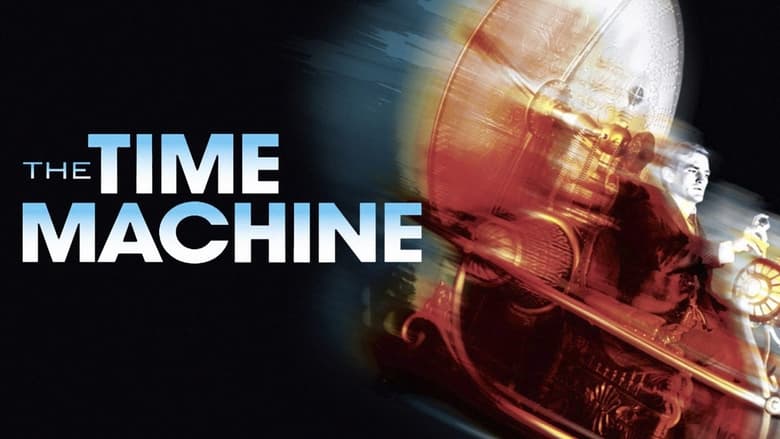
The Time Machine
1960
-
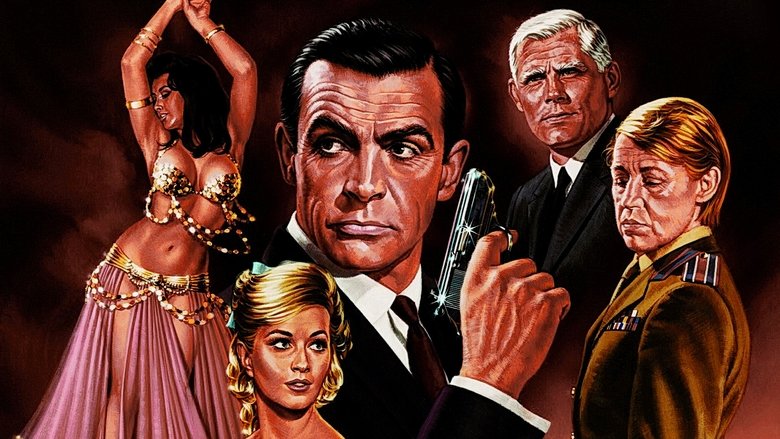
From Russia with Love
1963
-

They Live
1988
-
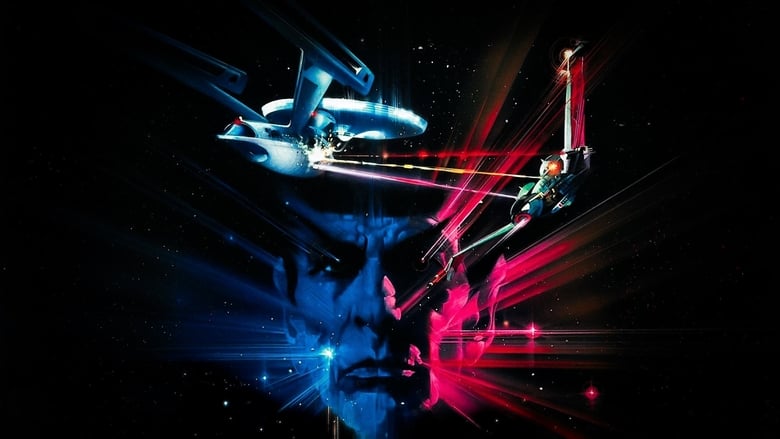
Star Trek III: The Search for Spock
1984
-
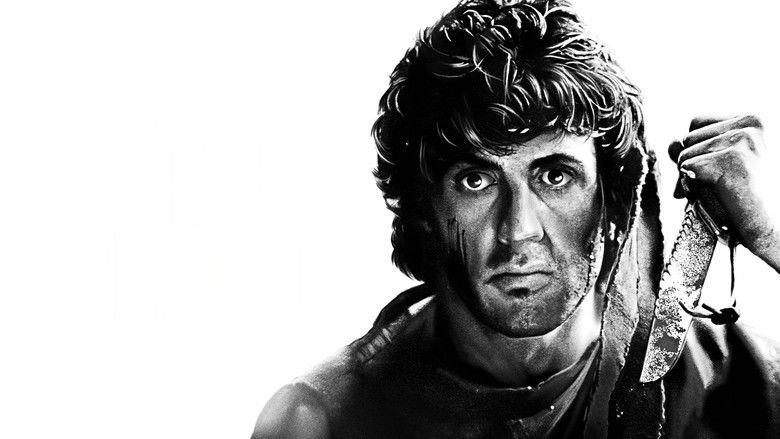
First Blood
1982
-
The Terminator
1984
-
Aliens
1986
-
Assault on Precinct 13
1976
-

Goldfinger
1964
-
Dr. No
1962
-
RoboCop
1987
-
Lethal Weapon 2
1989
-
The Abyss
1989
-
Dirty Harry
1971