Possession
"Love is a parasite that refuses to die."

Imagine a film that feels like it’s being screamed directly into your face for two hours, and by the time the credits roll, you’re not sure if you should call a therapist or an exorcist. That is the essence of Andrzej Żuławski’s 1981 masterpiece Possession. It arrived at a weird crossroads in cinema history—a time when the high-art European sensibilities of the 70s were crashing head-on into the gooey, practical effects-heavy body horror of the early 80s. I first watched this on a laptop with a cracked screen while sitting in a fluorescent-lit laundromat, and honestly, the smell of industrial detergent and the rattling of the dryers only added to the film's suffocating, antiseptic dread.
The Most Violent Divorce Ever Filmed
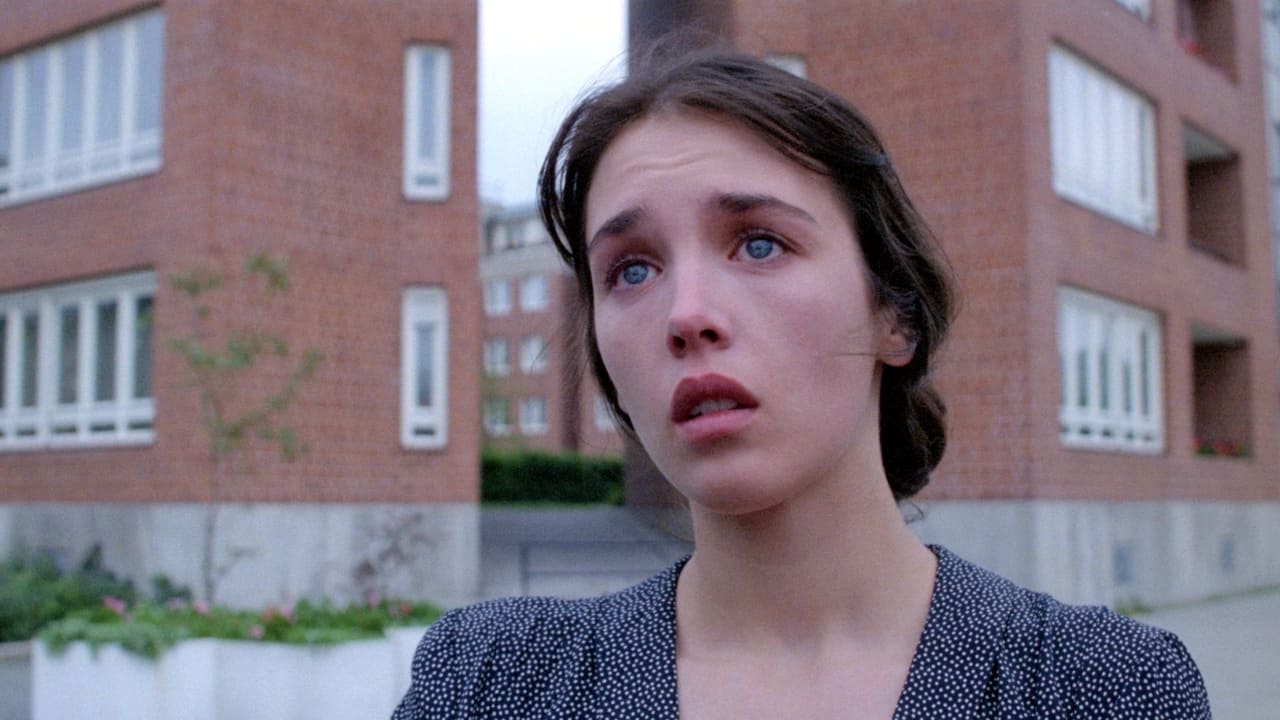
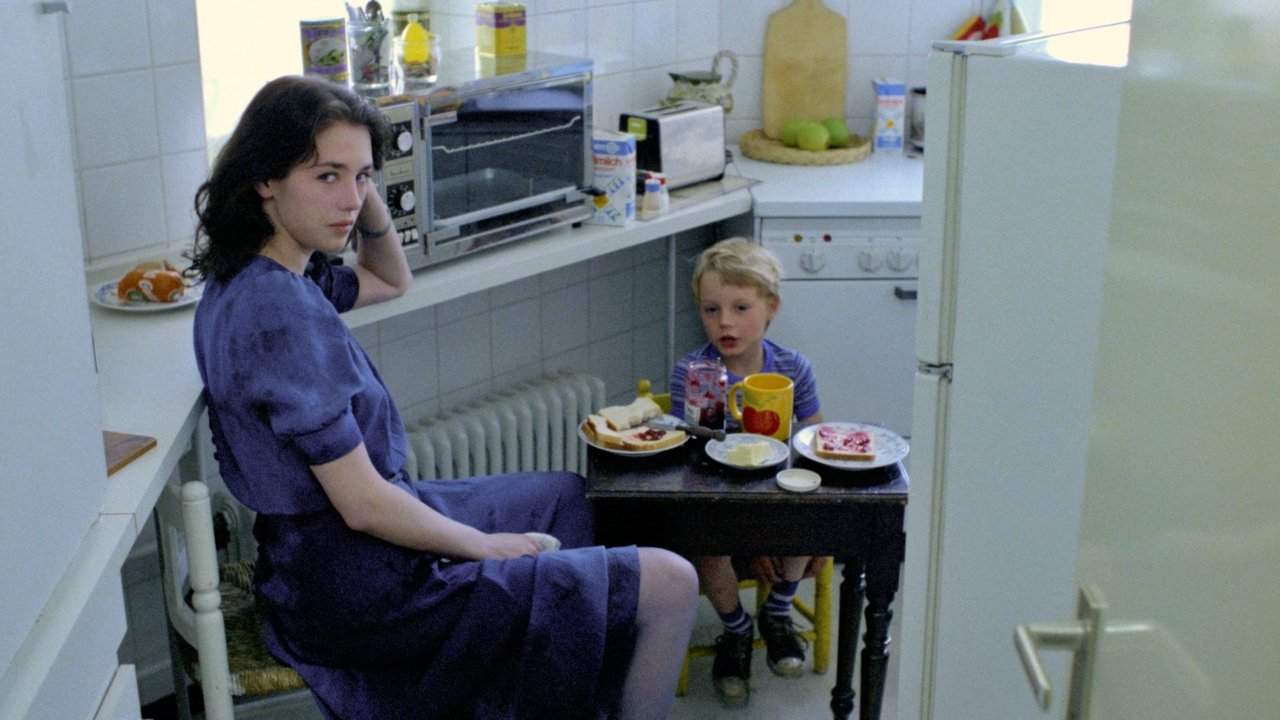
At its surface, Possession is a movie about a marriage falling apart. Mark (Sam Neill) returns to West Berlin from a mysterious espionage job only to find his wife, Anna (Isabelle Adjani), wants a divorce. But this isn't a polite, "let's split the record collection" kind of breakup. It is a frantic, furniture-smashing, self-mutilating descent into madness. Sam Neill—years before he was outrunning raptors in Jurassic Park—gives a performance that is so unhinged he spent half the movie looking like he was vibrating out of his own skin.
The setting is crucial. Shooting in West Berlin right up against the Wall gave Andrzej Żuławski a literal backdrop of division and Cold War paranoia. The city feels empty, gray, and hostile, perfectly mirroring the internal landscape of the characters. It’s a movie where even the architecture seems to be judging you. As Mark hires detectives to follow Anna, he suspects a lover (the eccentric Heinrich, played with oily charisma by Heinz Bennent), but the truth is far more tentacled and slimy.
Adjani’s Subway Symphony
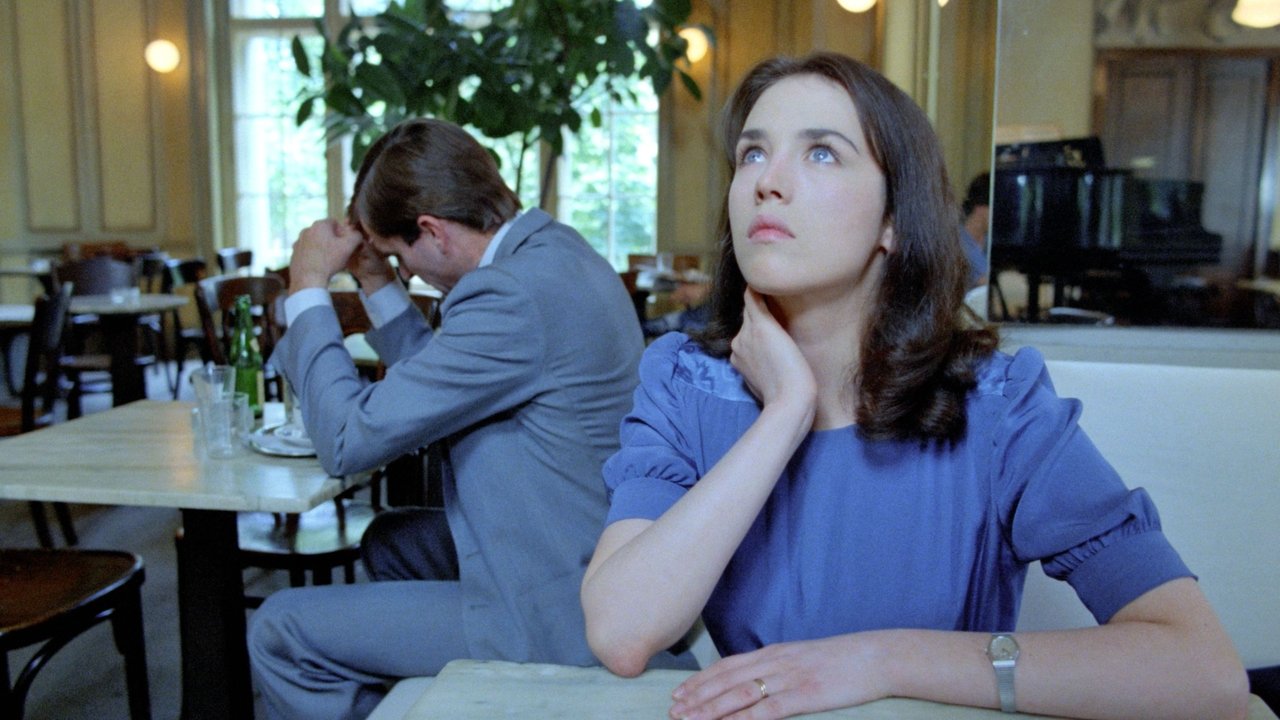
We have to talk about Isabelle Adjani. Her performance here is legendary for a reason—it’s arguably the most physically and emotionally demanding female performance in horror history. She plays dual roles: the spiraling Anna and the ethereal, saint-like schoolteacher Helen. There is a specific three-minute sequence in a deserted subway station that has become the stuff of cinema folklore. I won't spoil the mechanics of it, but Adjani essentially undergoes a violent, fluid-heavy nervous breakdown that looks like her soul is trying to exit her body through her throat.
Apparently, the shoot was so traumatic that Adjani didn't return to the horror genre for years. You can see why. There’s no "acting" here; there’s only raw, bleeding exorcism. When the film finally reveals what Anna has been hiding in that dingy apartment—a creature designed by the great Carlo Rambaldi (the man who built E.T. and the animatronics for Alien)—the movie shifts from a psychological drama into a full-blown creature feature. But unlike the fun, popcorn-munching monsters of the 80s, this thing is a fleshy, pulsating manifestation of domestic trauma. It’s the only movie where the monster is a literal home-wrecker.

From Video Nasty to Cult Royalty
The history of Possession is almost as chaotic as the film itself. In the UK, it was caught up in the "Video Nasty" moral panic of the early 80s. Censorship boards saw the gore and the tentacle sex—yes, that's a thing—and slapped it with a ban. In the US, it was hacked to pieces by distributors who tried to market it as a standard slasher, cutting 40 minutes and making it virtually incomprehensible.
The VHS era was actually kind to Possession in the long run, though. It became one of those "holy grail" tapes for horror fans—the kind of movie you heard about in whispers at the back of the rental store. The box art usually featured a distorted, screaming face that promised a generic gore-fest, but the actual experience was much more "arthouse nightmare." This is a film that demands to be seen in its uncut glory. The cinematography by Bruno Nuytten uses a wide-angle lens that makes every room look distorted and every hallway feel miles long. It captures the texture of 1981 in a way that feels cold to the touch.
A Masterclass in Practical Discomfort
What makes Possession stay with you isn't just the "what on earth am I looking at?" factor of the creature. It’s the way Andrzej Żuławski uses practical effects to externalize internal pain. Most directors would use a metaphor; Żuławski uses a bucket of blood and a latex monster. It’s an independent film in the truest sense, born from the director’s own harrowing divorce and filmed with a "burn the world down" intensity that big studios would never allow today.
Even the score by Andrzej Korzyński is unsettling, opting for synth-heavy, rhythmic pulses that feel like a racing heartbeat. It doesn't offer the comfort of a traditional horror soundtrack. There are no "gotcha" jump scares here, just a slow-motion car crash of the human psyche. If you’re looking for a fun Friday night flick, this isn't it. But if you want a film that explores the absolute limits of what an actor can do and what a genre can be, Possession is the mountain peak.
This isn't just a horror movie; it’s a sensory assault that uses the genre to talk about the things we’re too afraid to say out loud during a breakup. It’s messy, loud, and deeply uncomfortable, but it’s also one of the most honest depictions of emotional collapse ever put to celluloid. Just maybe don't watch it if you're currently going through a rough patch in your relationship—unless you really want to see how much worse things could get.
By the way, if you ever find yourself in a Berlin subway station late at night, just keep walking. Don't stop to check on anyone.

Keep Exploring...
-
Carrie
1976
-
Eraserhead
1977
-
Dawn of the Dead
1978
-

Halloween
1978
-

Invasion of the Body Snatchers
1978
-
Nosferatu the Vampyre
1979
-

The Evil Dead
1981
-

A Nightmare on Elm Street
1984
-

Day of the Dead
1985
-
Peeping Tom
1960
-
What Ever Happened to Baby Jane?
1962
-
The Birds
1963
-

Repulsion
1965
-
Night of the Living Dead
1968
-
The Wicker Man
1973
-
The Texas Chain Saw Massacre
1974
-
The Omen
1976
-

The Return of the Living Dead
1985
-
Friday the 13th
1980
-
The Fog
1980