Raiders of the Lost Ark
"The adventure that defined every adventure after."
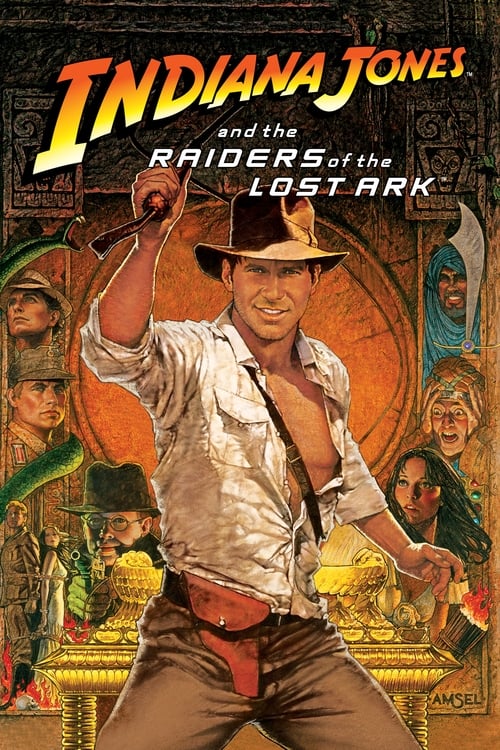
Before 1981, the term "archaeologist" usually conjured images of dusty academics in wood-paneled libraries; after Steven Spielberg got his hands on the genre, it meant a bullwhip, a fedora, and a very narrow escape from a giant fiberglass rock. Raiders of the Lost Ark didn't just revitalize the action-adventure genre; it essentially built the temple that every other filmmaker has been trying to loot ever since. I watched this most recently while sitting on a beanbag chair that was slowly leaking its polystyrene guts onto the floor, which felt like a fittingly messy tribute to the grittiness of the Cairo market brawl.
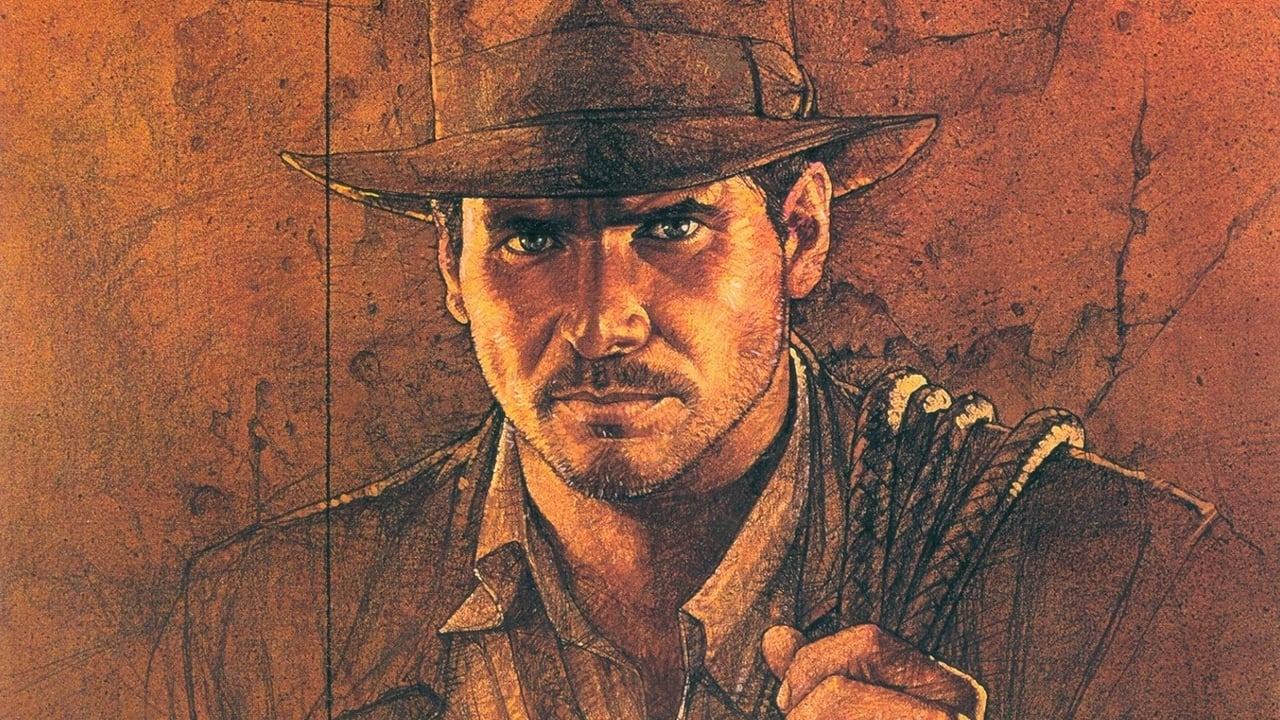
The Physics of a Perfect Chase
What strikes me most about Raiders is how tactile it feels. In an era where modern blockbusters often feel like they were filmed inside a giant fluorescent lightbulb, Steven Spielberg and cinematographer Douglas Slocombe (who also shot The Lion in Winter) gave the film a sweaty, sun-drenched texture. The truck chase, choreographed by stunt legend Glenn Randall, is a masterclass in spatial awareness. You always know exactly where Indy is in relation to the Nazis, the truck, and the road.
There’s a moment where Harrison Ford’s Indiana Jones is dragged underneath the moving vehicle, a stunt famously performed by Terry Leonard. There are no digital safety nets here. When you see the dirt kicking up into Indy’s face, you’re seeing the peak of the Practical Effects Golden Age. It’s physical, it’s dangerous, and it gives the film a weight that CGI simply cannot replicate. Indy is actually kind of a terrible archaeologist who breaks everything he touches, but his ability to take a punch (and a gunshot, and a dragging) makes him the most relatable superhero ever committed to celluloid.
A Hero Who Actually Bleeds
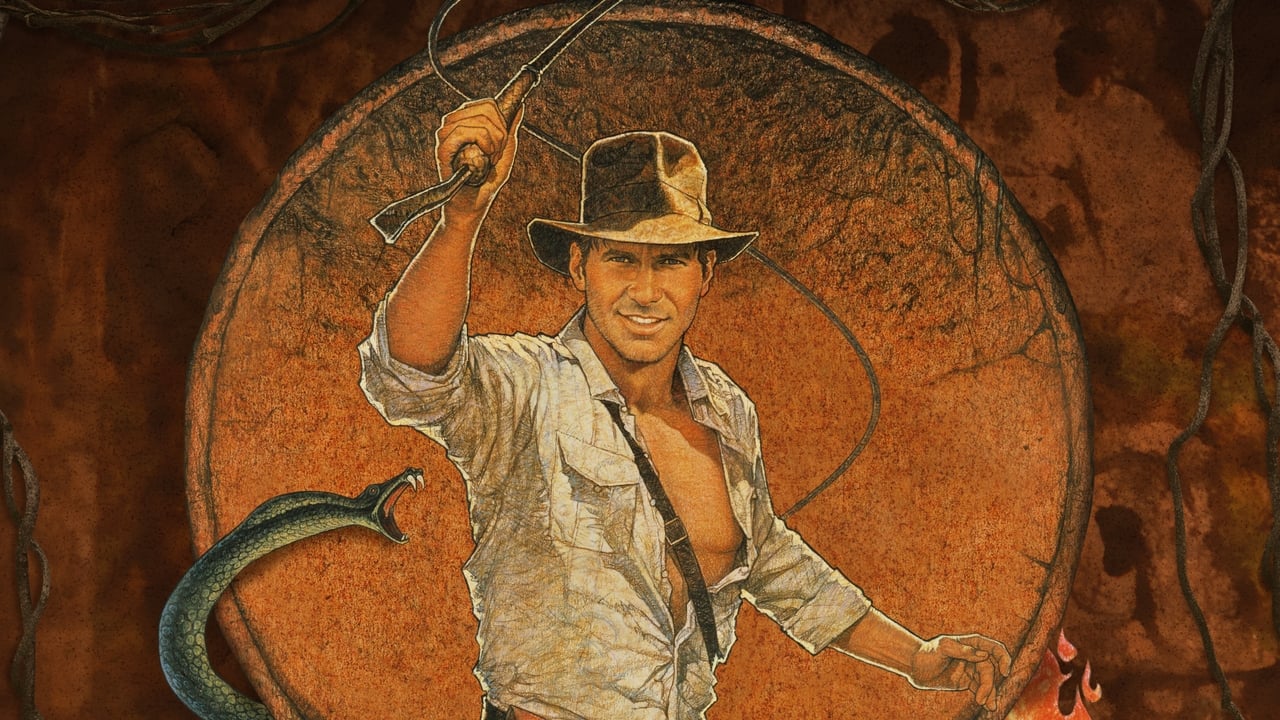
While George Lucas and Steven Spielberg initially conceived Indy as a "James Bond without the gadgets," Harrison Ford brought a vulnerable, "out-of-his-depth" quality that Sean Connery never really touched. Ford’s Indy isn’t a polished killing machine; he’s a guy who makes it up as he goes along. The chemistry between him and Karen Allen as Marion Ravenwood is the secret sauce. Marion isn't a damsel waiting for a rescue; she’s drinking men under the table in Nepal and hitting Nazis with frying pans.
The villains are equally iconic, specifically Paul Freeman as the sophisticated René Belloq and Ronald Lacey as the terrifyingly creepy Major Toht. Ronald Lacey’s performance is a highlights reel of nightmare fuel—the way he giggles while preparing a torture device is genuinely unsettling. It’s a testament to Lawrence Kasdan’s sharp screenplay that the ideological battle between Indy and Belloq—two men seeking the same treasure for very different reasons—is just as engaging as the snake-filled pits.
The VHS Pause-Button Phenomenon
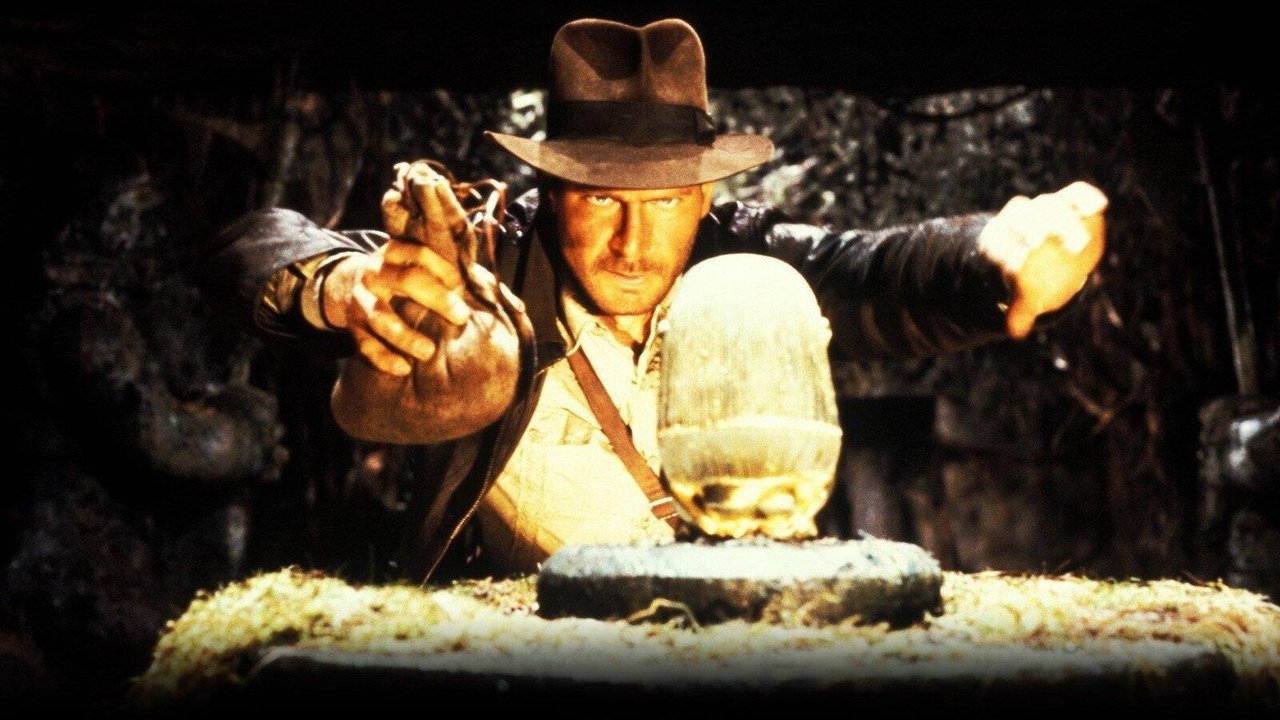
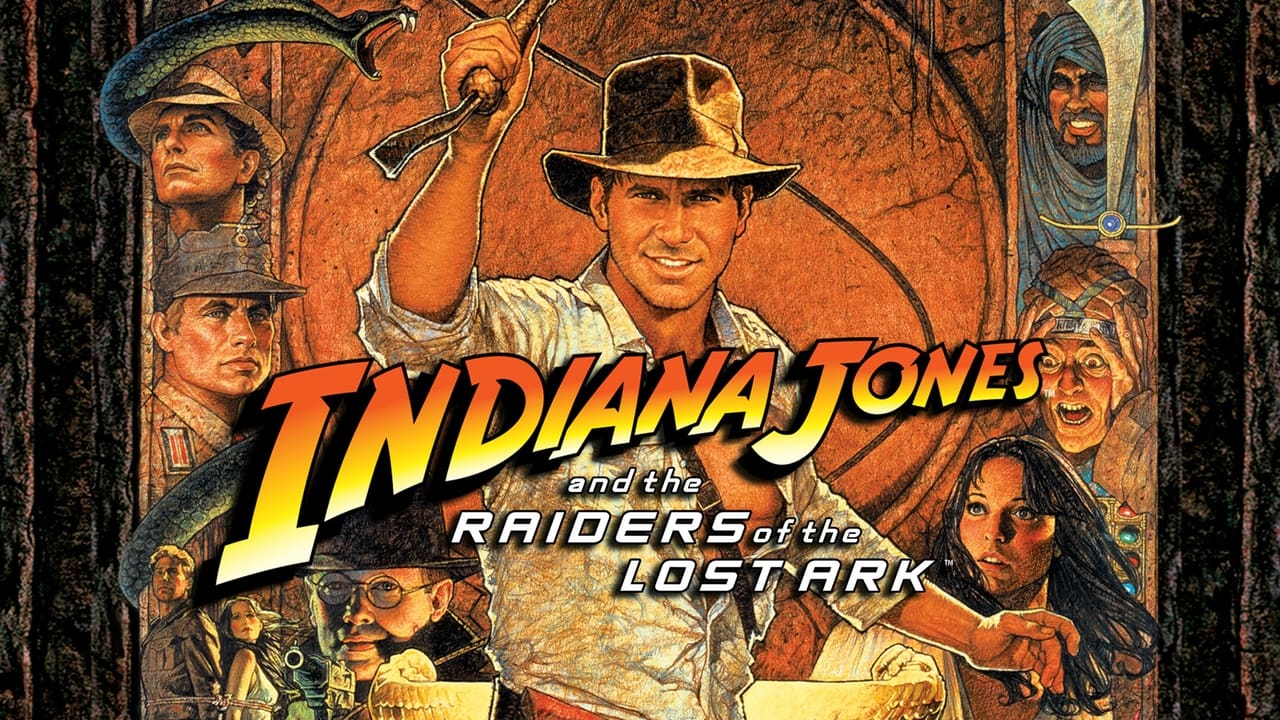
If you grew up during the home video revolution, you likely owned the Paramount "Home Video" tape with the iconic gold-bordered cover art. This was one of those films that turned the "pause" and "slow-motion" buttons into essential tools for every kid. We didn't just watch the Ark opening at the end; we studied it. We wanted to see exactly how the makeup team, including Chris Walas, achieved the melting head of Toht and the exploding head of Dietrich (Wolf Kahler).
The special effects in the finale, involving a mix of vacuum pumps, heat lamps, and gelatin, represent a pinnacle of pre-digital ingenuity. Apparently, the "melting" was achieved using a stone skull covered in layers of gelatin and wax that were melted with a hair dryer and filmed at high speed. It’s gruesome, it’s glorious, and it’s the kind of practical wizardry that made the $18 million budget feel like $100 million. Adjusted for inflation, its $390 million global haul would be well over a billion today—a staggering success for a film that almost didn't happen because studios were wary of Spielberg's previous budget overruns on 1941.
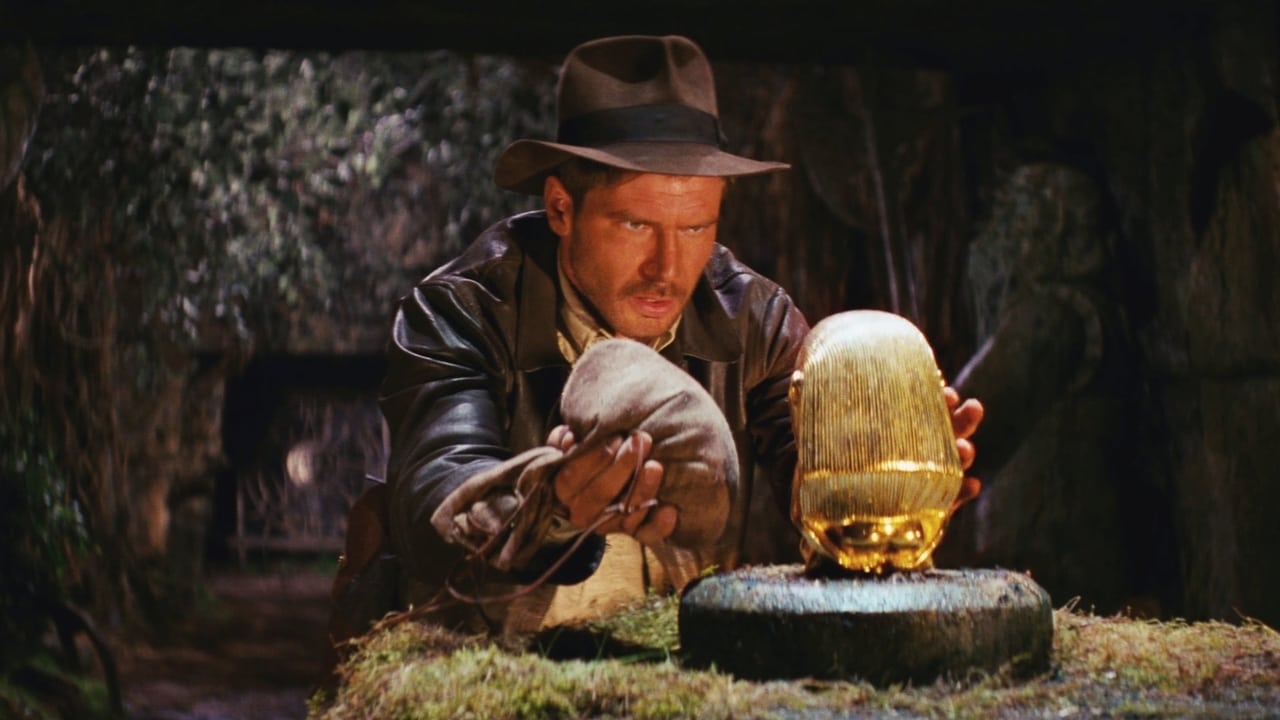
The score by John Williams (fresh off Star Wars and Superman) is, quite simply, the heartbeat of the movie. It’s impossible to see a silhouette of a man in a hat without hearing that brassy "Raiders March" in your head. It’s more than just a theme; it’s an injection of pure adrenaline that tells you everything is going to be okay, even when our hero is facing down 6,000 snakes in the Well of Souls (many of which were actually legless lizards, though the ones near the actors were very real cobras).
Ultimately, Raiders of the Lost Ark is the perfect cinematic engine. It has no fat, no wasted scenes, and a sense of wonder that remains infectious forty-plus years later. Whether you’re watching it for the first time or the fiftieth, the opening dissolve from the Paramount mountain to the jungles of Peru still promises the greatest adventure in film history. It’s a movie that reminds me why I fell in love with movies in the first place—it’s big, it’s loud, and it has a soul.
Keep Exploring...
-
Indiana Jones and the Last Crusade
1989
-
Indiana Jones and the Temple of Doom
1984
-
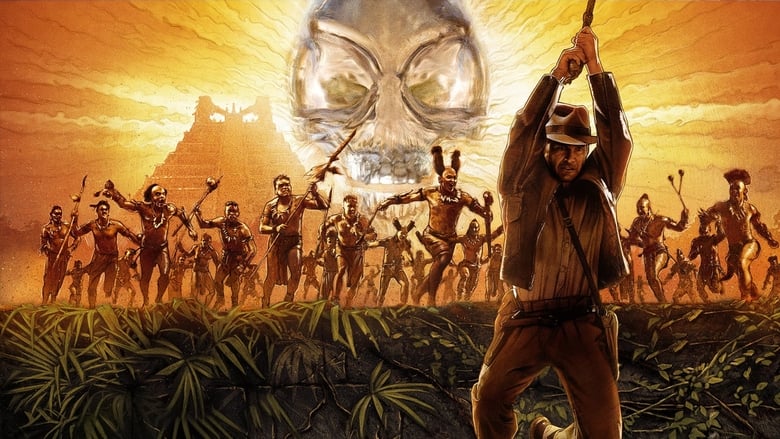
Indiana Jones and the Kingdom of the Crystal Skull
2008
-
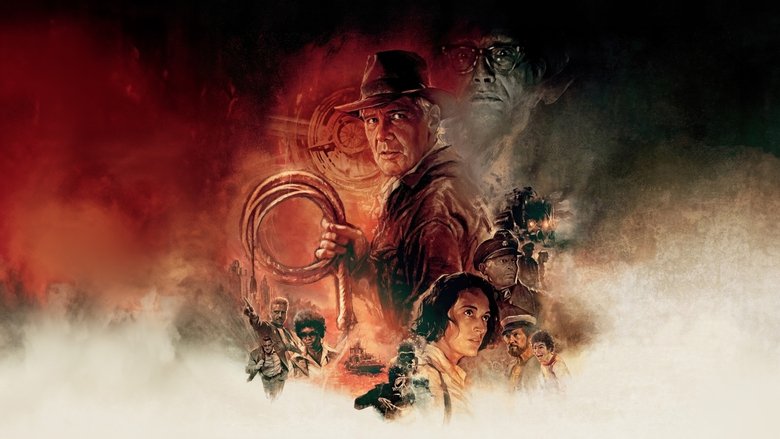
Indiana Jones and the Dial of Destiny
2023
-
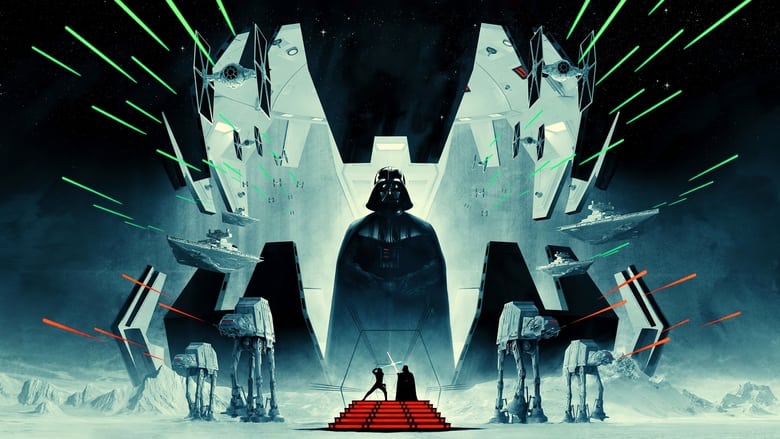
The Empire Strikes Back
1980
-
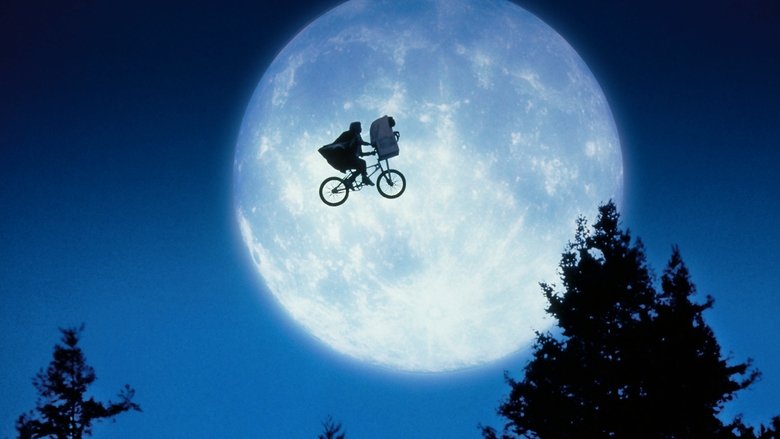
E.T. the Extra-Terrestrial
1982
-
Return of the Jedi
1983
-
Jaws
1975
-
Star Wars
1977
-
First Blood
1982
-
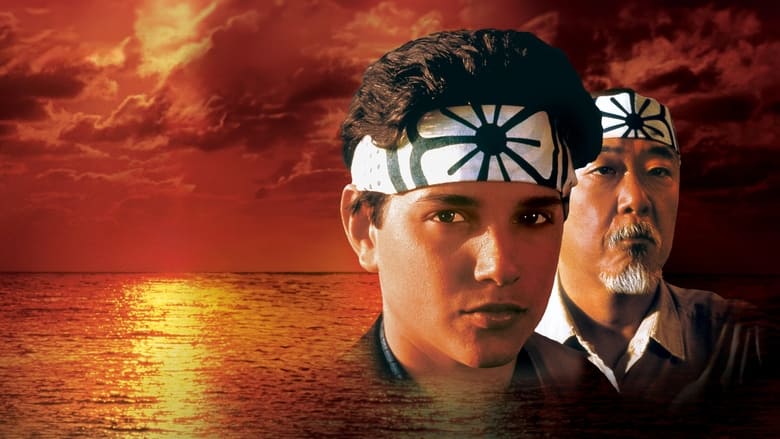
The Karate Kid
1984
-

Superman
1978
-
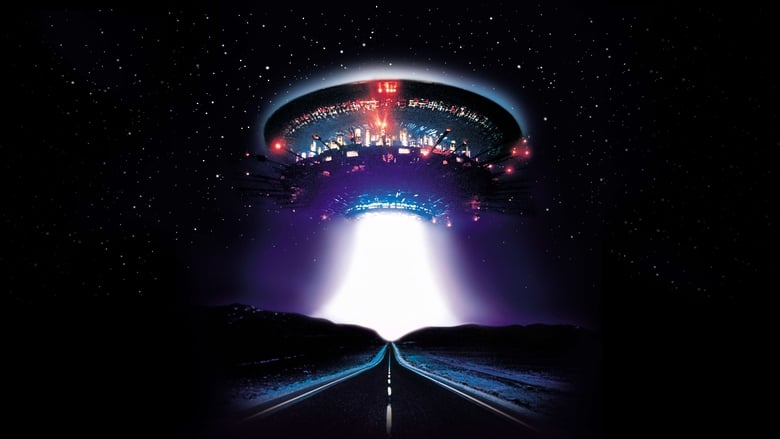
Close Encounters of the Third Kind
1977
-

The Color Purple
1985
-
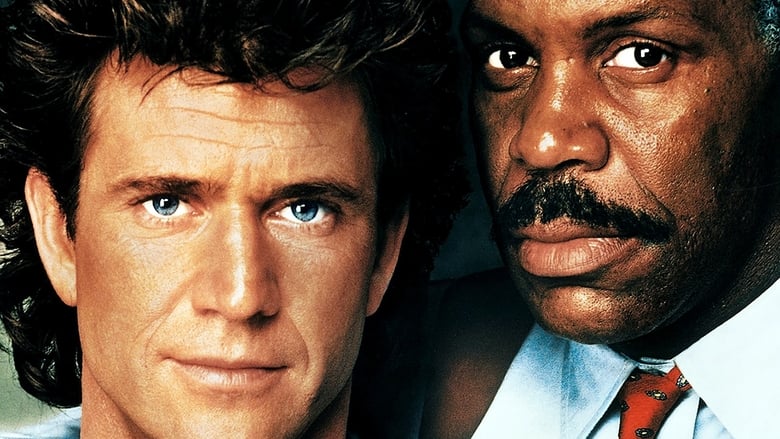
Lethal Weapon 2
1989
-
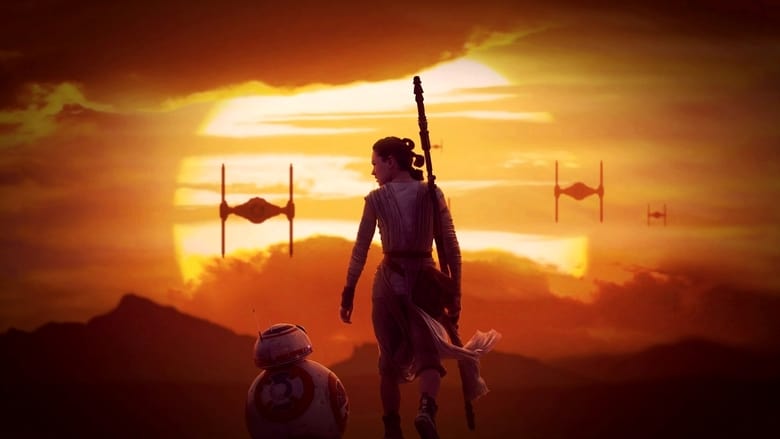
Star Wars: The Force Awakens
2015
-
Duel
1971
-

Star Trek II: The Wrath of Khan
1982
-
Big Trouble in Little China
1986
-

Goldfinger
1964