Stripes
"Insubordination has never looked this organized."
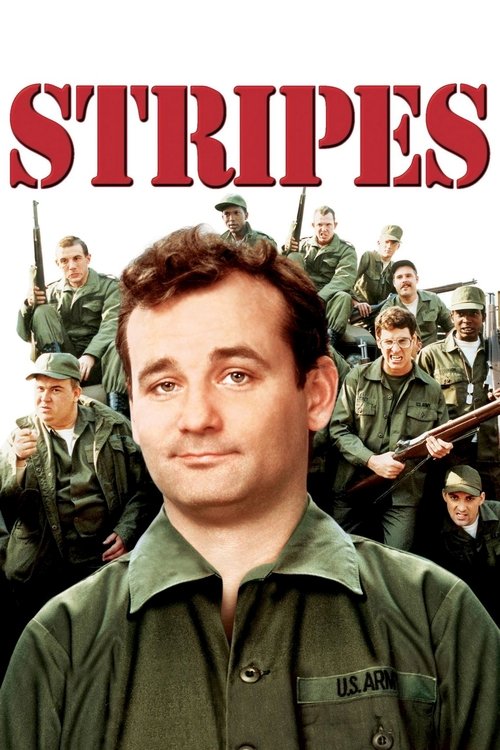
If there is a more perfect image of 1980s cinematic rebellion than Bill Murray abandoning a taxi—and a very frustrated passenger—in the middle of a bridge, I haven’t found it. It’s the ultimate "I’m done" moment, a signal that the 1970s era of gritty, realistic losers was officially handing the baton to the era of the lovable, smart-ass slacker. Bill Murray’s John Winger isn’t just a guy who loses his job, his car, and his girlfriend in one afternoon; he’s the high priest of the "why not?" lifestyle.
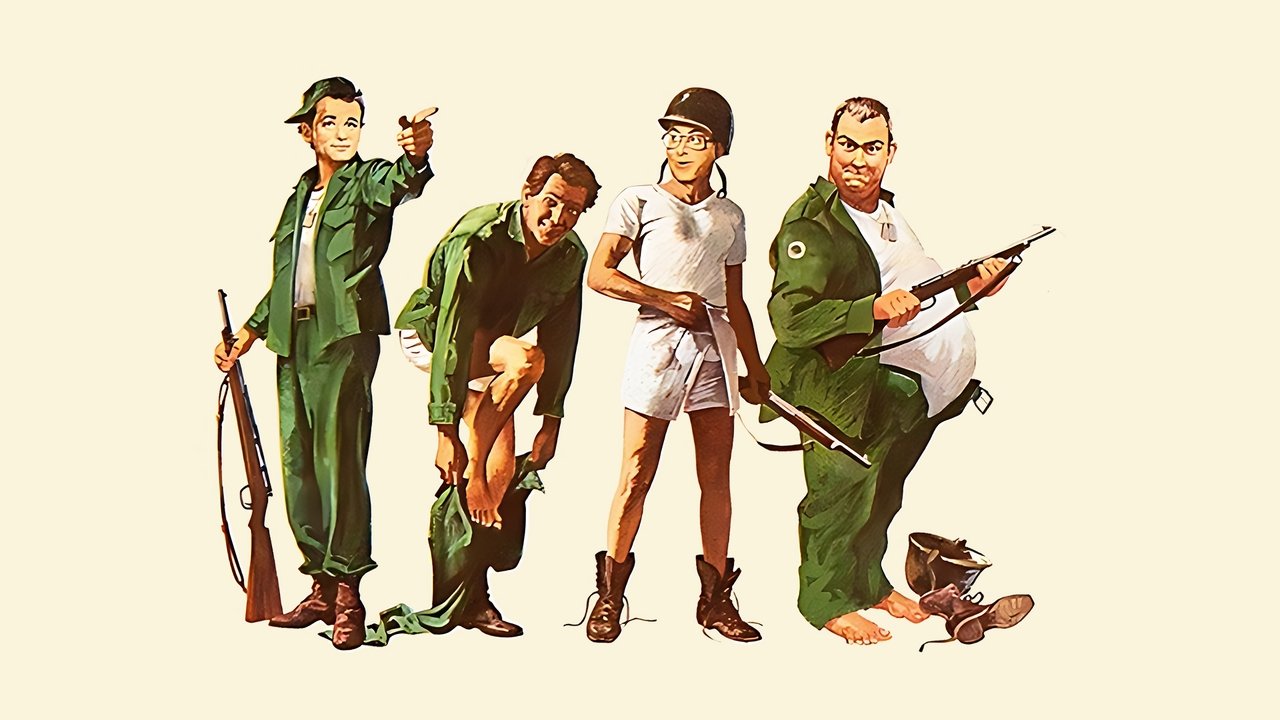
I recently rewatched this while struggling to assemble a flat-pack bookshelf, and the sheer apathy Winger projects toward authority was so infectious I actually considered throwing the Allen wrench into the neighbor's yard and enlisting.
The Slacker Who Saved Democracy
Stripes represents a fascinating bridge in film history. Directed by Ivan Reitman (who would later reunite this gang for Ghostbusters), it arrived just as the cynical, post-Vietnam hangover of the 1970s was being replaced by the high-concept, polished sheen of the 1980s. But unlike the recruitment-poster energy of Top Gun, Stripes views the U.S. Army as a giant, slightly incompetent summer camp.
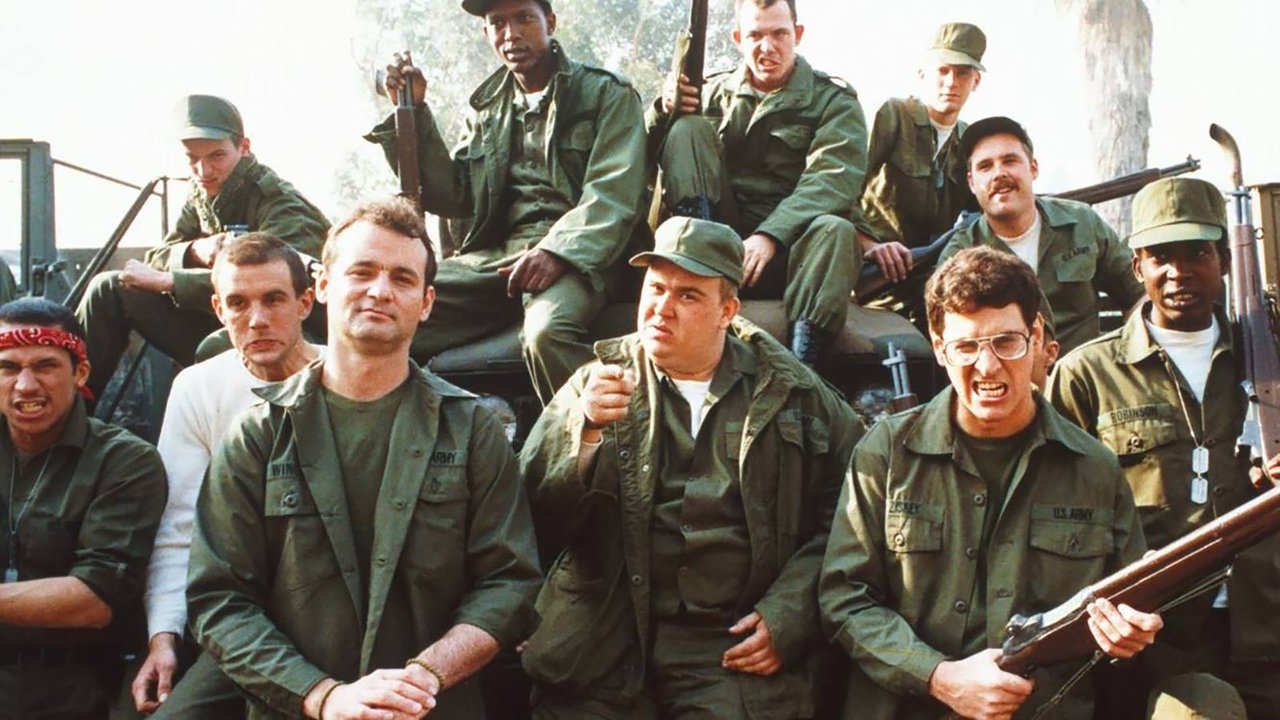
The screenplay, co-written by the legendary Harold Ramis (who also plays Russell Ziskey), is a masterclass in comedic escalation. It starts as a "buddy comedy" about two guys who are too lazy to function in the real world, and somehow ends with them invading Czechoslovakia in a heavily armored motorhome. It shouldn’t work. On paper, it’s two different movies stitched together with army surplus twine. Yet, because the chemistry between Bill Murray and Harold Ramis is so effortless—feeling less like scripted dialogue and more like two old friends trying to crack each other up—the transition from basic training antics to international espionage feels oddly earned.
The Candy-Oates Factor
While Murray is the engine, the supporting cast provides the high-octane fuel. This was one of the first times the world really got to see the pure, unadulterated joy of John Candy as Dewey "Ox" Oxberger. His mud-wrestling scene is the stuff of legend, but it’s his vulnerable "lean, mean, fighting machine" speech that makes you realize why he became a generational icon. He had a way of being the biggest guy in the room while simultaneously being the one you most wanted to give a hug.
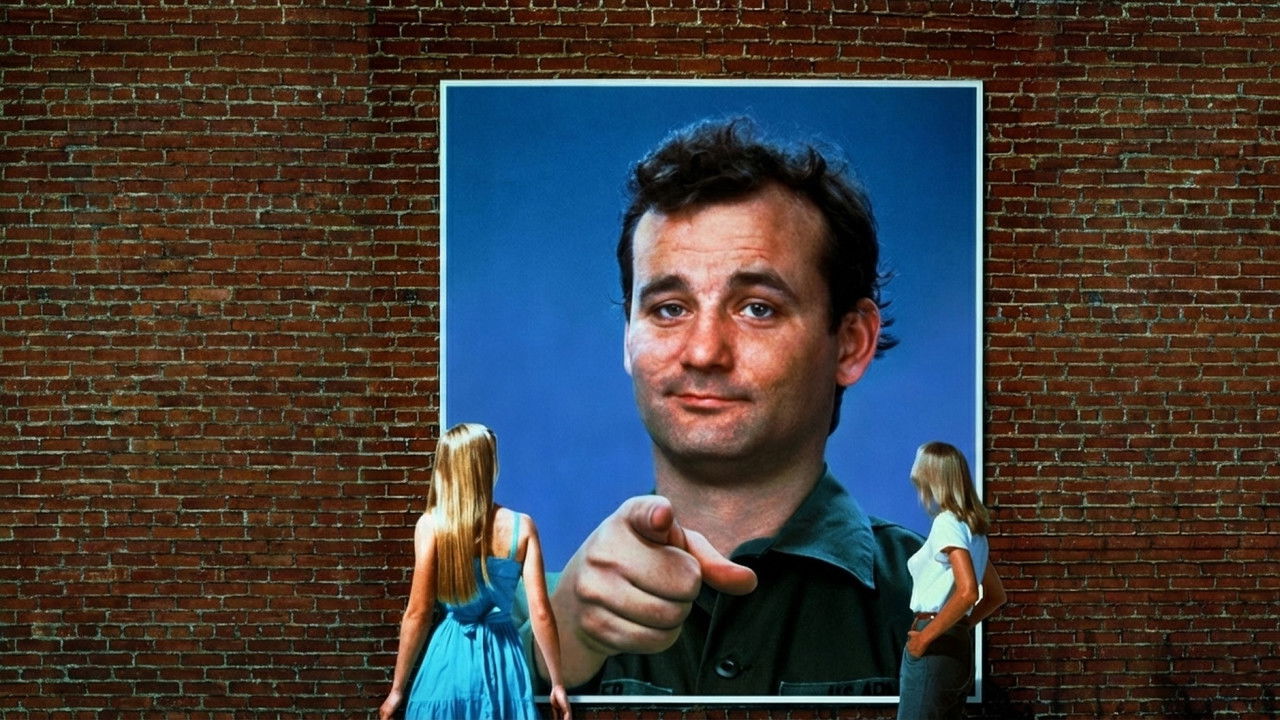
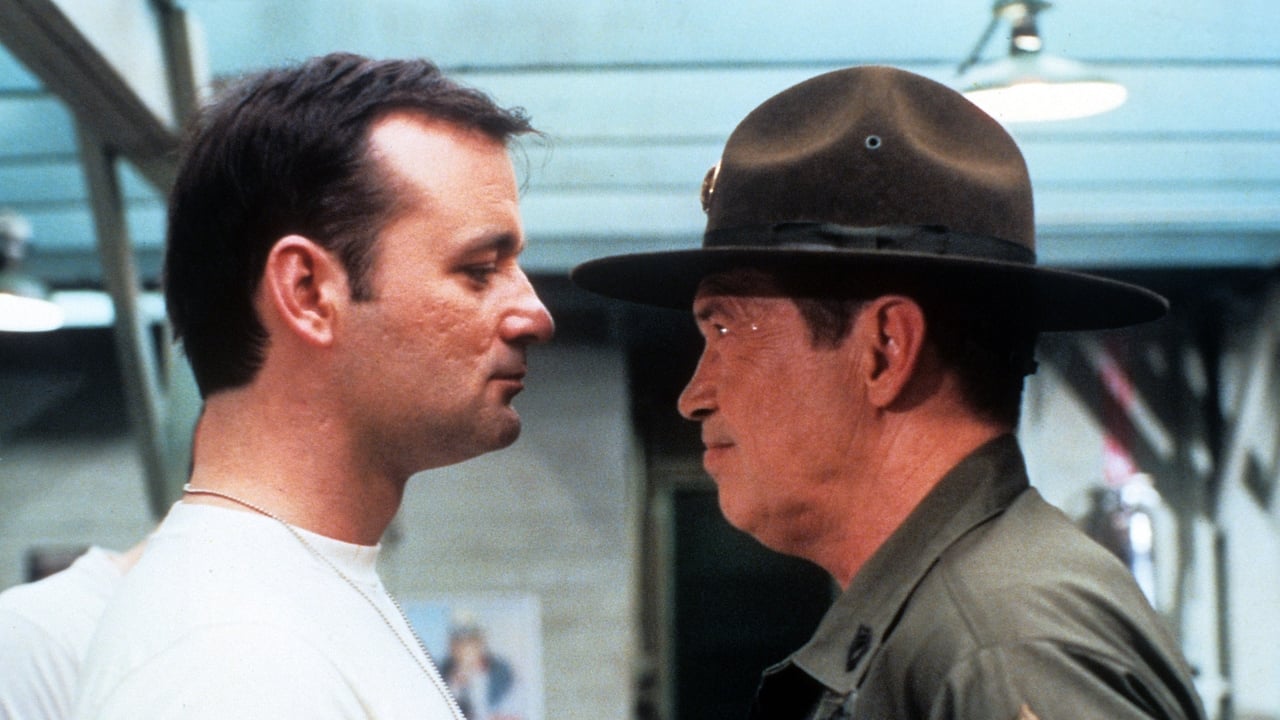
On the flip side, you have Warren Oates as Sgt. Hulka. Oates was a veteran of Sam Peckinpah’s gritty Westerns (like The Wild Bunch), and he plays the drill sergeant with a terrifying, vein-popping sincerity. He isn't playing a caricature; he’s playing a man who genuinely believes these "misfits" are going to get him killed. The friction between Oates’s old-school grit and Murray’s improvisational "new school" cheekiness is where the movie’s best sparks fly. It’s the cinematic equivalent of a cigarette being extinguished in a bowl of lime Jell-O.
Practical Effects and Recreational Insubordination
One of the greatest joys of revisiting Stripes is the hardware. In an era before CGI could conjure a fleet of tanks with a few keystrokes, the "EM-50 Urban Assault Vehicle" was a real, physical object—a GMC Palm Beach motorhome modified to look like a rolling fortress. There’s a weight to the action in the final act that modern comedies lack. When that behemoth crashes through a border checkpoint, you feel the crunch of the metal.
The VHS era turned Stripes into a rite of passage. I remember the box art at the local rental shop—Murray and Ramis looking hopelessly out of place in their fatigues—promising a level of "R-rated" chaos that felt slightly dangerous to a kid. It’s a film that benefited immensely from the "pause and rewind" culture. Whether it was trying to catch the improvised riffs during the "Razzle Dazzle" graduation march or appreciating the subtle, deadpan facial expressions of P. J. Soles and Sean Young, the movie rewards repeat viewings because so much of it feels like the actors are just barely keeping it together.
The film does show its age in the middle act—the "Aunt Jemima" bit is a relic of a different comedic era—but the core message remains timeless: the only thing more dangerous than a trained soldier is a bored American with nothing left to lose.
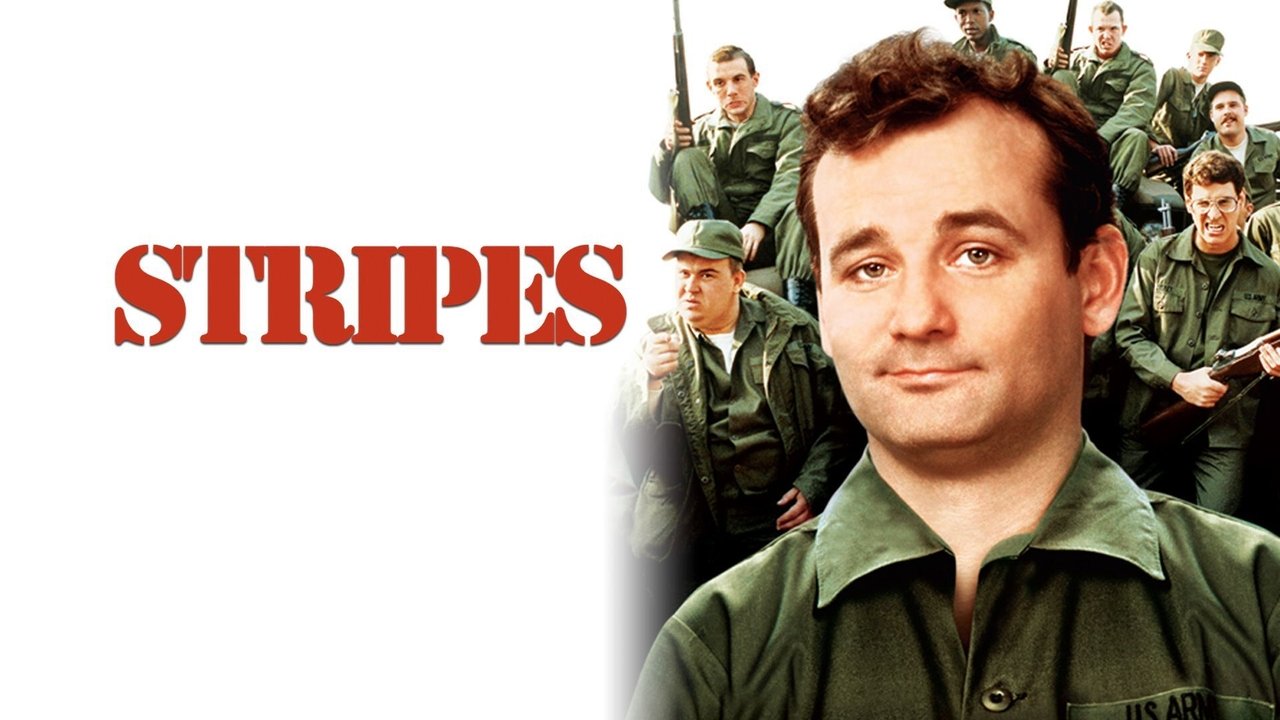
Stripes remains the gold standard for the "misfits on a mission" subgenre. It captures a specific moment in time when the world was big enough to get lost in, the Army was a place to find yourself (or at least find a decent meal), and Bill Murray was the funniest man on the planet. It’s a loud, messy, frequently brilliant reminder that sometimes, to save the day, you just need a winnebago and a really good attitude.
Stuff You Didn't Notice
Interestingly, the film was originally pitched as a vehicle for Cheech and Chong. When their manager declined, Ivan Reitman pivoted to the Second City alumni, and the rest is history. Also, keep an eye out for a very young Bill Paxton in a tiny role as a soldier; it’s a fun "before they were famous" moment that adds to the film’s deep-bench legacy. Whether you're here for the "Boom-Shakalaka" or the tank-flipping finale, Stripes still marches to its own hilarious beat.
Keep Exploring...
-
Ghostbusters
1984
-

Ghostbusters II
1989
-
48 Hrs.
1982
-
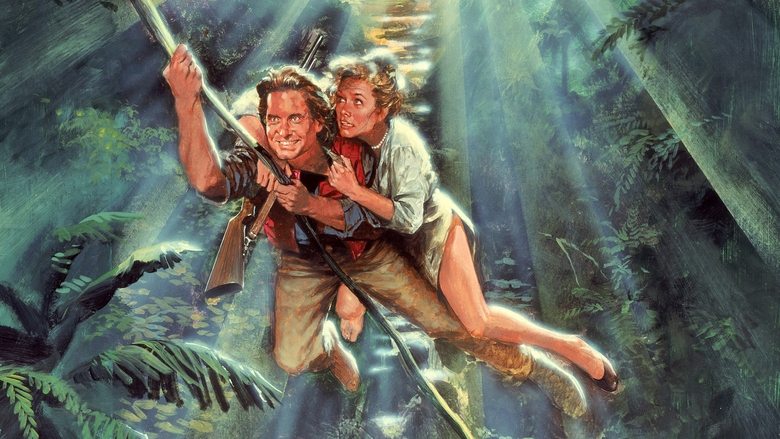
Romancing the Stone
1984
-
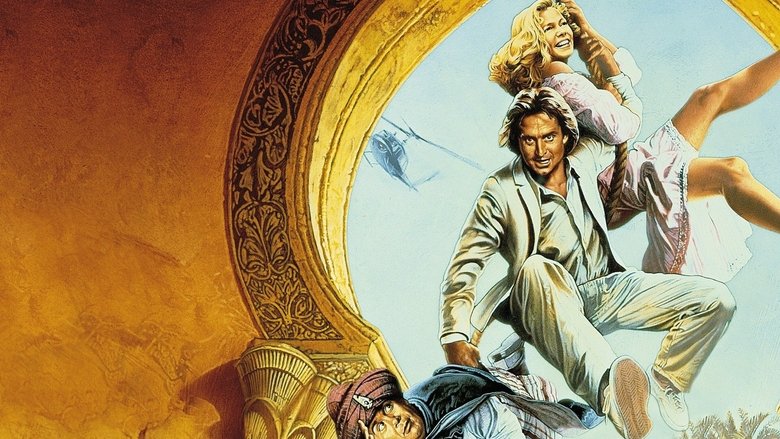
The Jewel of the Nile
1985
-

The Golden Child
1986
-
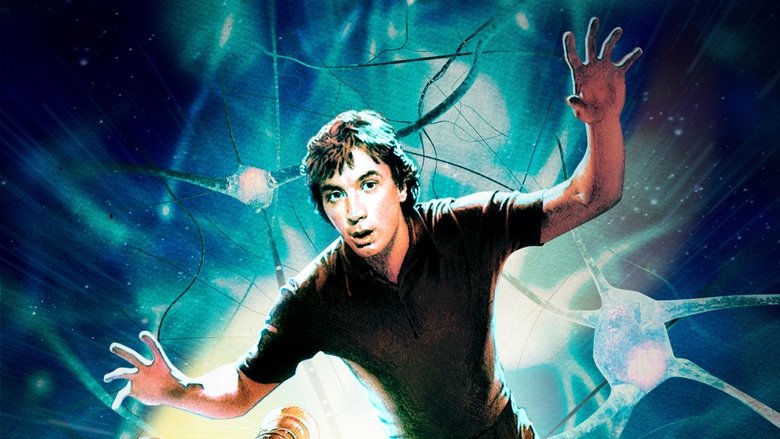
Innerspace
1987
-

Midnight Run
1988
-
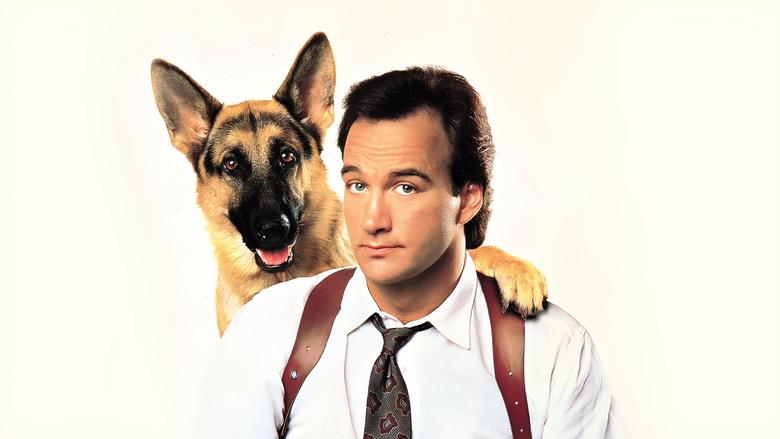
K-9
1989
-
Turner & Hooch
1989
-
Drunken Master
1978
-
Scrooged
1988
-
Batman
1966
-
Big Trouble in Little China
1986
-
Little Shop of Horrors
1986
-
They Call Me Trinity
1970
-

Watch Out, We're Mad
1974
-

The Gods Must Be Crazy
1980
-
Creepshow
1982
-

Risky Business
1983