The Evil Dead
"Stay out of the cellar and don't read the book."
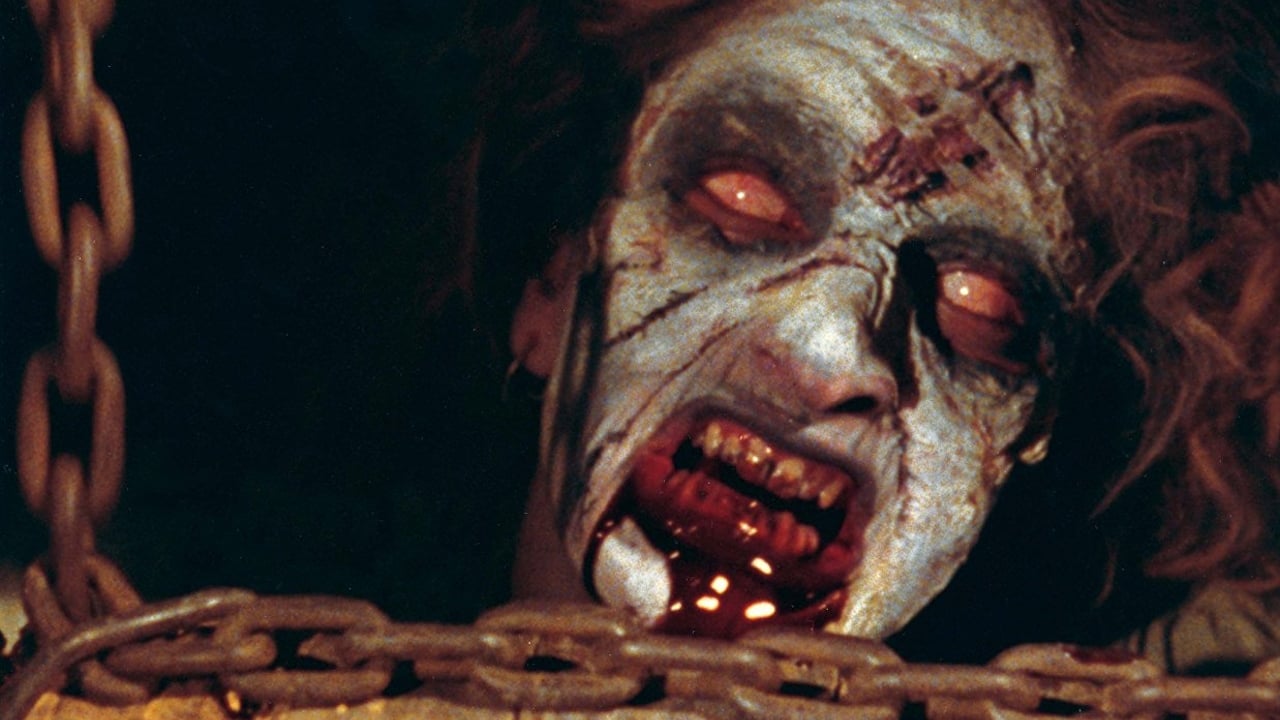
I watched this for the third time while recovering from a wisdom tooth extraction, and the scene where a pencil meets a possessed ankle made me feel a very specific, sympathetic phantom pain in my own jaw. There is something about the 1981 version of The Evil Dead that feels physically invasive. It’s not just a movie; it’s a sensory assault that smells like damp wood, old sweat, and copper. While the sequels eventually leaned into the "splatstick" comedy that made Bruce Campbell a chin-swinging icon, this original entry is a much darker, meaner animal. It is a film that wants to hurt you.
The Sound of a Soul Rotting
Most horror films of the late 70s and early 80s relied on the "jump scare" or the masked slasher. Sam Raimi, barely twenty years old at the time, decided to go for something far more psychological and oppressive. From the opening shot—a relentless, low-angle camera rushing through the Tennessee swamps—the film establishes that the environment itself is the predator.
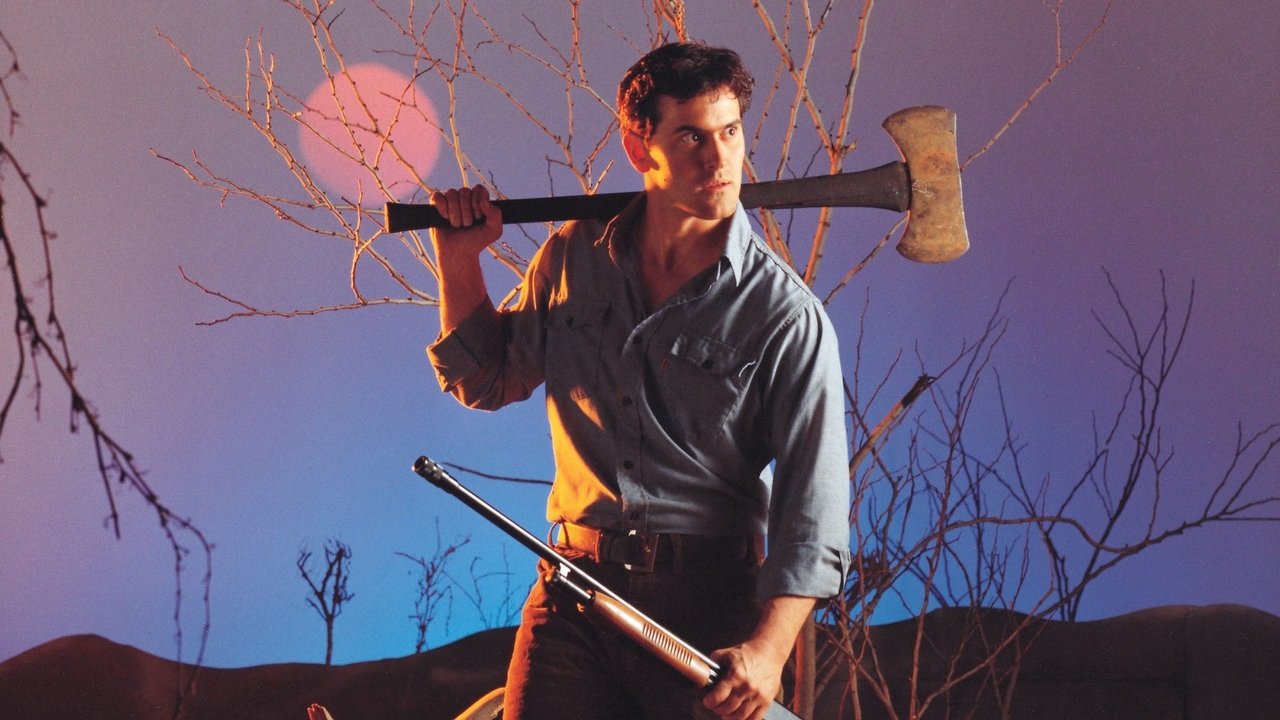
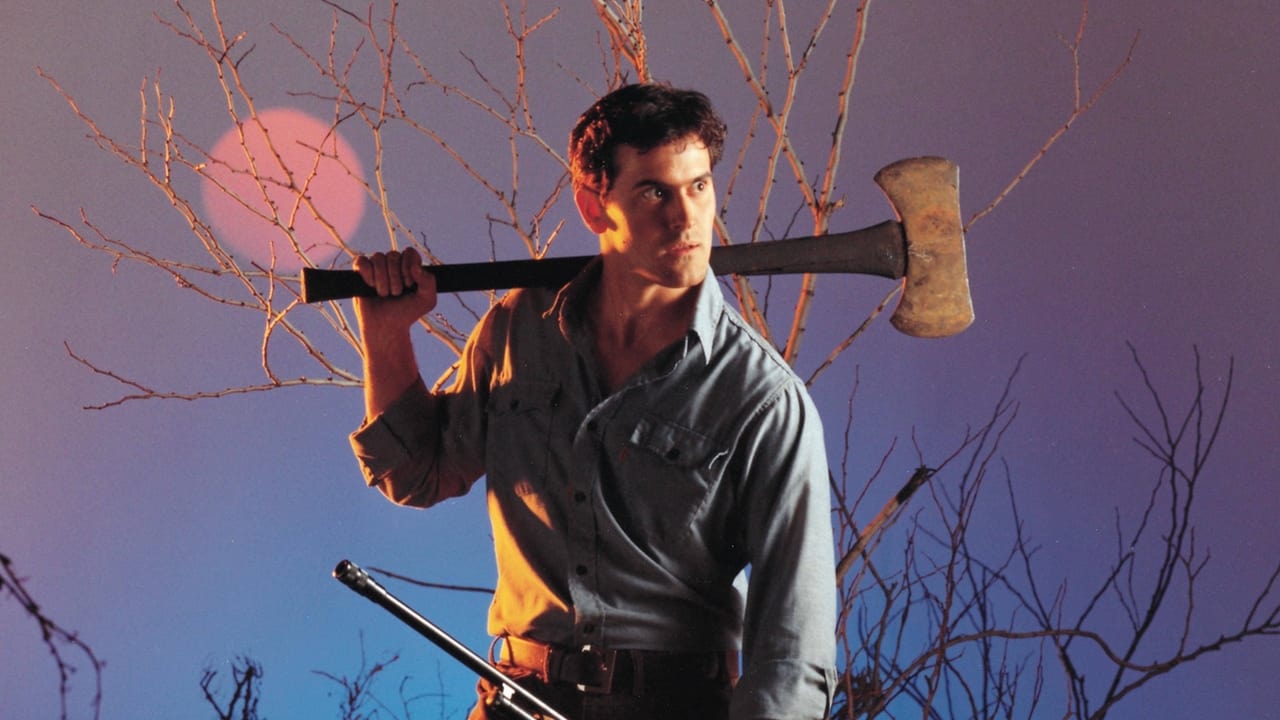
The sound design is what truly kept me up at night. It’s the sound of a porch swing rhythmically thudding against the side of a cabin like a heartbeat, or the guttural, wet snarls of the "Deadites" as they taunt their former friends. There is no safety here. Ash Williams starts this franchise as a sensitive, sweater-vest-wearing boy who is remarkably bad at saving anyone. He isn't the action hero we know today; he’s a terrified kid watching his girlfriend turn into a rotting, cackling puppet of the Sumerian underworld. That vulnerability is what makes the intensity land so hard. When the basement door blows open, it doesn't just feel like a plot point—it feels like the floor is dropping out from under your stomach.
Tom Sullivan’s Grotesque Workshop
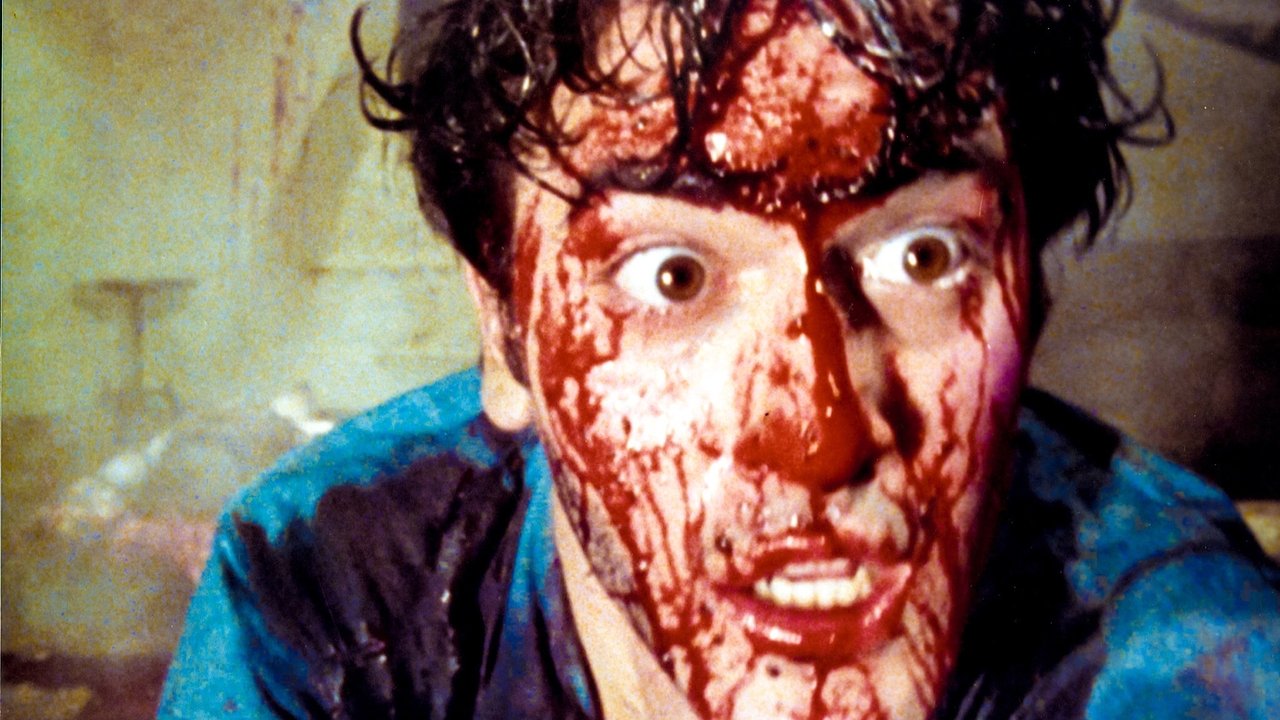
We talk a lot about the "Golden Age" of practical effects, but The Evil Dead is a masterclass in what happens when you have zero money but a surplus of insanity. Tom Sullivan, the man responsible for the makeup and the "Book of the Dead" itself, didn't have the budget for the sophisticated animatronics you’d see in something like The Thing. Instead, he used what they had: oatmeal, Karo syrup, and dairy creamer.
The creamer was a stroke of low-budget genius; they added it to the fake blood recipe to make the liquid look more opaque and "milky" on film, giving it a sickly, unnatural texture that pops against the dark cabin floor. During the finale—a stop-motion meltdown of rotting flesh and bursting guts—the screen is practically dripping. It looks tactile and messy in a way that modern CGI simply cannot replicate. You can tell the actors were miserable. They were covered in sticky syrup for weeks in a cabin that had no running water and was freezing cold. That genuine misery translates to the screen. When you see Ellen Sandweiss or Betsy Baker screaming, there is an edge of real exhaustion there that adds to the film’s oppressive atmosphere.
The Video Nasty That Conquered the World
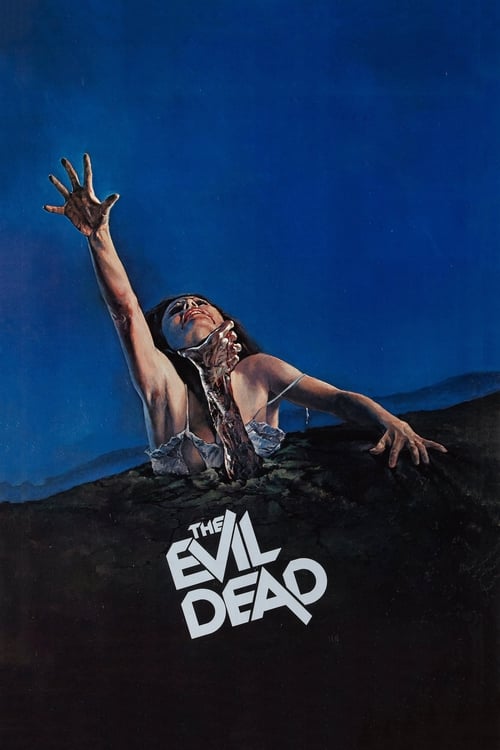
The journey of The Evil Dead from a tiny indie shoot to a global phenomenon is the stuff of cinema legend. After being rejected by major studios, it found its footing through the burgeoning home video market. In the UK, it became the poster child for the "Video Nasty" panic. The Palace Video VHS box art—showing a hand clutching a woman’s throat from beneath the soil—became a forbidden totem in rental stores. It was the movie your parents didn’t want you to see, which, of course, made everyone want to see it.
The 1981 original is a much purer horror experience than the comedies that followed, proving that Sam Raimi was scariest before he found his funny bone. It succeeded because it was a "Fake Shemp" production—a term Raimi coined for the friends and family who filled in for actors who had quit the grueling, months-long shoot. Philip A. Gillis and others stepped in to keep the nightmare alive. This DIY spirit is baked into every frame. It’s a film made by people who were willing to suffer for their art, and they ensure that the audience suffers right along with them.
The Evil Dead remains a high-water mark for independent horror because it refuses to blink. It takes the "cabin in the woods" trope—which it essentially codified—and pushes it to a point of near-exhaustion. It is a grim, relentless, and inventive piece of filmmaking that reminds me why I fell in love with horror in the first place: the sheer, unadulterated power of a creative mind with a camera and enough corn syrup to drown a small town. It’s a nightmare you can’t look away from, even when it’s jabbing a pencil into your ankle.

Keep Exploring...
-
Evil Dead II
1987
-
Army of Darkness
1992
-
Carrie
1976
-
Eraserhead
1977
-

Halloween
1978
-

Invasion of the Body Snatchers
1978
-

A Nightmare on Elm Street
1984
-

Day of the Dead
1985
-
Dawn of the Dead
1978
-
Nosferatu the Vampyre
1979
-
Possession
1981
-
What Ever Happened to Baby Jane?
1962
-
The Birds
1963
-
Night of the Living Dead
1968
-
The Texas Chain Saw Massacre
1974
-
Peeping Tom
1960
-

Repulsion
1965
-
The Wicker Man
1973
-
The Omen
1976
-

The Return of the Living Dead
1985