The Fox and the Hound
"The hardest part of growing up is choosing sides."

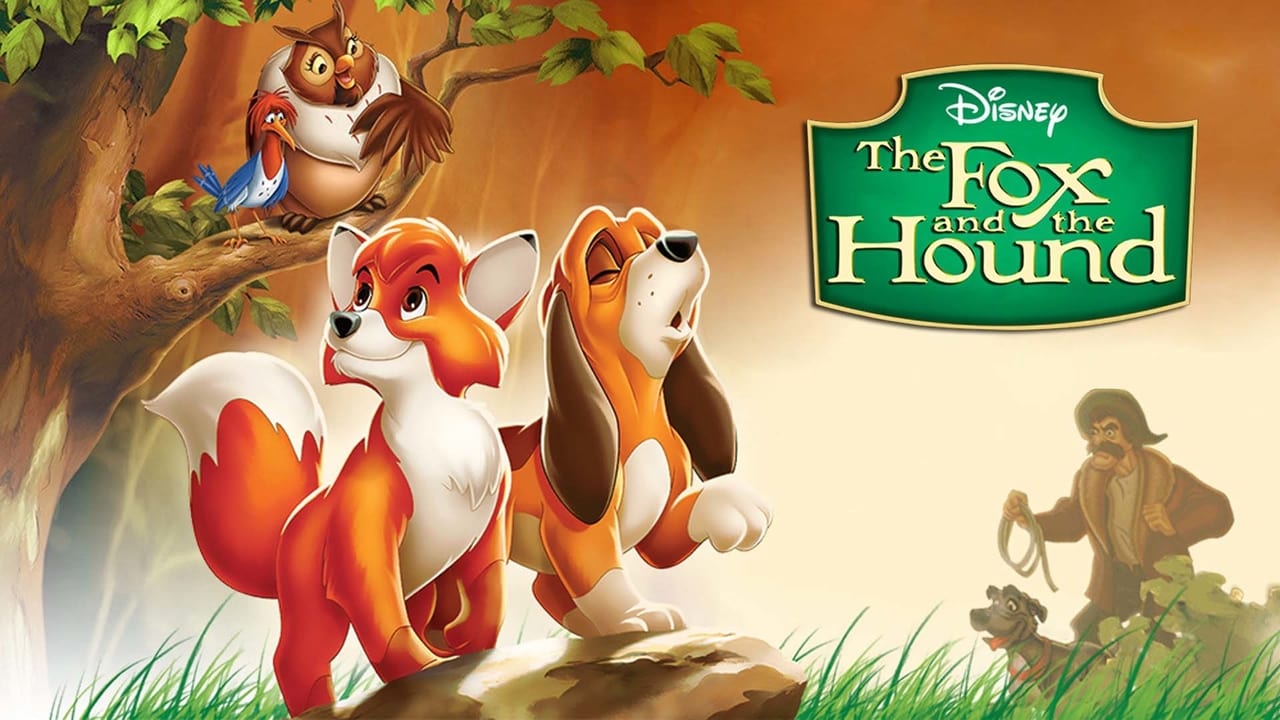
I recently revisited The Fox and the Hound on a Tuesday afternoon while ignoring a mounting pile of laundry and snacking on a sleeve of slightly stale Ritz crackers. There’s something about the hum of a quiet house that makes the specific, melancholic atmosphere of 1981 Disney hit harder. It isn't the candy-coated, Broadway-belting spectacle of the '90s Renaissance, nor is it the trippy, psychedelic experimentation of the '40s. It’s something different—a film caught in the middle of a studio identity crisis, resulting in a story that feels surprisingly grounded, gritty, and deeply sad.
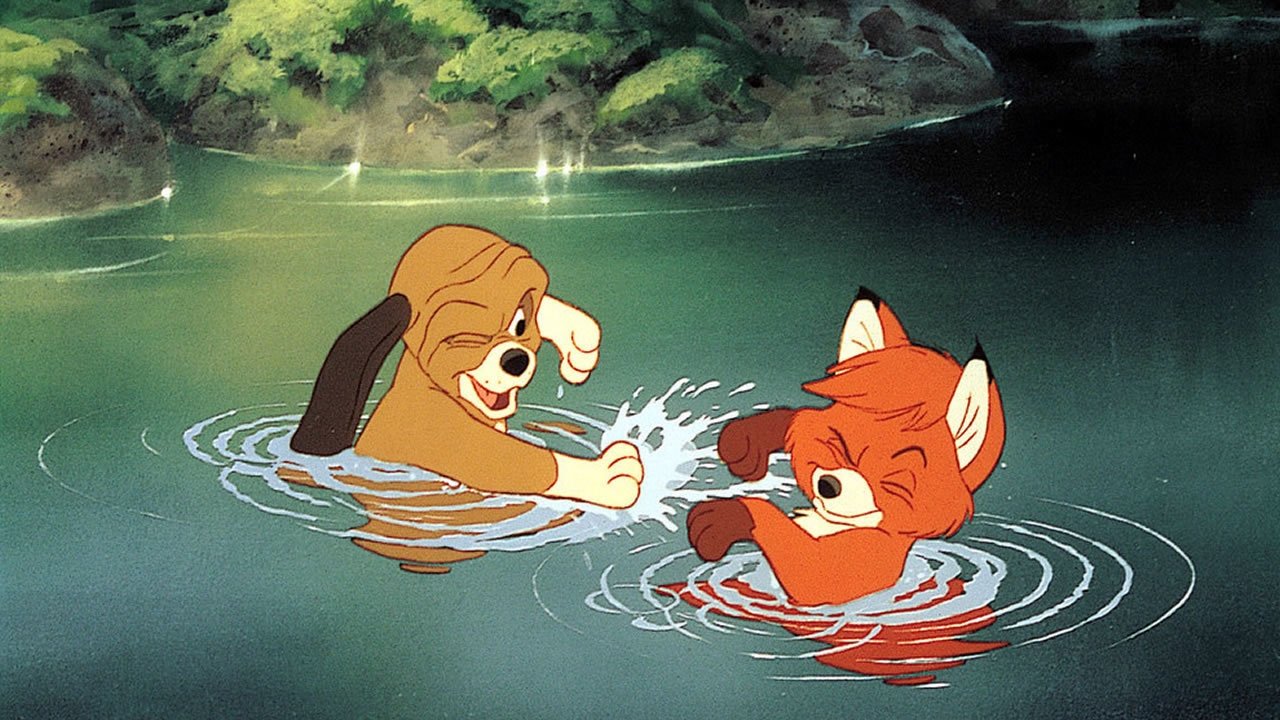
The Changing of the Guard
To understand why this movie feels so heavy, you have to look at what was happening behind the scenes at Walt Disney Productions. This was the "transition" film. The legendary "Nine Old Men"—the animators who built the kingdom—were handing over the keys to a group of ambitious, frustrated youngsters. During production, a young animator named Don Bluth (who later gave us The Secret of NIMH and The Land Before Time) grew so disillusioned with the studio's direction that he staged a massive walkout, taking 15% of the animation staff with him.
The delay caused by this "animation mutiny" is felt in the final product, but so is the hunger of the kids who stayed. You can see the fingerprints of future legends everywhere. A young Glen Keane (the genius behind Beauty and the Beast) handled the climactic bear fight, while an uncredited Tim Burton was reportedly stuck drawing "cute" foxes—a task he apparently detested. This friction between the old-school Disney sentimentality and the new-school desire for edge creates a film that doesn't pull its punches. The bear at the end of this movie is scarier than most modern horror movie villains, precisely because it feels like it stepped out of a different, more dangerous film entirely.
A Masterclass in Quiet Heartbreak
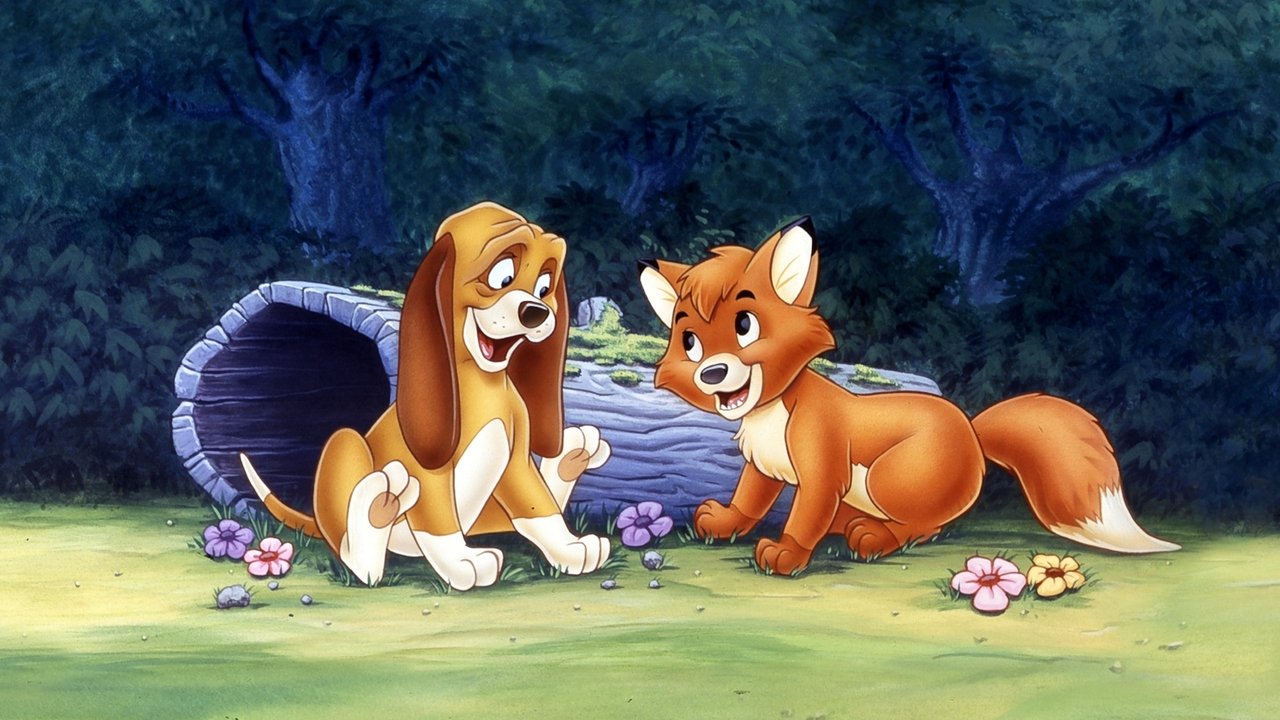
At its core, this is a drama about the tragedy of socialization. We watch Tod (voiced with a feisty, youthful energy by Mickey Rooney) and Copper (brought to life with a soulful, weary charm by Kurt Russell) promise to be friends "forever." The tragedy, of course, is that they live in a world that won't let them.
The film earns its emotional weight through restraint. There are no magical transformations or talking candlesticks. Instead, we get the "Goodbye May Seem Forever" sequence, where Jeanette Nolan’s character, Widow Tweed, has to abandon Tod in the woods for his own safety. I’ll be honest: I usually pride myself on a certain level of cinematic detachment, but that scene makes me want to call my mother and apologize for every time I was grumpy as a teenager. The way the animation captures the confusion in Tod’s eyes as he watches the car drive away is a masterclass in character depth.
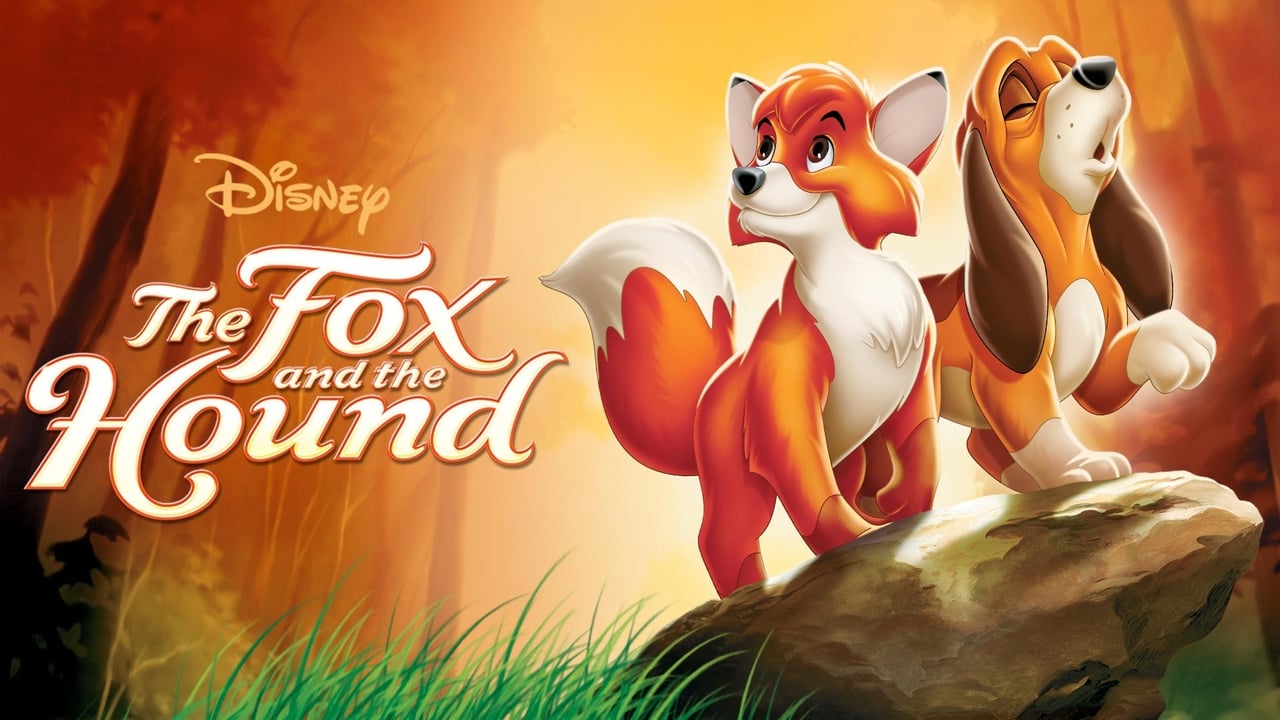
Kurt Russell and Mickey Rooney are an odd pairing on paper, but they work because they represent two different types of maturity. Rooney’s Tod is eternally optimistic, a rebel who doesn't understand the rules. Russell’s Copper is the one who accepts the burden of "duty," even when it breaks his heart. Their confrontation at the waterfall isn't just an action set-piece; it's a messy, painful collision of two people who have been taught to hate one another despite their better instincts.
The Clamshell Legacy
For those of us who grew up in the VHS era, The Fox and the Hound was a permanent fixture on the shelf. I remember the specific texture of that white plastic clamshell case—the way it would eventually crack at the corners and the smell of the chemical-heavy ink on the cover art. Unlike Cinderella or Peter Pan, which felt like events, The Fox and the Hound was the tape you put on when you wanted to feel something real.
The film’s cult status comes from this "home video" intimacy. It wasn't a massive theatrical juggernaut upon release, but through millions of repeated viewings on CRT televisions, it became a foundational text for a generation’s understanding of loss. There’s a grainy, earthy quality to the backgrounds—the deep greens of the forest and the muddy browns of the hunting trail—that looked particularly evocative through the slight fuzz of a worn-out magnetic tape. It felt less like a cartoon and more like a memory.
The Weight of the Ending
One of the most fascinating bits of trivia is that the film was originally going to be even darker. In the source novel by Daniel P. Mannix, the story ends with Copper hunting Tod to exhaustion and then Copper being euthanized by his master. Even in early script drafts, the grumpy old dog Chief (voiced by Jack Albertson) was supposed to die after being hit by the train. The studio eventually decided that killing a dog was a bridge too far for 1981 audiences, so Chief survived with a broken leg.
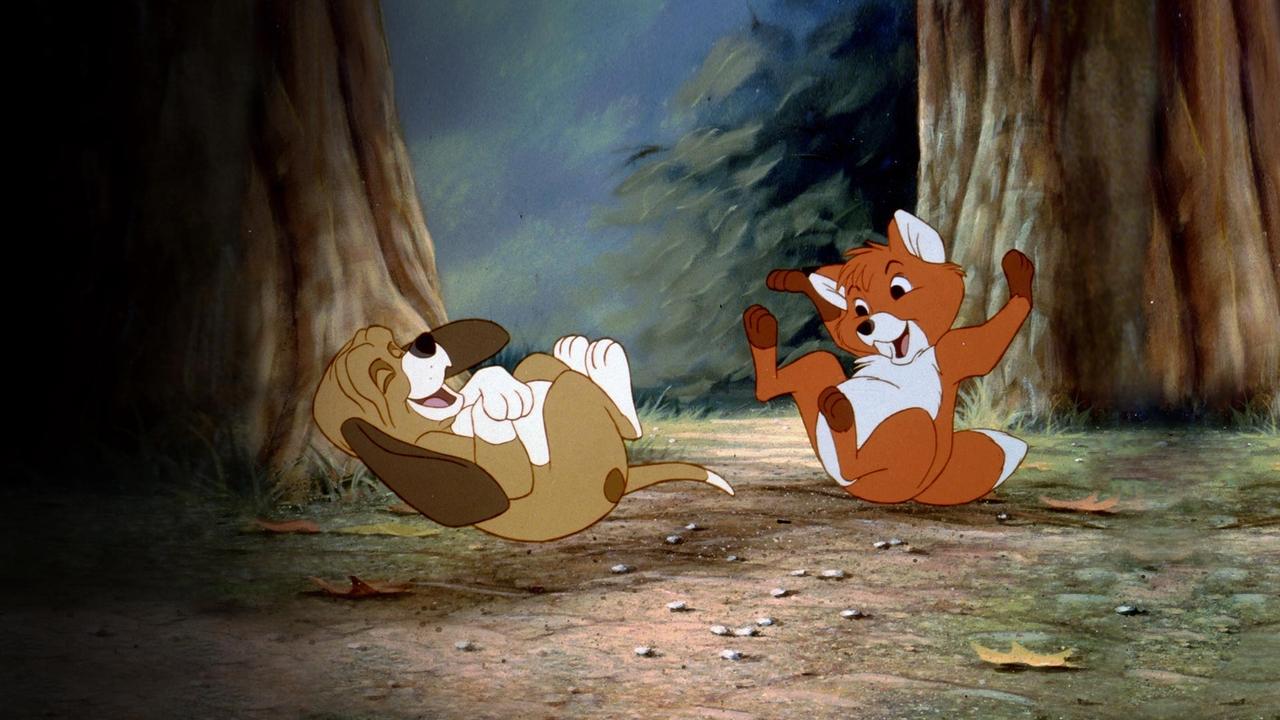
However, the film still keeps the bittersweet ending that makes it a "cult" favorite among drama enthusiasts. There is no magical reset button. Tod and Copper don’t go back to playing in the meadow. They save each other’s lives, share a final, knowing glance, and then go their separate ways. The ending of this movie is more mature than 90% of the Marvel Cinematic Universe, because it acknowledges that some things, once broken, can’t be fixed—they can only be respected.
The Fox and the Hound is a beautiful, flawed, and deeply empathetic piece of cinema. It’s the sound of a studio growing up and the sight of two friends being pulled apart by a world they didn't build. If you haven't seen it since you were a kid, watch it again. You’ll realize it wasn't just a movie about a fox and a dog; it was a movie about how hard it is to stay kind in a world that demands you be a hunter.
Keep Exploring...
-
The Rescuers
1977
-
The Black Cauldron
1985
-

An American Tail
1986
-
Robin Hood
1973
-
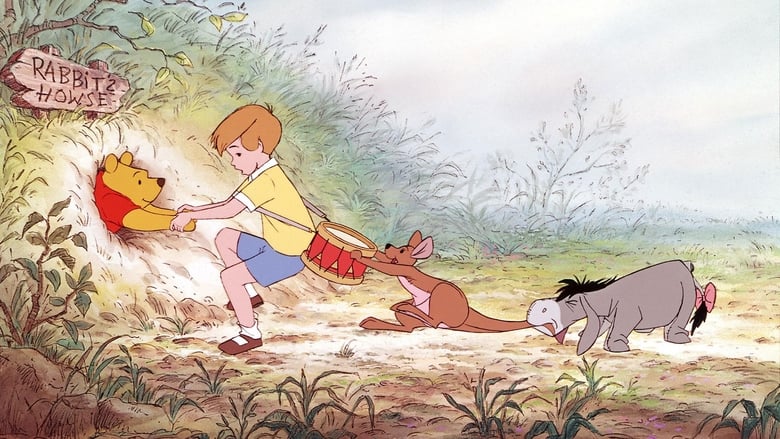
The Many Adventures of Winnie the Pooh
1977
-
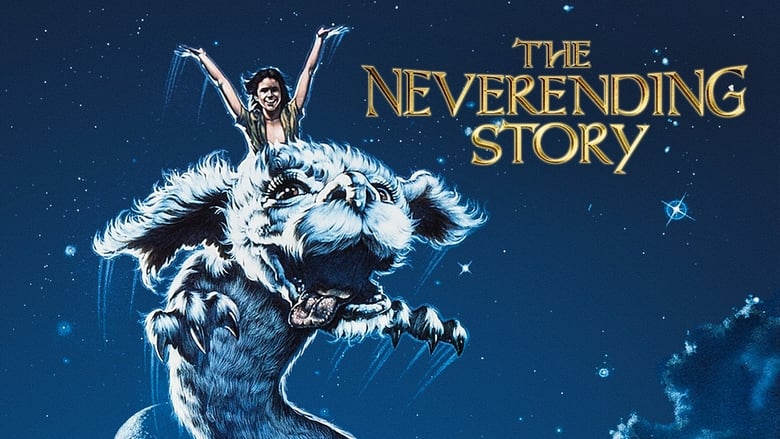
The NeverEnding Story
1984
-
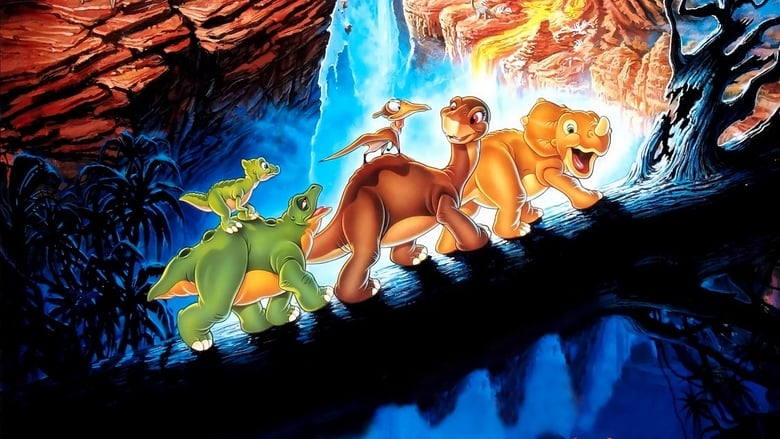
The Land Before Time
1988
-
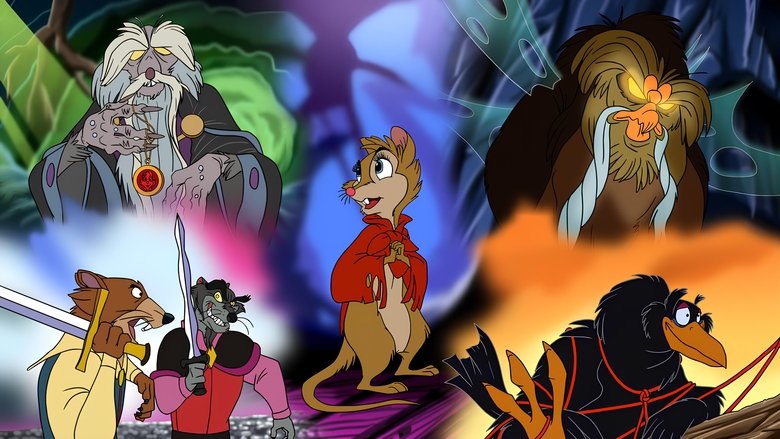
The Secret of NIMH
1982
-
The Karate Kid
1984
-
The Great Mouse Detective
1986
-
The Karate Kid Part II
1986
-

The Swan Princess
1994
-
The Lion King II: Simba's Pride
1998
-
Dinosaur
2000
-
Spirit: Stallion of the Cimarron
2002
-
Cars 3
2017
-
The Aristocats
1970
-
The Goonies
1985
-

Bedknobs and Broomsticks
1971
-

All Dogs Go to Heaven
1989