The Howling
"Silver bullets won't stop the itch."
The first time I saw The Howling, I was sitting in a beanbag chair that smelled vaguely of old basement, nursing a lukewarm Diet Coke and trying to ignore the fact that my cat was shedding aggressively on my shins. There’s a specific kind of grime to early 1980s horror that feels like it’s rubbing off on your skin, and Joe Dante’s 1981 masterpiece is the king of that aesthetic. It starts in the neon-slicked, rain-drenched alleys of Los Angeles—a world of adult bookstores and flickering TV screens—and ends in a "rehabilitation center" that feels like a hippie retreat designed by a taxidermist.
While An American Werewolf in London usually wins the popular vote for the best lycanthrope flick of 1981, The Howling is the one that actually gives me the creeps. It’s sleazier, weirder, and far more cynical. It doesn't want to make you cry for a doomed American tourist; it wants to remind you that your neighbors might actually be interested in eating your liver.
The Alchemy of Air Bladders and Latex
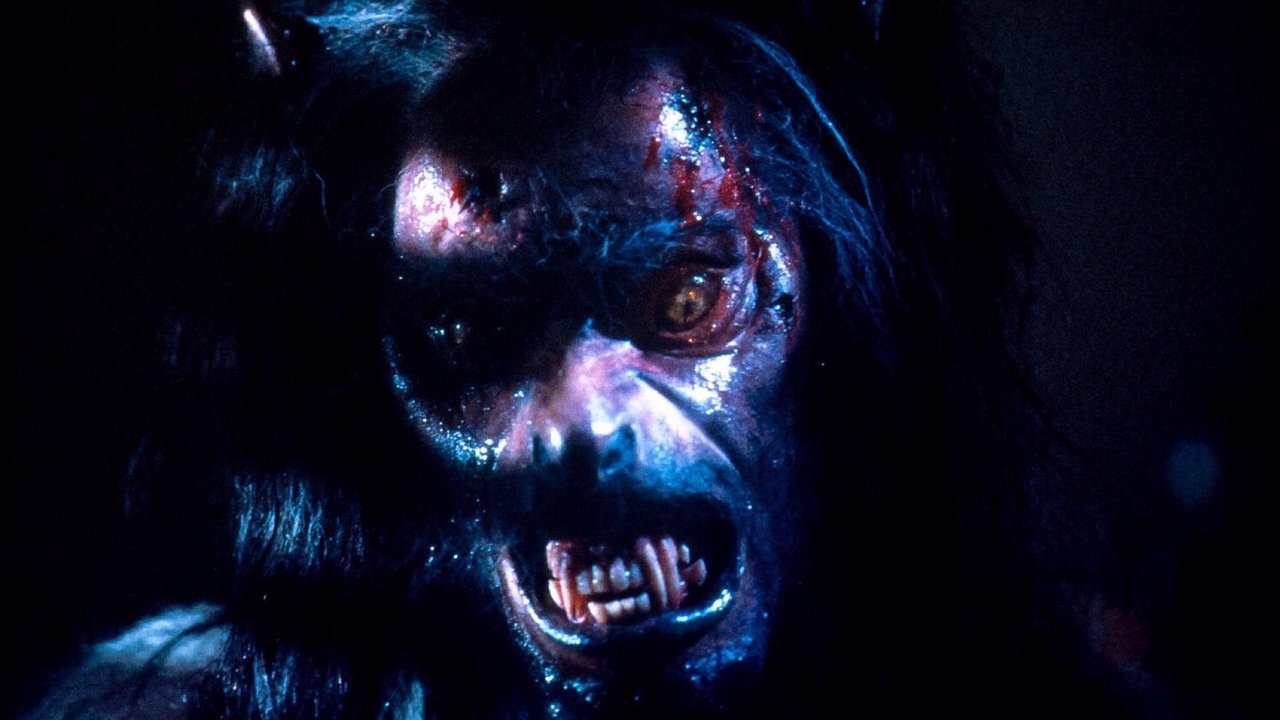
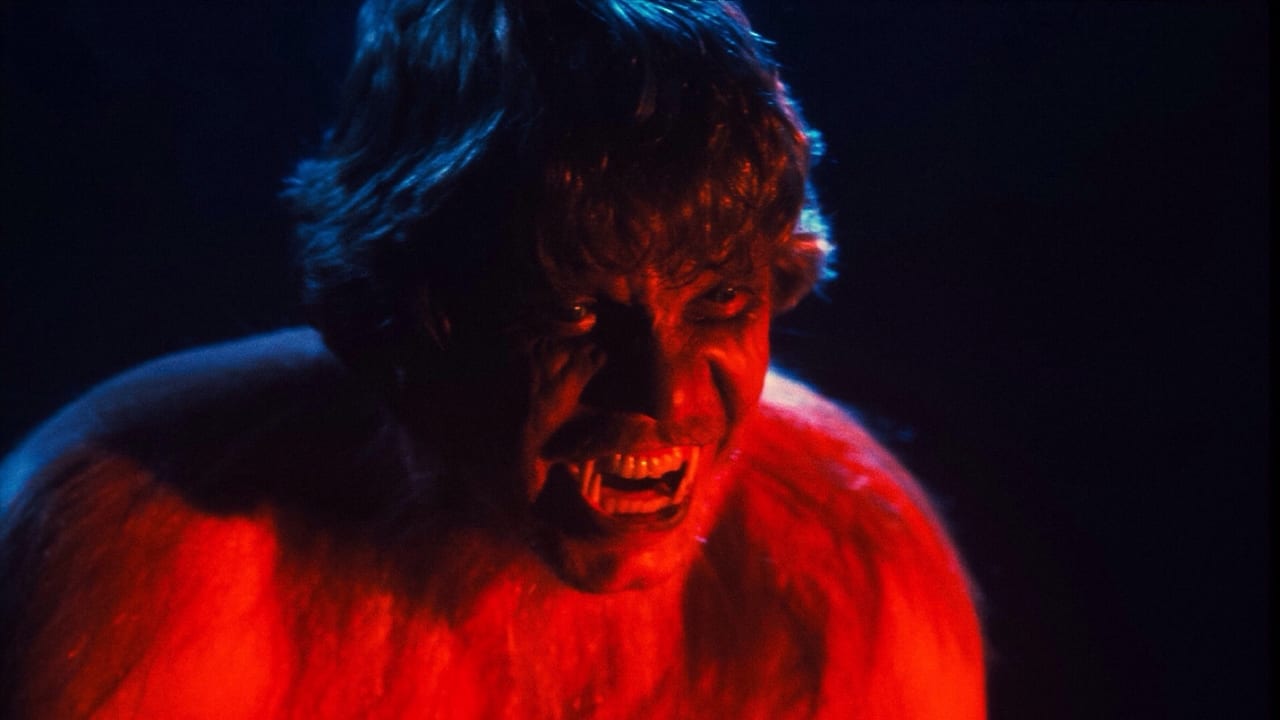
We have to talk about the transformation. In the era of the "Practical Effects Golden Age," this was a seismic event. Rob Bottin, who was only 21 at the time (a fact that makes me feel like a total underachiever), stepped in when Rick Baker left to do American Werewolf. Using a mix of air bladders under latex and intricate cable-controlled animatronics, Bottin created a sequence that remains profoundly disturbing.
Unlike modern CGI, which often feels like pixels fighting other pixels, there is a physical weight to the change here. When Robert Picardo’s Eddie Quist begins to shift, you see the skin bubble and stretch. You hear the wet, crunching sound of bone rearranging itself. I remember the first time I saw that snout elongate—it felt like watching something I wasn't supposed to see. It’s slow, agonizing, and messy. The werewolves in this movie look like giant, terrifying Maine Coon cats on a bad trip, and I mean that as the highest possible compliment. They have these towering, pointed ears and a predatory stillness that makes the furry suits of the 1940s look like pajamas.
A Satirical Bite Beneath the Fur

What sets The Howling apart from its peers is the screenplay by John Sayles (who also has a great cameo as a morgue attendant). Joe Dante is a director who grew up on a diet of Looney Tunes and monster magazines, and he peppers the film with inside jokes. Characters are named after famous werewolf movie directors, and the "Colony" itself is a brilliant send-up of the self-help obsession of the late 70s.
Patrick Macnee plays Dr. George Waggner with a wonderful, smooth-talking menace. He’s trying to teach his pack to suppress their animal urges, but the film suggests that maybe we aren’t meant to be civilized. The tension between Dee Wallace’s vulnerable, traumatized Karen White and the predatory inhabitants of the retreat is palpable. Dee Wallace is the secret weapon here; she has a way of crying that makes you feel like your own heart is breaking, which makes the film’s nihilistic ending land with the force of a sledgehammer.
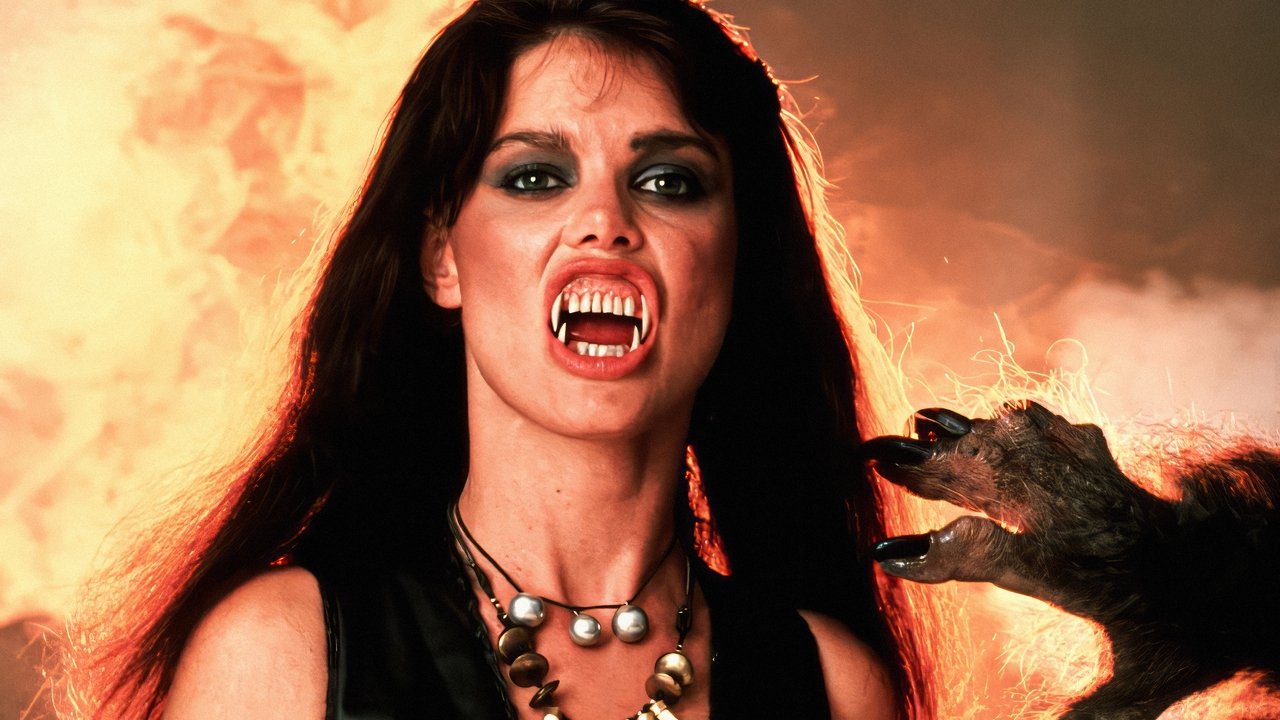
I’ve always felt that The Howling captures the Reagan-era anxiety about the breakdown of the traditional family. The wolves aren't just monsters; they are a community. They have their own rules, their own sexuality, and their own terrifying brand of freedom. Watching them feast by the firelight feels less like a horror movie and more like a twisted version of a suburban barbecue.
The Legacy of the Scratch-Marked Box
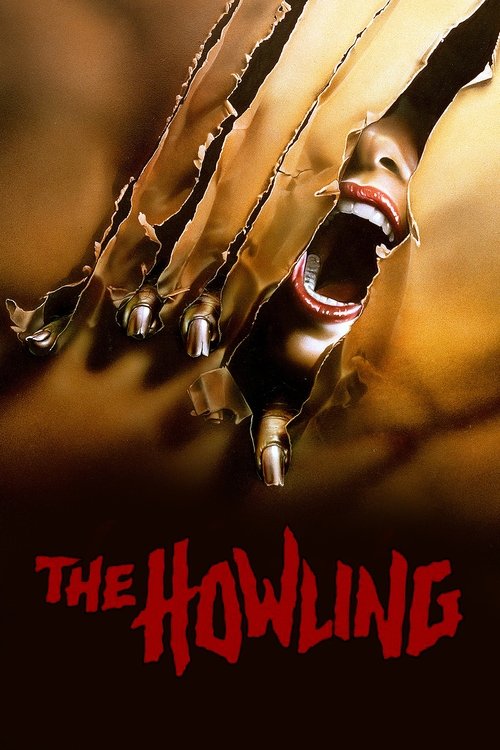
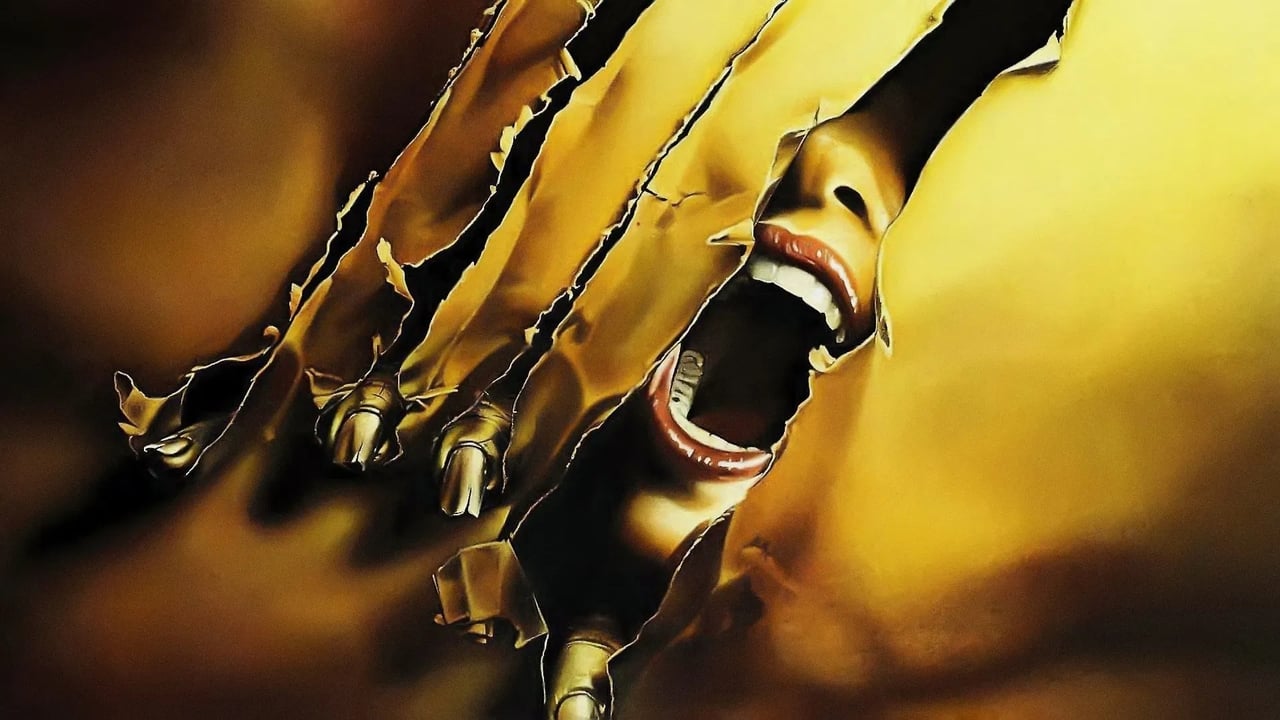
For those of us who grew up roaming the aisles of independent video stores, the AVCO Embassy VHS box for The Howling was iconic. It featured those three jagged red scratch marks tearing through the black background. It was a tape that was always in demand, and my local shop had a copy so worn out that the tracking would go haywire specifically during the bookstore scene with the "Eddie Quist" drawings.
That home video revolution turned The Howling into a cult institution. It wasn't just a movie you saw once; it was a movie you studied. You paused the tape to see how the hair grew out of the skin. You rewatched the ending to see if you could spot the subtle hints earlier in the film. It feels like a movie made by fans, for fans. Dante fills the frame with "blink and you'll miss it" cameos and references to The Wolf Man and The Three Little Pigs, rewarding anyone who is paying close attention.
Even now, 40-plus years later, the film’s cynicism feels fresh. It mocks the media’s desire to turn tragedy into a "top story" and suggests that the real monsters aren't hiding in the woods—they're right there on your television screen, smiling at you.
The Howling is a rare beast that manages to be genuinely scary while maintaining a wicked sense of humor. It represents the pinnacle of what a creative team can do with a million dollars and a lot of latex. It’s a film that understands that the most frightening thing isn't the wolf in the shadows, but the realization that the wolf might actually be the one holding the camera. If you haven't revisited the Colony lately, turn the lights down and find a copy. Just maybe skip the pepperoni pizza while you're watching the transformation—it gets a bit messy.
Keep Exploring...
-
Critters
1986
-
Gremlins
1984
-

Invasion of the Body Snatchers
1978
-

The 'Burbs
1989
-

Cujo
1983
-
Carrie
1976
-
Eraserhead
1977
-

The Hills Have Eyes
1977
-

Halloween
1978
-
The Amityville Horror
1979
-
Friday the 13th
1980
-
The Fog
1980
-
Halloween II
1981
-

The Evil Dead
1981
-

A Nightmare on Elm Street
1984
-
Children of the Corn
1984
-

A Nightmare on Elm Street Part 2: Freddy's Revenge
1985
-

Day of the Dead
1985
-

Re-Animator
1985
-
The Texas Chainsaw Massacre 2
1986