48 Hrs.
"A badge, a convict, and zero patience."
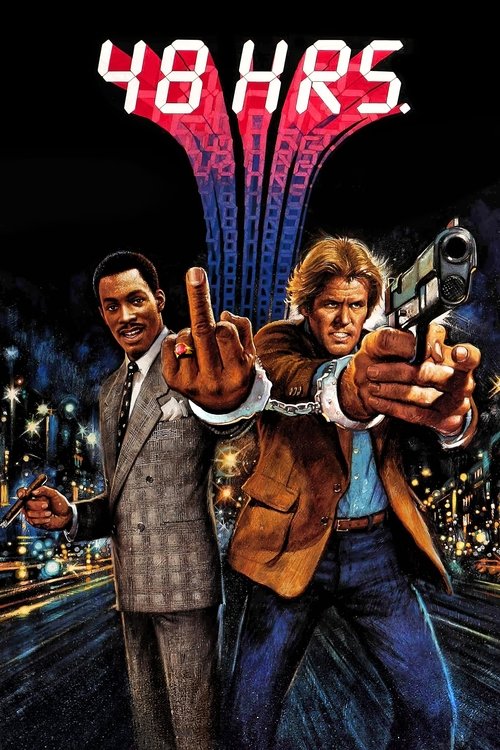
San Francisco in the early 1980s wasn’t the tech-scrubbed, sourdough-scented postcard it is today. In the hands of director Walter Hill, it was a labyrinth of steam-venting alleys, neon-drenched dive bars, and primary-colored Cadillacs that looked like they hadn't seen a car wash since the Ford administration. When 48 Hrs. hit theaters in December 1982, it didn't just introduce a new kind of action movie; it basically handed the keys to the next decade of cinema over to a 21-year-old kid from Saturday Night Live who had never been in a movie before.
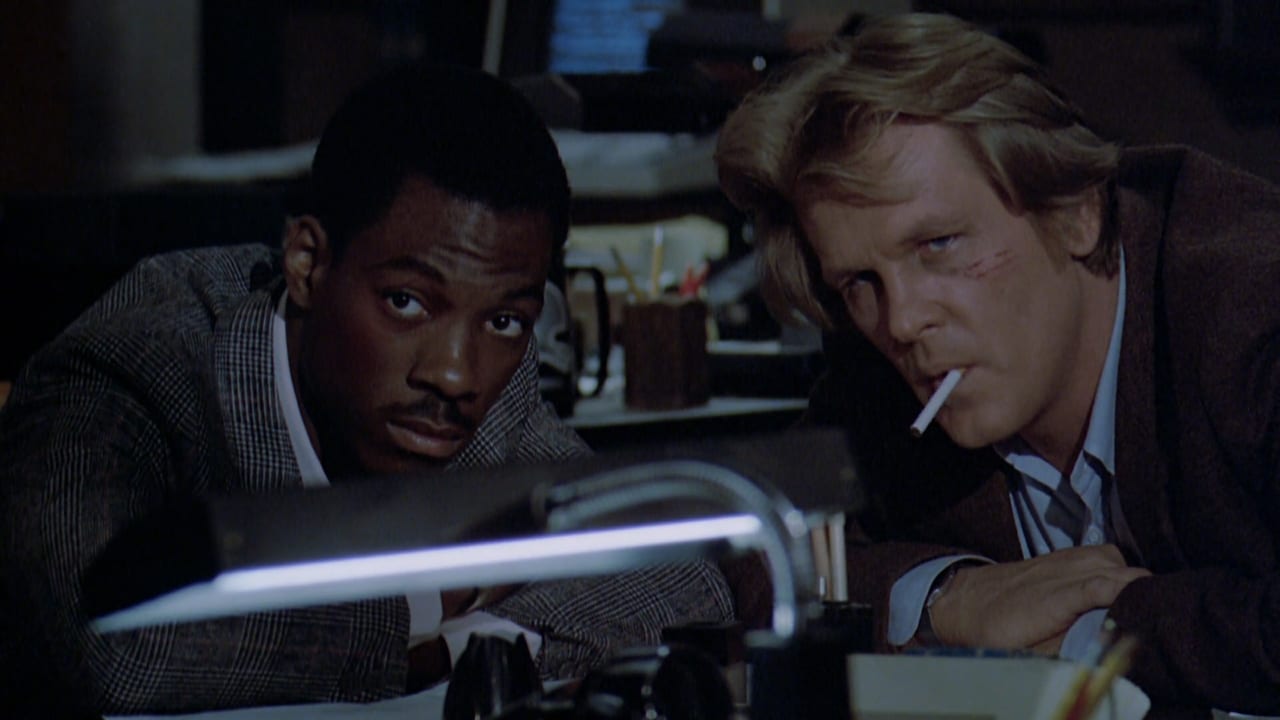
I recently revisited this one on a Tuesday afternoon while my neighbor was leaf-blowing his driveway for three hours straight. Even with the suburban drone in the background, the sheer magnetic pull of this film is undeniable. It’s a lean, mean, 96-minute machine that doesn't waste a single frame on "getting to know you" fluff.
The Birth of the Odd Couple
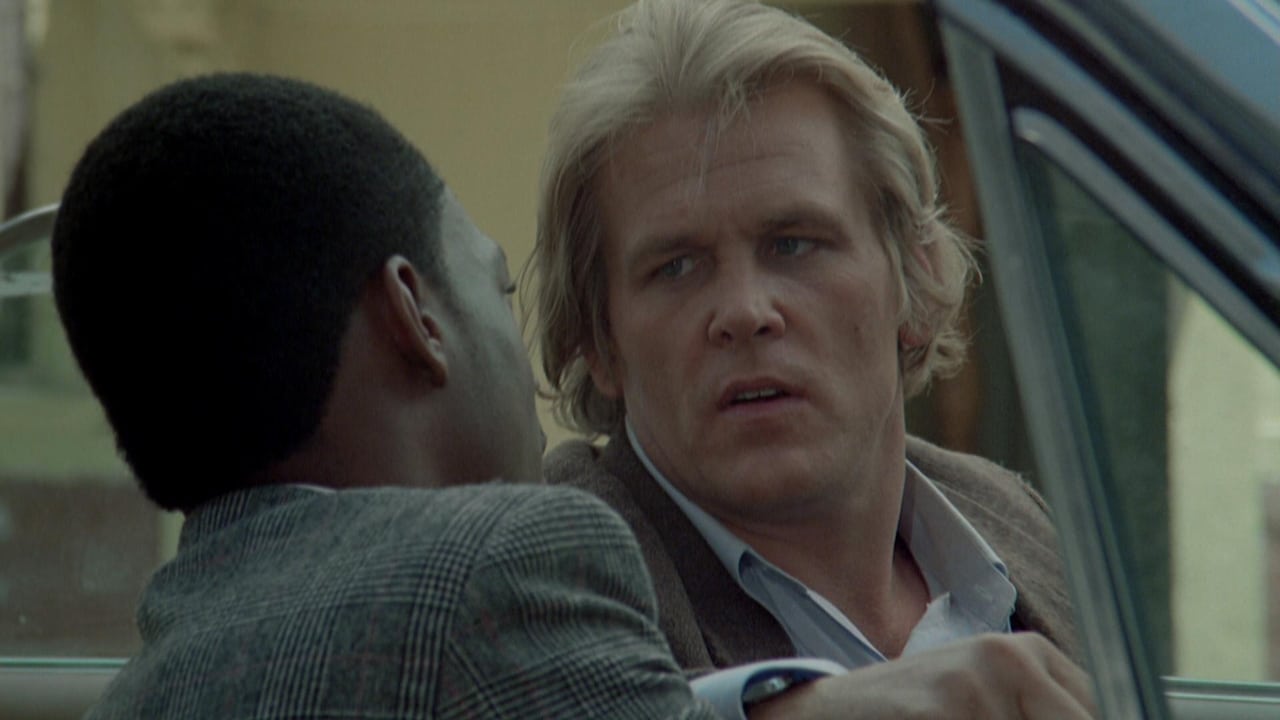
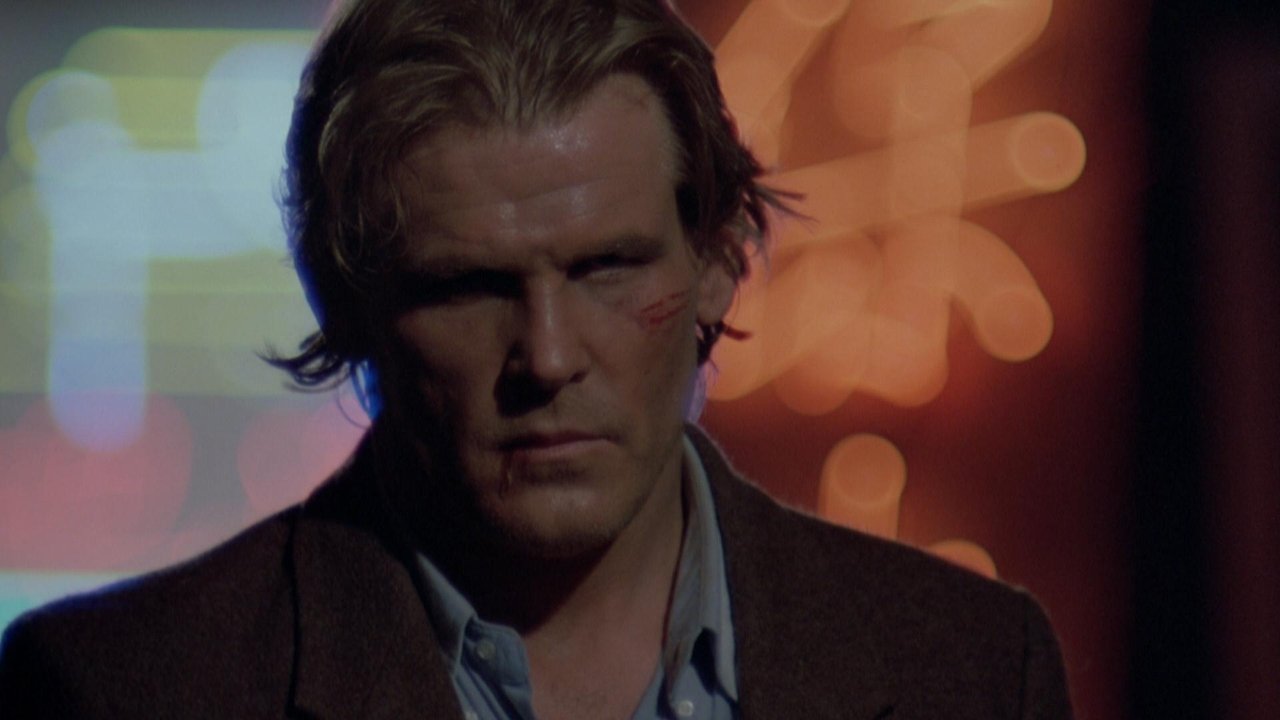
Before Lethal Weapon or Rush Hour turned the buddy-cop formula into a polished assembly line, Walter Hill gave us something far more abrasive. Jack Cates (Nick Nolte) is a detective who looks like he was cured in a smokehouse and then soaked in cheap bourbon. He’s a mess of a human being—angry, bigoted, and perpetually one cigarette away from a coronary. When a pair of psychopathic cop-killers, played with terrifying intensity by James Remar and David Patrick Kelly, escape from a road gang, Cates realizes his only lead is a former associate of theirs currently rotting in jail.
Enter Reggie Hammond. If Nick Nolte is the immovable object, Eddie Murphy is the unstoppable force. This was Murphy's film debut, and watching it now is like seeing someone discover fire for the first time. He’s electric. While Cates is a blunt instrument, Hammond is a precision tool made of charisma and fast-talking bravado. The chemistry isn't built on friendship—at least not at first—but on a mutual, simmering dislike that only cools down when they realize they’re both equally good at being dangerous.
Practical Mayhem and Bluesy Bricks
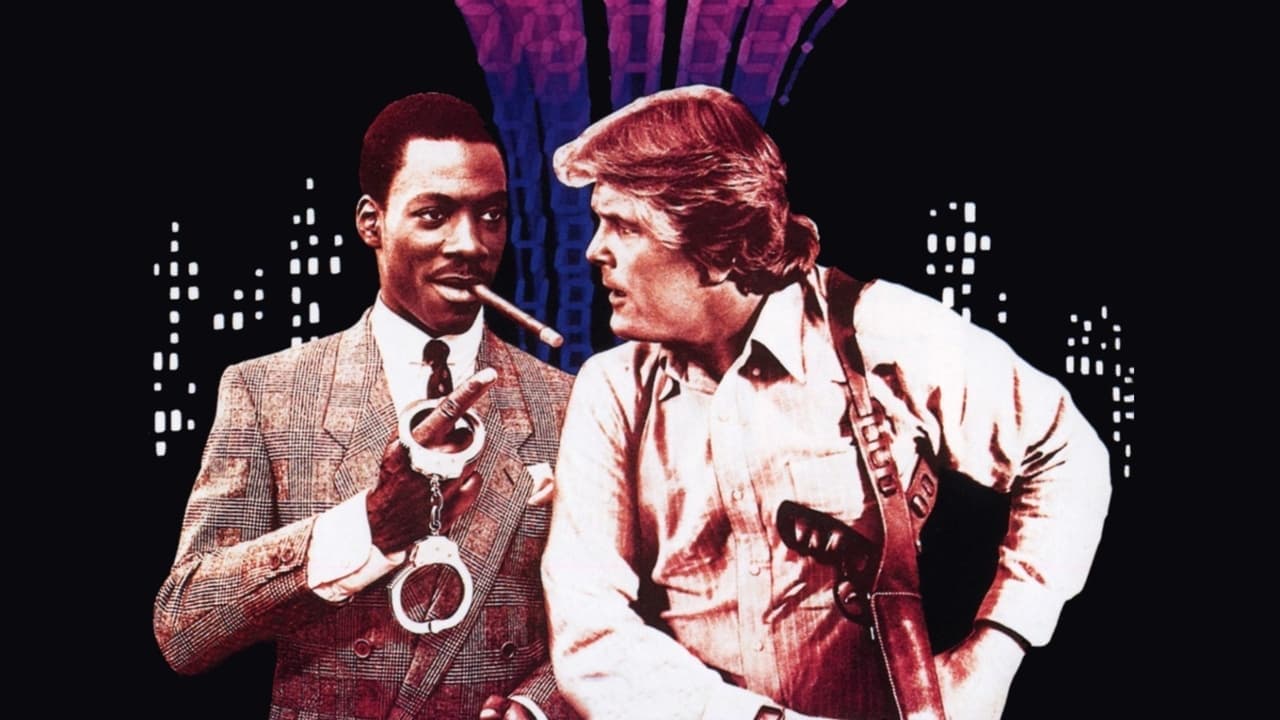
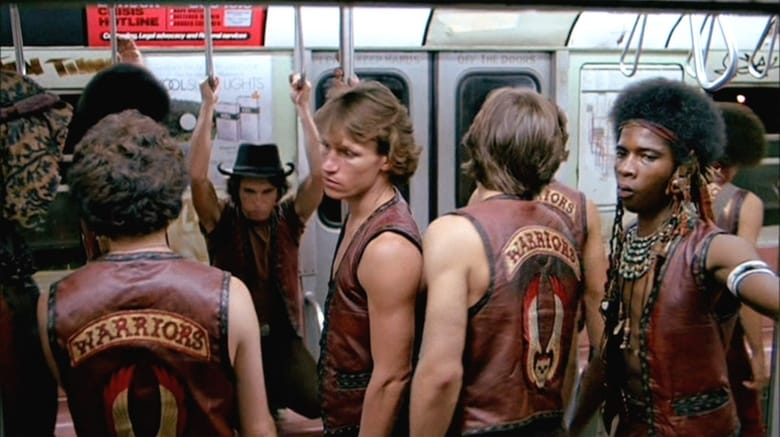
Coming off the stylized street-war aesthetic of The Warriors (1979), Walter Hill brought a grounded, physical weight to the action here. There are no CGI physics-defying stunts. When a bus flips or a car crashes into a hotel lobby, you feel the crunch of metal and the shatter of glass. The shootout at the hotel is a masterclass in spatial awareness; you always know where everyone is, and every gunshot feels like a punctuating mark on the scene’s tension.
The visual palette is classic 80s-noir, captured by cinematographer Ric Waite, who makes the rainy San Francisco streets look both beautiful and threatening. It’s all tied together by a score from James Horner, which is a far cry from his later orchestral sweeps in Titanic. Here, it’s all clicking percussion, saxophone wails, and urban blues. It’s the kind of music that makes you want to turn up the collar of your coat and look for a dark corner to lurk in.
Interestingly, the film’s iconic 1964 Cadillac DeVille—the beat-up convertible the duo cruises in—was actually a character in itself. The production reportedly used several of them, and for the VHS era, that car became the ultimate symbol of the movie's "cool but crumbling" vibe. I recall the Paramount "Big Box" VHS cover prominently featuring that car, a visual promise of the bumpy ride inside.
The Redneck Bar and the Changing Guard
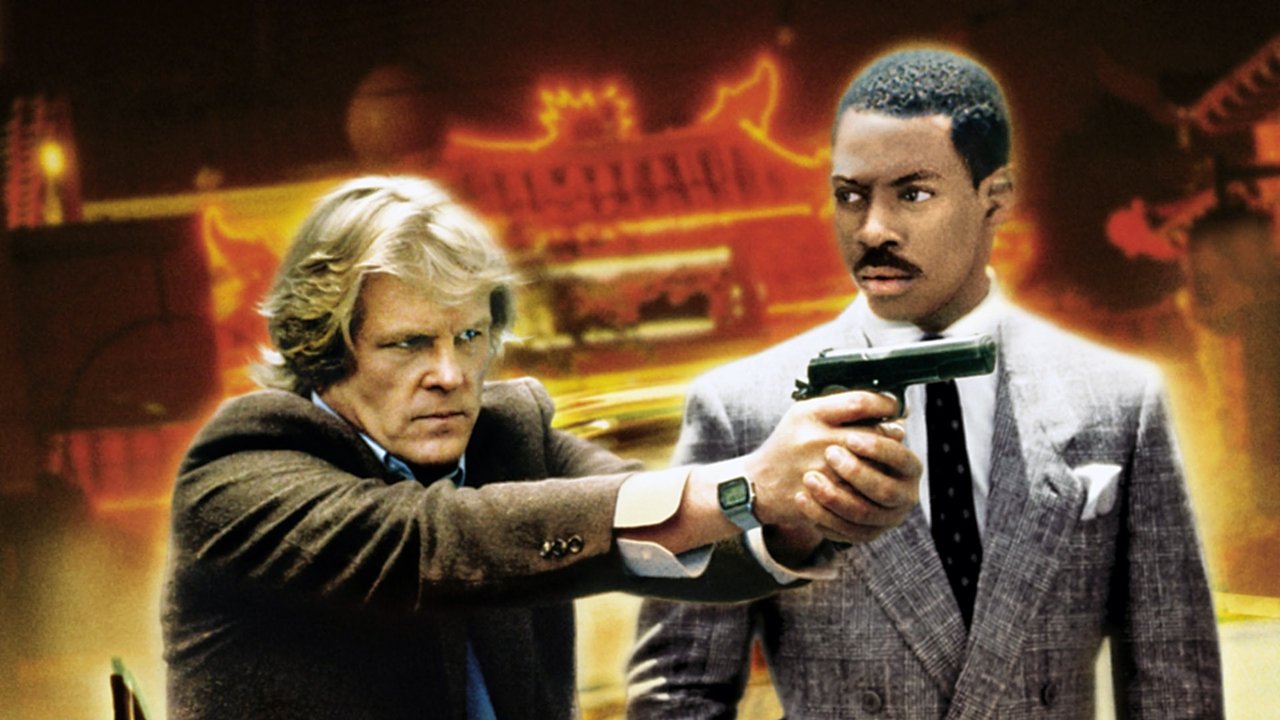
You can't talk about 48 Hrs. without mentioning the "Torchy’s" scene. It’s the moment Reggie Hammond truly arrives. Walking into a hostile redneck bar, flashing a fake badge, and demanding "a new sheriff in town" is a sequence that could have felt corny in lesser hands. But Murphy plays it with such terrifying confidence that it becomes the film’s high-water mark. It’s a subversion of the era’s racial tensions played for both laughs and genuine power.
The film isn't afraid to be ugly, though. The dialogue is harsh, peppered with slurs and insults that would never make it past a modern script doctor. Yet, it feels honest to the characters. Cates is a relic of a dying world, and his wardrobe—which is basically a distressed brown paper bag with buttons—reflects a man who has given up on everything except the job. The friction between him and Hammond isn't just about "cop vs. con"; it’s about the 70s grit of New Hollywood bumping up against the high-energy, personality-driven 80s.
48 Hrs. remains the gold standard for the genre it helped invent. It avoids the bloat that plagued its many imitators by staying focused on the clock and the characters. Walter Hill’s direction is as tight as a drum, and the lightning-in-a-bottle pairing of Nolte and Murphy is something that studios have spent the last forty years trying (and mostly failing) to replicate. It’s a gritty, funny, and relentlessly entertaining slice of 82 that reminds us why we started going to the movies—and the video store—in the first place.
Keep Exploring...
-
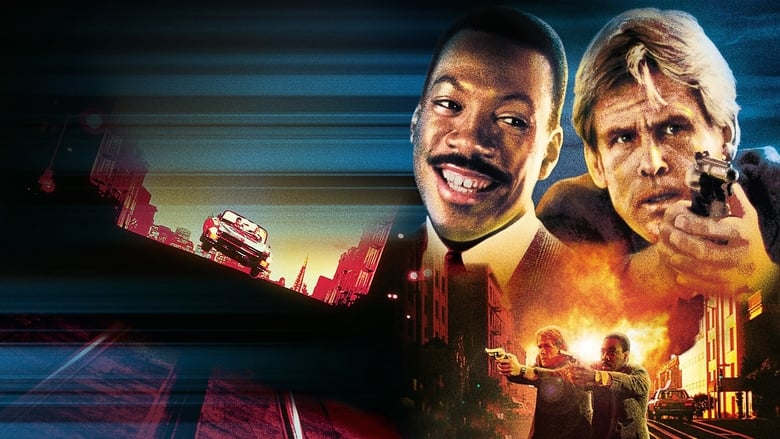
Another 48 Hrs.
1990
-
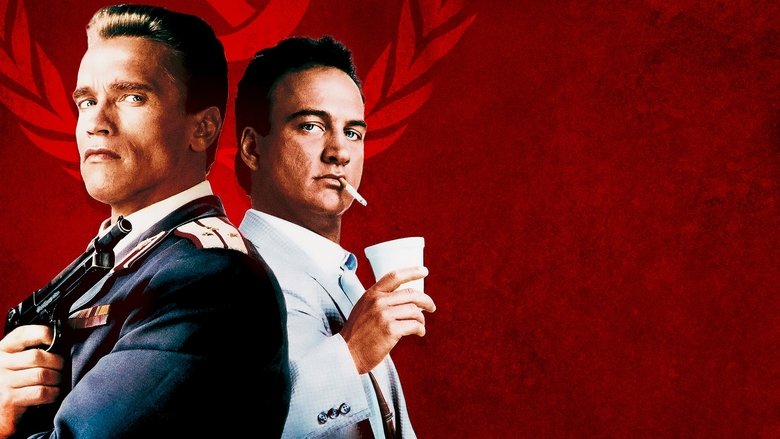
Red Heat
1988
-

Midnight Run
1988
-
K-9
1989
-
Turner & Hooch
1989
-
Batman
1966
-
Beverly Hills Cop II
1987
-
The Warriors
1979
-
Stripes
1981
-
Romancing the Stone
1984
-
The Jewel of the Nile
1985
-

The Golden Child
1986
-

Innerspace
1987
-
Tango & Cash
1989
-
Lethal Weapon 2
1989
-
Last Man Standing
1996
-
Beverly Hills Cop
1984
-
Police Story
1985
-
The Castle of Cagliostro
1979
-
Drunken Master
1978