Airplane II: The Sequel
"New Galaxy. Same Old Problems. Slightly More Shatner."
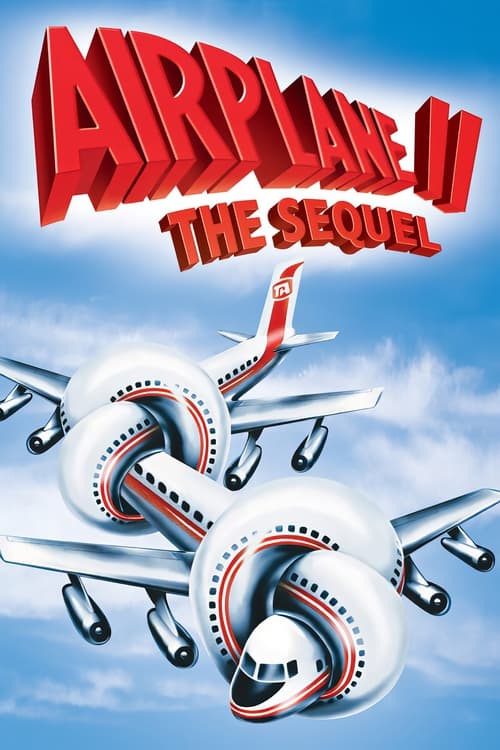
Imagine a Paramount board meeting in 1981 where the only item on the agenda was: "How do we do Airplane! again, but with more stars and less air?" The result was Airplane II: The Sequel, a film that defies the traditional laws of cinematic evolution by choosing to stay exactly where it started, only with a slightly higher vacuum. I recently rewatched this on a humid Tuesday evening while nursing a lukewarm ginger ale that had lost its carbonation—a fittingly flat accompaniment to a movie that is essentially a cinematic Xerox of a Xerox.
The ZAZ-Shaped Hole in the Cockpit
The most glaring thing about Airplane II isn't the change in setting from a Boeing 707 to the Mayflower One space shuttle; it’s the absence of the "ZAZ" trio (Zucker, Abrahams, and Zucker). The masters of the spoof genre opted out of this round, leaving writer-director Ken Finkleman to pick up the pieces. Finkleman’s approach was bold in its laziness: he didn’t just follow the template of the first film; he practically traced over the original script with a lunar-themed crayon.
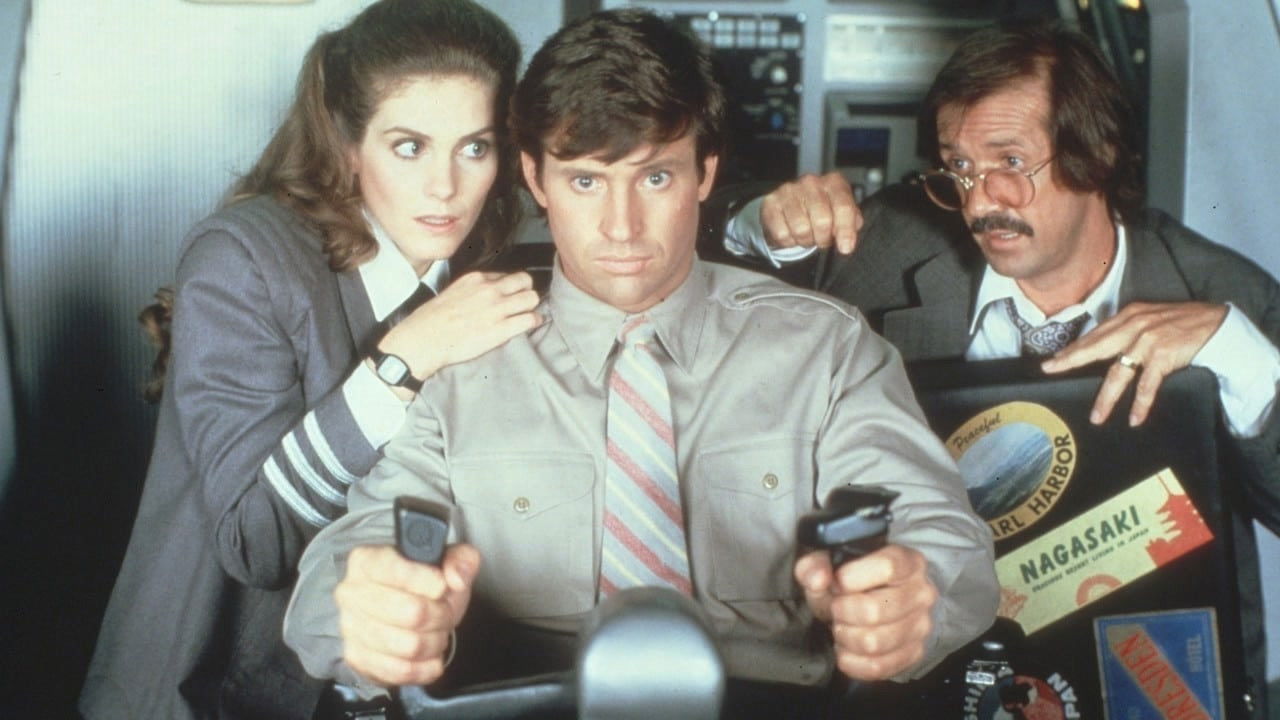
Robert Hays returns as Ted Striker, still sweating through his shirt and haunted by "The War" (now updated to a lunar conflict), and Julie Hagerty is back as Elaine, who is once again engaged to the wrong guy. The central conflict involves a faulty computer (named ROK) that decides the sun looks like a great place for a vacation. The pacing is frantic, but without the surgical precision of the first film, many of the jokes feel like they're screaming for your approval rather than earning it.
A Constellation of Character Actors
If the script feels like a recycled grocery list, the cast is what keeps the shuttle from drifting into total boredom. Lloyd Bridges returns as Steve McCroskey, still picking the wrong week to quit various life-threatening habits. He’s joined by Rip Torn as Bud Kruger, who brings a gruff, slightly unhinged energy to the ground control scenes. Torn was always great at playing men who looked like they were one bad coffee away from a meltdown, and he fits the "disaster movie" archetype perfectly.
But the real MVP—and the reason this movie exists in my "guilty pleasure" rotation—is William Shatner. Playing Commander Buck Murdock, Shatner leans so hard into his own persona that he nearly tips the movie over. Watching him navigate a base filled with "secret" sliding doors that don't actually work is a masterclass in comedic timing. He’s the only one who seems to realize that the best way to survive a sequel is to chew the scenery until there's nothing left but sawdust. It’s a performance that essentially predicted the self-aware, "Golden Era" Shatner we’d see decades later in Priceline commercials.
The VHS Rental Gamble
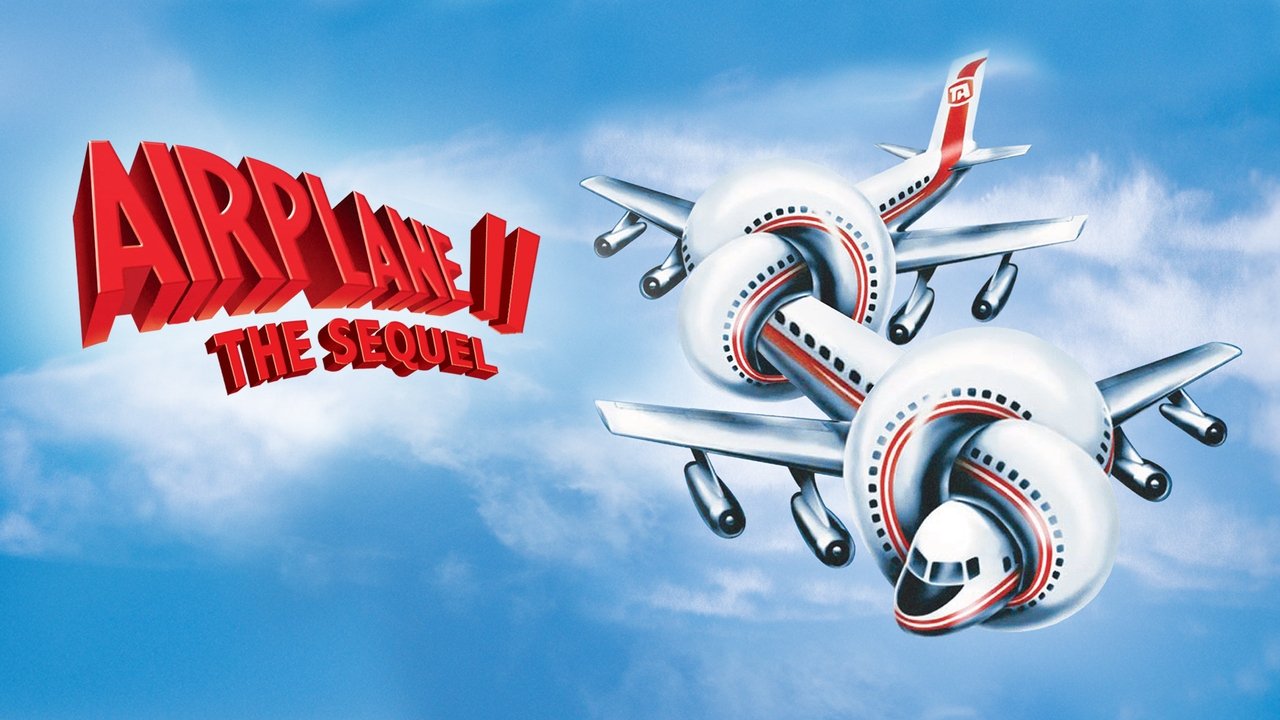
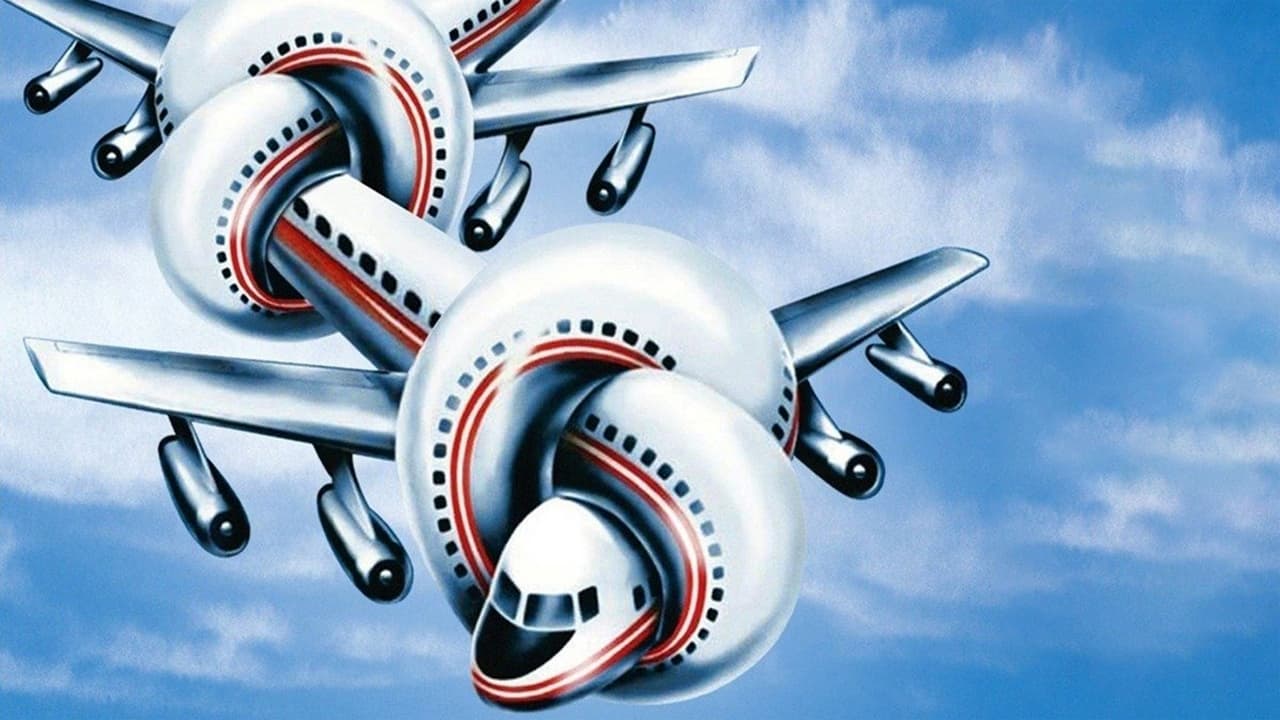
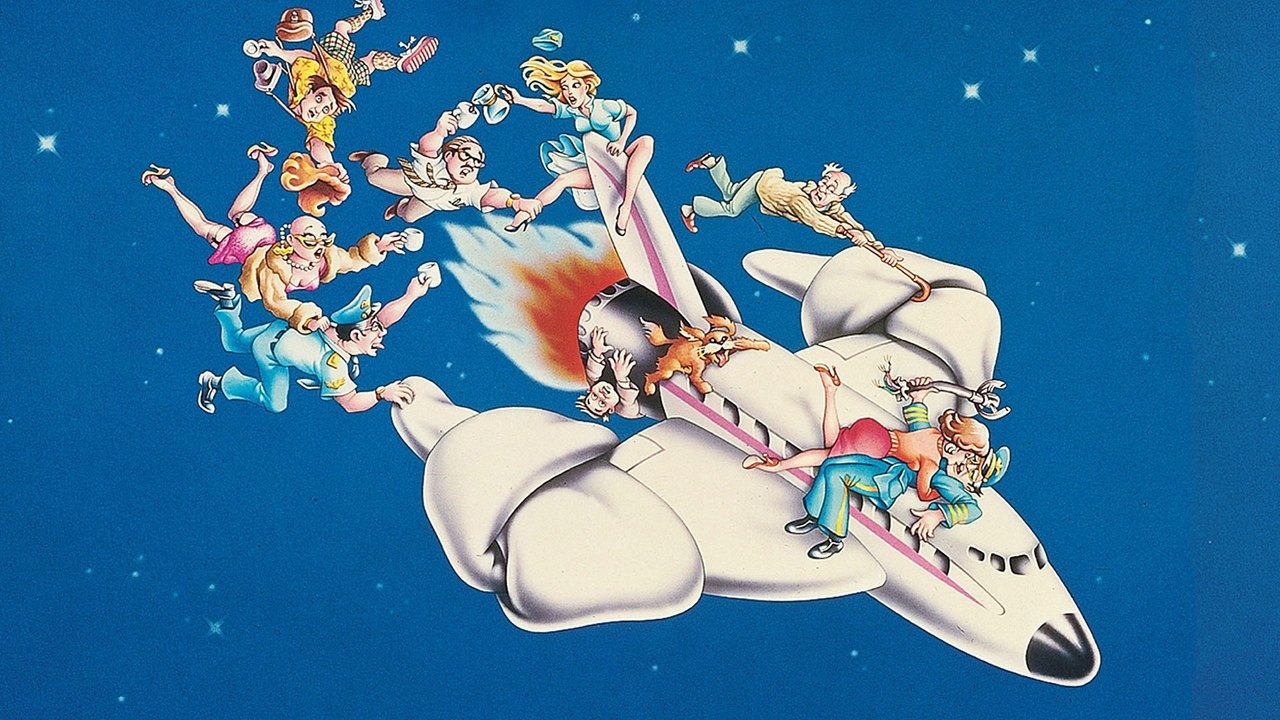
For those of us who grew up in the 80s and 90s, Airplane II was the ultimate "consolation prize" at the local video store. You’d walk into the shop with your heart set on the original, only to find an empty plastic shell on the shelf. Then, your eyes would drift to the right, and there it was: the Airplane II box art, featuring that iconic twisted plane, but with a goofy astronaut helmet on. It promised the same high-density gag rate, and for a kid with a $1.50 rental credit, that was enough.
In the era of the home video revolution, this film found a weird kind of immortality. On a grainy VHS tape, the dated practical effects—like the clearly-a-model shuttle vibrating against a star-field backdrop—actually look charming. There’s a warmth to the matte paintings and the blinking physical buttons of the 1980s vision of the "future" that CGI simply can't replicate. It’s a movie designed for the "rewind and rewatch" culture of the rental era; you’d often pause the tape just to see if the background gag you caught out of the corner of your eye was actually as stupid as you thought. (Spoiler: It usually was.)
Stuff You Didn't Notice
Interestingly, this sequel was actually a bit of a pioneer in the "post-credits scene" department, long before Marvel made it a requirement for employment. If you stuck through the credits, you’d see a teaser for "Airplane III" featuring William Shatner, a movie that, thankfully or tragically, never came to be.
Also, the production was famously rushed to hit a Christmas release window. Ken Finkleman reportedly had to write scenes in the morning that were filmed in the afternoon. This explains why Raymond Burr appears as a judge in a courtroom scene that feels like it belongs in a completely different movie. They were throwing every B-list celebrity at the wall to see what would stick.
Ultimately, Airplane II: The Sequel is the cinematic equivalent of a cover band. They know all the hits, they have the right costumes, and you’ll definitely tap your feet to "Don't Call Me Shirley," but you never forget you're watching an imitation. It’s a fascinating relic of an era when Hollywood thought the best way to follow a masterpiece was to simply do it again, louder and in a different zip code. If you go in expecting the genius of the original, you'll be disappointed, but if you're looking for 85 minutes of low-stakes absurdity, it's a perfectly acceptable way to kill a Tuesday. Just make sure your ginger ale has more bubbles than mine did.
Keep Exploring...
-
Airplane!
1980
-

History of the World: Part I
1981
-
Superman III
1983
-
Cocoon
1985
-
Ladyhawke
1985
-
National Lampoon's European Vacation
1985
-
Police Academy 2: Their First Assignment
1985
-
The Jewel of the Nile
1985
-
Weird Science
1985
-

Short Circuit
1986
-

The Golden Child
1986
-
The Money Pit
1986
-
¡Three Amigos!
1986
-
Overboard
1987
-
Police Academy 4: Citizens on Patrol
1987
-

The Witches of Eastwick
1987
-

Bedknobs and Broomsticks
1971
-

Cocoon: The Return
1988
-

All Dogs Go to Heaven
1989
-
K-9
1989