Blade Runner
"Artificial life. Real death. The rain never stops."
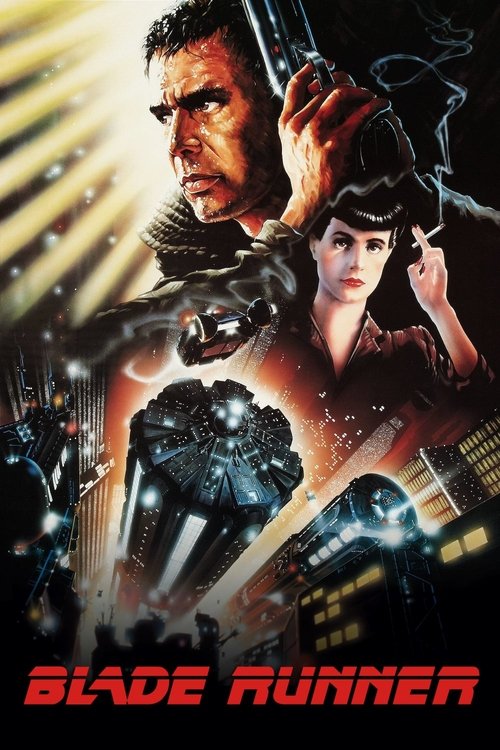
In June of 1982, American audiences wanted to go home with a glowing-fingered alien. They wanted the suburban warmth of Steven Spielberg. What Ridley Scott gave them instead was a cold, acid-soaked nightmare of 2019 Los Angeles that felt less like a distant future and more like a decaying, over-industrialized past. Blade Runner didn't just fail at the box office; it was actively rejected by a public that wasn't ready for a big-budget sci-fi film to be this relentlessly miserable.
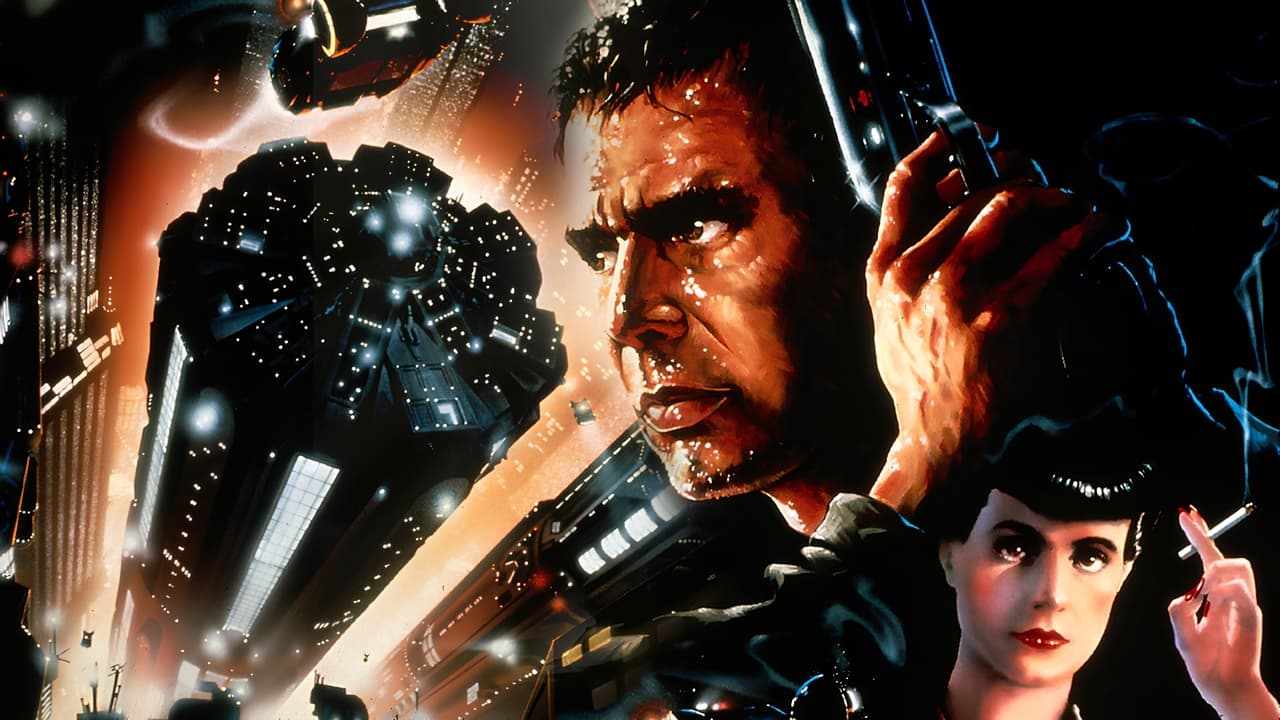
But then, the video stores happened. As a kid, I saw that silver-bordered VHS box in the "Sci-Fi" section for years before I finally dared to rent it. I watched it on a Tuesday night while eating a bowl of cold spaghetti, and I distinctly recall a moth fluttering around my desk lamp, casting giant, erratic shadows across the TV screen that weirdly synced up with the flickering neon of the film. It was the first time a movie made me feel like the future wasn't something to be excited about—it was something we were going to have to survive.
The Grime of the Practical Era
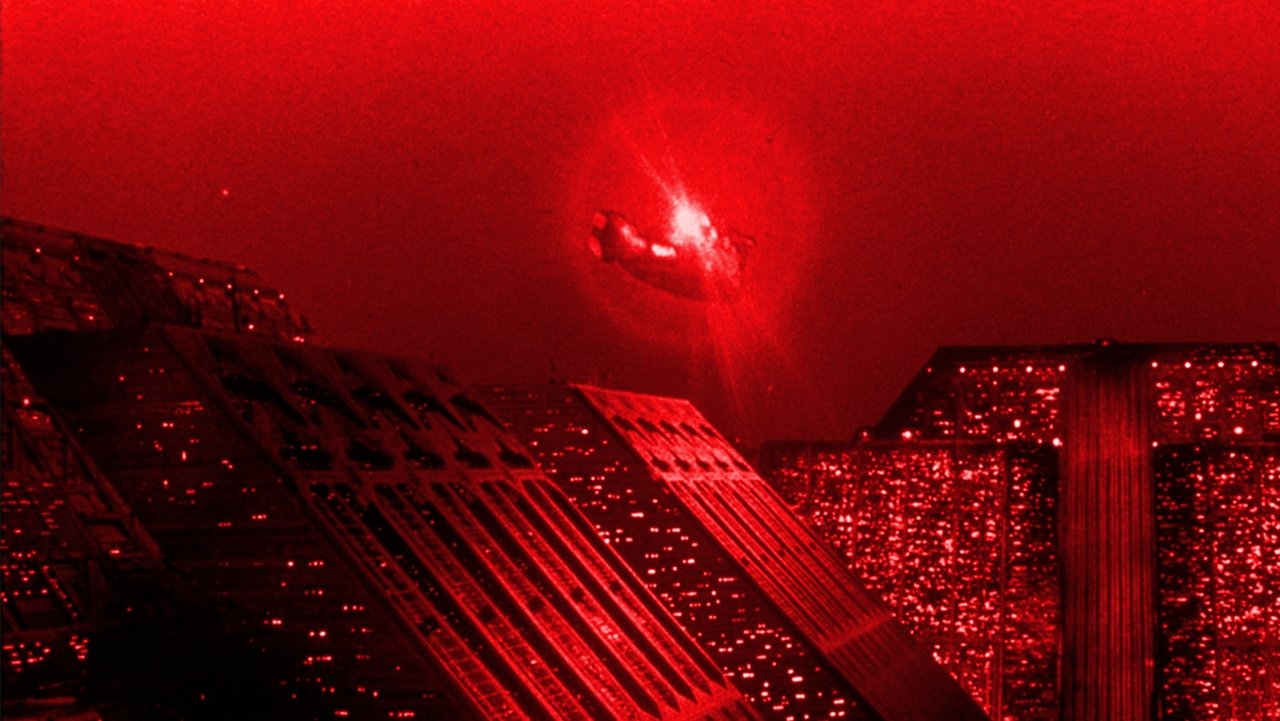
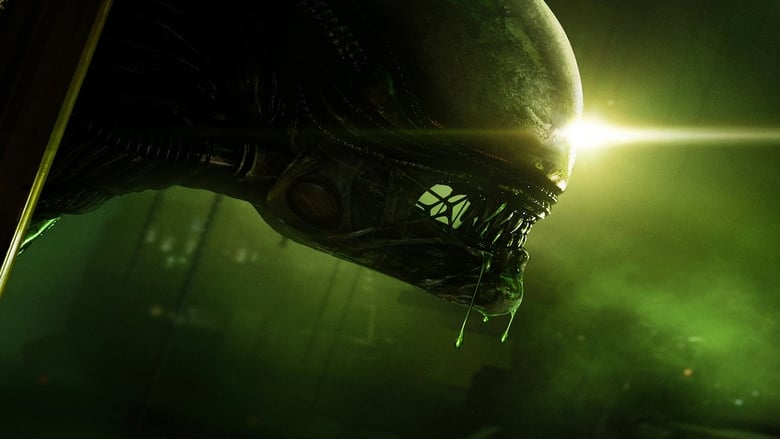
Before the digital revolution sanitized our blockbusters, movies were made of wood, smoke, and glass. The Los Angeles of Blade Runner feels tangible because it was tangible. Ridley Scott, fresh off the success of Alien (1979), obsessed over the "lived-in" look. Production designer Lawrence G. Paull and visual effects legend Douglas Trumbull didn't rely on binary code; they built massive, intricate miniatures and drowned the sets in so much practical smoke that the cast and crew were reportedly hacking up soot for weeks.
The cinematography by Jordan Cronenweth is a masterclass in light and shadow, leaning heavily into the "Tech-Noir" aesthetic. It’s a film where the light doesn’t just illuminate the scene; it pierces it. High-intensity beams cut through the smog of Deckard’s apartment, creating a sense of constant surveillance and claustrophobia. The theatrical voice-over is so bad it feels like Harrison Ford was reading the back of a cereal box while falling asleep, a studio-mandated addition that nearly smothered the film's incredible atmosphere. Thankfully, the home video era eventually allowed the "Director's Cut" and "Final Cut" to thrive, stripping away that clunky narration and letting the visuals—and Vangelis's haunting, synthesized score—do the heavy lifting.
The Tragedy of Being Manufactured

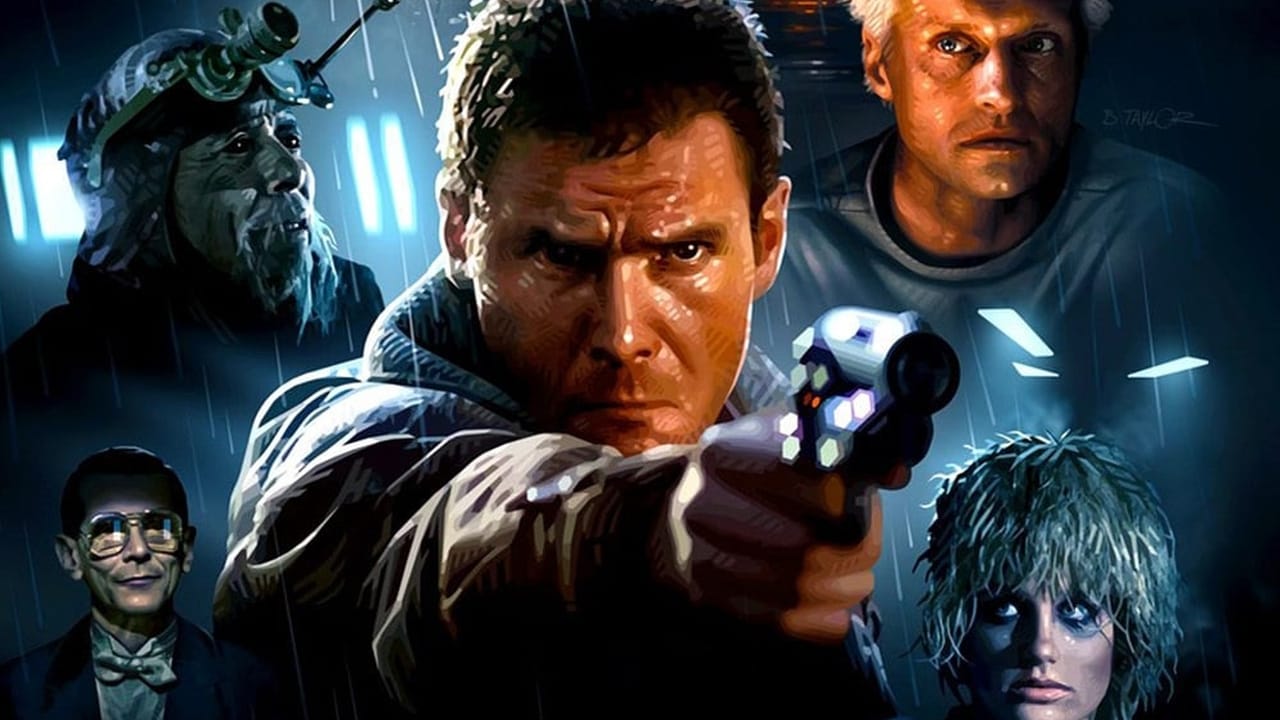
At its heart, this isn't an action movie about a cop hunting robots. It’s a somber drama about refugees. Harrison Ford gives a performance that must have baffled fans of Raiders of the Lost Ark (1981). As Rick Deckard, he isn't a hero; he’s a weary, middle-aged man doing a job that disgusts him. He’s often beaten, frequently terrified, and morally compromised. His chemistry with Sean Young, who plays the "special" replicant Rachael, is stiff and awkward, but it works within the context of two people who aren't even sure if their own memories belong to them.
The real soul of the film, however, is Rutger Hauer as Roy Batty. In any other 80s movie, Batty would be a one-dimensional slasher villain. Here, he’s a fallen angel, a "perfect" being who has realized his life is a cruel joke with a four-year expiration date. The "Tears in Rain" monologue at the film’s climax—famously trimmed and tweaked by Rutger Hauer himself on the night of filming—is perhaps the most poetic moment in science fiction history. It shifts the entire weight of the drama from the hunter to the hunted. By the time the credits roll, you aren't rooting for the human; you’re mourning the machine.
A Legacy of Prestige and Rain
Despite being a commercial dud initially, the industry recognized the sheer craft on screen. Blade Runner earned Academy Award nominations for Best Art Direction and Best Visual Effects, though it famously lost the latter to E.T.—a decision that feels more ironic with every passing decade. Its prestige grew through a sort of cultural osmosis. Critics like Roger Ebert eventually recanted their initial lukewarm reviews, realizing that the film's slow pacing wasn't a flaw, but a deliberate choice to let the audience soak in the existential dread.
The film's journey through the VHS and LaserDisc era is what solidified its cult status. It became the ultimate "tech-check" movie for home theater enthusiasts. If your VCR could handle the deep blacks of the cityscape and your speakers could reproduce the low-frequency thrum of Vangelis's score without rattling, you had a decent setup. It’s a film that demands repeated viewings because it refuses to offer easy answers. Is Deckard a replicant? Does it even matter? The film suggests that the quality of a life is defined by how we spend our time, not by where we came from.
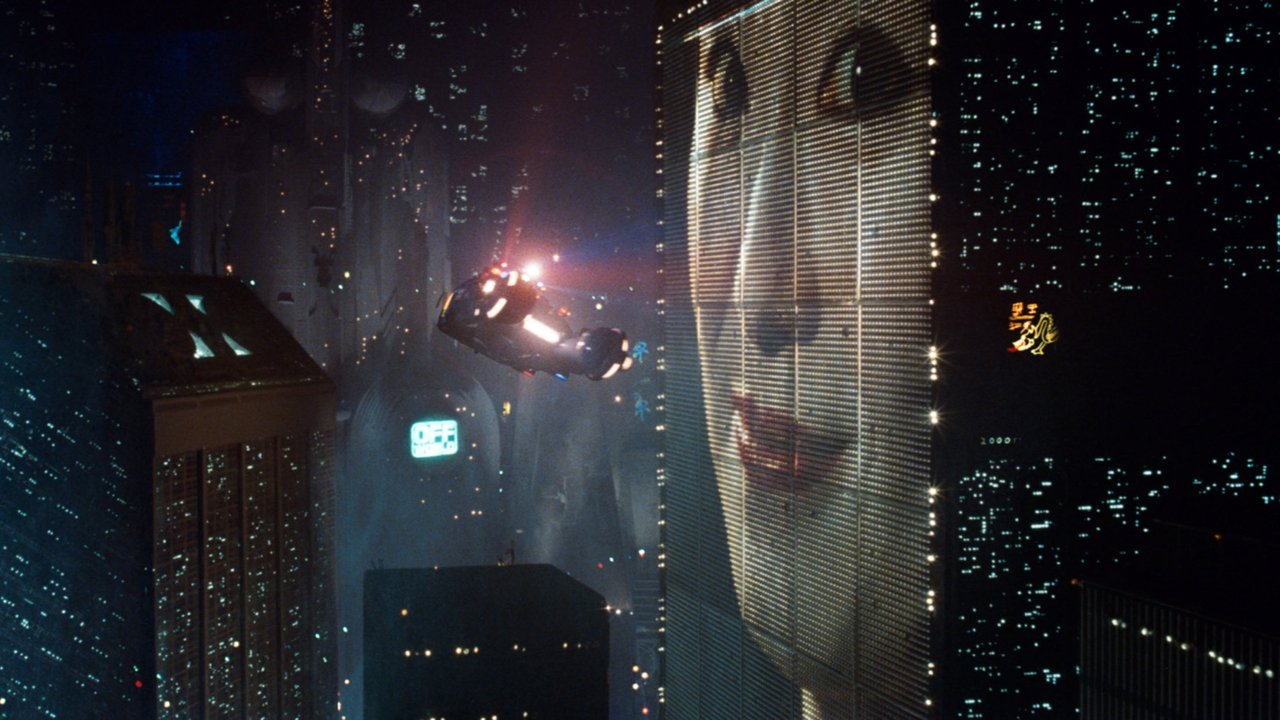
The film remains a towering achievement of 1980s auteur filmmaking, standing as a bridge between the gritty cynicism of the 70s and the high-concept spectacle of the late 80s. It is a beautiful, agonizing look at the loneliness of existence, wrapped in the best production design ever put to celluloid. Even forty years later, the sight of those massive digital billboards and the sound of the rain hitting the pavement feels more real than most modern CGI worlds. It’s a movie that doesn't just ask what it means to be human; it makes you feel the weight of the answer.
Keep Exploring...
-
Blade Runner 2049
2017
-
WarGames
1983
-
Witness
1985
-
Alien
1979
-
Chinatown
1974
-

Blood Simple
1985
-
Rosemary's Baby
1968
-
Dog Day Afternoon
1975
-
Escape from Alcatraz
1979
-

Star Trek II: The Wrath of Khan
1982
-
The Dead Zone
1983
-
The Terminator
1984
-
Aliens
1986
-

Predator
1987
-
RoboCop
1987
-
After Hours
1985
-

The Name of the Rose
1986
-
Matchstick Men
2003
-
The Deer Hunter
1978
-

Apocalypse Now
1979