Conan the Barbarian
"A heavy metal symphony written in blood and bronze."
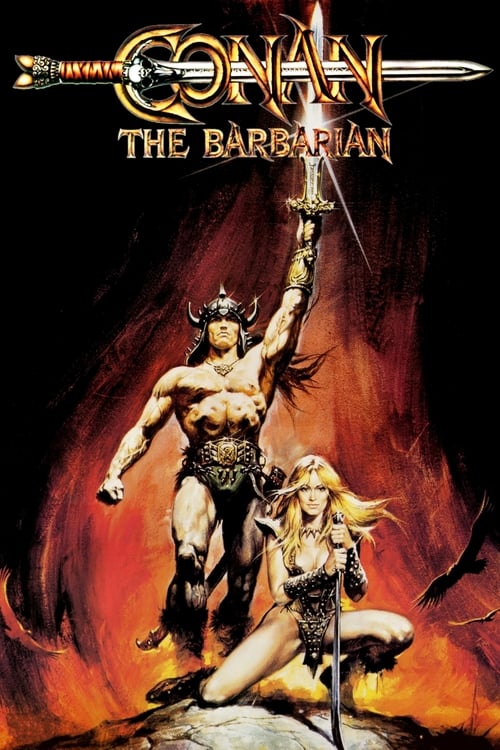
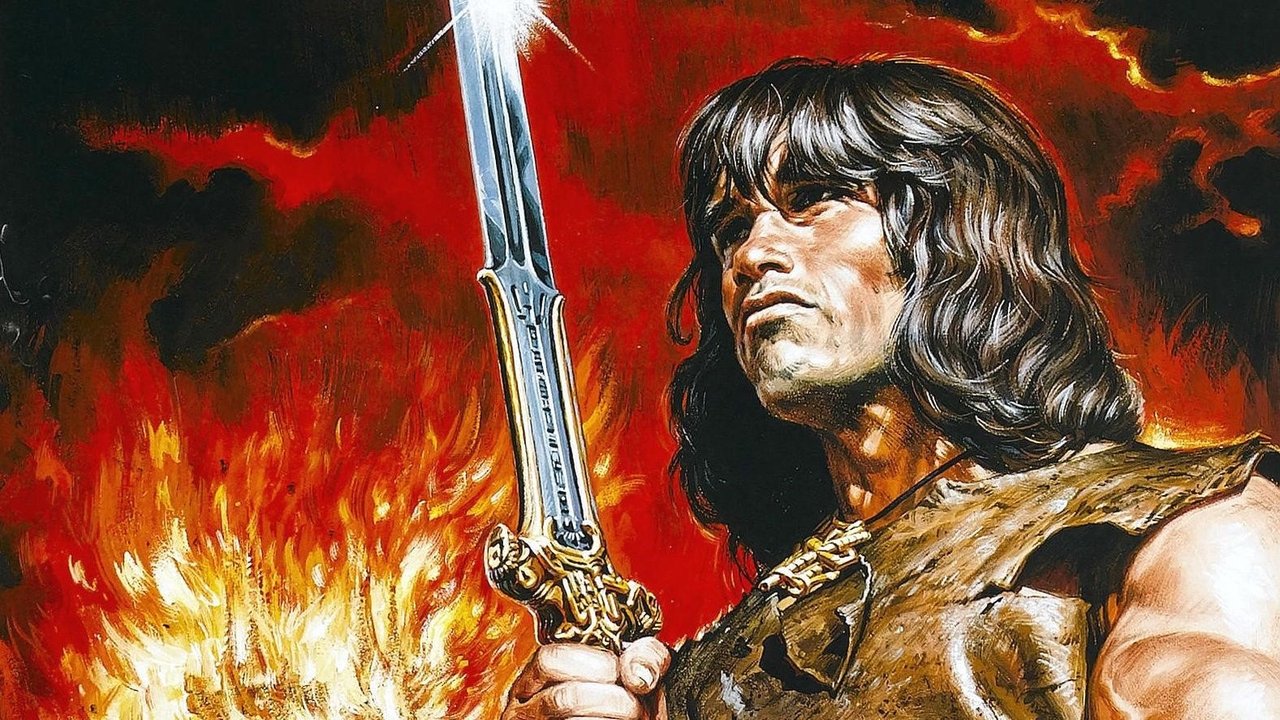
The first time I saw the cover of the Conan the Barbarian VHS at my local rental shop, I was convinced the man on the front wasn’t actually a human being. He looked like he’d been carved out of an oak tree and then dipped in bronze. That image—Arnold Schwarzenegger standing atop a pile of skulls, sword held high—was the ultimate bait for a kid in the early 80s. But popping that tape into the top-loader revealed something much weirder and more profound than the "brainless brawn" movie the critics expected.
I revisited the film last night while eating a bowl of slightly stale pretzels that I’m pretty sure had been in the pantry since the Reagan administration, and honestly, the crunch of the pretzels matched the grit of the movie perfectly. This isn't just a fantasy flick; it's a grim, sweat-soaked epic that feels like it was excavated from a mountainside rather than filmed on a set.
The Riddle of Steel and Practical Might
What strikes me most about Conan now is how heavy everything feels. In an era where modern blockbusters feel like they’re made of pixels and light, John Milius’s world feels like it's made of iron, dirt, and genuine animal fur. When Conan swings that Atlantean sword, you don't just see the impact; you feel the weight of the steel. That’s because the swords were actually heavy—Schwarzenegger and the late, great Sandahl Bergman (who plays the fierce Valeria) spent months training with sensei Kiyoshi Yamazaki just to look like they weren't struggling to lift their props.
The practical effects here are a masterclass in "doing it for real." Take the "Wheel of Pain." That wasn't some flimsy plywood construction; it was a massive, functioning machine built on a hill in Spain. Watching a young Arnold age into a behemoth while pushing that timber in a circular hellscape is one of the most effective "training montages" ever put to celluloid. And then there’s the giant snake. In 1982, they didn't have CGI to create a 36-foot serpent. They built a mechanical nightmare that actually moved and lunged. There’s a texture to the sequence where Conan fights it in the tower that you just can't replicate with a computer. It’s clunky, it’s terrifying, and it looks like it actually smells like damp basement and old scales.
A Philosophical Slasher Movie
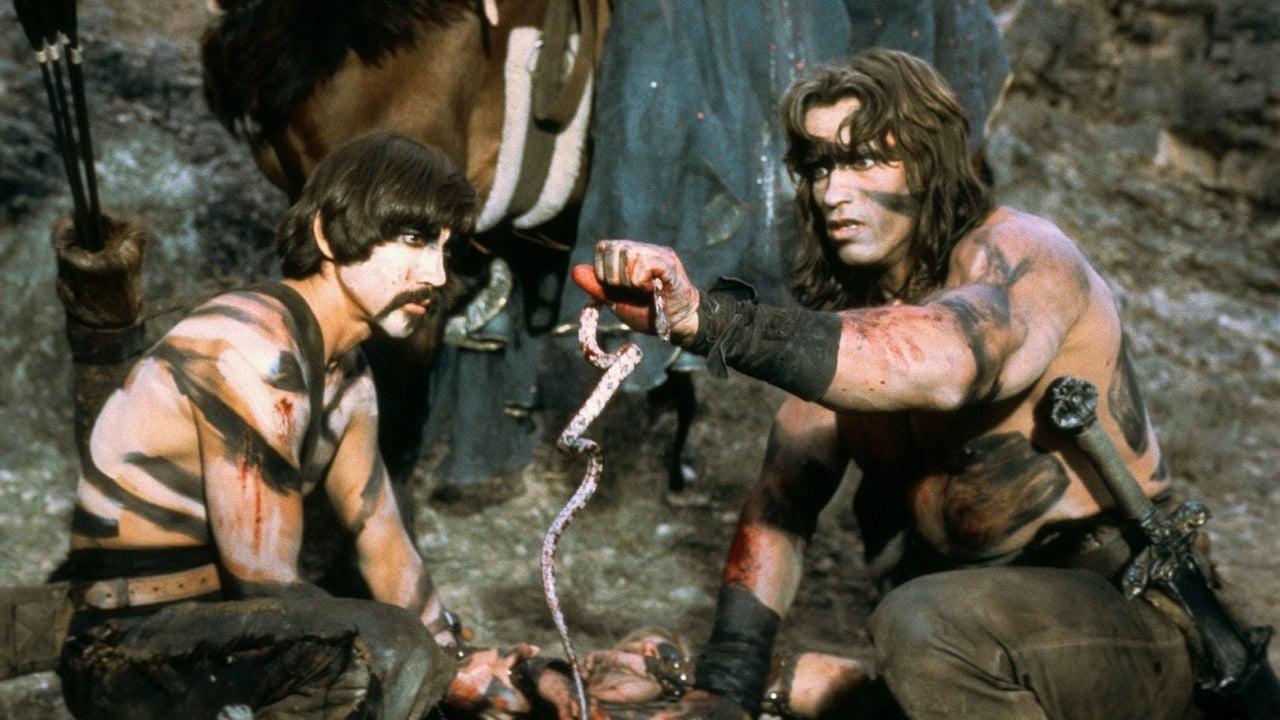
It’s easy to forget that the screenplay was co-written by Oliver Stone. Between Stone’s psychedelic intensity and Milius’s obsession with warrior codes, the film is surprisingly talkative—not in the number of words, but in the weight of its ideas. Conan himself barely speaks for the first twenty minutes. He doesn’t need to. The movie communicates through Basil Poledouris’s score, which is quite simply the greatest fantasy soundtrack ever composed. If you play "Anvil of Crom" while doing literally anything—even vacuuming your rug—you will feel like you’re conquering a continent.
Then you have James Earl Jones as Thulsa Doom. Long before he was a Disney lion, he was the most chilling cult leader in cinema. He doesn't play Doom as a cackling villain; he plays him as a man who has transcended humanity. The scene where he transforms from a man into a snake (a sequence involving some truly impressive, if slightly dated, makeup transitions) still gives me the creeps. He represents the "Flesh" in the movie’s central debate: which is stronger, the hand that wields the sword or the will that commands the hand?
The VHS Warrior Legacy
For many of us, Conan was a staple of the "second-hand discovery." It was the movie you watched at a sleepover when someone’s older brother left the tape out. On a grainy CRT television, the shadows of the Spanish landscapes looked even deeper, and the blood looked even redder. It’s a film that benefited from the VHS revolution because it’s so atmospheric; it’s a mood you want to inhabit.
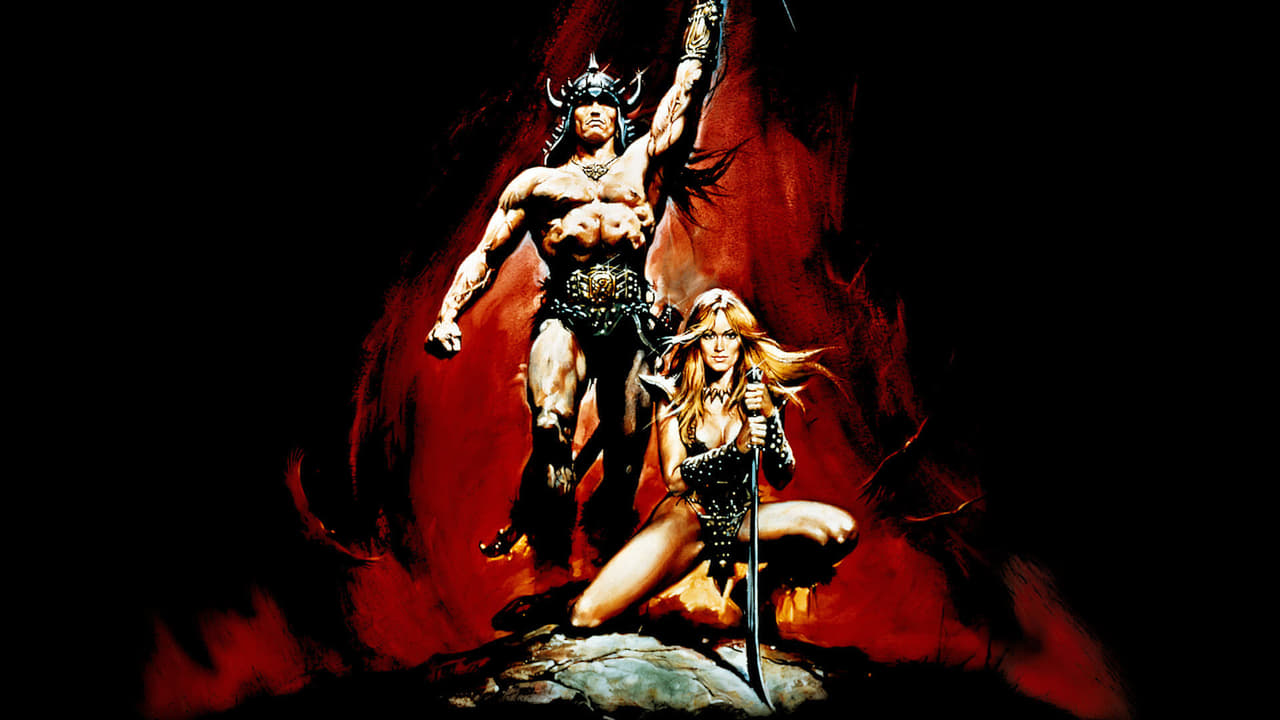
Apparently, the production was just as wild as the film. Did you know that Arnold Schwarzenegger had to bite a real dead vulture during the crucifixion scene? He had to keep washing his mouth out with alcohol between takes. Talk about commitment to the bit. Also, they actually had to ask Arnold to lose muscle mass because his chest was so big he couldn't swing the sword properly. This isn't a movie; it's a Wagnerian opera performed by people who eat raw liver for breakfast.
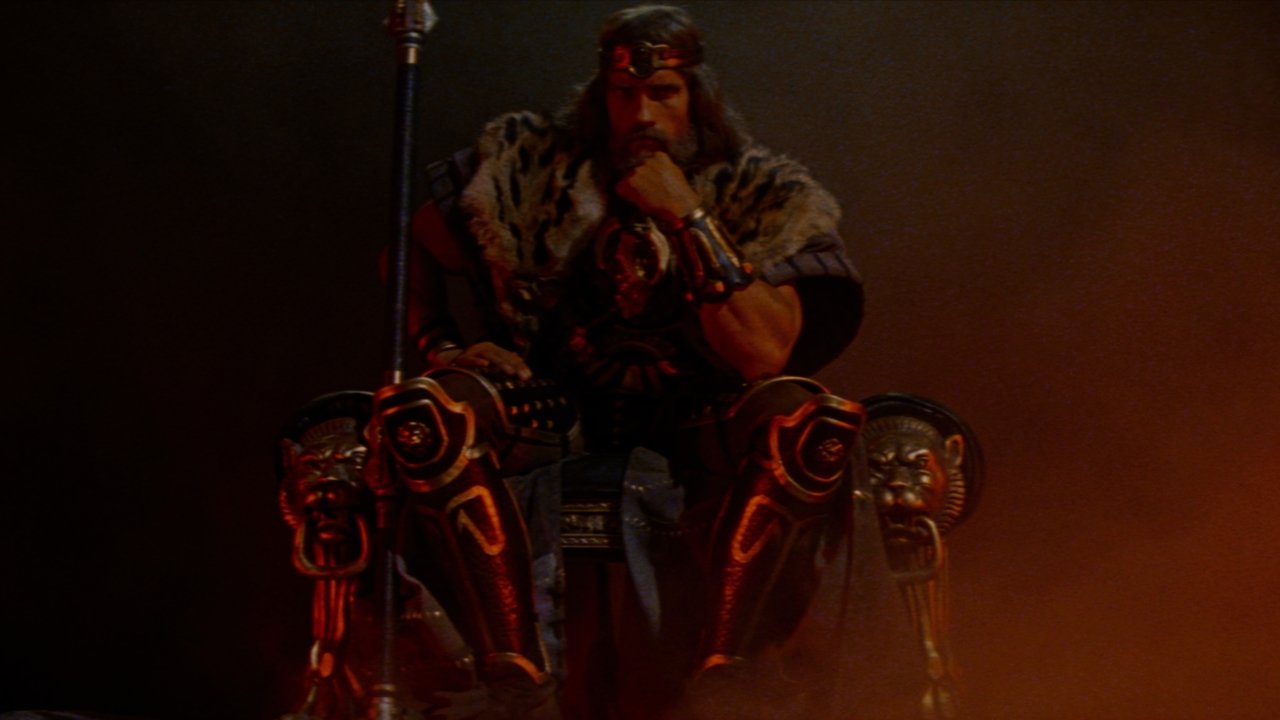
Even the supporting cast is legendary. Seeing Max von Sydow—the man who played chess with Death in The Seventh Seal—showing up as King Osric to give a drunken, mournful speech about his daughter is the kind of prestige-meets-pulp crossover that made 80s cinema so special. He treats the material with absolute gravity, which allows the rest of us to take it seriously, too.
Ultimately, Conan the Barbarian stands as the peak of the sword-and-sorcery genre because it refuses to wink at the camera. It’s brutal, it’s beautiful, and it’s unapologetically strange. Whether you're watching it for the practical stunts, the legendary score, or just to see Arnold in his physical prime, it delivers a punch that modern fantasy often lacks. It’s a reminder of a time when movies felt like they were forged in a fire rather than rendered in a lab. If you haven't revisited the Hyborian Age lately, grab a sword (or a stale pretzel) and dive back in.
Keep Exploring...
-
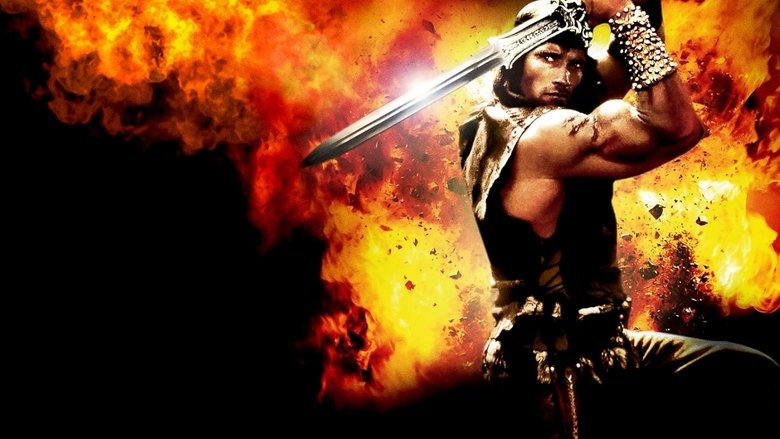
Conan the Destroyer
1984
-
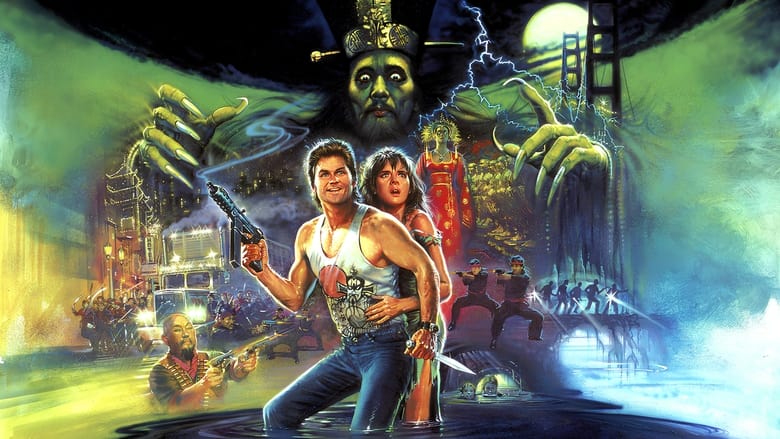
Big Trouble in Little China
1986
-
Highlander
1986
-
Commando
1985
-

Predator
1987
-
Red Dawn
1984
-
Willow
1988
-

Star Trek II: The Wrath of Khan
1982
-
Tron
1982
-
The Princess Bride
1987
-
Last Action Hero
1993
-
The Terminator
1984
-
The Running Man
1987
-
The NeverEnding Story
1984
-
Labyrinth
1986
-
Flash Gordon
1980
-
Planet of the Apes
1968
-
Never Say Never Again
1983
-
On Her Majesty's Secret Service
1969
-
The Rescuers
1977