Fast Times at Ridgemont High
"High school is a trip. Don't forget your shoes."
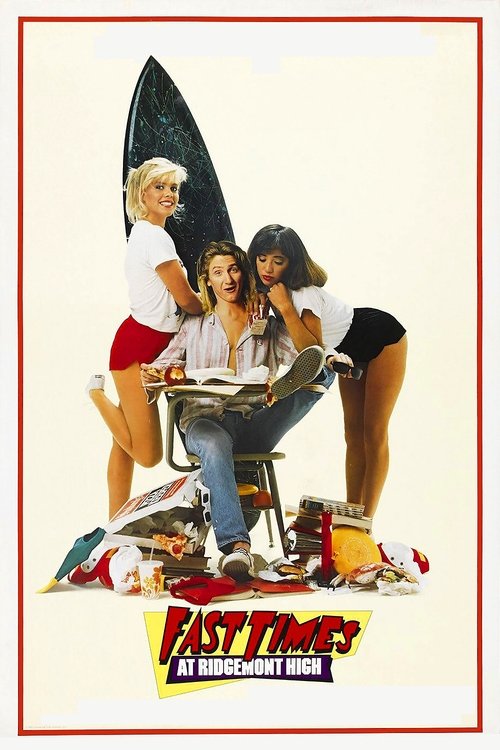
There is a specific, sun-bleached desperation to the Southern California mall culture of the early eighties that most teen movies completely ignore. While John Hughes was busy polishing the angst of suburban Chicago into a high-gloss sheen, director Amy Heckerling and writer Cameron Crowe were down in the trenches of the San Fernando Valley, capturing the smell of food court grease and the terror of a first job. Fast Times at Ridgemont High isn’t just a comedy; it’s a time capsule of a moment when "having it all" meant a $3.50-an-hour gig at Perry’s Pizza and enough gas money to make it to the beach.

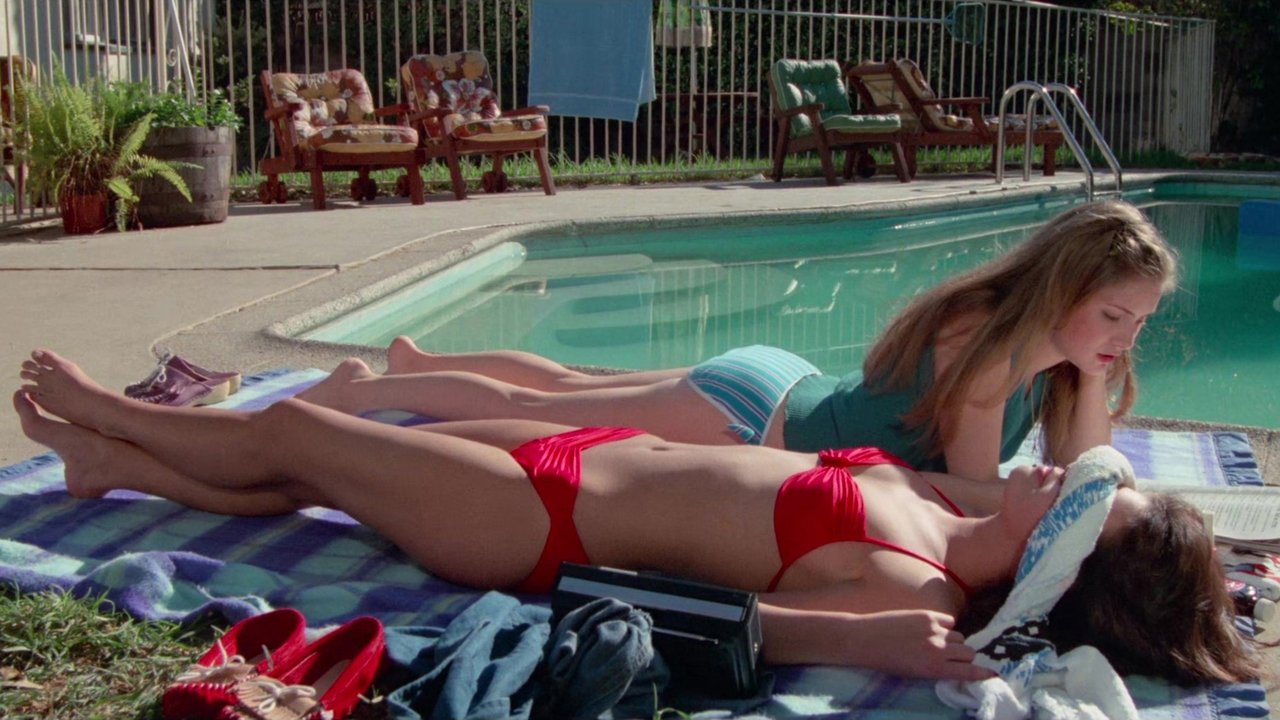
I watched this last night while wearing a pair of wool socks with a hole in the left toe, and the draft on my foot made the pool scene feel surprisingly immersive. That’s the magic of Fast Times—it feels lived-in. It doesn’t feel like a studio executive’s fever dream of what teenagers do; it feels like what teenagers actually did when they thought no one was looking.
The Undercover Origin and the Spicoli Mythos
The secret to the film’s authenticity lies in its DNA. Cameron Crowe, then a 22-year-old journalist for Rolling Stone, went undercover at San Diego’s Clairemont High School to research the book that would become the screenplay. This wasn’t just "fellow kids" posturing; it was immersive journalism. When Sean Penn showed up to play Jeff Spicoli, he famously refused to be called anything but "Spicoli" on set.
Sean Penn’s performance is the North Star of the film, but we often forget how grounded it is. He isn’t playing a cartoon; he’s playing a guy whose entire philosophy is built on the avoidance of friction. The comedic timing between him and Ray Walston (as the long-suffering Mr. Hand) is a masterclass in slow-burn frustration. The way Spicoli’s "Aloha" hits the air is a perfect linguistic middle finger. It’s the kind of verbal timing that’s almost impossible to script—it has to be felt. Honestly, the pizza delivery to the classroom is the greatest act of cinematic rebellion in the history of the genre, and I’ll fight anyone who says otherwise.
The VHS Revolution and the "Rewind" Factor
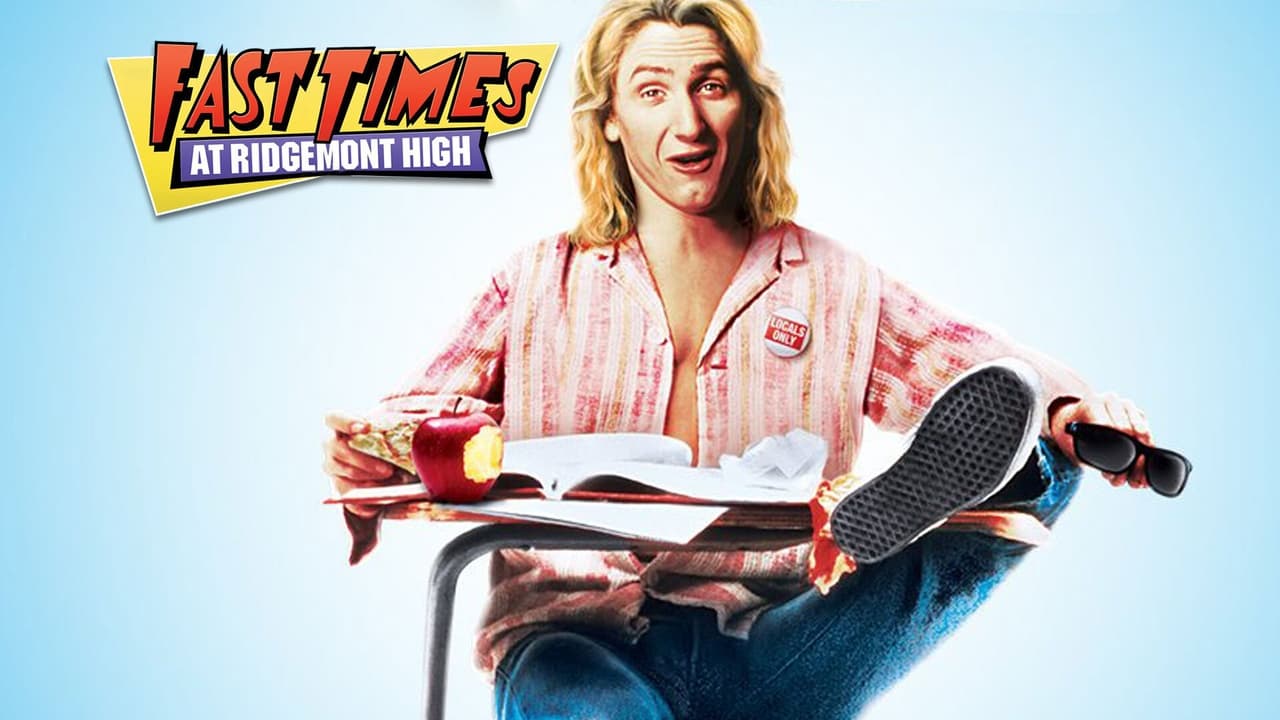
If you grew up after the eighties, it’s hard to grasp how much this movie owned the local video store. While it was a modest success in theaters, it became a deity on home video. The blue-bordered Universal Pictures VHS box was a permanent fixture on the "Comedy" shelf of every Mom-and-Pop rental shop in America. It was the ultimate "parents aren't home" rental.
Let’s be real about the elephant in the room: the Phoebe Cates pool scene. In the VHS era, that 60-second sequence was likely the most-rewound piece of tape in history, responsible for more tracking-head repairs than any other film. But looking back now, the movie is surprisingly heavy for a "raunchy" comedy. The subplot involving Jennifer Jason Leigh’s Stacy and her awkward, painful navigation of sex and abortion is handled with a frankness that would make modern studios sweat. Jennifer Jason Leigh brings a vulnerability that balances the stoner antics, making the film feel like a real coming-of-age story rather than a series of sketches.
Hamiltons, Rats, and Damones
The ensemble cast is a "Who’s Who" of future stars, but Judge Reinhold as Brad Hamilton is the film's unsung heart. His character arc—from big man on campus to a guy getting fired from every fast-food joint in the valley—is a hilarious, ego-bruising reality check. Judge Reinhold’s pirate suit is the true tragic hero of the 80s, a polyester monument to the indignity of the service industry.
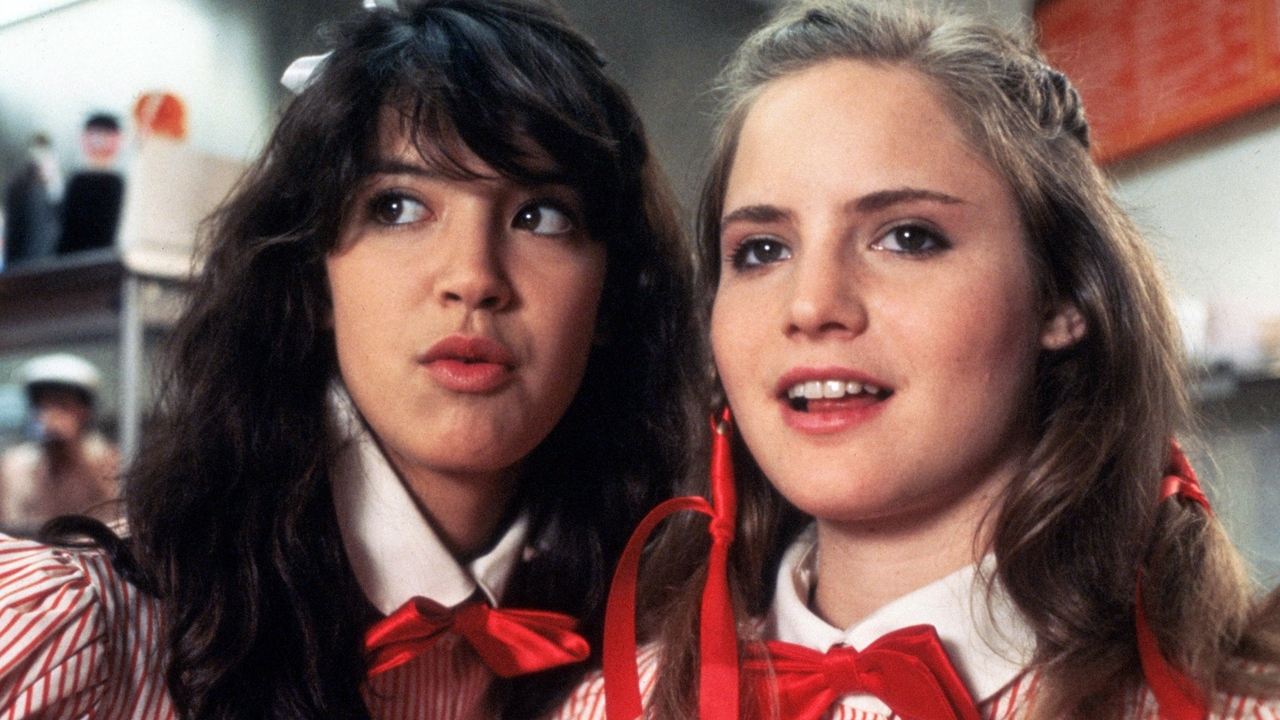
Then there’s the dynamic between Brian Backer (Rat) and Robert Romanus (Mike Damone). Damone is the quintessential 80s "cool guy" who is actually just a scared kid with a bad haircut and a wallet full of counterfeit confidence. Watching it today, Damone is the original 'pick-up artist' fraud and we should have seen the 2010s coming. The film doesn't reward his "five-point plan"; it exposes it.
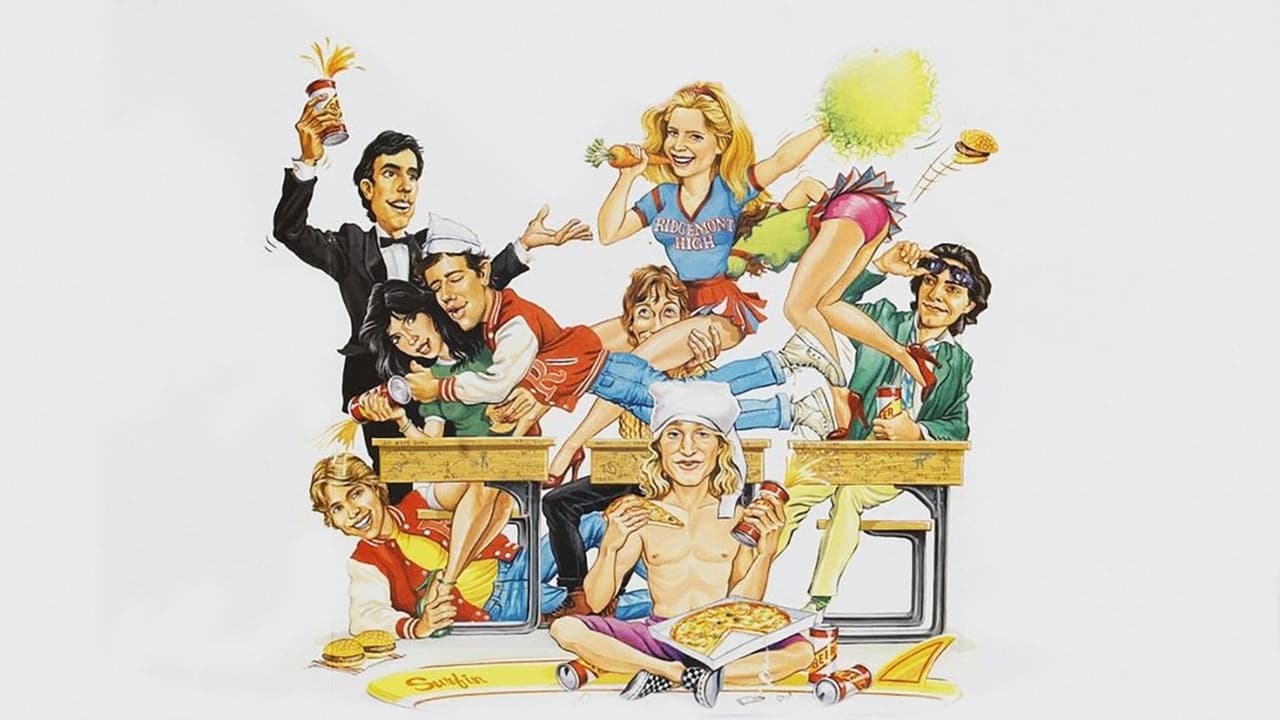
The pacing of the comedy is episodic, almost like a series of interconnected short stories, which reflects the way high school actually feels—a series of intense, disconnected moments between bells. It’s an ensemble piece that actually trusts its ensemble, allowing even the smaller roles (like Forest Whitaker’s intense football player) to leave a mark.
Fast Times at Ridgemont High is the rare eighties teen flick that hasn't been completely smothered by its own nostalgia. While the fashion is loud and the soundtrack (featuring Jackson Browne and The Go-Go's) is peak Reagan-era, the emotions are quiet and recognizable. It captures that terrifying transition where the rules of the classroom stop applying and the rules of the real world—where you can get fired for not wearing a pirate hat—start to bite. It’s funny, it’s messy, and it’s still the gold standard for the genre.
Keep Exploring...
-
National Lampoon's European Vacation
1985
-
Look Who's Talking
1989
-
The Money Pit
1986
-
Say Anything...
1989
-

Risky Business
1983
-

Romancing the Stone
1984
-
Splash
1984
-
The Jewel of the Nile
1985
-
The Purple Rose of Cairo
1985
-
Weird Science
1985
-
Overboard
1987
-

Charade
1963
-
Harold and Maude
1971
-

The Party
1980
-
My Fair Lady
1964
-
Annie Hall
1977
-
Teen Wolf
1985
-
Grease
1978
-
Manhattan
1979
-

Tootsie
1982